Author: Zen, PANews
At 3 AM Beijing time on June 12, the highly anticipated 2026 FIFA World Cup will officially kick off in Mexico City.
This World Cup is hailed as an unprecedented super event, featuring 48 teams competing in a total of 104 matches, with venues spanning the United States, Canada, and Mexico. If all goes well, this will be the highest-grossing World Cup in history in terms of commercial revenue.
However, on the eve of the opening, this World Cup is facing a problem of ticket sales difficulties. According to the Financial Times, with only a final phase remaining before the opening match, about 180,000 group stage tickets for the World Cup are still up for resale. For an event that has long been regarded as a global spectacle, this contrast is indeed glaring.
This is not because the World Cup itself has lost its global appeal; in fact, the gambling industry has touted this World Cup as “the biggest betting opportunity in history.” As of June 11, the amount invested in event contracts predicting the winner of the World Cup on the forecasting market platform Polymarket has nearly approached $2 billion. The huge amount of money invested before the start of the tournament indicates the high level of interest in the event.
Therefore, the issue of “difficulty in selling tickets” is more related to FIFA's ticket sales mechanism, revealing the side effects of FIFA's radical commercialization experiment in the ticketing system for this World Cup.
FIFA's ticketing "sophistication": buy a ticket, first buy a "digital collectible"
One of the most controversial ticketing arrangements for this World Cup is FIFA’s sale of the so-called “Right-To-Buy,” abbreviated as RTB, through the FIFA Collect platform.
Differing from traditional ticketing products, RTB is designed as a “digital right” or “digital collectible” related to the qualification to acquire World Cup tickets, issued and circulated through the FIFA Collect digital collectible platform. The issued digital collectibles are essentially NFTs. The FIFA Collect platform originally operated on the Algorand blockchain but migrated to a FIFA Blockchain built on Avalanche technology in May 2025.
According to the official explanation of FIFA Collect, holding an RTB only allows fans the opportunity to purchase tickets for specific matches during designated windows. Each RTB indicates how many tickets the holder can buy in the future and for which match or event, but it does not include tickets itself.
This mechanism breaks the ticket purchasing process into two steps: first selling the scarcity, and then selling the actual tickets. However, when fans buy an RTB, they often do not know the final seating area or the complete ticket price and cannot fully determine how much value this “priority” may have in the future.
In terms of pricing, RTBs do not have a unified price, but vary according to the importance of the corresponding match, the number of tickets available for purchase, and market supply and demand conditions. Previously, on the FIFA Collect platform, prices for RTBs for different matches ranged from tens to hundreds of dollars, with some popular matches or RTBs granting qualification for multiple ticket purchases fetching even higher prices in the secondary market.
According to UK sports business media SportsPro, FIFA has already generated tens of millions of dollars in revenue through these RTBs.
In a context where tickets are scarce and ticket prices are not yet fully clear, this design to encourage fans to pay in advance might make some sense. But when the official platform still has a considerable number of tickets for sale, the awkwardness of RTBs becomes apparent—if tickets are not as hard to obtain as imagined, the rationale for spending hundreds of dollars in advance to purchase “ticket qualifications” is also reexamined.
Not only expensive, but also lacking transparency and constantly changing
The main competitions of this event are concentrated in the U.S. market, which is the most mature and also the most expensive live sports entertainment market in the world. Events like the NFL, NBA, and MLB have long adopted high ticket prices, luxury boxes, dynamic pricing, and secondary market models, and after FIFA entered this market, it naturally aimed to align World Cup pricing with them.
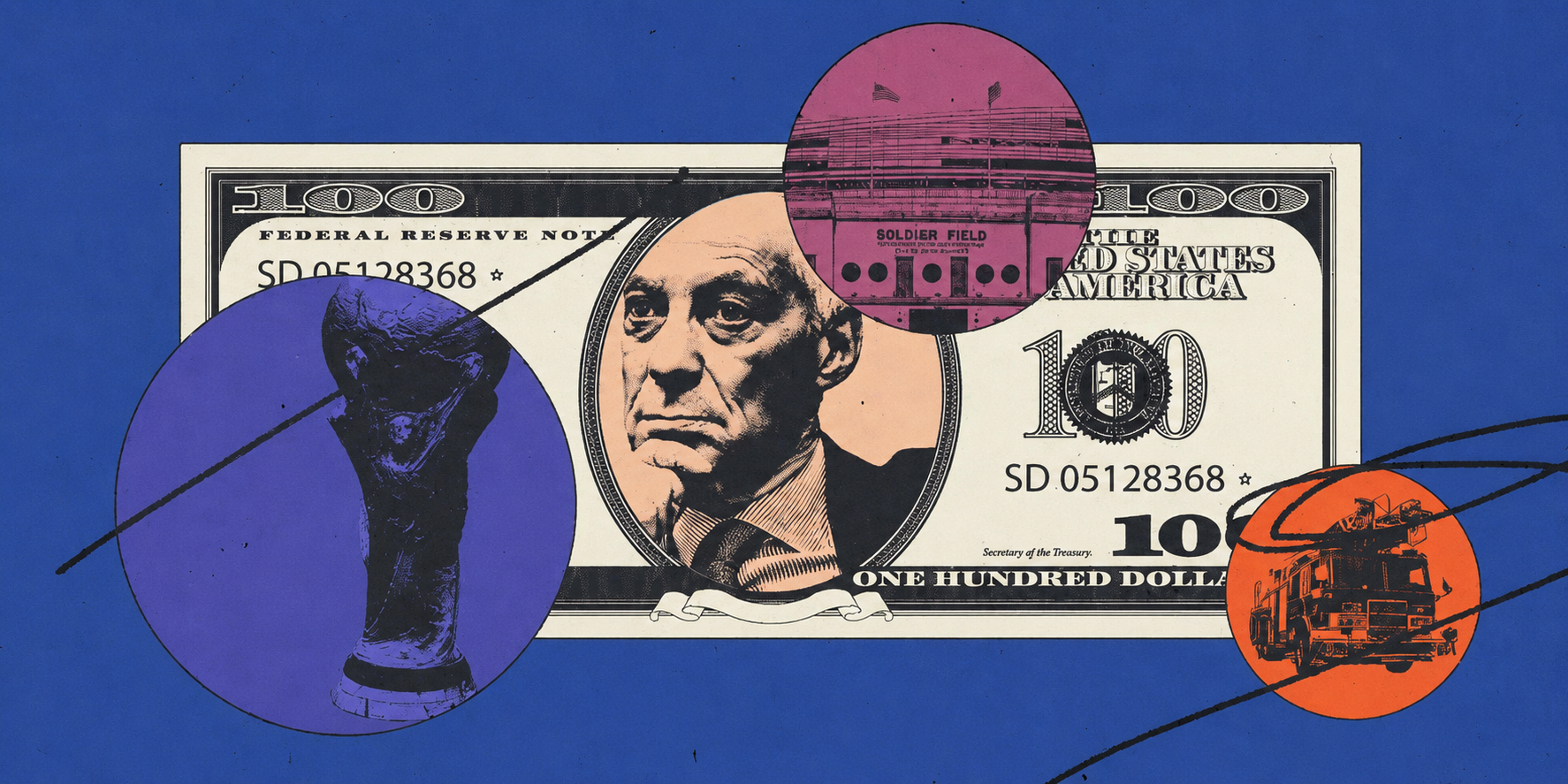
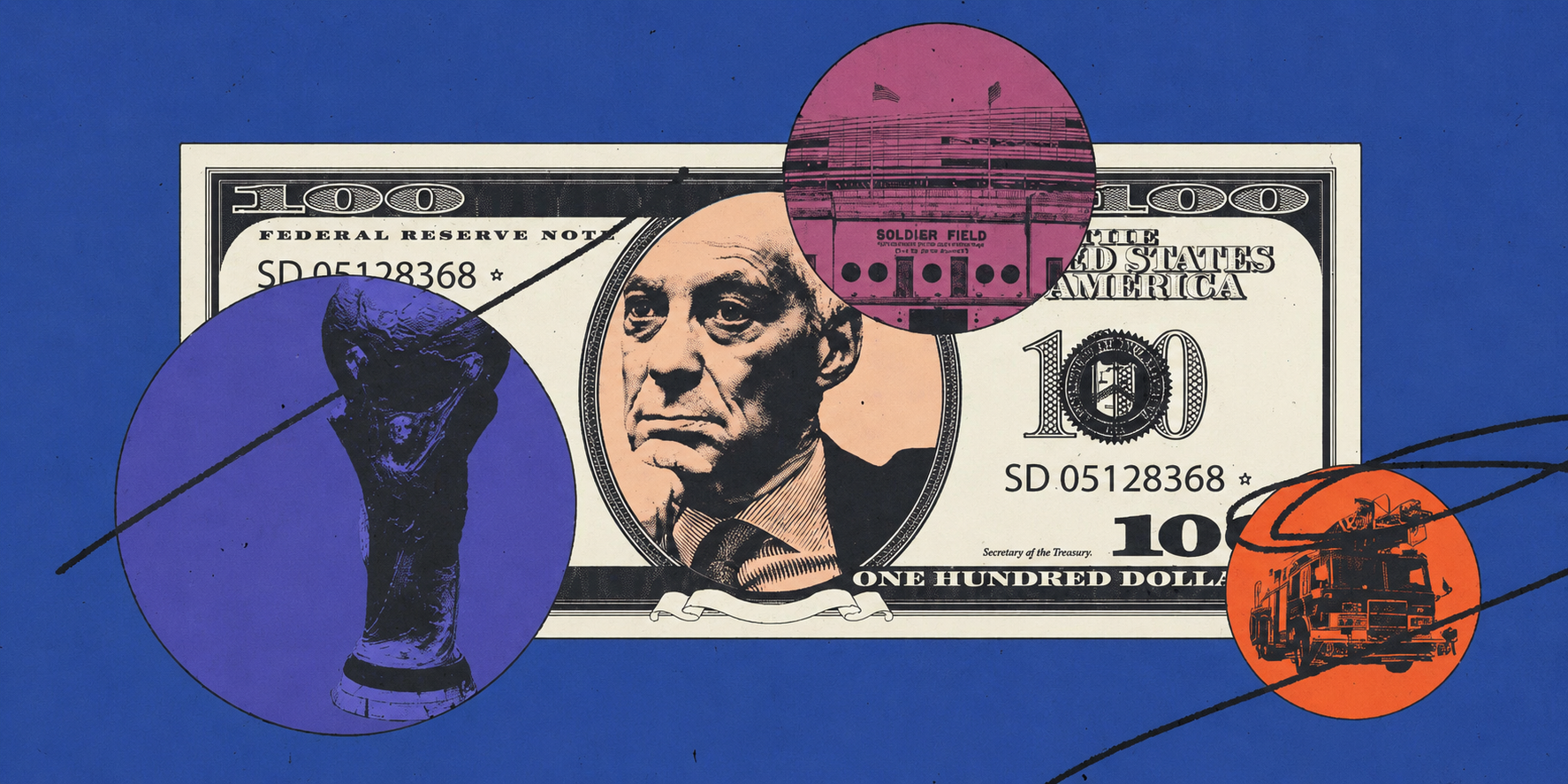
FIFA's use of dynamic pricing or variable pricing models for this World Cup means that ticket prices can be continuously adjusted based on demand, inventory, and sales phases. Initially, the official emphasized that some group stage tickets started at $60, but this low-priced tier is limited in quantity. Many ticket prices exceed fans’ expectations, with some popular group stage matches costing hundreds or even thousands of dollars, while knockout rounds and the final can reach outrageous prices.
It is reported that the actual ticket purchasing cost for this World Cup is approximately 2 to 4 times that of the previous World Cup in Qatar, with popular matches, the opening match, and the final reaching 4 to 7 times that amount. The problem is, the World Cup is not an ordinary commercial league. Its audience is not just local high-income sports consumers, but ordinary fans from around the world. Many people need to travel across continents, book flights and hotels in advance, and cover transportation costs. For these fans, ticket prices are only a part of the total cost but also the most uncontrollable part.
What frustrates fans even more is the opacity regarding ticketing. European fan associations and consumer organizations have complained to FIFA that it did not sufficiently disclose how many tickets were left at each price tier and specific seating information early on. Some fans even found it impossible to fully confirm the view and position of seats when purchasing tickets, yet they had to pay high prices. This information asymmetry has severely exaggerated the feeling of being “manipulated.”
Currently, FIFA's ticketing mechanism has not only triggered commercial disputes but has also attracted the attention of public regulators. Relevant departments in New York State and New Jersey have begun investigations surrounding World Cup ticketing, focusing on seating information, ticket promotion, and whether there is a so-called issue of “artificial scarcity.”
Official resale platform amplifies price anxiety
FIFA has launched an official resale platform specifically for this World Cup, theoretically aimed at allowing fans to buy and sell tickets in a safe environment, reducing fraud and black market trading. However, while this platform has increased transaction security, it has not improved the ticket purchasing experience for fans.
European fan associations and European consumer organizations have criticized FIFA for charging fees from both buyers and sellers in the official resale process, allowing it to continue profiting from subsequent transactions even after tickets are sold for the first time. According to reports cited by the Financial Times regarding ticketing rules, sellers need to pay about a 10% service fee when selling tickets on the FIFA official resale platform, while buyers must additionally pay about 17% in transaction fees and related surcharges.
In other words, if a ticket is resold through the official platform, the total fees borne by both parties are close to 27% of the ticket's face value. This means FIFA not only benefits from high ticket prices in the primary market but can also capture fees from the resale market.
As of now, FIFA is still selling tens of thousands of group stage tickets. For those hoping to profit from price markups, including scalpers and speculators who previously hoarded tickets at high prices, even selling at original prices may still result in actual losses after deducting platform fees.
Of course, 180,000 tickets available for resale will not cause a significant number of empty seats during this World Cup. FIFA President Gianni Infantino stated at the pre-opening press conference that over 6 million tickets have been sold for this event and noted that demand has exceeded expectations “by 10 times or more.” Popular matches, host country matches, knockout rounds, and the final will still attract immense attention. As the matches begin, emotions rise, and the teams' progression becomes clearer, some of the inventory may also be consumed.
But the significance of this controversy lies in the reminder that even if overall sales for the World Cup remain strong, this event demonstrates that fan enthusiasm does not equate to a willingness to pay without limits; ticket prices and ticketing mechanisms still have a line that should not be easily crossed. The World Cup has global influence, but that does not mean FIFA can endlessly exploit this emotional premium.
免责声明:本文章仅代表作者个人观点,不代表本平台的立场和观点。本文章仅供信息分享,不构成对任何人的任何投资建议。用户与作者之间的任何争议,与本平台无关。如网页中刊载的文章或图片涉及侵权,请提供相关的权利证明和身份证明发送邮件到support@aicoin.com,本平台相关工作人员将会进行核查。


