A man deemed too boring has avoided the biggest scandal in history.
Author: Curry, Deep Tide TechFlow
There’s a reason someone can hoard 710,000 bitcoins.
Last Friday, the U.S. Department of Justice released documents related to the Epstein case, spanning 3 million pages. Politicians, billionaires, and celebrities—names are popping out from these materials. Among them is Michael Saylor, the founder of MicroStrategy (now known as Strategy).
However, Saylor's appearance is a bit special; he is the one who was looked down upon.
From the publicly available information, in 2010, Epstein's publicist Peggy Siegal once complained in a private email:
“There’s a guy named Saylor who spent $25,000 on a dinner ticket, and I was responsible for socializing with him. But this guy was completely unchatty, like a zombie on drugs; I just couldn’t take it and left halfway through.”
Peggy's main job was Hollywood film publicity, and her side gig was organizing dinners for Epstein, essentially scouting wealthy individuals to pull into the circle.
Accompanying wealthy people to socialize, helping them meet the right people at parties and dinners, ensuring they have fun and spend their money comfortably. After decades in the industry, she should have seen all kinds of wealthy individuals.
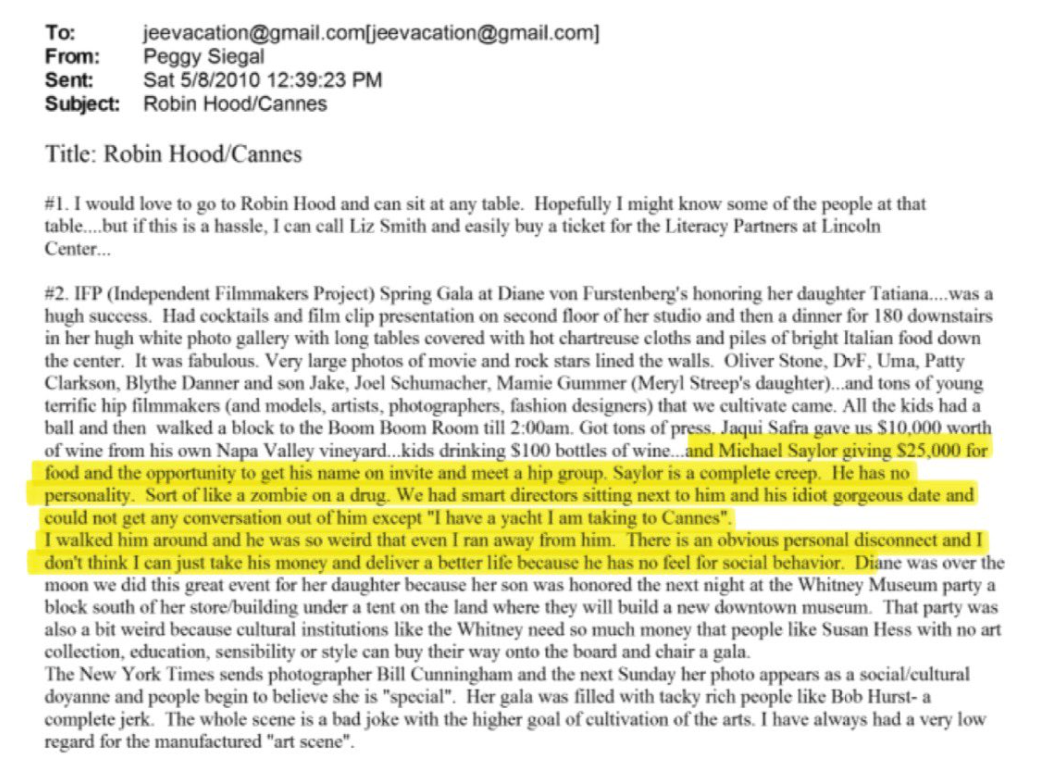
But Saylor was someone she couldn’t handle.
The reason wasn’t that he had a bad character; it was that he was too dull. He paid to get in but couldn’t engage in conversation and had no interest in socializing.
Peggy's exact words were, “I didn’t even know if I could take his money; I didn’t know how to approach him… he has no personality and completely doesn’t understand social etiquette.”
Now that the Epstein case has exploded, those on the list are busy distancing themselves. Saylor, on the other hand, didn’t even manage to squeeze in back then.
Being overly boring and introverted has turned into a protective charm.
But when this "boredom" is placed in a different context, it becomes something else.
Saylor's company, Strategy (formerly MicroStrategy), is the publicly listed company with the most bitcoin holdings globally. In January of this year, when bitcoin was still fluctuating around $90,000, they bought over 37,000 bitcoins, spending $3.5 billion.
They buy almost every week, without fail.
As of now, Strategy holds 712,647 bitcoins, with an average cost of $76,037. Today, bitcoin has just dipped below $76,000, meaning Saylor's position is right at the breakeven point.
The market fear index has hit a new high in 20 weeks, and the crypto world is in despair. Strategy's stock price has also dropped 60% from its peak.
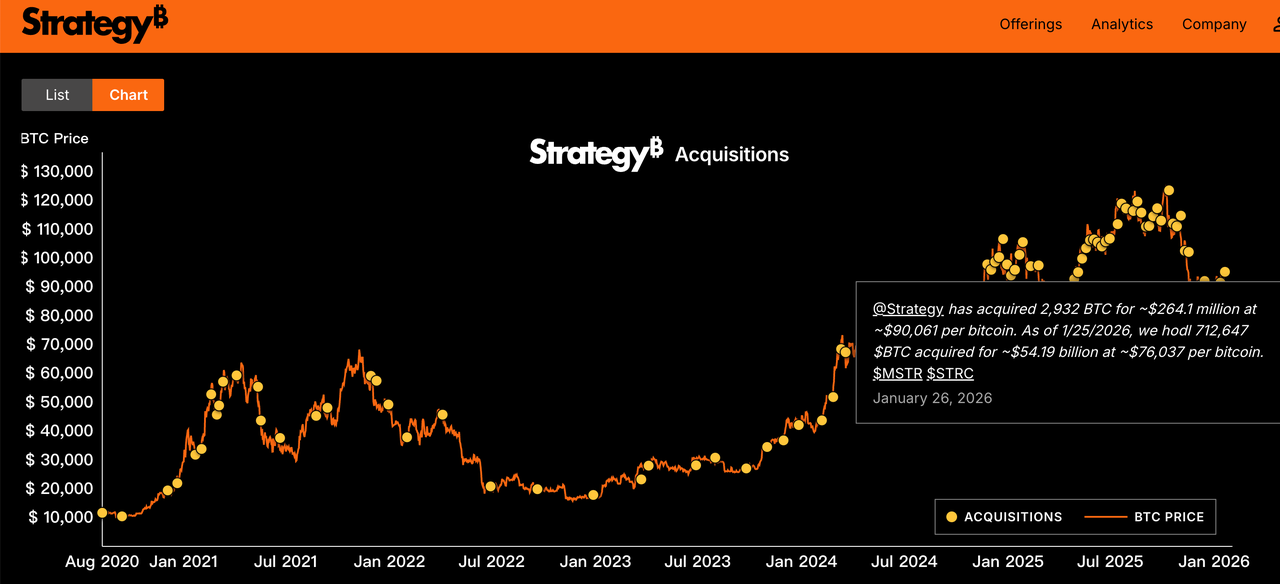
But Saylor tweeted “More Orange,” implying that they will continue buying next week.
Back then, Peggy said he was like a zombie. Looking at it now, hoarding coins might just require a zombie-like approach.
No explanations, no timing, no selling. No feelings about the outside world, yet feeling good about oneself.
And while Peggy complained about not knowing how to help him spend money, Saylor has clearly found his way of spending, which is to buy all the bitcoin.
From that email, Saylor appears to be an outsider in the social scene. He can’t sit still, can’t engage in conversation, and spending an evening feels like he didn’t show up at all. But this type of person can sit still in trading.
No need for socializing, no need to manage relationships, no need to guess what others are thinking. Just focus on one thing, buy weekly, and don’t sell.
Boring, uninteresting, and indifferent to the outside world… these traits are flaws in social settings but might be a talent in hoarding coins.
After this news broke, a classic meme has appeared on Twitter, suggesting that Saylor has no interest in underage girls but is extremely obsessed with underage assets.
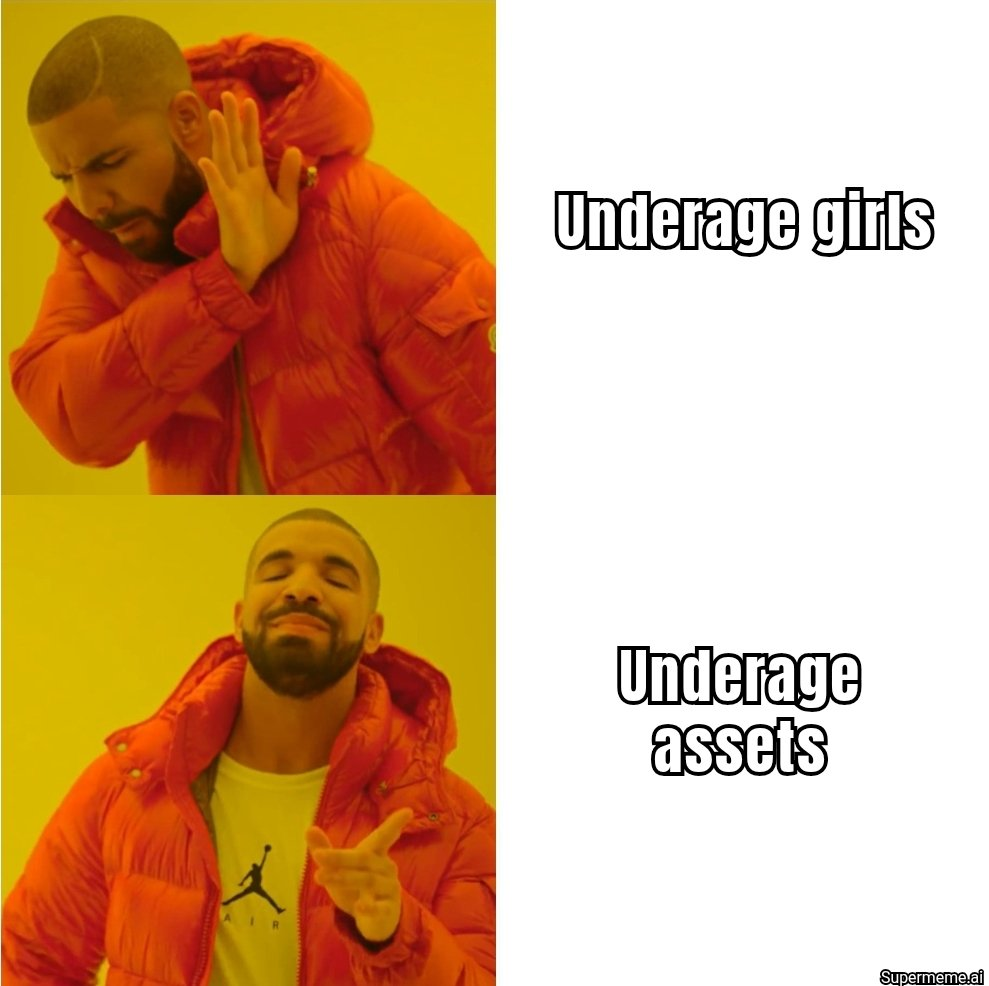
From a hindsight perspective, this exposure has somewhat established a positive image for Saylor.
After the Epstein case broke in 2019, Peggy, who was responsible for public relations, had all her contracts canceled by clients like Netflix and FX, which essentially meant the end of her PR career; meanwhile, Saylor has become one of the largest bitcoin holders in the world.
The one who was looked down upon is still buying coins, while those who looked down on him have exited.
But that said, Saylor's current situation isn’t so easy either.
The new Federal Reserve Chairman Warsh is leaning hawkish, and the market expects he won’t aggressively cut interest rates after taking office. With a shift in interest rate expectations, various global assets are under pressure.
Gold has dropped, silver has dropped, and bitcoin has dropped even more.
Adding to this are tariff frictions and tense U.S.-Europe relations, leading funds to start flowing into traditional safe-haven assets. The narrative of bitcoin as "digital gold" is gradually fading.
If bitcoin continues to fall, Strategy's ability to raise funds through new stock offerings will weaken, and the cycle of crypto and stock rotation may turn into a deadlock.
But Saylor seems to genuinely not care about these issues, which might be another side of "boredom."
Ordinary investors can’t do what Saylor does, not because they lack money, but because they are too "normal." Normal people watch the news, look at K-lines, and see what others are saying. When the fear index spikes, their hands start itching, and their hearts begin to ache.
Every day involves making decisions, and each decision consumes willpower.
But it seems that Saylor's strategy doesn’t include the "decision" phase. Buying is the only action; not selling is the only principle.
In his own words: “Bitcoin is the best asset ever invented by humanity; why would I sell?”
You could say this is faith, or you could say it’s obsession. But from an execution standpoint, the biggest advantage of this system is:
It doesn’t require you to be smart; it just requires you to be boring.
Of course, this isn’t to suggest you should emulate him. Saylor's confidence comes from being a publicly listed company, with stocks to issue and debts to borrow. Ordinary people don’t have these, and trying to mimic his approach will likely lead to losses.
But there is one point that might be worth borrowing.
In investing, "interesting" is often the source of losses.
Frequent trading, chasing trends, following news, leveraging… these behaviors that make investing "interesting" are precisely the enemies of returns.
And the truly profitable strategies are often so boring they make you want to sleep.
Saylor's case is extreme, but the logic holds. In a noisy market, "boredom" might be the most scarce ability.
Those who were once charming at parties are now distancing themselves, some are under investigation, and some have completely disappeared.
Perhaps, hoarding coins and living life is the same principle:
Don’t linger in lively places; it’s the boring things that are worth doing long-term.
免责声明:本文章仅代表作者个人观点,不代表本平台的立场和观点。本文章仅供信息分享,不构成对任何人的任何投资建议。用户与作者之间的任何争议,与本平台无关。如网页中刊载的文章或图片涉及侵权,请提供相关的权利证明和身份证明发送邮件到support@aicoin.com,本平台相关工作人员将会进行核查。


