Author: Justin Bons, Founder of Cyber Capital
Translation: Frank, Foresight News
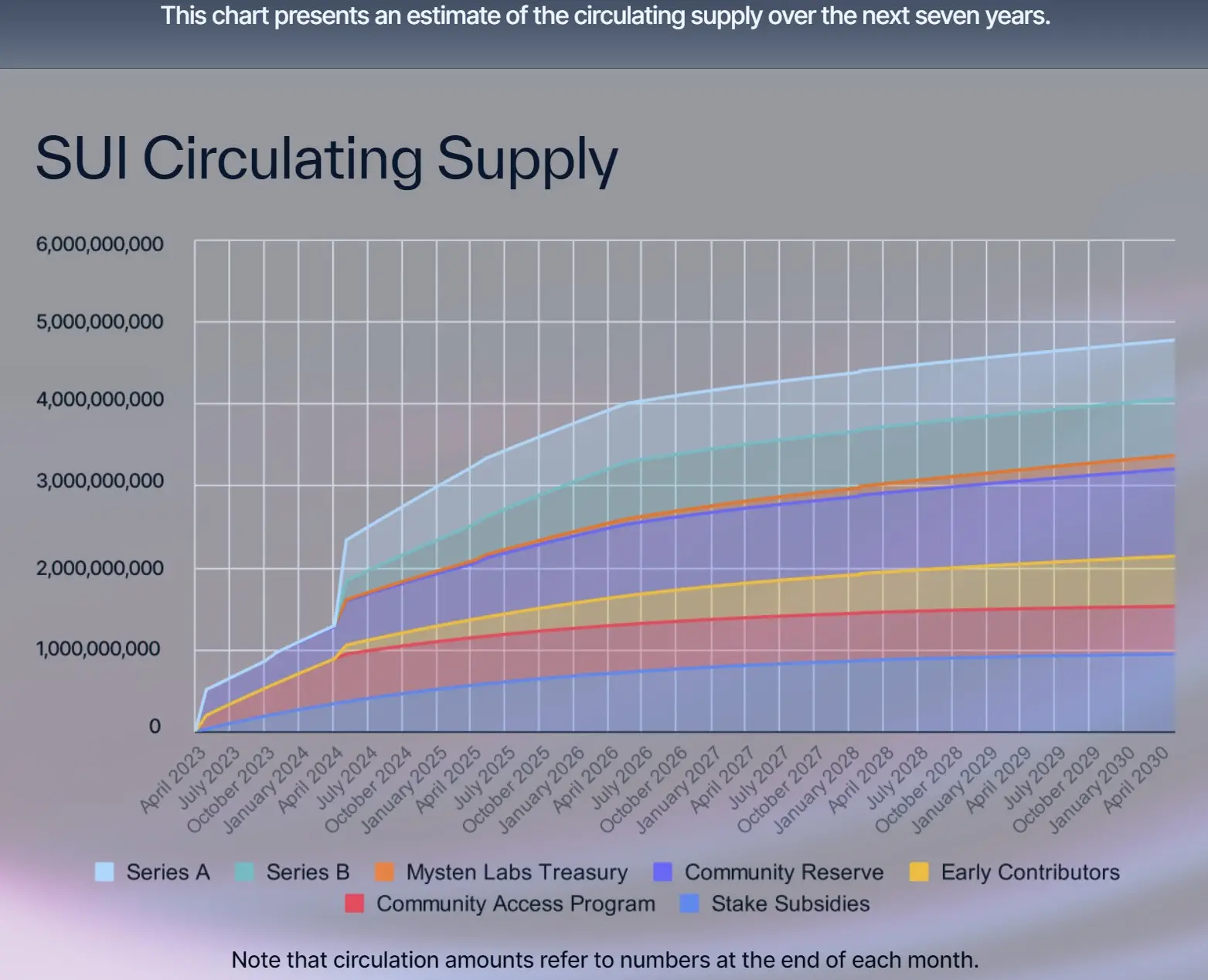
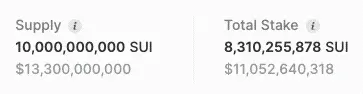
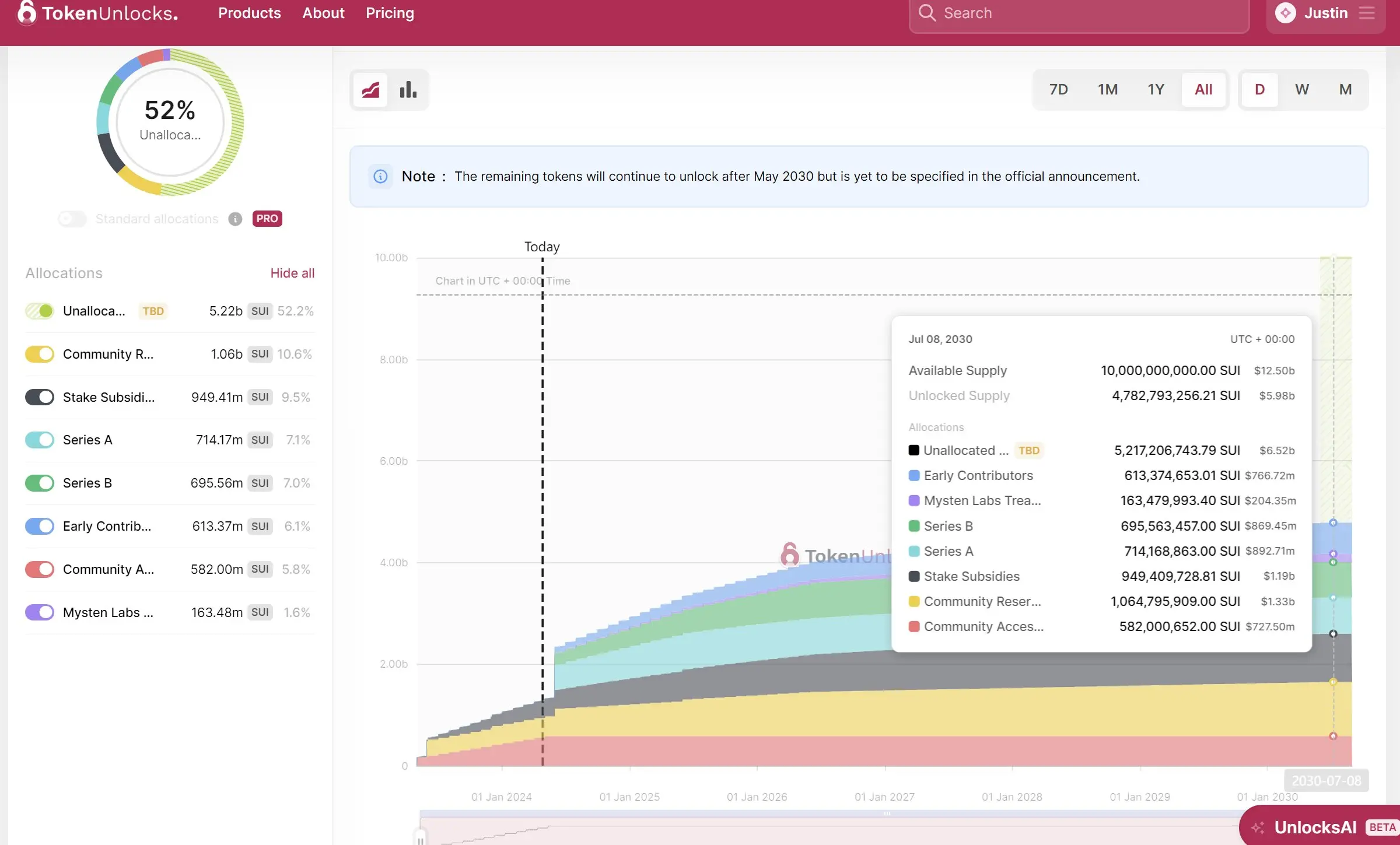
Sui's design is great, except for its token economics: SUI claims to have a total supply limit of 10 billion, with 52% being "unallocated" by 2030.
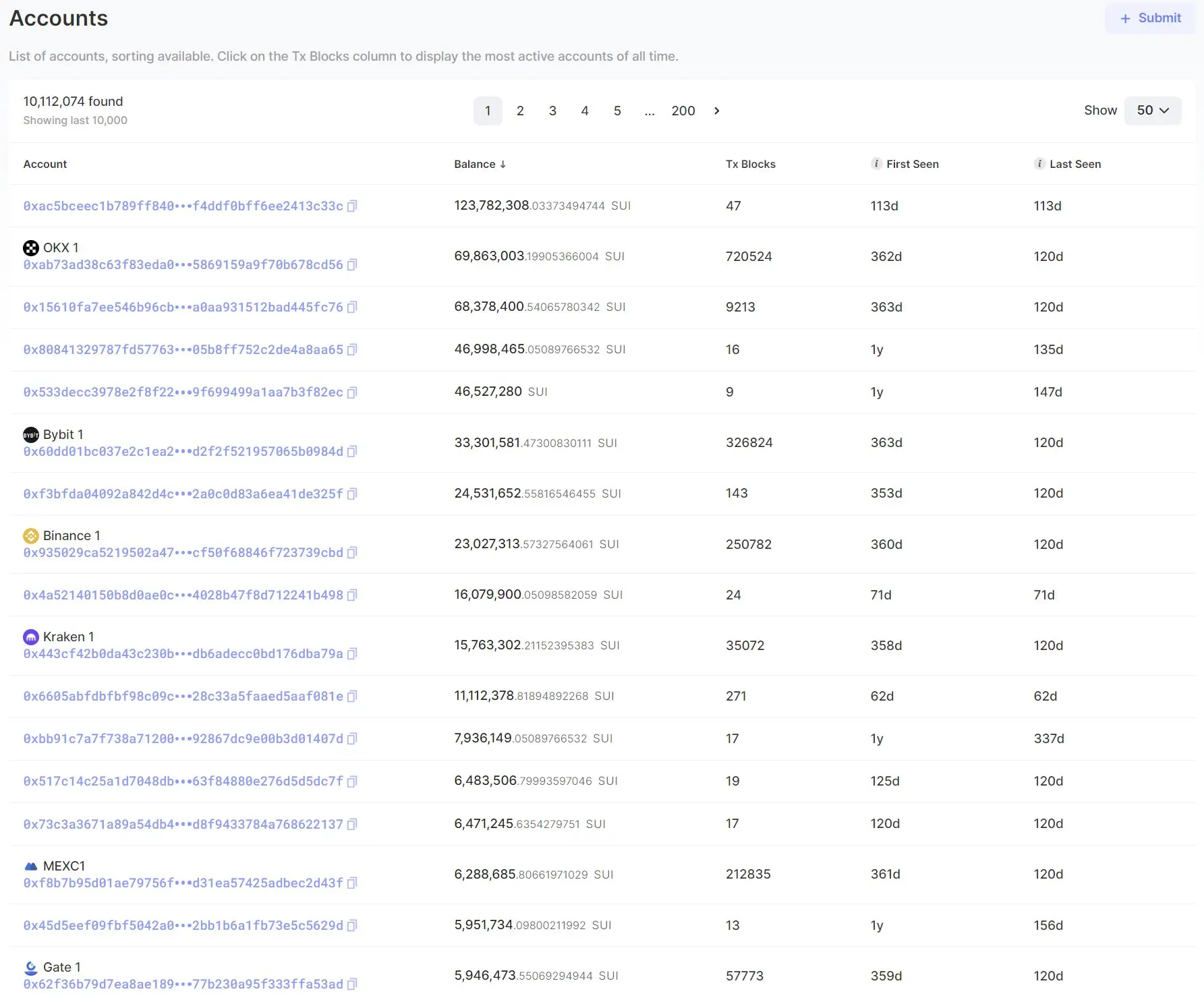
The problem is that currently, over 8 billion SUI tokens have been staked, and over 84% of the staked supply is held by the founding team. So, to some extent, SUI is undoubtedly centralized, with the founders controlling the majority of the supply, and with no lock-up period or legal guarantee.
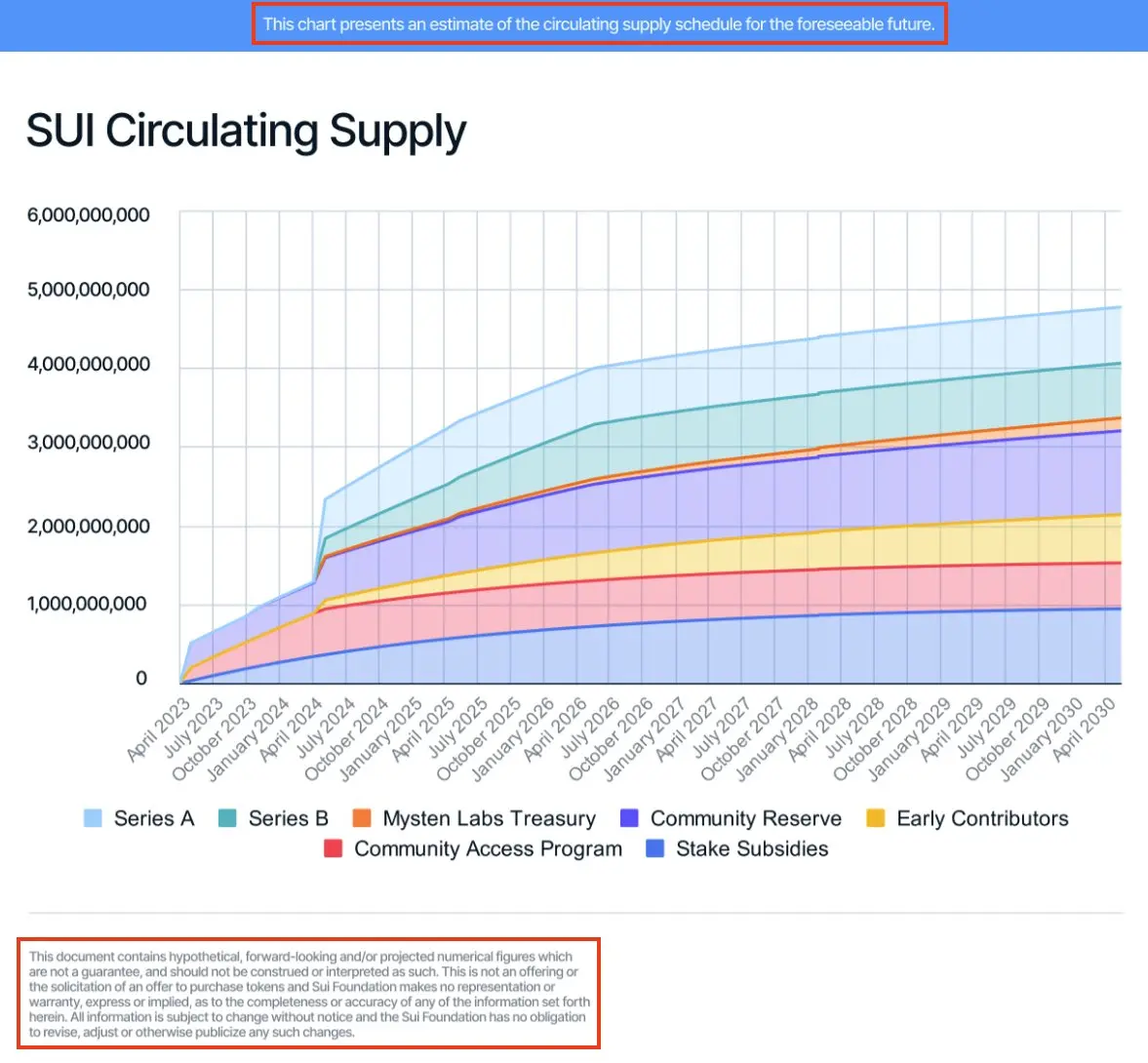
In other words, legal loopholes protect them, which is why the liquidity supply chart released by the Sui Foundation is a lie - this means that the so-called staked SUI tokens are not actually subject to any lock-up period!

All legal documents confirm this, as it allows the Sui team to do whatever they want with this portion of SUI at any time and place.
Given these facts, most of their communication is highly deceptive, showing a clear lack of disclosure, along with lies and unabashed greed.


We had previously requested SUI to disclose their addresses, but they refused. At the same time, they did reveal that these SUI tokens are held by custodians, specifically BitGo, Anchorage, and Coinbase Prime.
However, this implies that someone does have legal ownership of the entire "unallocated" SUI supply. These custodians must work with legal entities, just like the collaboration between Cyber Capital and BitGo.
In short, they do not enforce ownership periods, but rather enable centralized institutions to securely hold their cryptocurrencies, confusing the issue of centralization due to the use of multiple staking services.

This means that we don't even know if it's the foundation or the for-profit entity Mysten Labs that controls this portion of staked SUI, and it could even be some random individuals behind it - without further disclosure from the core team, we really can't know the details.
For a project that has raised over 330 million USD, this is completely unacceptable.
Furthermore, out of the total supply of 10 billion, 160 million was allocated to the for-profit entity Mysten Labs, 600 million was allocated to "early contributors," and nearly 1.5 billion went directly to venture capital firms…
In addition to over 1 billion in "staking subsidies" - these subsidies will ultimately return to the founding team, as they effectively control the majority of the staked shares.

Meanwhile, SUI has not conducted a public sale at all (i.e., 100% pre-mined), which has been a trend in cryptocurrency economics in recent years, and SUI is one of the worst examples, especially considering the "unallocated" portion of the supply.
This is the reason I wrote this article - we must raise the standards for the entire industry's benefit, as describing Sui's token distribution as "excessive" is an understatement.
So far, Sui still refuses to disclose information about the majority of its token supply, which poses a very high risk for us, as the leadership of Sui actually controls network consensus.
They can not only manipulate consensus, but also, if they decide to sell off, they can cause the entire market to collapse overnight. However, from a game theory perspective, they are more likely to choose to gradually sell off to slowly drain the interests of retail investors.
This may explain why SUI has a "supply limit," but it is clearly not a project focused on the future.
Since I'm already criticizing, I might as well propose a solution: simply destroy the "unallocated" SUI supply:
This is a radical solution, equivalent to destroying more than half of the supply, worth over 1 billion USD, which sounds crazy, but it would also release incredibly positive signals!
Another solution is to transfer control of this portion of the supply to a treasury address controlled by the Sui on-chain governance system, as this funding can still be used to bring more competitive advantages to Sui.
Sui's technology itself has great potential, with its object-oriented model allowing for more control and local sharding; for the state bloat problem, Sui has also proposed a novel solution - as objects need to be locked with SUI by users, when objects are destroyed, SUI will be released, combining parallel processing to achieve high scalability.
In the cryptocurrency field, very few things are absolute, nothing is perfect, Sui is a permissionless public blockchain with a predatory token distribution, a mix of good and bad, and it's shocking that SUI's token distribution makes SOL look like a saint, and ETH like an angel.
Faced with such a situation, we are inevitably conflicted. However, SUI still has the opportunity to take the right path, they just need to give up control of the "unallocated" supply and destroy them!
免责声明:本文章仅代表作者个人观点,不代表本平台的立场和观点。本文章仅供信息分享,不构成对任何人的任何投资建议。用户与作者之间的任何争议,与本平台无关。如网页中刊载的文章或图片涉及侵权,请提供相关的权利证明和身份证明发送邮件到support@aicoin.com,本平台相关工作人员将会进行核查。