Another traditional financial giant has entered the Web3 world. Can it create an industry legend?

CN
PANews
Follow
1 year ago

After six years of hiatus, payment giant Stripe has decided to re-enter the cryptocurrency payment field, initially supporting the USDC stablecoin based on Solana, Ethereum, and Polygon. This change marks the first time Stripe has re-accepted cryptocurrency since stopping support for crypto payments in 2018 due to excessive Bitcoin price volatility.

In 2022, Stripe attempted to re-enter the crypto market by supporting USDC for spending payments, although it did not directly accept payments at that time, some major clients began using this service. This update decision demonstrates Stripe's continued commitment to exploring and adapting to the ever-changing digital payment environment. Below, we will explore the past and present of Stripe.

Getting to Know Stripe: A Global Payment Giant Providing Ultimate Transfer Experience for Users

As a global fintech giant, Stripe is not just a payment service provider; it has rebuilt the financial infrastructure of the internet. Through a series of modular solutions, Stripe powers business activities from small startups to multinational corporations, both online and offline. With its fully integrated suite of payment and financial products, Stripe has globalized payment processes and empowered the development and innovation of various business models.

Stripe's payment services not only improve authorization rates and checkout conversion rates but also meet specific market needs with diverse local payment channels. Its service portfolio includes automated tax handling tools, fraud prevention systems, and customized offline payment terminal solutions for merchants. In terms of billing, Stripe optimizes the management of recurring revenue and reduces customer churn rate and improves financial operations efficiency through its invoicing system and revenue recognition tools.

Another Traditional Financial Giant Enters the Web3 World, Can It Create an Industry Myth?

Stripe Connect integrates payment functionality into customers' platforms, bringing end-to-end payment experiences to transaction markets, including instant payment disbursement and personalized payment interfaces. Stripe's banking-as-a-service products, such as issuing and managing business cards, provide flexible financing options without additional setup fees.

Globally, the convenience of fund transfer by Stripe rivals that of data circulation, with its extensive network processing billions of dollars in transactions annually. Stripe's developer-friendly features are reflected in its powerful API, which simplifies gateways and payment tracks in the global economy, enabling development teams to efficiently build all required business functions on one platform.

Twists and Turns, Continuous Challenges: Reviewing Stripe's 6-Year Journey into the Crypto Asset World

Six years later, Stripe has once again entered the world of cryptocurrency, this time by accepting the USDC stablecoin as a first step. However, this is not Stripe's first foray into the cryptocurrency field. Looking back at history, we can see the connection and differences between Stripe's early attempts with cryptocurrencies and its current development.

In 2014, Stripe first ventured into the cryptocurrency field, beginning tests with Bitcoin. At that time, partners pointed out, "Due to the nature of Bitcoin, Stripe's support is crucial: it does not possess all the characteristics expected of traditional currency." This marked Stripe's recognition and exploration of the potential of cryptocurrencies.

However, by 2018, Stripe discontinued support for all cryptocurrencies, calling them "very good but unstable." The company previously stated, "Over the past two years, as the scale of the blockchain has been limited, Bitcoin has evolved into an asset rather than a means of exchange." This decision indicated Stripe's lack of trust in Bitcoin payments and reflected its views on the future development of cryptocurrencies.

However, in 2022, Stripe once again attracted attention. It not only partnered with the Ethereum scaling solution Polygon but also attempted to accept cryptocurrency payments on Twitter, initially supporting USDC on Polygon. This is a renewed attempt at cryptocurrency payments and part of Stripe's ongoing development to adapt to the ever-changing payment market.

Another Traditional Financial Giant Enters the Web3 World, Can It Create an Industry Myth?

In 2022, Stripe further solidified its position in the cryptocurrency field. It announced support for fiat payments of cryptocurrencies and NFTs and partnered with FTX, FTX US, Blockchain.com, Nifty Gateway, and Just Mining to launch a suite of crypto business solutions. This not only provides enterprises with a new interface for accepting fiat payments for cryptocurrencies but also offers comprehensive support for digital wallets, KYC solutions, and fraudulent transaction detection.

Time flies, and in 2024, Stripe once again leads the trend in the cryptocurrency circle. It began accepting USDC stablecoin payments, providing users with a more convenient, fast, and stable payment option. This move has driven a significant decision for Stripe in cryptocurrency payments and reflects its confidence and expectations for the future of cryptocurrencies.

Stripe's cryptocurrency journey has been full of twists and turns, as well as challenges and opportunities. From the initial attempt with Bitcoin to the acceptance of USDC, Stripe continues to explore and innovate, committed to providing users with a better payment experience. As the cryptocurrency market continues to evolve, we can expect Stripe to bring more surprises and possibilities to the cryptocurrency payment field in the future.

Web3 Financial Business Will Enter a Steady State, Stripe's Future Outlook Is Worth Watching

After experiencing a series of challenges, it is now time to use Stripe's post-crisis life. Once praised as a Silicon Valley unicorn, it experienced explosive physical and growth waves during the pandemic, but also faced some difficulties in adversity and management compared to its performance. However, judging the future direction of Stripe is not easy, as the company still has many strengths and potential, but also faces unprecedented challenges.

First, Stripe has a strong position and influence in the global payment field, and its product updates and innovation capabilities keep it at the forefront of the industry. For example, by introducing new payment method choices and payment rule engines, Stripe provides users with more flexible payment solutions, further expanding its market. In addition, Stripe Connect's embedded payments and financial services provide users with more customized options and tools, further enhancing its competitive advantage.

Another Traditional Financial Giant Enters the Web3 World, Can It Create an Industry Myth?

However, Stripe faced some challenges last year. Over-expansion and management mistakes led to deteriorating financial conditions and increased employee turnover, casting doubt on the company's valuation. In addition, facing a tepid response from the capital market, Stripe postponed its plans to go public, further increasing its future uncertainty.

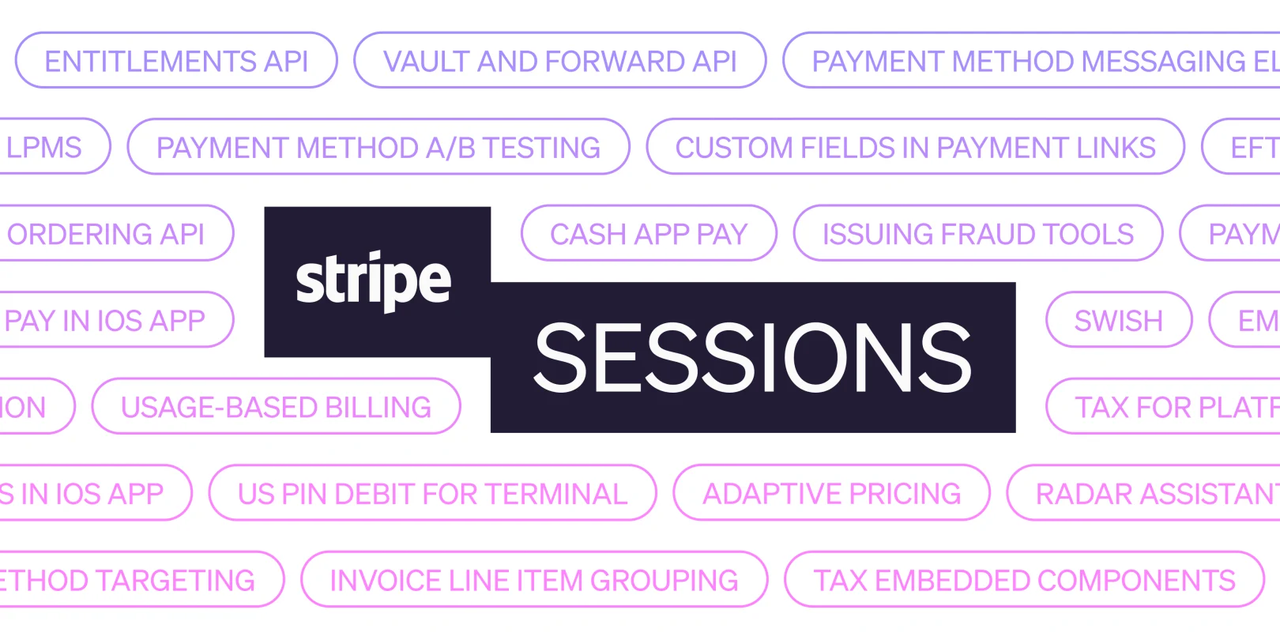
At its 2024 annual conference, Stripe shared a series of important product updates covering global payments, embedded finance and payment finance, as well as embedded finance and payment revenue and automation. However, whether its post-crisis life can be fulfilled remains unknown.

免责声明:本文章仅代表作者个人观点,不代表本平台的立场和观点。本文章仅供信息分享,不构成对任何人的任何投资建议。用户与作者之间的任何争议,与本平台无关。如网页中刊载的文章或图片涉及侵权,请提供相关的权利证明和身份证明发送邮件到support@aicoin.com,本平台相关工作人员将会进行核查。

Share To
APP

X

Telegram

Facebook

Reddit

CopyLink