Cointelegraph recently reported on the strategic cooperation between the Web3 banking protocol Fiat24 and the Safepal DApp wallet: Fiat24 has introduced an in-DApp Web3 banking gateway and a virtual encrypted payment Visa card for the Safepal DApp wallet to enhance the usability of the DApp wallet and further bridge the interaction with the real world.
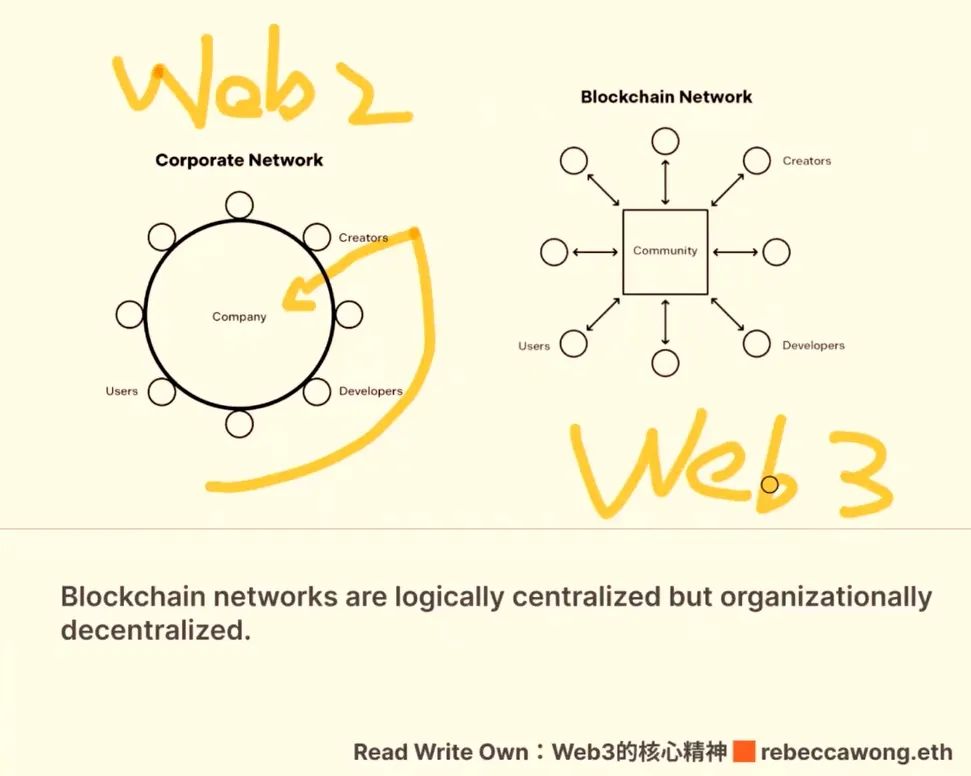
Combining our previous research article "Fiat24: Web3 Banking Built on Blockchain," it can be seen that the fiat protocol layer (Fiat Layer Protocol) built by the Web3 banking protocol is playing an active role in the Blockchain Network:
- After moving banking business logic onto the chain, the protocol layer can seamlessly connect with DApp/DeFi;
- It brings Web3 on-chain banking services based on U standard to users;
- It brings innovative logic for fiat business to DApp/DeFi.
This article will first introduce the strategic cooperation between Fiat24 and Safepal, and then further explain how the Web3 banking protocol opens up endless imagination for DeFi Lego games.

(Singaporean fintech launches USDC-powered Visa card with Swiss bank Fiat24)
I. Seamless Integration with Safepal DApp Wallet
On March 8th, Safepal DApp wallet, strategically invested by Binance Labs, has integrated Fiat24 as its default fiat protocol layer. Users of the Safepal wallet can create an Arbitrum-based Fiat24 on-chain bank account through the in-DApp Web3 online banking gateway, achieving:
- On-chain banking services based on the U standard, with self-custody accounts, and all related transactions securely and transparently recorded on the chain;
- Deposits and withdrawals of encrypted assets Crypto and fiat currency Fiat within the wallet;
- Fiat24 on-chain bank account and real bank account fiat currency transfers and remittances, as well as fiat currency exchange for Euro/USD;
- After integrating the virtual encrypted payment Visa card, seamless consumption and payment in the real world using encrypted assets.
(https://www.safepal.com/en/bank)
Veronica Wong, founder & CEO of Safepal, stated: "After creating a Fiat24 on-chain bank account in the SafePal wallet, users can exchange any encrypted assets in the wallet into USDC and deposit them into the Fiat24 on-chain bank account. The virtual encrypted payment Visa card can also be linked to third-party payments such as Paypal, Google Pay, Apple Pay, and Samsung Pay, enhancing user payment convenience."
II. Web3 Banking Protocol Fiat24
Fiat24 is a Swiss financial technology company licensed by the Swiss Financial Market Supervisory Authority (FINMA). It has launched the first banking logic completely built on the public blockchain (Arbitrum), a Web3 banking protocol completely driven by smart contracts, creating an on-chain bank account for users and providing a series of Web3 banking services such as deposits, encrypted consumption payments, savings, transfers, and currency exchange.
(Temperature Check - [Issue a Visa Card with Uniswap Logo ])
Fiat24 can be imagined as the fiat protocol layer for DApp/DeFi (Additional Fiat Layer for DApps). In the fiat protocol layer, Fiat24 allows users who have completed KYC to create on-chain bank accounts (Cash Account), which can integrate Web3 payment services, enabling users to directly carry out deposits and encrypted consumption payments through the on-chain bank account. Additionally, leveraging the financial technology license, the on-chain bank account can be directly connected to the Swiss National Bank, the European Central Bank, and the VISA payment network, enabling traditional banking services such as savings, currency exchange, and merchant settlements.
Fiat24 moves the core banking operations logic (Core Banking System) onto the chain, representing a perfect practice of Fintech innovation on the blockchain, maximizing the integration of decentralized ledger technology while enhancing convenience and security, avoiding the risk of single point of failure.
What's even more valuable is that this innovative approach has gained recognition from Swiss regulators. Based on the Technology Neutral regulatory principle, Swiss regulators ensure that Fintech companies can boldly innovate in technology while meeting the basic business functions. As a result, Fiat24 not only achieves bank ledger accounting through the blockchain, but also implements on-chain user identity KYC through NFT to meet anti-money laundering requirements.
Fiat24's blockchain banking architecture seamlessly integrates traditional banking financial services with Web3 blockchain innovation, gaining favor from numerous top-tier capital sources, and has also been awarded the 2022 Best Emerging Bank (Neobanks & Specialized Players) by Qorus and Accenture.
(Qorus and Accenture Announce Winners of 2022 Banking Innovation Awards)
III. Bringing Innovative Logic for Fiat Business to DApp/DeFi
Fiat24's previous innovation lies in moving banking logic onto the chain and gaining recognition from Swiss regulators. Subsequently, Fiat24's innovation lies in opening up new fiat business logic for DApp/DeFi.
Due to the limitations of the Fintech license, Fiat24 cannot engage in lending business and can only conduct deposit-taking and payment services. However, these limitations actually bring significant advantages to Fiat24, which adopts the Web3 banking architecture:
A. Global issuance payments based on Debit Card. Credit Cards essentially involve lending, and due to the restrictions of Fiat24's license and the enormous pressure of default collection, they are generally limited to fixed geographical areas. On the other hand, rechargeable payment Debit Cards can achieve global network issuance payments and do not have default issues.
For users who wish to use encrypted assets for daily use, Fiat24's revolutionary ability to provide deposit and encrypted payment solutions for DApp/DeFi is a new innovation for the traditional payment system.
B. Seamless Integration with DApp/DeFi. Due to licensing restrictions, Fiat24 cannot engage in lending business, but this does not prevent the Fiat24 banking protocol itself (Fiat Layer Protocol) from freely integrating with DApp/DeFi and implementing on-chain lending business through DeFi smart contracts.
The key point here is: as a protocol, it can bring fiat business logic to DeFi. Taking the most common financial activities as an example:
Collateralized lending: Bob provides encrypted assets ETH as collateral to borrow stablecoins on a DeFi platform. The DeFi protocol can directly call the Fiat24 banking protocol to lend USD fiat currency.
Investment/staking for interest: Alice provides encrypted assets ETH for staking and earning interest. The DeFi protocol can directly call the Fiat24 banking protocol to distribute fiat currency interest-bearing assets. Can this really be a win without effort?
Investment management: Will provides encrypted assets ETH to directly invest in the tokenized securities of the DeFi protocol Coinbase. Then, the DeFi protocol can directly call the Fiat24 banking protocol to use fiat currency to buy stocks on Nasdaq.
(X@Fiat24)
The inclusion of fiat logic in the imagination space of DeFi can be significant! Similarly, the ability of the protocol itself (Fiat Layer Protocol) to freely integrate with DApp/DeFi can help Fiat24 smoothly integrate into the Blockchain Network and bring tremendous ecological value.
Imagine, a centralized Metamask wallet integrating with a centralized deposit and withdrawal service like Moonpay. How many contracts need to be signed, how many department discussions need to take place, how many leadership signatures are required? Now imagine how a centralized deposit and withdrawal service like Moonpay can sign contracts with decentralized DeFi protocols. DeFi protocols do not have legal entities, they do not have official seals.
But there are no obstacles between the Fiat24 banking protocol and DeFi protocols, no friction, just by one Click!
No one is legally bound, but they come together to play the Lego game through smart contracts, which is the essence of Web3.
IV. Conclusion
There are currently two waves of people working on Web3 Banking/Payment businesses. One wave consists of traditional cross-border payment professionals who still follow the traditional cross-border payment approach, with Crypto being just another currency. They earn money through channel fees, membership fees, and subscription fees, and they are in the business of cash flow. The other wave consists of Web3 Native individuals who are less likely to focus on cash flow business, but are more inclined to directly use blockchain to transform the old system, unleash new vitality, and embrace community ecosystems, and engage in activities related to Blockchain Network, focusing on ecosystem business.
We do not know who will have the last laugh, but I am willing to believe in, participate in, and create the transformative power of Blockchain Network!

免责声明:本文章仅代表作者个人观点,不代表本平台的立场和观点。本文章仅供信息分享,不构成对任何人的任何投资建议。用户与作者之间的任何争议,与本平台无关。如网页中刊载的文章或图片涉及侵权,请提供相关的权利证明和身份证明发送邮件到support@aicoin.com,本平台相关工作人员将会进行核查。