


a16z|11月 23, 2026 15:32
OpenAI is building tools to help scientists find insights in datasets too large for humans to fully explore. In one collaboration, 2,000 AI agents uncovered patterns in eight million cells that months of human analysis had missed.
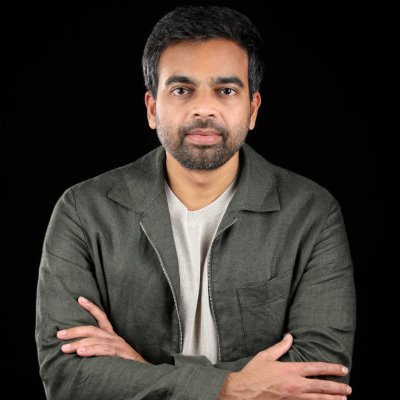
OpenAI recently acquired Orchestra Bio, which Ashoka Rajendra cofounded to help scientists manage drug discovery and development. Together with OpenAI's Joy Jiao, he's working to bring a Codex-like experience to scientists.
Their view: AI could help researchers test more hypotheses, keep clinical trials on track, and even enable a single person to launch a biotech company with multiple drug programs.
Joy and Ashoka join a16z's Jay Rughani and Jorge Conde to discuss GPT-Rosalind, what makes biological data valuable, where startups can build alongside OpenAI, and more.
0:46 OpenAI's life sciences strategy
3:03 Why OpenAI bought Orchestra Bio
7:22 AI across the drug value chain
11:09 Infinite attention for biology data
14:28 2,000 agents vs 8 million cells
18:52 AI that pictures proteins in 3D
21:51 How agents keep trials from slipping
25:41 AI that fills clinical trials faster
29:46 Where pharma adopted AI fastest
35:37 Why manufacturing is ripe for AI
40:48 AI on both sides of insurance
43:34 The data OpenAI wishes existed
47:14 Advice for "data factory" founders
52:16 Where startups fit next to OpenAI
54:18 A 20-year diagnosis, solved by o3
59:00 Why prompts can't reveal bad intent
1:02:01 The rise of one-person biotechs
YouTube: https://youtu.be/RwYz8XhZiu0
@joyjiao12 @ashokaraj_ @JayRughani @JorgeCondeBio


 +3
Share To
Timeline
HotFlash
APP
X
Telegram
CopyLink