Abstract: 3.3% Core Inflation, Igniting Computational Power Reevaluation.
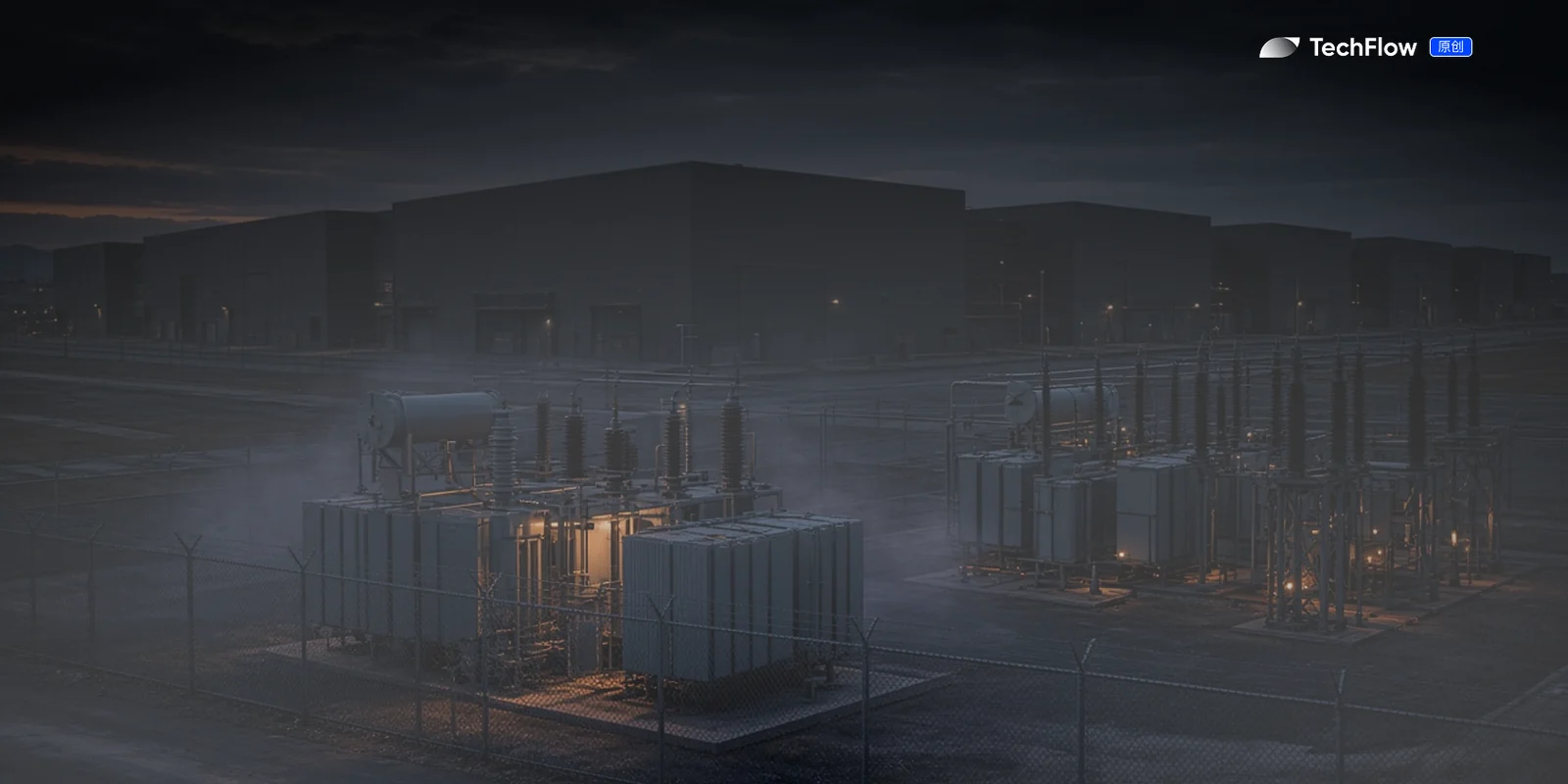
In the data center corridor of Northern Virginia, the grid connection date of a megawatt-level AI data center has been delayed by a full eighteen months, not due to chip shortages or bottlenecks in large model algorithms, but because several specialized large transformers in the substation are still waiting for copper wire and silicon steel sheets. The physical world does not care about Silicon Valley's doubling law of computational power.
Transformers in Line and 3.3% Core Inflation
In the data released by the U.S. Department of Commerce's Bureau of Economic Analysis (BEA) on November 25, the PCE price index rose to 3.8% year-on-year in October, with the core PCE, excluding food and energy, unexpectedly climbing to 3.3% (previous value 3.1%), far exceeding the Federal Reserve's 2% policy line.
When the micro data centers' anxiety over insufficient electricity collides with the macroeconomic prices’ overall rebound, the valuation model for tech stocks on Wall Street, which has operated for over a decade, begins to creak.
Those once hailed as "money printing machines," the light asset cloud giants, are now pouring most of their annual profits into concrete, liquid cooling pipelines, and GPU clusters that will become outdated in three years, with free cash flow rates visibly declining, even beginning to issue bonds in the market to raise money to build data centers. Borrowing to buy depreciating graphics cards used to be the kind of hard work only heavy asset manufacturing could manage.
Burning Money to Build Data Centers, How Did It Lead to Re-Inflation?
Many people tend to attribute this round of inflation rebound to energy fluctuations or the stickiness of service industry wages, while ignoring the fact that the AI arms race is creating an extremely stubborn "capital goods inflation."
In a race to light up massive clusters before their competitors, several tech giants have nearly monopolized the advanced packaging capacity of the world's top wafer fabs, pushing the prices of HBM high-bandwidth memory chips up, which in turn has driven up industrial electricity prices, gas turbine output, and even the cost of electrical infrastructure in certain areas of North America. This accounting will eventually transmit through the industry chain, leaving a clear mark in the upward curve of the October core PCE.
When upstream chip, electricity, and infrastructure prices are all rising, while hundreds of billions of dollars in capital expenditures reliably support economic investment growth, how could prices possibly obediently fall back to target lines?
The Federal Reserve is completely caught in the fire. As long as the fire of AI infrastructure is still burning, inflation remains sticky, and the target range for the federal funds rate can only be firmly nailed at the high level of 3.75% to 4%, or even increase further, any fantasy about easing will be ruthlessly shattered by reality.
From “Buying Graphics Cards with Closed Eyes” to “Who Really Makes Money”
When tightening expectations collide with massive capital spending, the tech sector in the U.S. stock market has entered the most brutal moment of differentiation.
Long-term U.S. Treasury yields have risen with the expectations of interest rate hikes, and the market immediately adjusted the discount rate for future cash flows, which for AI application companies and mid-tier software that have yet to achieve self-sufficiency and rely entirely on "future market dreams," is akin to pulling the ladder out from under their feet.
At the same time, the capital market's scrutiny of upstream computational hardware has also become harsh — once cloud vendors hint at a "slowdown in capital spending growth for next year" during earnings calls, the volatility of overvalued chip stocks will instantly amplify.
This is like a long gold rush; those selling shovels have made the first wave of quick money, and next, everyone will be watching to see who can dig out real gold and silver from the mines.
Capital is quietly relocating.
Some smart money is withdrawing from the crowded pure computational power concept stocks, with some flowing towards platforms that hold a vast array of enterprise clients and can directly integrate AI features into existing office software to raise prices, while another portion is simply taking a turn to invest in power equipment manufacturers and industrial enterprises that genuinely benefit from grid renovation and infrastructure expansion.
After the tide recedes, those left at the table will not be the loudest evangelists, but rather the hardest cash flow harvesters.
免责声明:本文章仅代表作者个人观点,不代表本平台的立场和观点。本文章仅供信息分享,不构成对任何人的任何投资建议。用户与作者之间的任何争议,与本平台无关。如网页中刊载的文章或图片涉及侵权,请提供相关的权利证明和身份证明发送邮件到[email protected],本平台相关工作人员将会进行核查。