After earning $1.5 million, how I personally lost it all: the fatal mistakes of crypto investing.
Written by: @tomit1n
Translated by: AididiaoJP, Foresight News
It is now 2 AM London time on November 15. Breakpoint is about to begin. This is the biggest annual industry conference for the Solana ecosystem, coming to London for the first time this year. But I am lying in bed, unable to sleep. BTC is around $62,000, and I can finally admit: the money I worked so hard to earn is all gone.
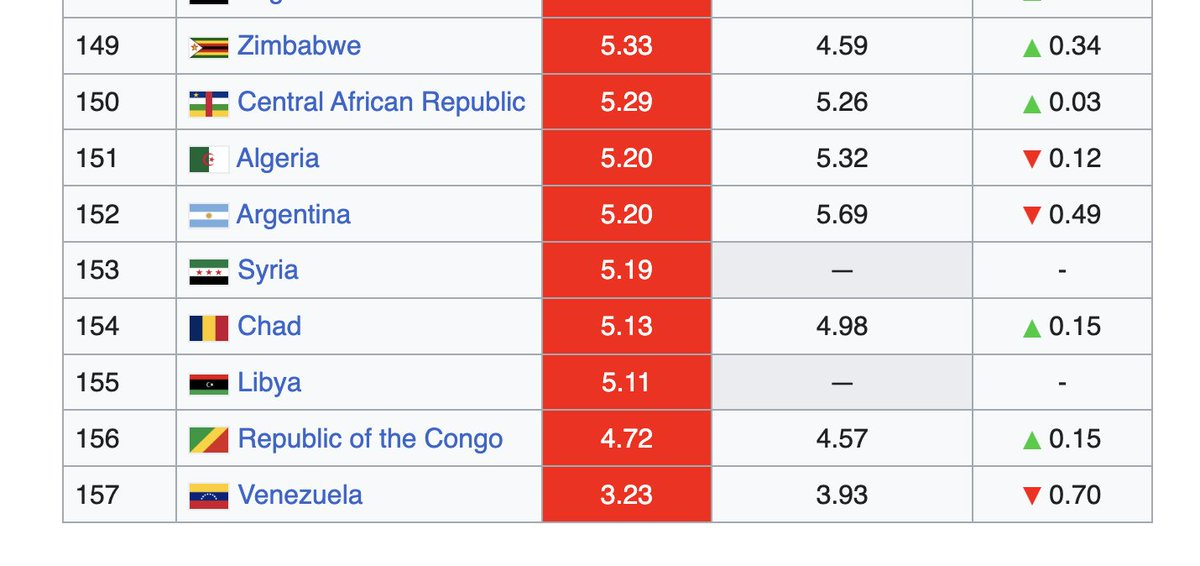
Let me clarify, this money did not just fall from the sky. Part of it came from work, and part came from investments. I come from a middle-low income family in Argentina, where I only kept enough for living expenses each month, spending almost everything else on investments. Argentina has long ranked low in economic freedom, even below some war-torn and dictatorship countries—though it is somewhat better now.
I have always thought of myself as a logical person. I enjoy analyzing data, finding patterns, and thinking outside the box. When I was 17 and still in high school, I found a job in software development. Reading books like "Rich Dad Poor Dad" and many self-improvement titles in my youth instilled in me a desire to do something that those around me had not done.
Bottom-Fishing During the Pandemic: Starting from $6,000
In 2020, during the pandemic crash, I was 19 years old. The consulting firm where I worked was in disarray: friends were losing projects one after another, travel and cruise companies were suffering heavy losses, and stocks were falling 20% daily with no end in sight. During lunch, while my colleagues were panicking, a thought crossed my mind: could this be a buying opportunity?
What did I do? What an "experienced" investor would do: I called my mom. We went to a brokerage and invested my entire savings of $6,000 into travel-related stocks.
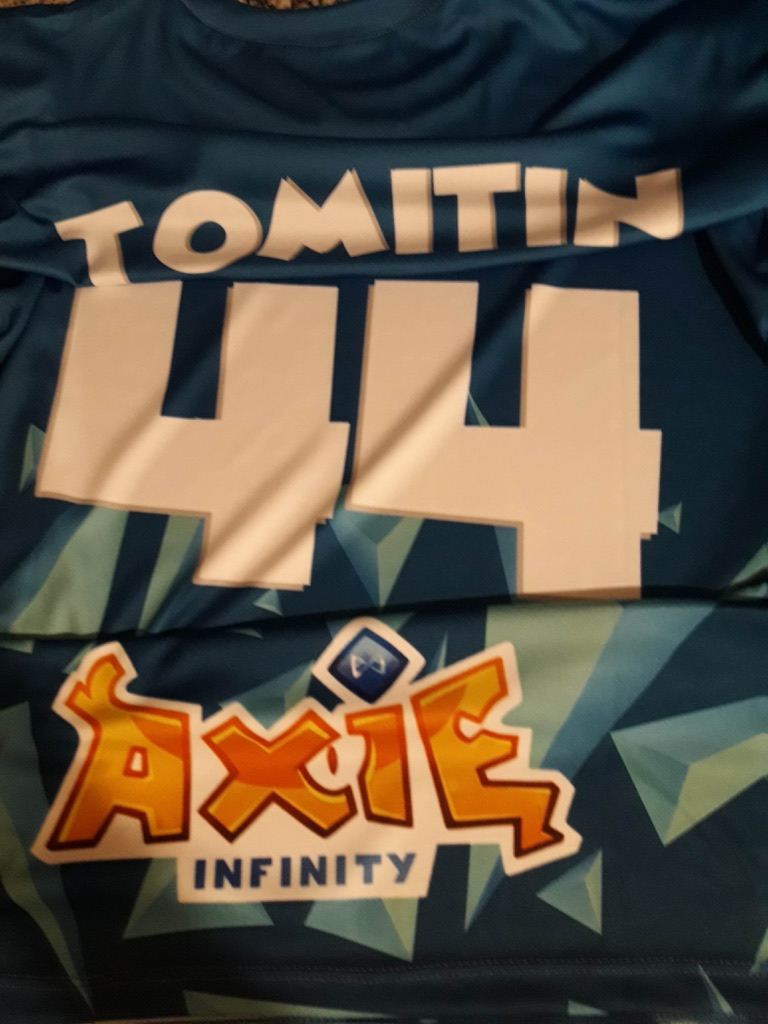
The money slowly increased, and my interest in investing grew. A year later, I had around $15,000 in my account. At that time, an NFT game called Axie Infinity was very popular, and I started researching Bitcoin, Ethereum, and the economic models of this game. In hindsight, I realize I had never read any serious investment or economics literature.
I went all in again. Not only did I invest money, but I also wrote a bot to monitor on-chain data and seize low-priced NFT listings. At its peak, I could earn $200 a day by arbitraging one Axie, and I did this more than once a day. I worked full-time for eight or nine months, bought several thousand dollars' worth of collectible Axies, participated in hackathon projects, and managed a guild of 400 people. I even became a chat room moderator and continuously interacted with well-known KOLs in this space.
Later, I found out that this was just a Ponzi scheme. Fortunately, through arbitraging with my bot, I basically broke even and exited in early 2022 with $15,000 and a lot of experience.
Fascinated by crypto, I started looking for jobs in the crypto industry. I didn't know anyone, and no one could refer me, so I could only write emails directly to the founders of various companies asking for jobs. Most emails went unanswered, but one company responded—Step Finance, a company that creates Solana portfolio trackers.
Entering the Solana Ecosystem: Salary Multiplied by 8, Saving Up to $100,000
Working at a crypto company was a different experience. In small companies, the teams are few, and you have to wear many hats; growth is rapid, and people listen when you speak, with transparency and less bureaucracy. The most tangible change was income; when I worked as an entry-level developer in Web2, my monthly salary was about $1,000 to $1,200; after moving to the crypto industry, my salary directly multiplied by eight. For someone from a third-world country, this income gap was almost unimaginable.
But I did not squander it. I lived at my mom's house, only leaving enough for living expenses while investing almost 95% of my salary into SOL, STEP, and USDC. Saving up to $100,000 was only a matter of time. During this period, I experienced the FTX collapse, SOL dropping to $8, the Terra crash, USDC losing its peg, and Ronin being hacked, but I still insisted on regular investments.
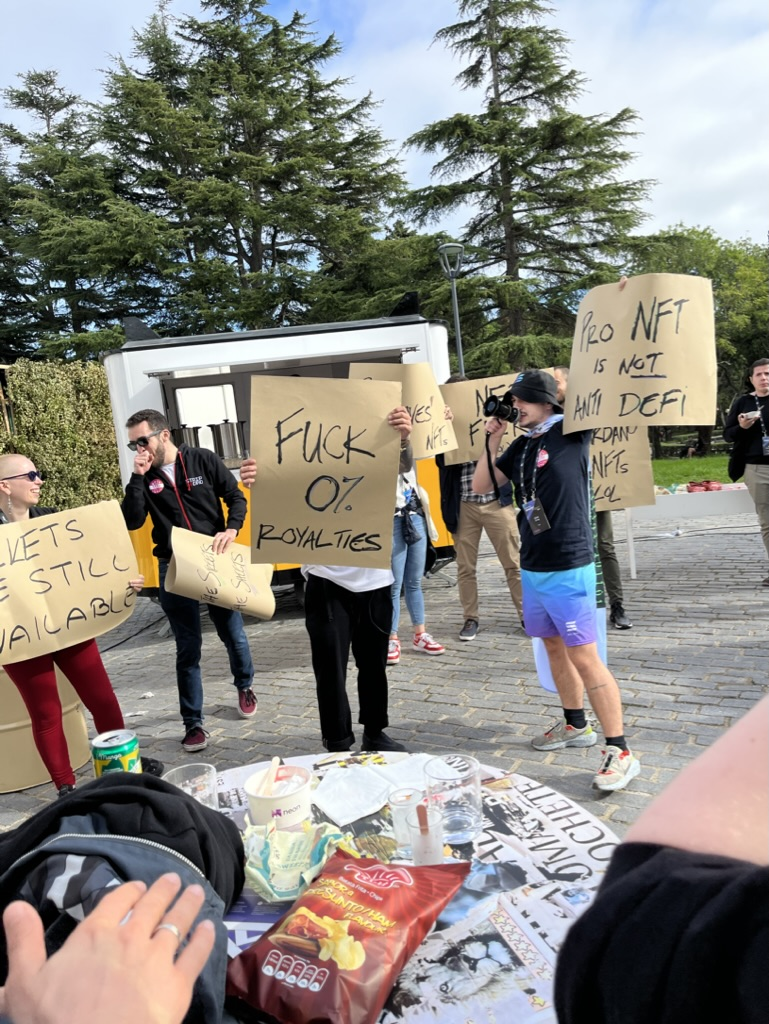
At the 2022 Breakpoint, FTX was still a sponsor, but it went bankrupt not long after. By then, I had read about 30 economics books and gained considerable understanding of Solana. A week before the Amsterdam Breakpoint, I was in Sweden, and my account first reached $100,000.
The method during this stage was very simple: learn, work, invest, repeat. My conclusion was to try to increase income and push up the salary ceiling in my chosen profession while minimizing costs and investing the remaining money. As long as you persist, even if the starting salary is low, reaching your goals is just a matter of time.
Betting on STEP: From $500,000 to $1.5 million
Then, things began to spiral out of control. I continued investing in STEP and SOL, with about 40% of my portfolio in SOL/STEP and 20% in USDC. I genuinely believed in the value behind these two tokens.
By 2024, I had about $250,000 in my account. FTX held 10% of STEP's supply and sold it to third parties; those people sold everything within days. During those days, I repeatedly analyzed the company and the treasury, which at the time had about $30 million. My conclusion was: the fundamentals had not changed; this was a forced seller causing a 10% supply shock, so it was worth betting on. Therefore, I bought in with all my funds after the price had plummeted by 90%, continuously investing downwards, but I didn’t completely catch the bottom.
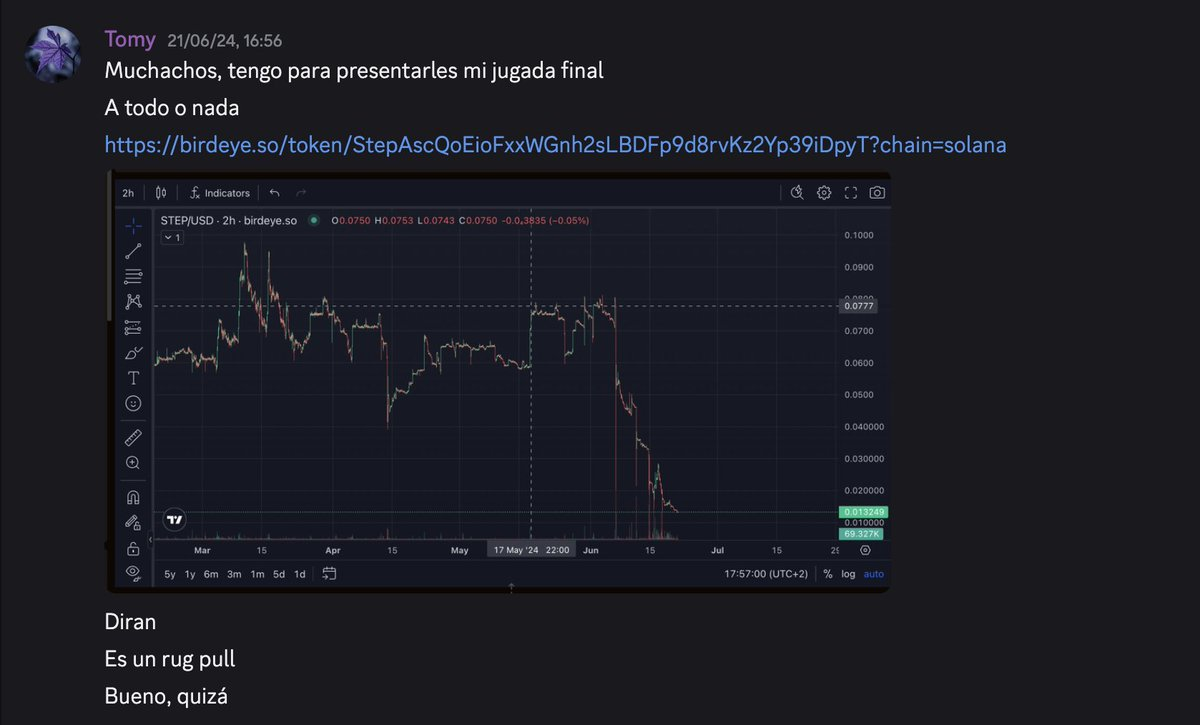
Months later, this bet paid off: the value of STEP reached $500,000. I learned what "conviction" means, but only when the fundamentals hold up, not blind belief. At that time, I was still an employee of the company, able to communicate with insiders, and thought I could see information that outsiders could not. I also traded very little, primarily doing regular investments, and I established a hard rule for myself: no leverage.
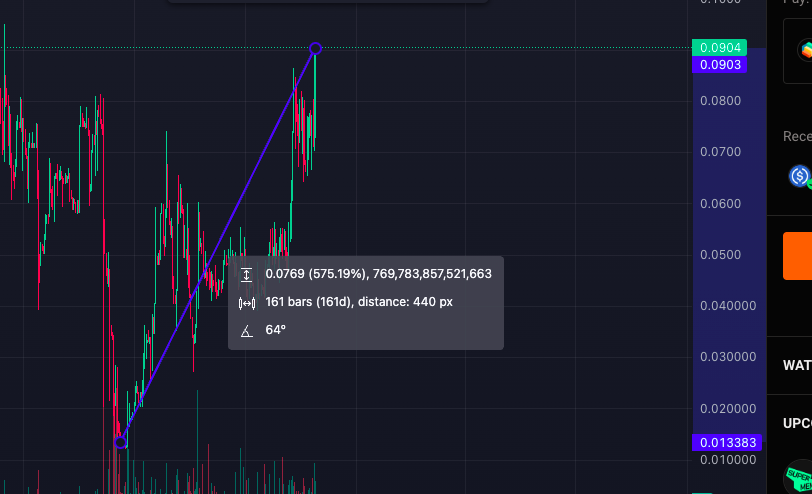
But another problem arose: I didn’t want to sell. Because if I sold, I might drive down the price and cause losses for friends holding STEP as well. Later, I came to understand the meaning of the "egg person" story—sometimes when you consider others, you end up trapping yourself.
Heartbreak, Drawdowns, and First Leverage
Even when my account reached $500,000, I still lived at my mom's house, trying to save money. By the end of 2024, I was 23 years old, having resigned from STEP to pursue my own endeavors. It was also during that time that I experienced my first romantic relationship. In the past, I had poured all my energy into work and investing, leaving no space for emotions. After falling in love, my priorities changed; my mind was filled with thoughts of her. She was sometimes passionate, sometimes elusive, but the occasional affection was enough to keep me revolving around her.
Munger once said, "Alcohol, women, and leverage." I later realized how costly that statement was.
In early 2025, Step acquired the tokenized stock company Remora. Step was the first and only company on Solana to do tokenized stocks. Once the news broke, the price of STEP doubled and continued to rise. I sold STEP worth between $200,000 and $300,000 and at one point my holdings reached $1.4 million, about 1.3% of the total supply of STEP. But I didn’t want to sell any more. Life was good; I had a beloved girlfriend and plenty of money; why change?
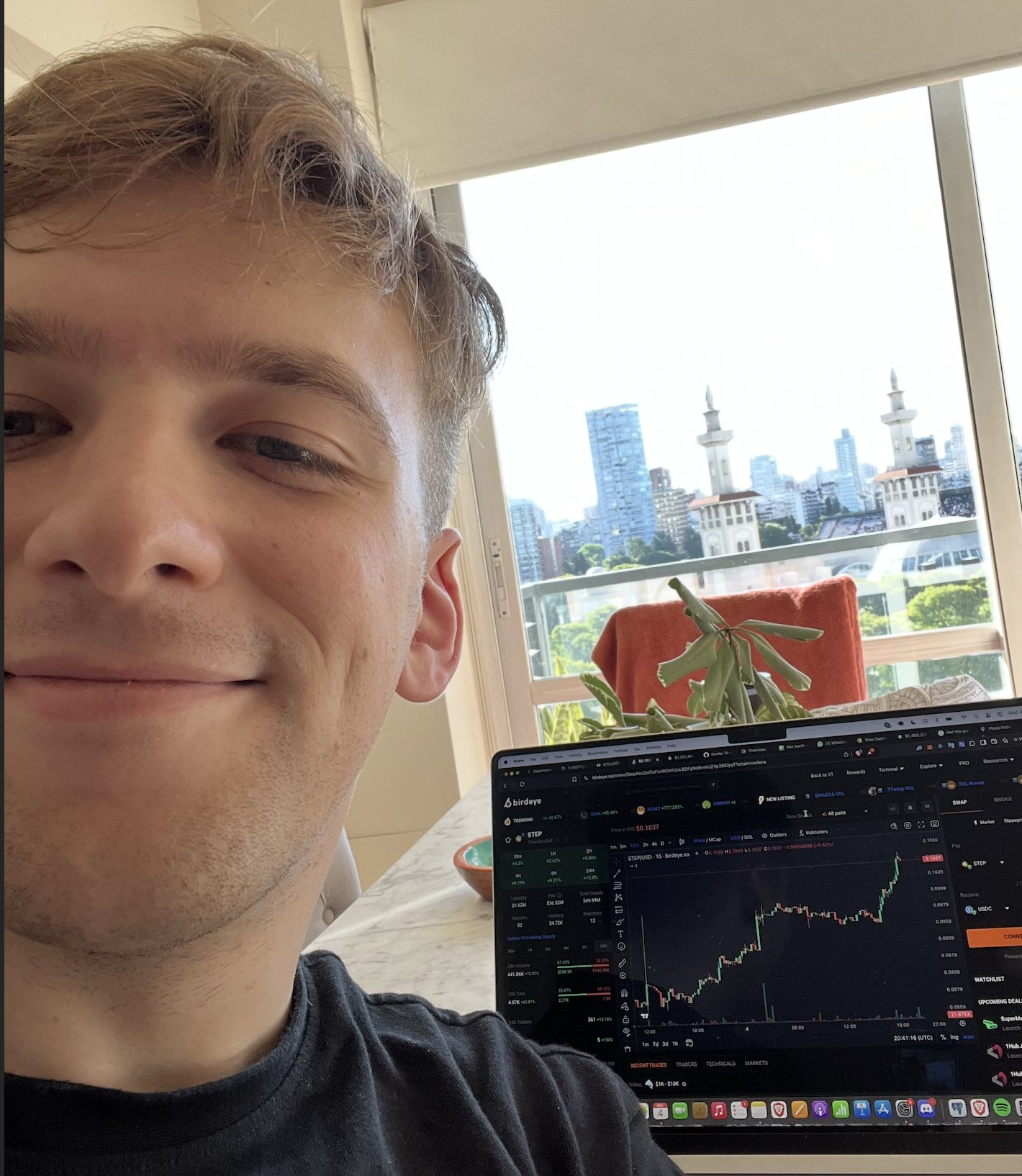
In March, my girlfriend suddenly left without a word. I fell into a severe depression. At the same time, Remora's launch failed; the team, mostly from Web2, did not understand the industry and over-promised. I was so heartbroken that I completely stopped monitoring the market. STEP retraced all its gains, dropping to $0.07. At least I still had about $250,000.
This $250,000 was originally meant for buying a house and locking in profits. I meant to remember, "Only when the tide goes out do you find out who has been swimming naked" and to diversify risk. But the greedy me wanted to make back my losses.
When SOL was declining, the market consensus was that it would rise to $500. I opened a leveraged long position near $230, somewhat like a revenge trade. In the end, it continued to fall. I kept adding USDC to push the liquidation price down and sold STEP, ultimately closing my position at $140, while SOL later dropped to around $95. This lost at least $250,000. Tariffs, the Iran war, and the macro chaos all hit at once.
That was the worst period of my life. I contemplated suicide multiple times, couldn’t sleep, and my self-esteem hit rock bottom; I wanted to do nothing. The account still had about $350,000 left, but most had returned to STEP, and I had nearly lost all my USDC. I knew I had missed a significant opportunity because my mind was not on the market. Years of focus slipped away in just a few months, and everything changed. After that, I could only sleep three to four hours a night, tormented by regret and self-blame. Poor sleep led to even worse judgment—a vicious cycle.
Later, I slowly converted STEP into USDC, but STEP continued to decline due to questionable decisions from the founder and poor leadership, while the crypto market weakened overall. In October, I had about $250,000 in my account, half in USDC and half in STEP.
Then, I set my sights on Raydium. I thought $2.8 was a good price, so on October 9, I opened a 1.2x leveraged long position. Note that I had long established a hard rule for myself: no leverage. But after losing money, I personally broke that rule. The next day I went to the countryside, with no internet. That $30,000, 1.2x leveraged long position got liquidated.
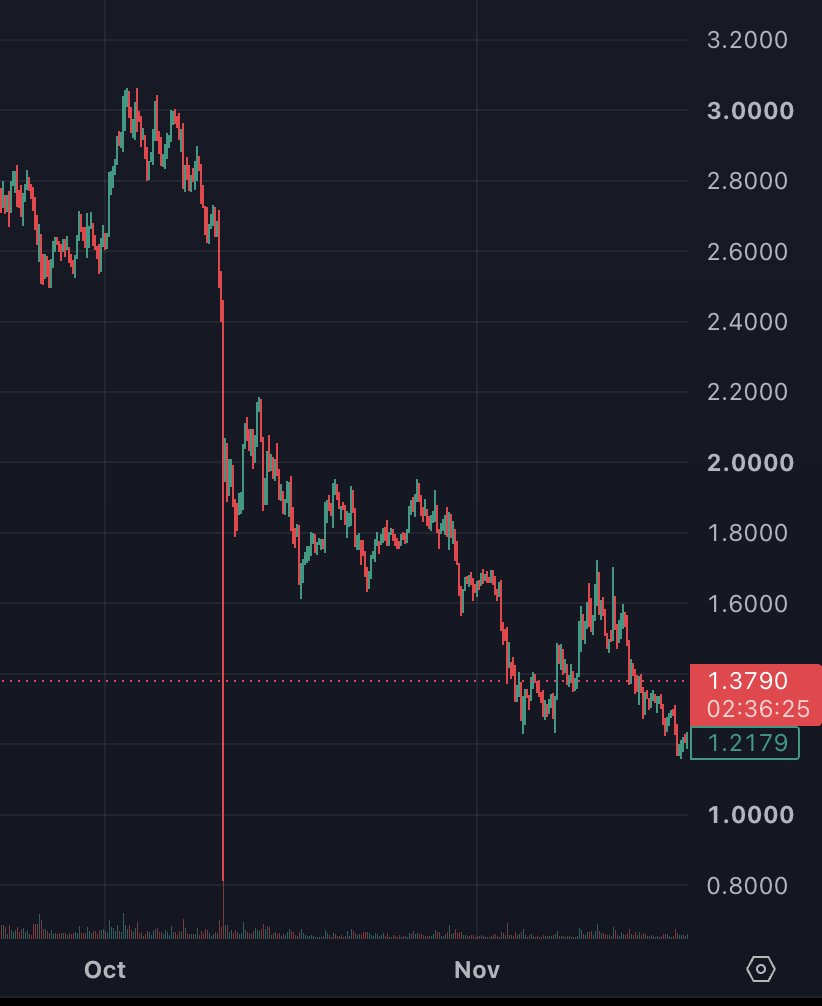
From then on, it was a massacre. I thought I could earn back my losses, but it kept falling. Step was later hacked for $50 million and had to shut down. Ironically, the only part that wasn't breached was the tokenized stock code that I wrote with another developer, which contained about $5 million. After that hack, I nearly lost all my STEP, leaving only USDC. Still believing "I can earn it back," I made mistake after mistake. The account fell from $120,000 to below $20,000.
Things I Learned
After having money, I found myself lacking the hunger to pursue more. Maybe that's a good thing. Money, luxury watches, and sports cars are all superficial things. Today you may be at the top; tomorrow, you never know what will happen.
I still believe in the core principles of crypto. So, a few months ago, I started GwanTrade to help investors avoid the mistakes I made—whether small or large. I want to provide facts, news, and fundamental information, rather than let people make decisions based on "feelings." I hate meme coins and have no interest in companies without real value. I want to change the perception of crypto as a casino and a harvesting ground, making it a place for wealth creation like the stock market. I have seen too many people, including those around me, lose their life savings.
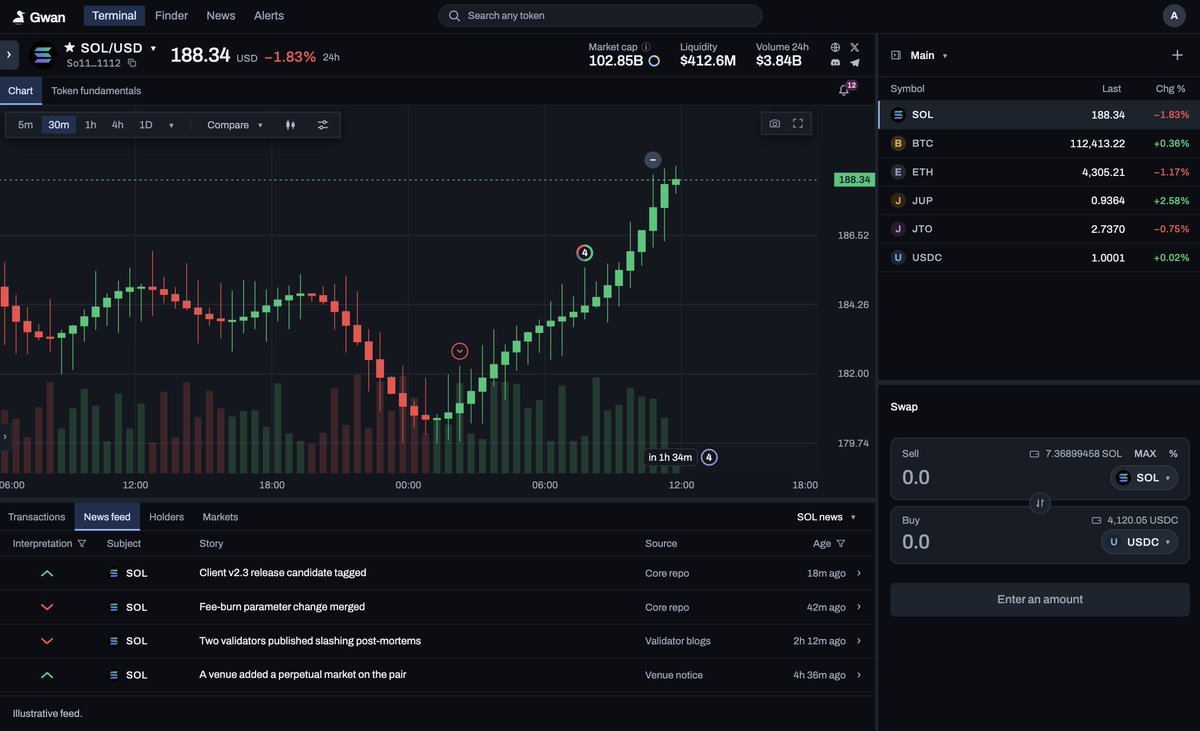
With the little money left, I invested in the things I believe in: coming to Breakpoint, going to IslandDAO in Florianópolis, just hoping someone would agree with my views on the future of crypto. The reality is, GwanTrade may never see the light of day. I have to return to full-time work, and the time I can invest daily will drop from 14 hours to 3-4 hours. But I won’t give up on this dream; it will just proceed at a much slower pace.
This was written at night, and it may not be the best writing. But at the conference, watching the crypto market plummet for no clear reason while the money I had left shrank, I finally wrote it down. There are many stories I omitted, such as sponsoring a young tennis player for two years and organizing crypto social events in Buenos Aires. Maybe I will tell more stories in the future.
免责声明:本文章仅代表作者个人观点,不代表本平台的立场和观点。本文章仅供信息分享,不构成对任何人的任何投资建议。用户与作者之间的任何争议,与本平台无关。如网页中刊载的文章或图片涉及侵权,请提供相关的权利证明和身份证明发送邮件到[email protected],本平台相关工作人员将会进行核查。


