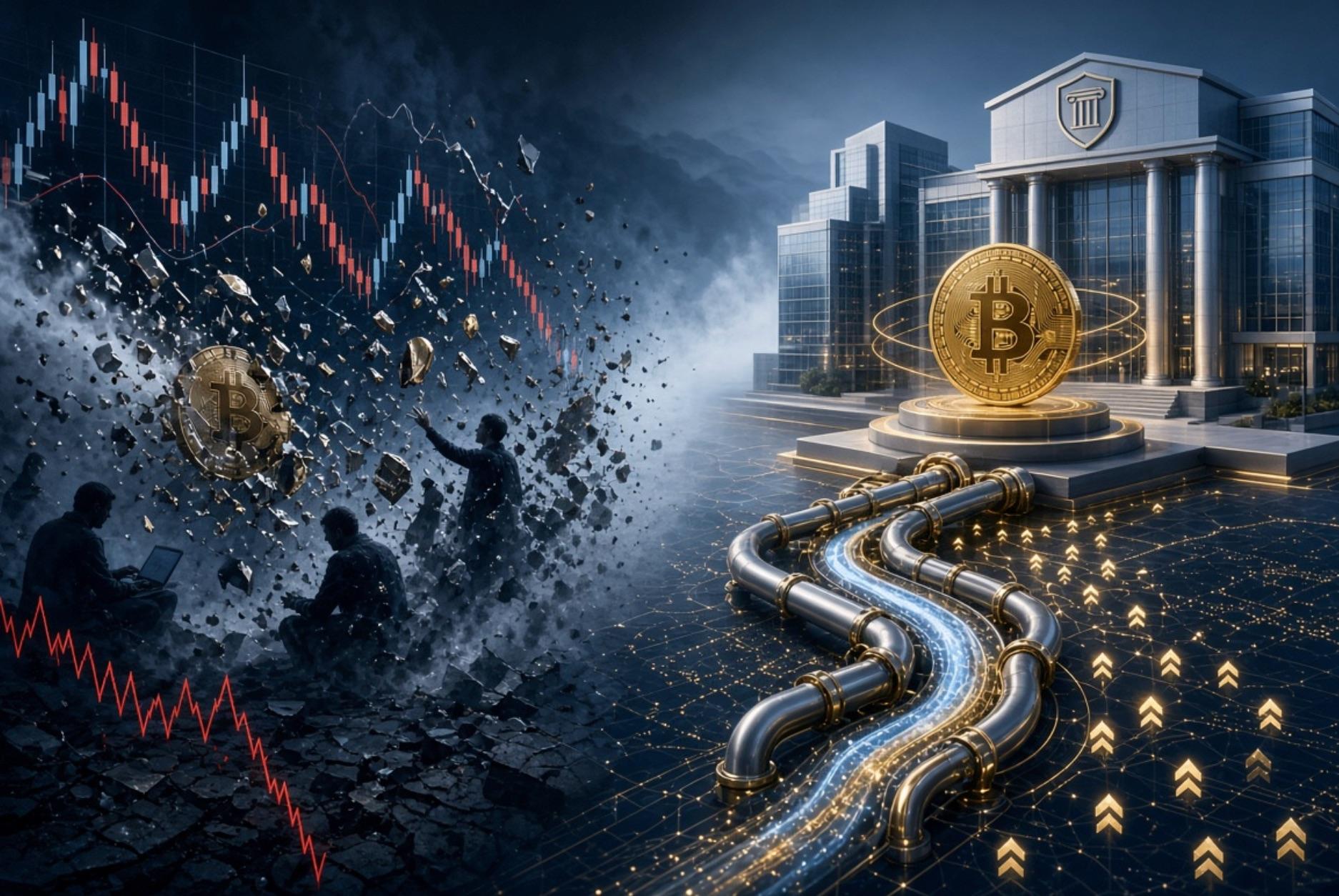
If you are just beginning to pay attention to the crypto market now, you may discover a very contradictory phenomenon:
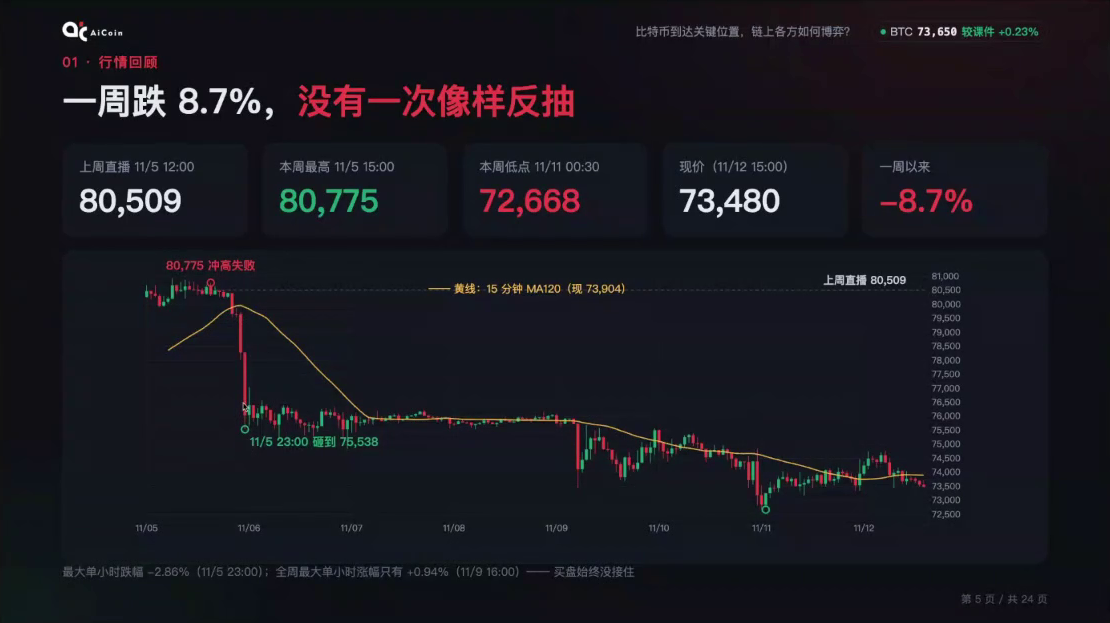
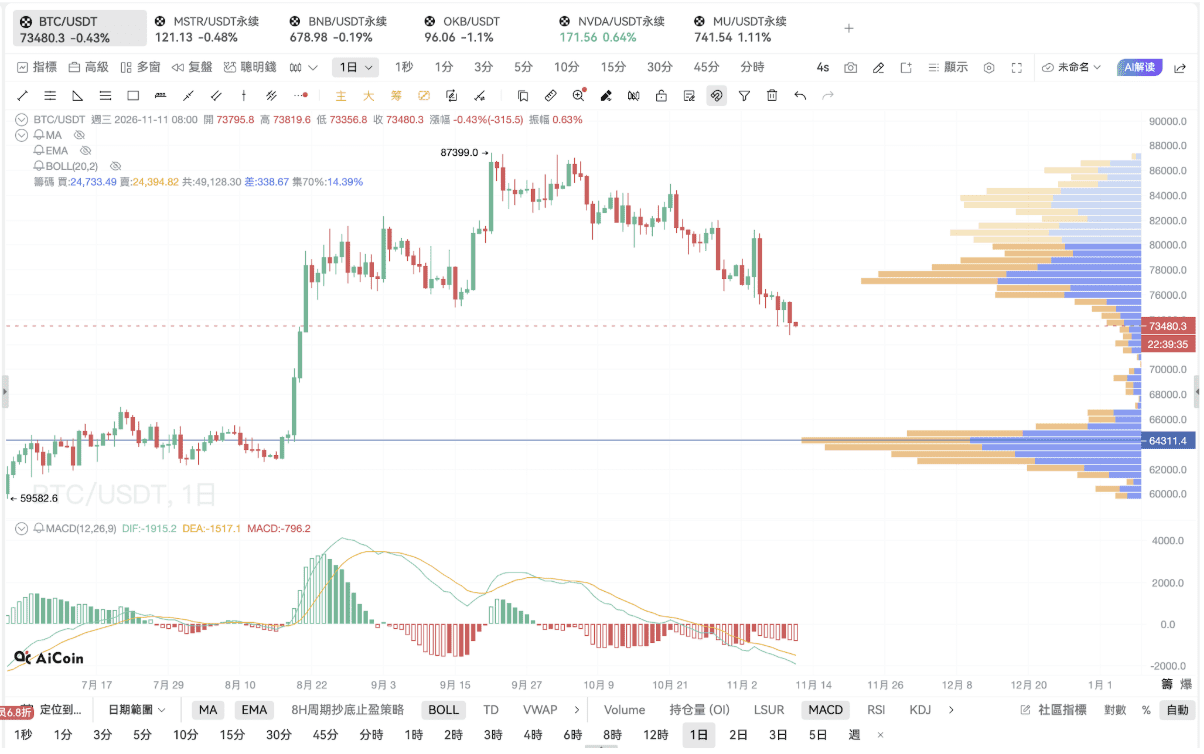
On one side, Bitcoin continues to decline, ETF funds are continuously flowing out, the supply of stablecoins is decreasing, and market trading activity is declining; on the other side, Wall Street is accelerating its layout in blockchain, traditional securities, gold, and government bonds are starting to be tokenized, and banks and financial institutions are also studying how to use blockchain for asset trading and settlement.
Some even put forward a viewpoint:
The cryptocurrency circle has ceased to exist, new crypto finance has just begun.
This statement sounds a bit radical, but it indeed reflects a noteworthy change in the industry.
Over the past decade, the crypto market has mainly revolved around BTC, ETH, and various tokens, with investors concerned about which coins will rise and which sectors will become the next hot topics.
However, as we enter 2026, the structure of market funding and the participation of institutions are changing.
The speculative liquidity of traditional crypto assets is being compressed, and institutional funds are placing more emphasis on compliant channels, financial infrastructure, and real business applications.
So, what stage is the current crypto market actually in? Where is the funding flowing? How should ordinary investors who have just developed an interest in the crypto market participate now?
Funding Preferences Under Liquidity Contraction
According to data from the AiCoin platform, the US spot Bitcoin ETF has seen continuous net outflows since the beginning of November. By mid-November, weekly outflows had reached between 800 million and 1.3 billion dollars, with an overall outflow of about 2.1 billion dollars in November, and cumulative net inflows dropping to about 55.3 billion dollars, with total net assets declining to around 95 billion dollars. BlackRock’s IBIT has become the main source of outflows. At the same time, the supply of stablecoins as "fuel" within the market has contracted at its fastest rate in four years, with a combined reduction of nearly 11 billion dollars in USDT and USDC.
This change indicates a clear decline in risk appetite: funds are no longer chasing altcoin narratives and early projects, but rather prioritizing allocations in Bitcoin, stablecoins (despite overall contraction), and compliant products. In terms of corporate treasuries, listed companies collectively reduced their holdings by more than 11,000 Bitcoin in the week at the beginning of November, but some institutions (like Strategy) are still making slight increases, showing a divergence. Financing in the primary market is shifting towards later-stage projects, CeFi, and traditional financial participation, while the attractiveness of purely crypto-native early projects is declining.
On the on-chain and exchange level, funds are being concentrated in high liquidity platforms. Centralized exchanges continue to dominate trading, with Binance consistently leading in spot and derivatives trading volume and order book depth, followed closely by OKX. During sharp declines, the narrowing of order book depth increases the risk of liquidity exhaustion, further reinforcing investors' preference for depth and compliance.
Future Trends: From Speculative Cycles to Financial Tracks
In the short term, the market is highly dependent on macro liquidity. Expectations of Federal Reserve policy and sentiment toward risk assets will continue to dominate the flow of ETF funds and changes in the supply of stablecoins. If the macro environment improves, ETFs are likely to return to net inflows; if liquidity continues to tighten, the contraction may persist.
In the medium term, institutionalization and infrastructure are accelerating. The rules for stablecoins under the GENIUS Act will officially take effect in January 2027, providing a clear compliance framework for payment-oriented stablecoins. The tokenization of real world assets (RWA), on-chain collateralization, and settlement mechanisms are continuously advancing, and banks and asset management institutions are shifting from simple allocation to building trading and settlement pipelines. Bitcoin's status as a digital commodity remains relatively stable, while stablecoins and tokenized assets have become one of the main growth lines. Market volatility may decrease, but the integration with traditional finance will deepen.
Key Indicators to Continuously Monitor
- Daily/weekly net inflows and outflows of US spot Bitcoin and Ethereum ETFs (especially leading products like IBIT);
- Changes in the total supply of stablecoins;
- Bitcoin's dominance and derivatives funding rates;
- Corporate treasury holdings and dynamics of increases/decreases;
- Regulatory progress (details of GENIUS Act implementation and licensing in various countries) and impacts of major security events;
- Macro liquidity indicators (US Treasury yields, performance of risk assets).
Entry Platforms: How to Choose Between Binance and OKX
Under the current liquidity preferences, centralized exchanges remain the main entry point. Binance and OKX are among the best in terms of global liquidity, but they have different positions.
Binance significantly leads in trading volume and order book depth, has a broader coverage of coins, and the SAFU fund offers additional protection, making it suitable for traders seeking minimal slippage and the widest variety of options. However, it faces MiCA compliance restrictions in certain regions (especially Europe), and some account functionalities are limited.
OKX holds a MiCA license and has advantages in markets with higher compliance requirements, such as Europe, where spot maker fees are often more competitive at the basic tier, and it has a strong Web3 wallet and on-chain integration, making it suitable for users who prioritize compliance and multi-ecosystem experiences. Its overall scale is smaller than Binance.
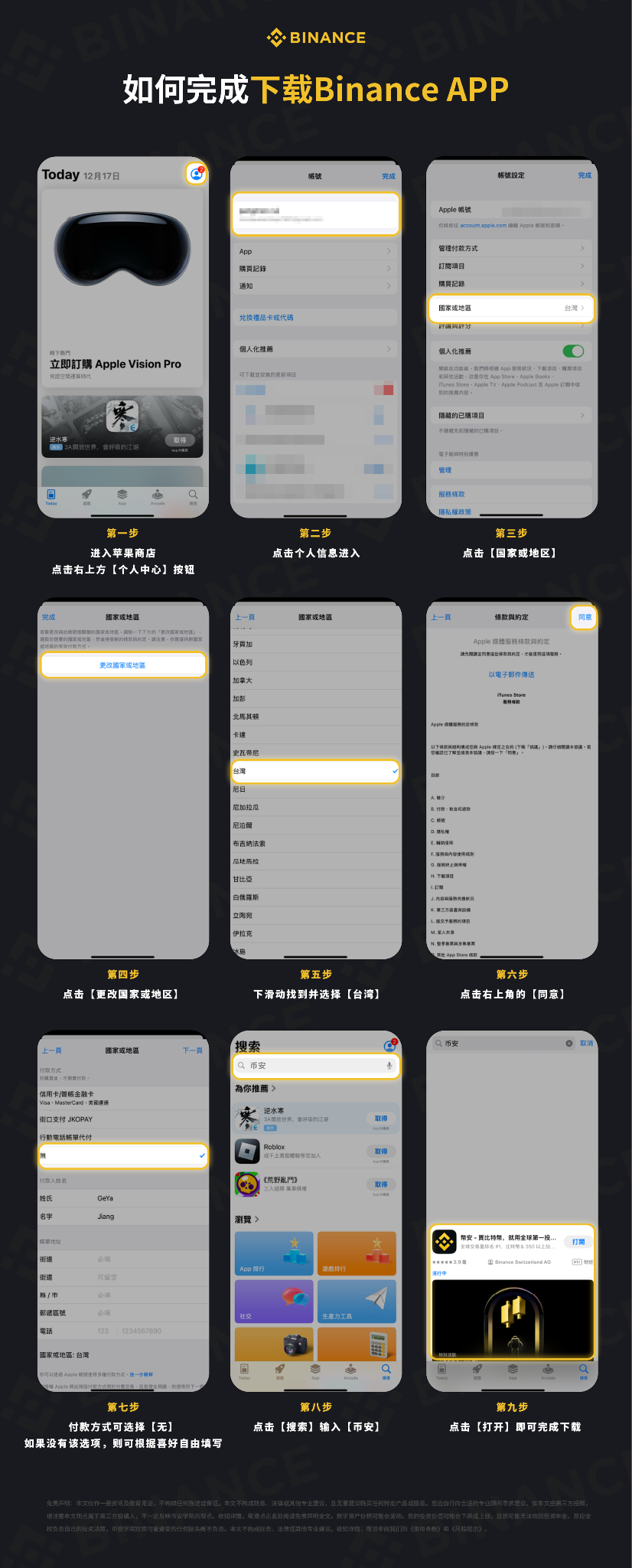
Binance registration link:
https://jump.do/zh-Hans/xlink-proxy?id=3
Or log in to Binance via the app and enter invitation code aicoin668 directly; here are the exclusive generous registration benefits of the AiCoin invitation code:
Benefit 1: New customers can receive up to 440 USDT
1. Deposit 100 USDT + trade 100 USDT → receive 100 USDT position voucher
2. Deposit 1,000 USDT + trade 50,000 USDT → receive an additional 300 USDT position voucher
3. Deposit 3,000 USDT + trade 200,000 USDT → receive an additional 40 USDT cash voucher
The three tiers can be stacked, and you can access the first tier with a deposit of 100 USDT
Benefit 2: Open blind boxes, with a maximum of 25 RE tokens
1. Register + deposit 50 USDT + trade 100 USDT + log into the app
2. After completing the activity, receive one blind box, randomly draw RE tokens, up to 25
This is equivalent to new users receiving double benefits after completing tasks
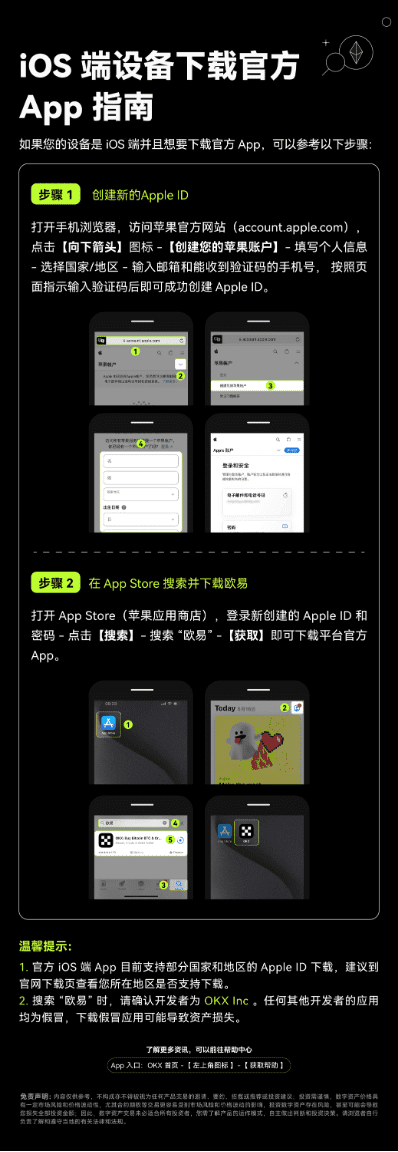
OKX registration link
https://jump.do/zh-Hans/xlink-proxy?id=2
Or log in to OKX via the app and enter invitation code aicoin20 directly, enjoy a permanent 20% rebate on fees.
Recommendation: Prioritize the choice based on compliance status in your location. Users in regions like Asia, which have fewer restrictions, and those focused on trading depth may prefer Binance; users in Europe or those placing greater importance on compliance and Web3 functionalities may find OKX more suitable. In practice, it's advisable to use both platforms to reduce the risk of a single platform. Regardless of which one you choose, you should complete KYC, enable multiple security measures, and continuously monitor the platform's reserve proofs and security announcements.
The crypto market has never truly "disappeared"; it has only shifted from a speculative narrative dominated by retail investors to a new financial entity driven by institutions, compliance, and infrastructure. The current liquidity contraction is a phase of this transformation, not the endpoint. Investors should place greater emphasis on risk management and long-term structural changes rather than short-term expectations of rapid wealth accumulation.
免责声明:本文章仅代表作者个人观点,不代表本平台的立场和观点。本文章仅供信息分享,不构成对任何人的任何投资建议。用户与作者之间的任何争议,与本平台无关。如网页中刊载的文章或图片涉及侵权,请提供相关的权利证明和身份证明发送邮件到[email protected],本平台相关工作人员将会进行核查。