The Global Digital Innovation Expo (GDIE Hong Kong 2026), hosted by Dot Connector, successfully took place on November 12 at the New World Millennium Hong Kong Hotel. This year's conference themed "CO-EVOLVING WITH AI — Igniting a New Era of Intelligent Growth" brought together executives, technology experts, and innovators from various industries around the globe to engage in deep exchanges on core topics such as the commercialization of artificial intelligence, digital transformation of enterprises, AI governance, and organizational innovation, exploring how AI technology can transition from innovative exploration to large-scale application, creating measurable business value for enterprises.
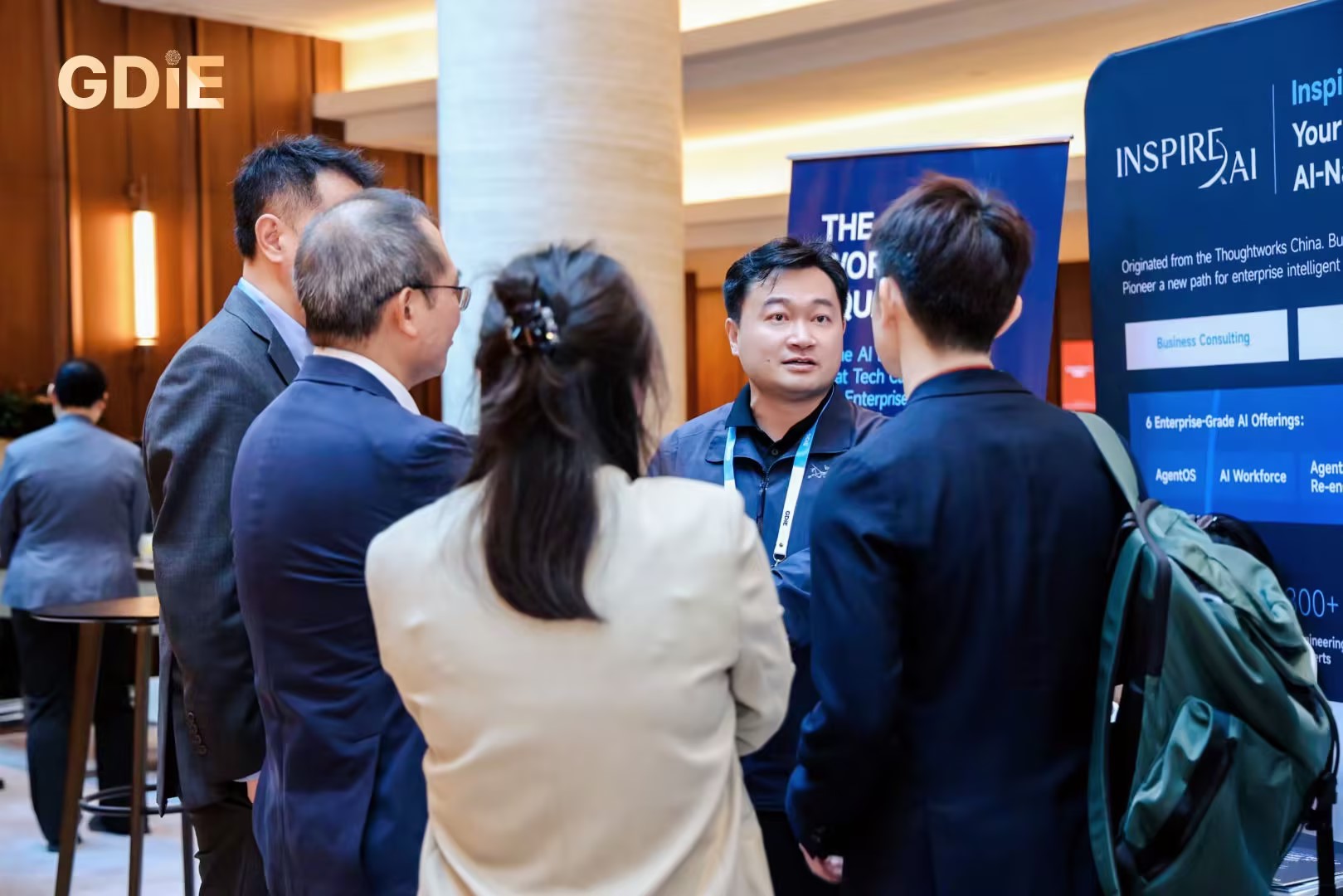
As generative AI, intelligent agents, and embodied intelligent technology continue to evolve, enterprises are facing a crucial turning point from technological investment to business outcome transformation. This year's GDIE Hong Kong 2026 focused on this industry trend, providing a platform for enterprise decision-makers to exchange practical experiences, explore innovative pathways, and expand industry collaborations through keynote speeches, AI solution showcases, and cross-industry roundtable discussions.
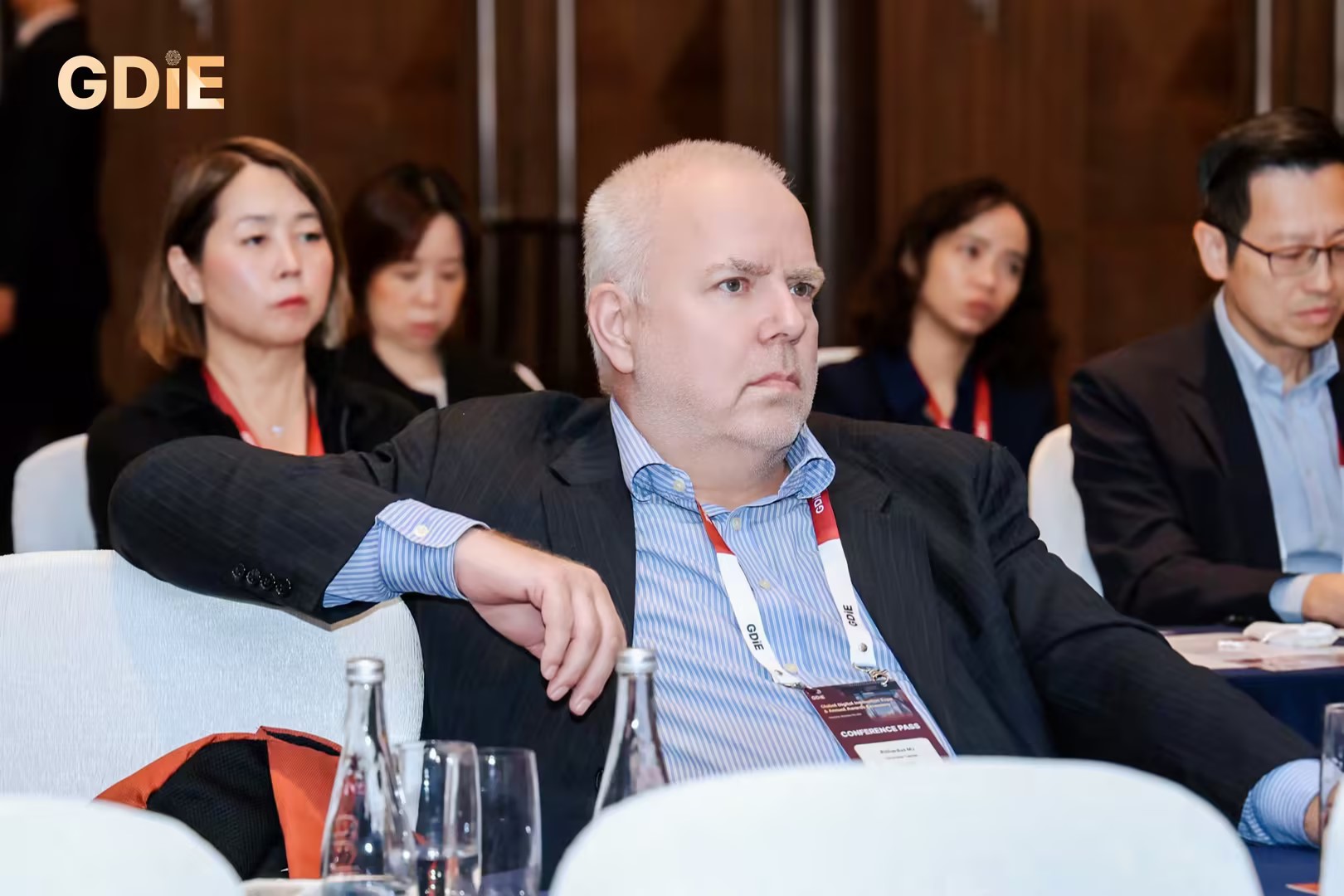
Focusing on Enterprise AI Implementation, Sharing Cross-Industry Practical Experiences
The conference centered on key aspects of enterprise AI transformation, with guests from technology, retail, manufacturing, automotive, healthcare, hospitality, and consumer goods fields sharing their industry experiences and the applications and challenges of AI in real business scenarios.
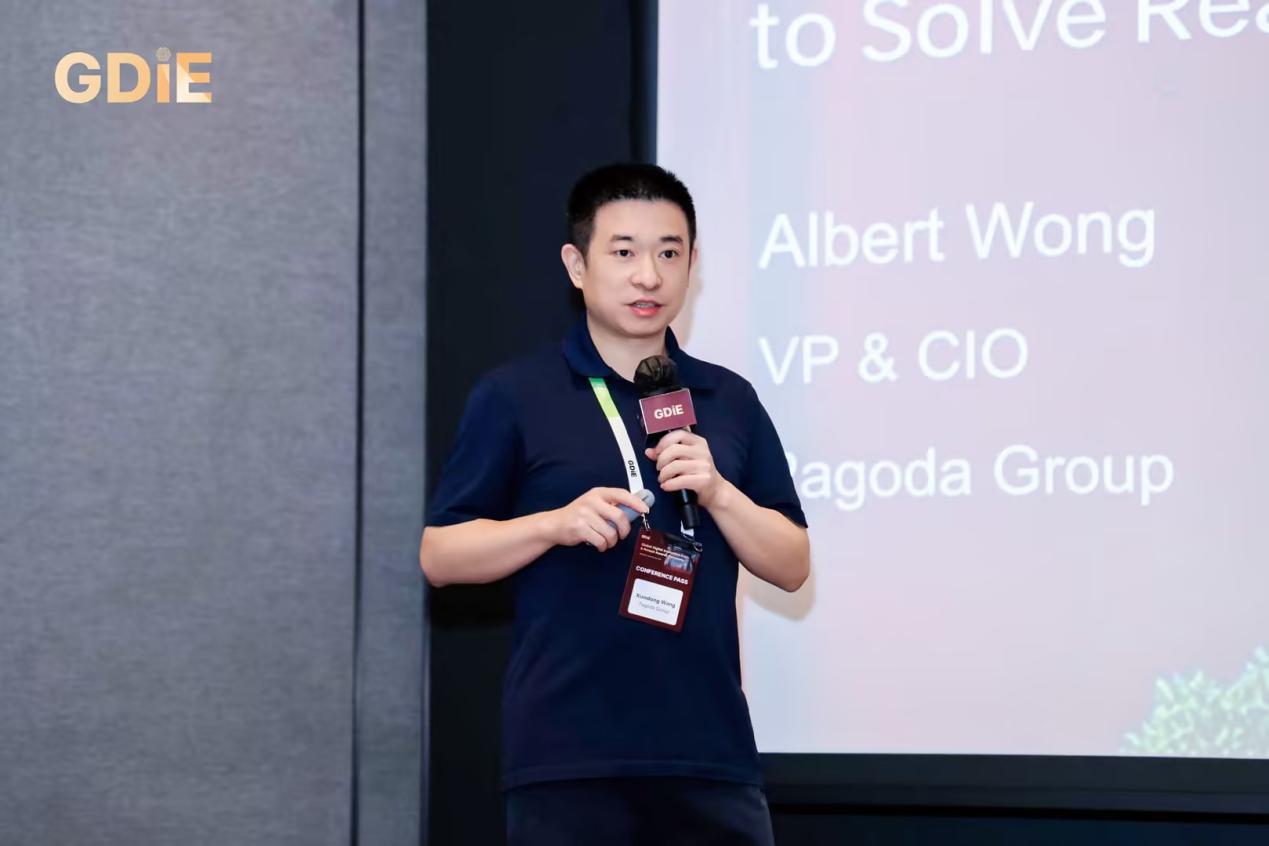
In the keynote speech "China Mainland Insights: Using the Right Technology to Solve Real Problems", Pagoda Group Vice President and Chief Information Officer Xiaodong Wang shared how the enterprise selects the right technological path based on actual business needs, starting from Pagoda's digital practices.
He pointed out that technology applications should always start with business objectives, rather than blindly introducing AI in pursuit of technological advancement. Through practical examples of intelligent ordering and store diagnostics, he demonstrated the application value of machine learning, rule engines, and large language models in different business scenarios.
Among them, traditional machine learning is more suited for structured data prediction, whereas large language models have advantages in understanding unstructured information and extracting insights. Enterprises need to combine different technologies based on specific issues while retaining necessary human judgment and supervision to truly realize technological value.
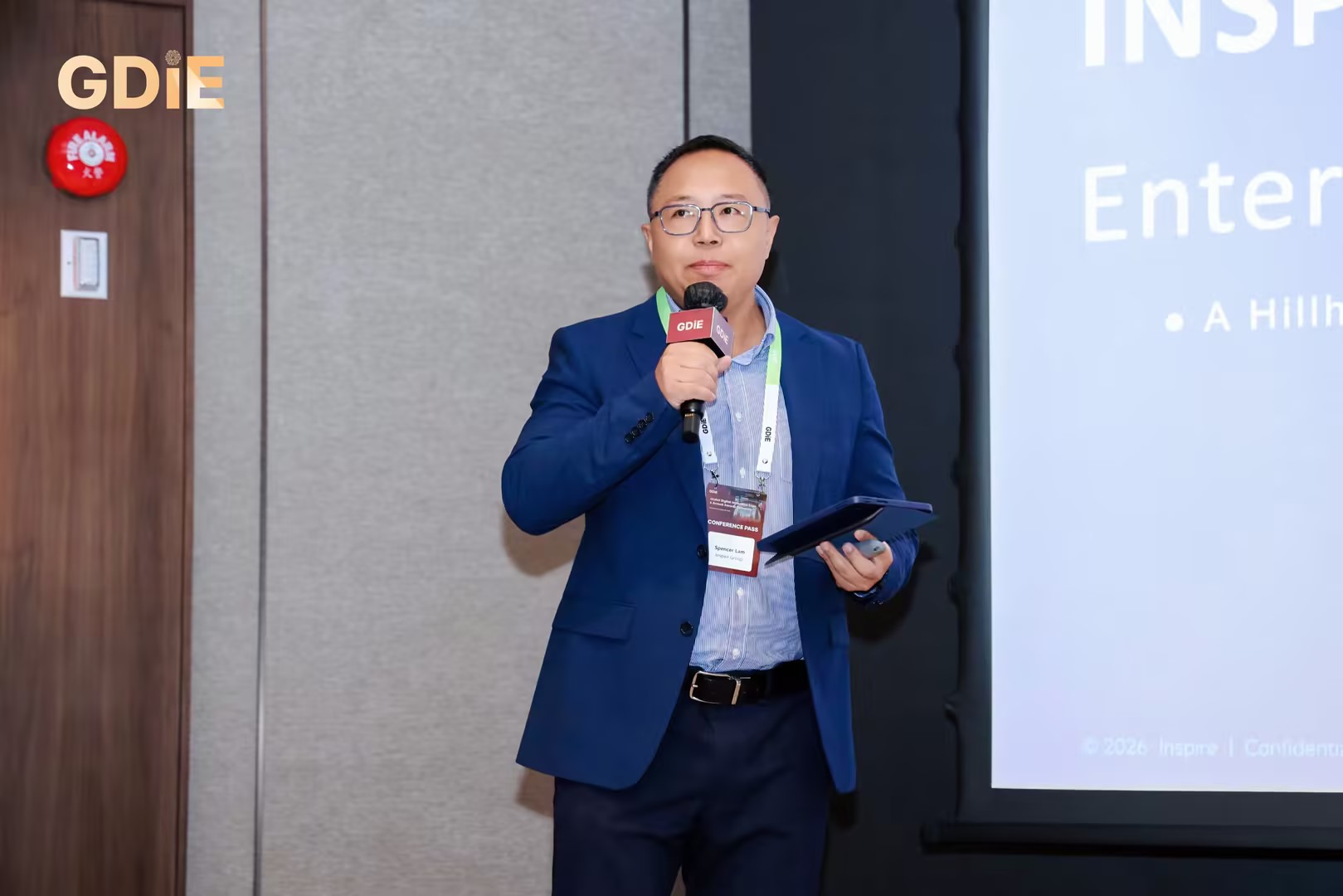
In the session "Enterprise AI Transformation – Lightweight Ontologies and Knowledge Engineering", Inspire Group Client Partner HK Market Spencer Lam introduced how Inspire Group integrates intelligent capabilities into real business processes through knowledge engineering, lightweight ontologies, and AI agents.
He introduced Inspire AgentOS, showing how enterprises can build, deploy, manage, and continuously optimize AI agents through a unified platform. The speech emphasized that enterprise AI transformation cannot remain at single-point tool applications but needs to establish a structured corporate knowledge system, combining multi-agent collaboration, human-machine synergy, and governance mechanisms for AI capabilities to gradually integrate into business operations.
By transforming decentralized corporate knowledge into reusable intelligent capabilities, enterprises can drive AI from local pilots to large-scale applications, achieving safer, measurable, and sustainable business outcomes.
Then, Shulex Co-founder and Chief Operating Officer Chris Zhao shared in the keynote "AI-MultiHub: AI Agents Across Your Business" the applications of AI agents in enterprise customer experience management, exploring how customer service can be transformed from a traditional cost center into an important driver of business growth. He introduced ShulexAI-MultiHub: a comprehensive AI digital employee (Solvea), integrating text, voice, and video AI agents, along with a unified service workspace, covering various aspects such as pre-sales recommendations, order inquiries, issue resolution, and after-sales service.
The speech particularly emphasized the actual delivery outcomes of AI applications, rather than just showcasing technological capabilities. By setting measurable metrics such as AI response coverage and answer accuracy and drawing on practices from businesses like Anker and SONGMICS, it demonstrated how AI agents can help enterprises enhance service efficiency, reduce operational costs, and generate quantifiable business returns.
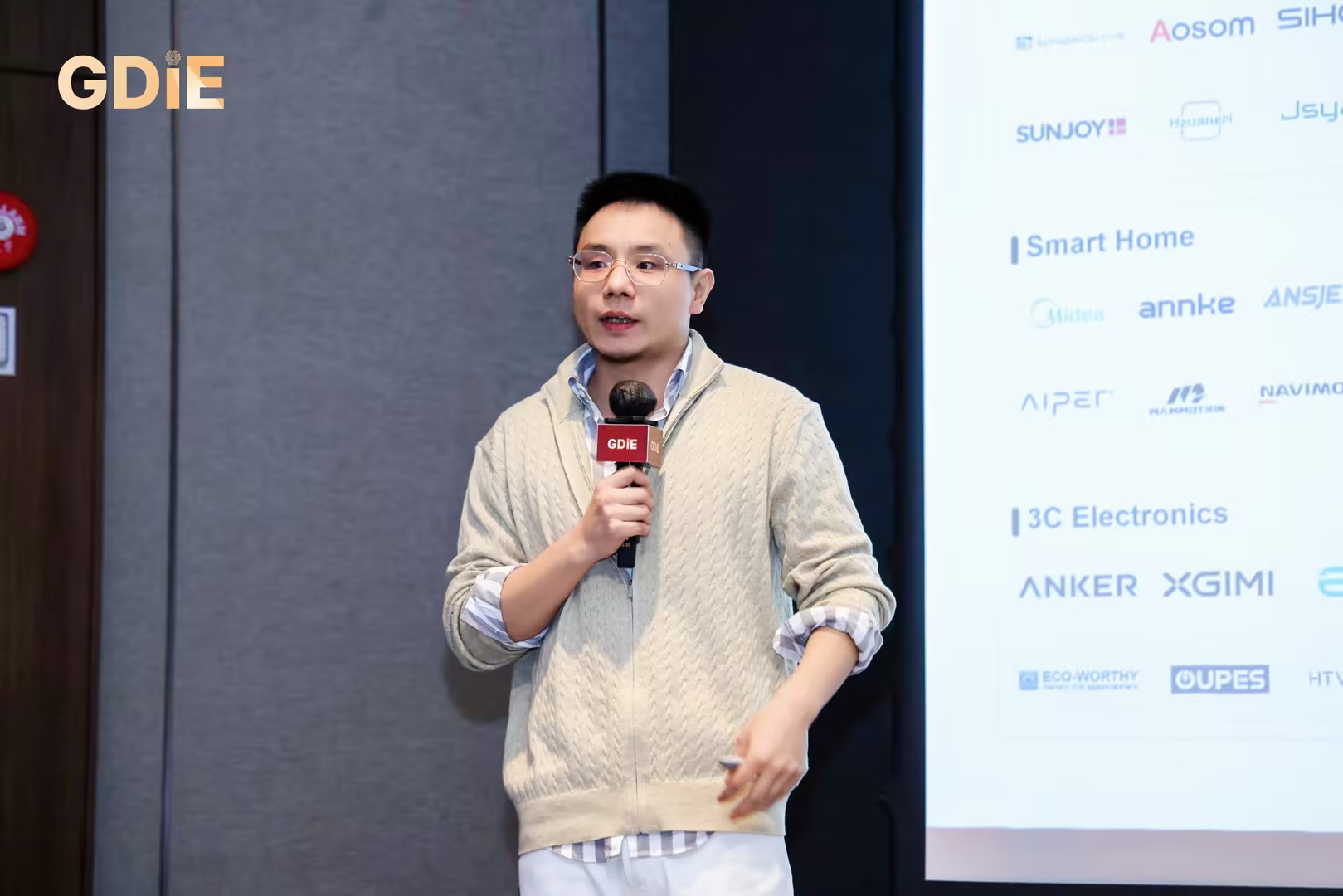
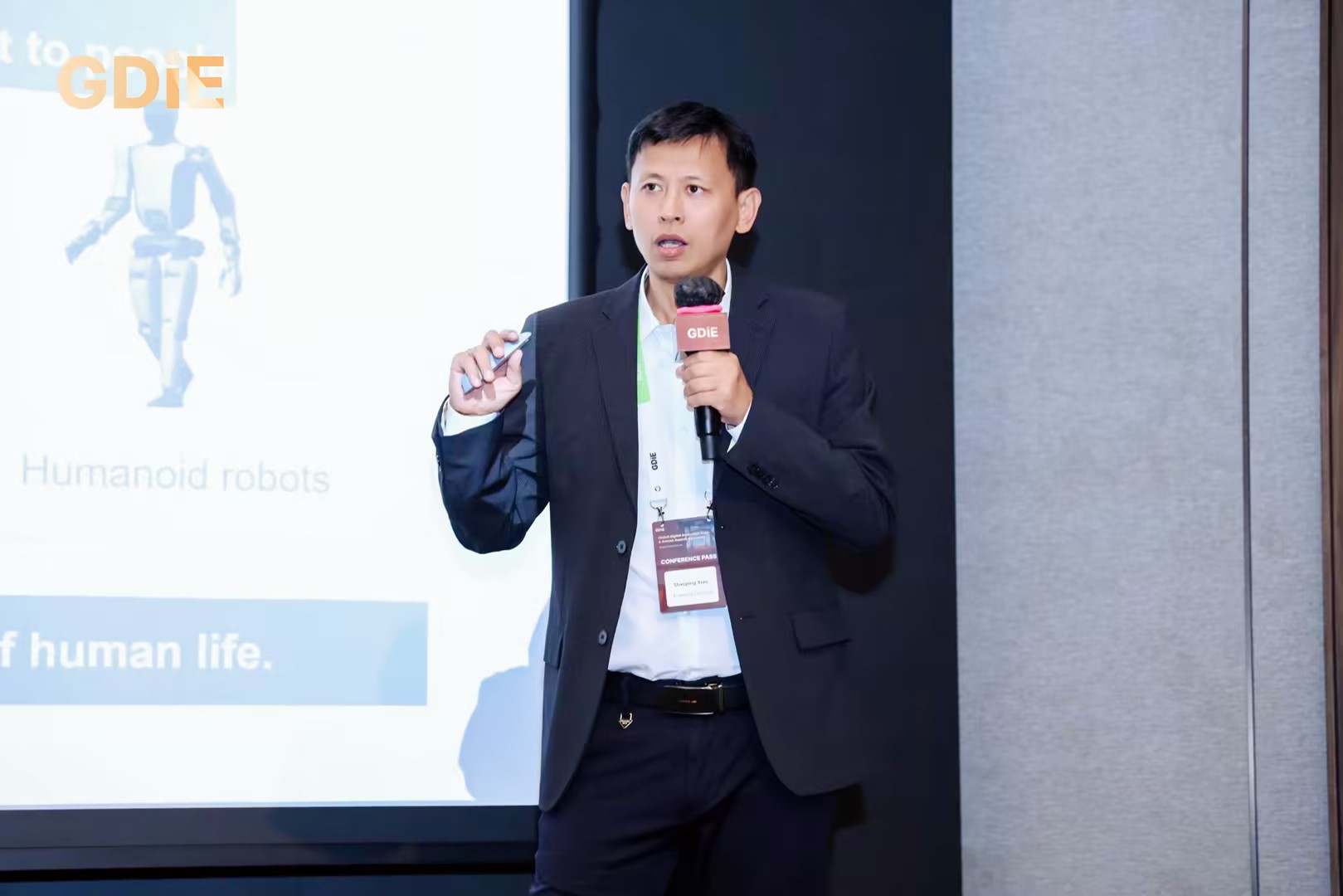
In the session "Physical AI: Let the 'Why' Define the 'How'", Toyota Boshoku Executive Advisor Richard Chung expanded the discussion perspective to Physical AI, exploring potential changes in future mobility methods stemming from the deep integration of artificial intelligence and the physical world.
He emphasized that technological innovation should always be driven by genuine human needs, rather than purely pursuing breakthroughs in technology itself. Focusing on future mobility, he shared concepts and practices related to Robotaxi, the MX221 accessible wheelchair system, Olive Express, and MooXRide, discussing how technological innovation can enhance accessibility, convenience, and sustainability in mobility.
He also noted that the development of Physical AI requires not only technological breakthroughs but also organizational agility, cross-industry collaboration, and long-term vision. Meaningful innovation should be human-centered, creating long-term value for society.
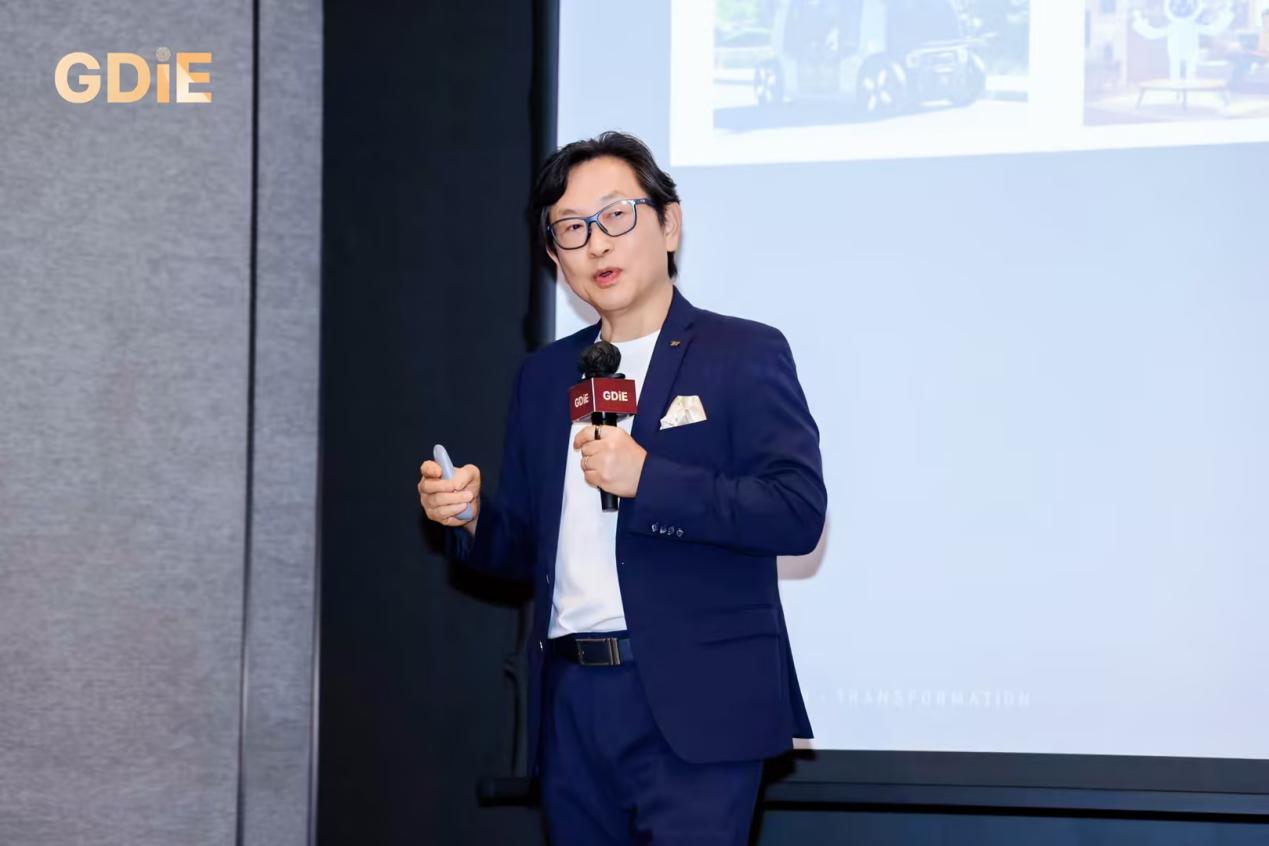
Carlsberg Group Vice President – Digital Products & Services Carson McKelvey shared insights on "AI That Earns the Right to Scale in a 150-Year-Old Brewery", using Carlsberg Group with 179 years of history as a case study, demonstrating how traditional large enterprises can drive AI from pilot projects to large-scale applications and achieve measurable business value.
He introduced the application of generative AI in sorting complex material data and EUDR compliance work, showcasing how AI can help enterprises process imperfect data and complete complex tasks with higher efficiency. At the same time, he shared practices in automating purchasing processes and software development deliveries, emphasizing the execution of tasks by AI agents while retaining necessary supervision at critical decision points involving human judgment.
He pointed out that AI projects must genuinely drive end-to-end business process transformation, create measurable financial value, and establish a clear business accountability mechanism to lay the foundation for large-scale promotion. Furthermore, enterprises must prioritize talent cultivation, enabling employees to adapt to and engage in AI-driven work style transformations.
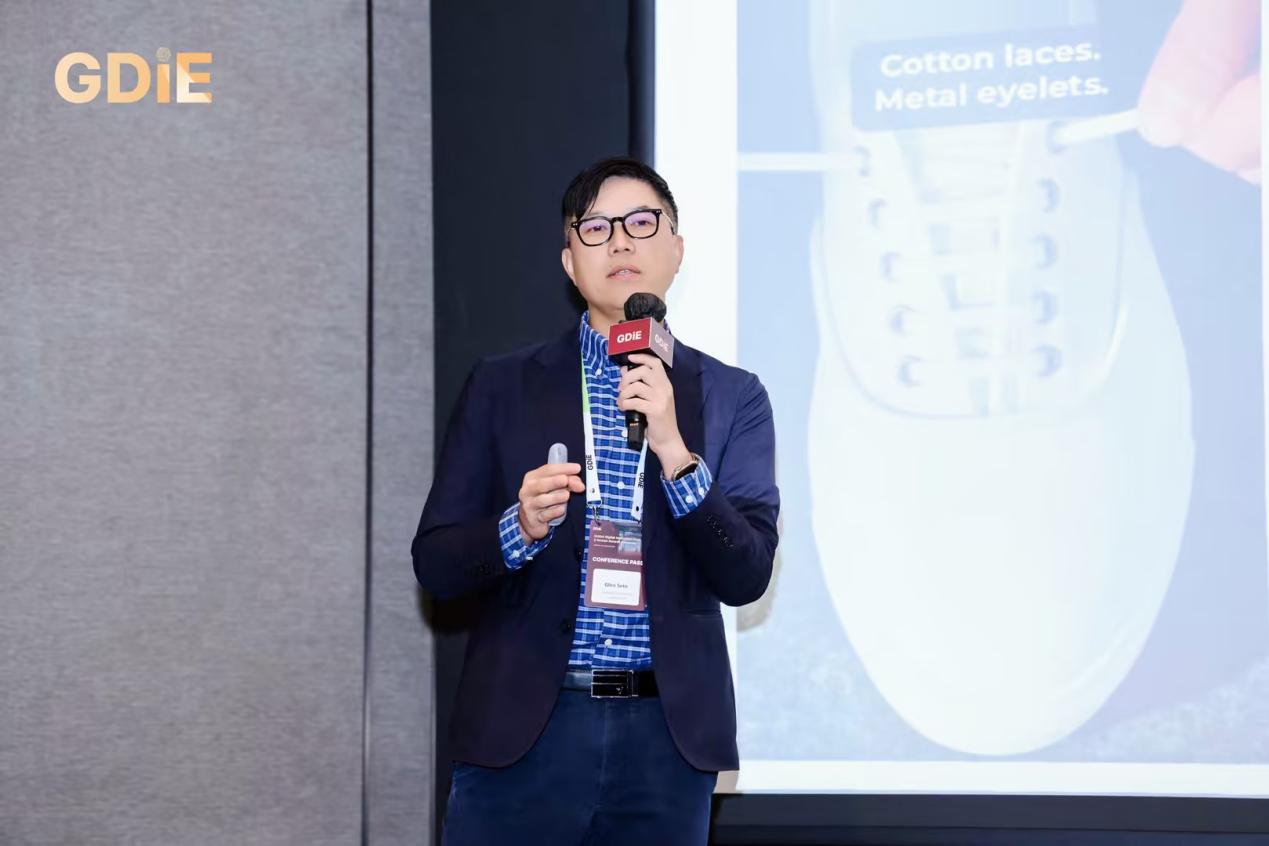
In the session "Enterprise AI Transformation Framework", Glen Seto, former Chief Technology Officer and Head of Technology Services of a diversified multinational group, shared insights on the enterprise AI transformation framework, drawing from his experience in multinational enterprise technology management and digital transformation, discussing how enterprises can move from AI strategic planning to actual business value.
The speech focused on the challenges enterprises may encounter during the AI implementation process and how to identify high-value application opportunities, avoid common issues in the transformation process, and establish a framework that supports the continuous development of scalable AI applications.
For enterprises, AI transformation is not a one-time technological deployment but requires systematic planning in conjunction with business strategy, organizational capabilities, and long-term operations.
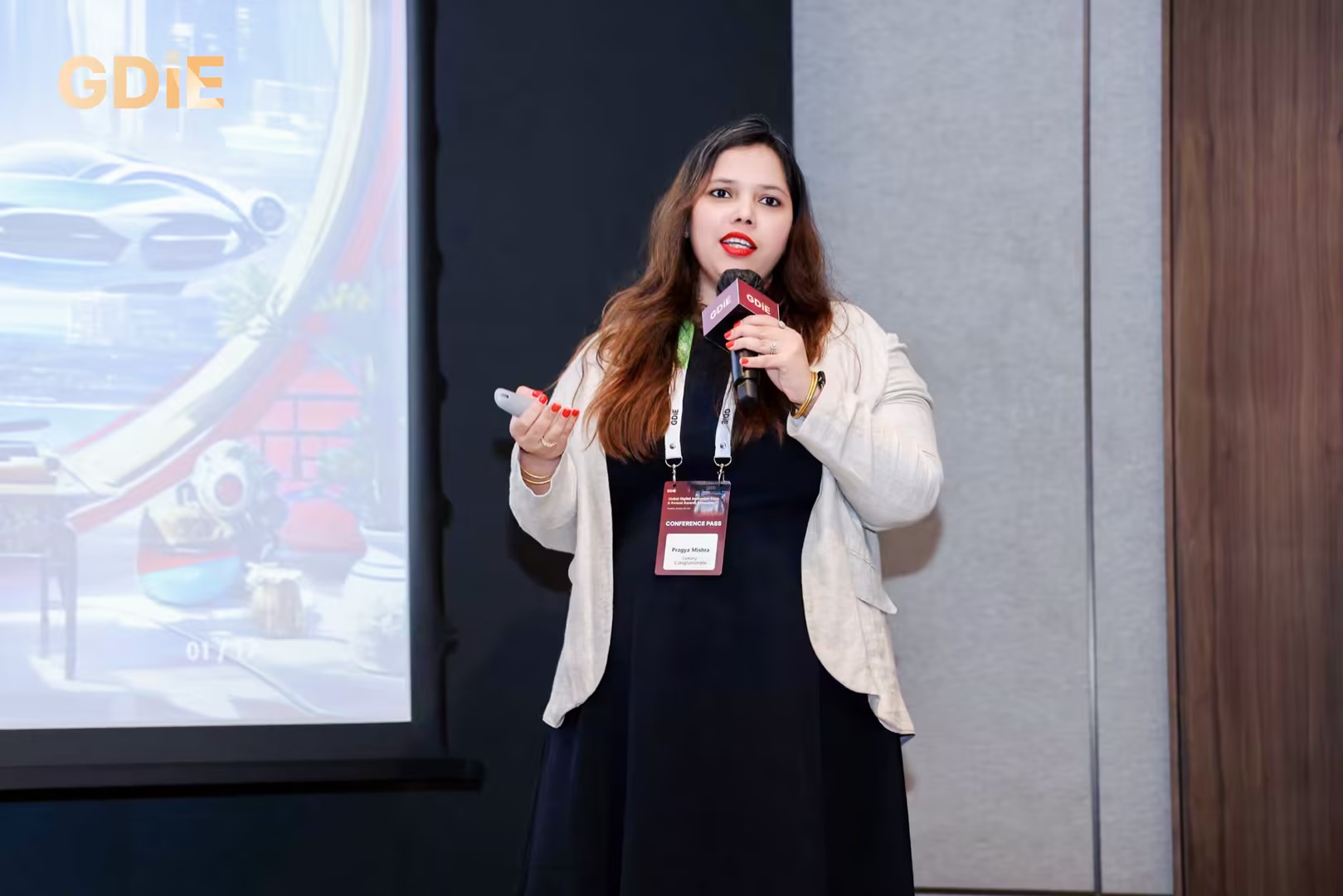
Luxury Conglomerate BI Lead APAC Pragya Mishra explored the balance between global data governance, local business flexibility, and AI-enabled growth through "From Data to Strategic Asset — Balancing Local Agility, Global Governance & AI Enabled Growth".
In the context of globalization and multi-market collaboration, this session focused on how data can transform from operational resources into strategic assets for enterprises.
Combining the complex business environment of the luxury goods industry, Pragya Mishra shared insights on how to balance global governance, local flexibility, and responsible AI-enabled growth. She emphasized that enterprises need to clarify accountability, build a trustworthy data foundation, and address the differentiated needs of different brands and regional markets within a global governance framework.
She also mentioned that AI-driven growth relies on high-quality data, clear accountability mechanisms, and robust governance systems. Only by establishing a solid and trustworthy data foundation can enterprises utilize AI in a compliant manner to support scientific decision-making and achieve long-term sustainable growth.
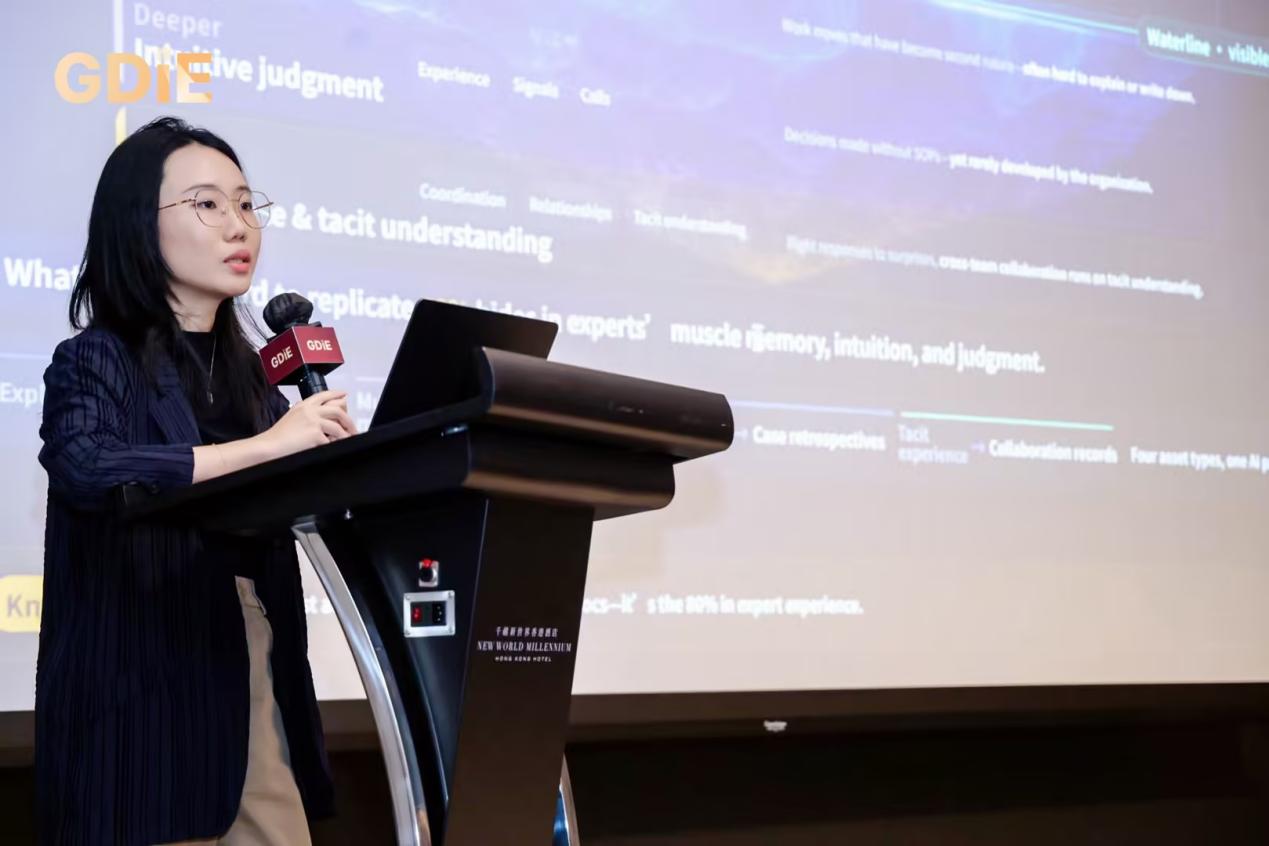
Feishu Comprehensive Consumer Industry Solution Specialist Huiman Cao focused on human-AI collaboration and organizational transformation in the keynote "The Future of Human-AI Collaboration | From Tool Rollout to Organizational Renewal", discussing how enterprises can transition from merely deploying AI tools to more profound organizational capability reshaping.
She pointed out common challenges enterprises face in AI applications: merely enhancing individual work efficiency without improving team collaboration; providing large volumes of data to AI without fully embedding employees' tacit business knowledge; deploying multiple tools without effectively linking them to actual business outcomes.
To address this, enterprises need to establish a digital collaboration foundation that allows business processes and working context to be comprehensible to AI; distill employee experiences into reusable organizational knowledge; and redesign end-to-end workflows around business objectives.
The true value brought by AI is not just completing existing tasks faster but rethinking how humans and technology collaborate and how organizations should conduct work.
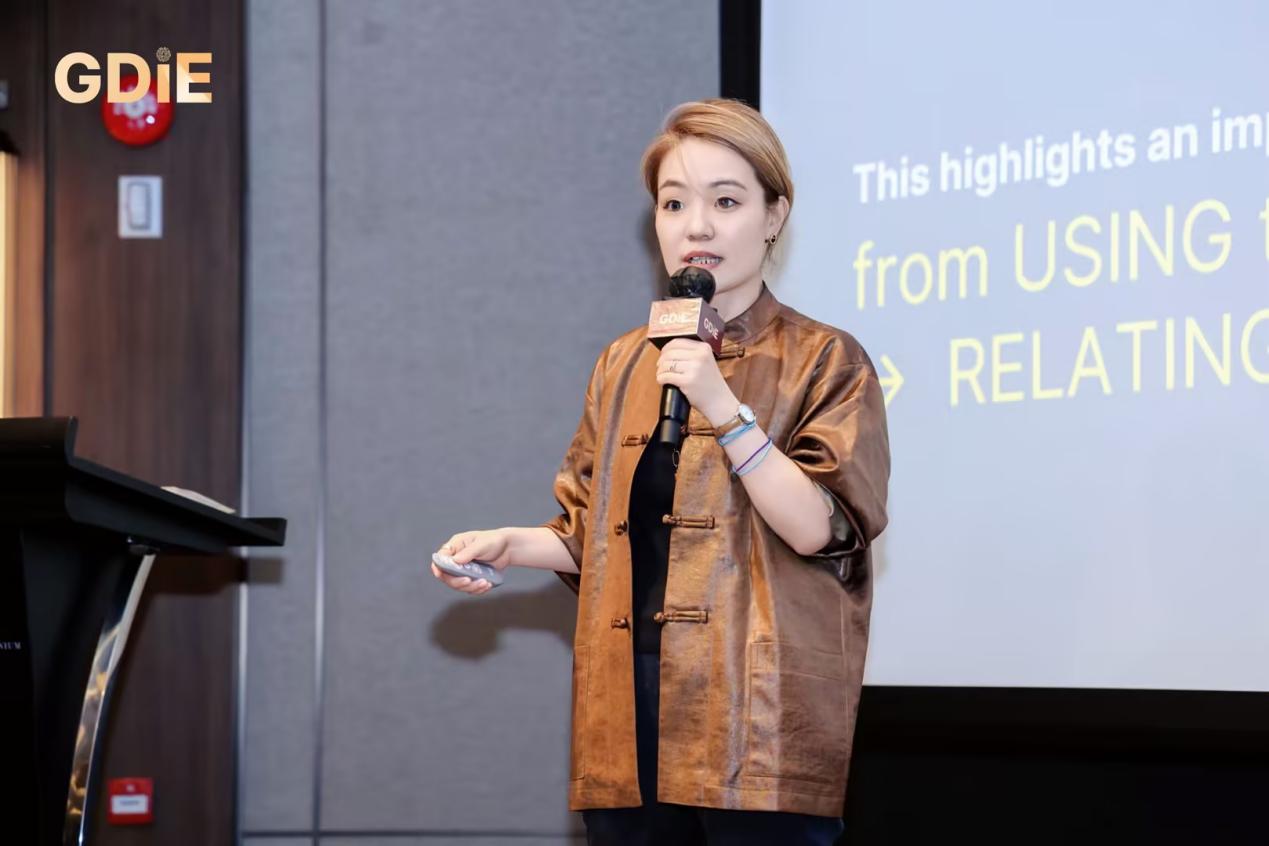
L’Occitane Group Regional Data Protection Officer APAC Filipa Santos analyzed the increasingly complex compliance challenges enterprises face with the expanding application of AI in cross-border business, focusing on three implicit risks that multinational enterprise managers need to pay attention to in the AI era from data protection and enterprise governance perspectives.
The first is the visibility of data flow. AI-driven data processing can span multiple jurisdictions, and traditional static data maps struggle to accurately reflect actual flows. The second is risk assessment and accountability management; ad-hoc risk exceptions lacking clear boundaries and accountable parties may gradually accumulate into long-term compliance burdens. The third is reversibility; once data enters model training, fine-tuning, or long-term memory, deletion and withdrawal can become increasingly difficult.
She emphasized that enterprises need to incorporate governance throughout the AI lifecycle, establishing more comprehensive risk management mechanisms through real-time monitoring, collaboration between legal and technical teams, and system architectures that ensure traceability and reversibility.
Roundtable Forum: From AI Investment to Enterprise Impact
One of the important segments of the conference, "The AI Value Equation — From Investment to Enterprise Impact", was moderated by Tianda Group Group IT Director Robby Ma, inviting enterprise managers from healthcare, hospitality, shipping, manufacturing, and business sectors to participate.
Roundtable guests included Gleneagles Hospital Hong Kong Chief Transformation Officer Rio Lee, Langham Hospitality Group SVP Strategy Technology Innovation Sean Seah, Emirates Shipping Line General Manager – Business Applications & Support Kunal Mathrawala, Maxion Wheels Global CIO & The CDIE CO-Chairman Esteban Remecz, and Inchcape Greater China Marketing Director Susanna Yip.
The discussion revolved around the three key stages of enterprise AI transformation: how to select worthwhile AI projects for investment, how to promote successful pilots to enterprise-scale applications, and how to demonstrate the actual value created by AI to management and the board.
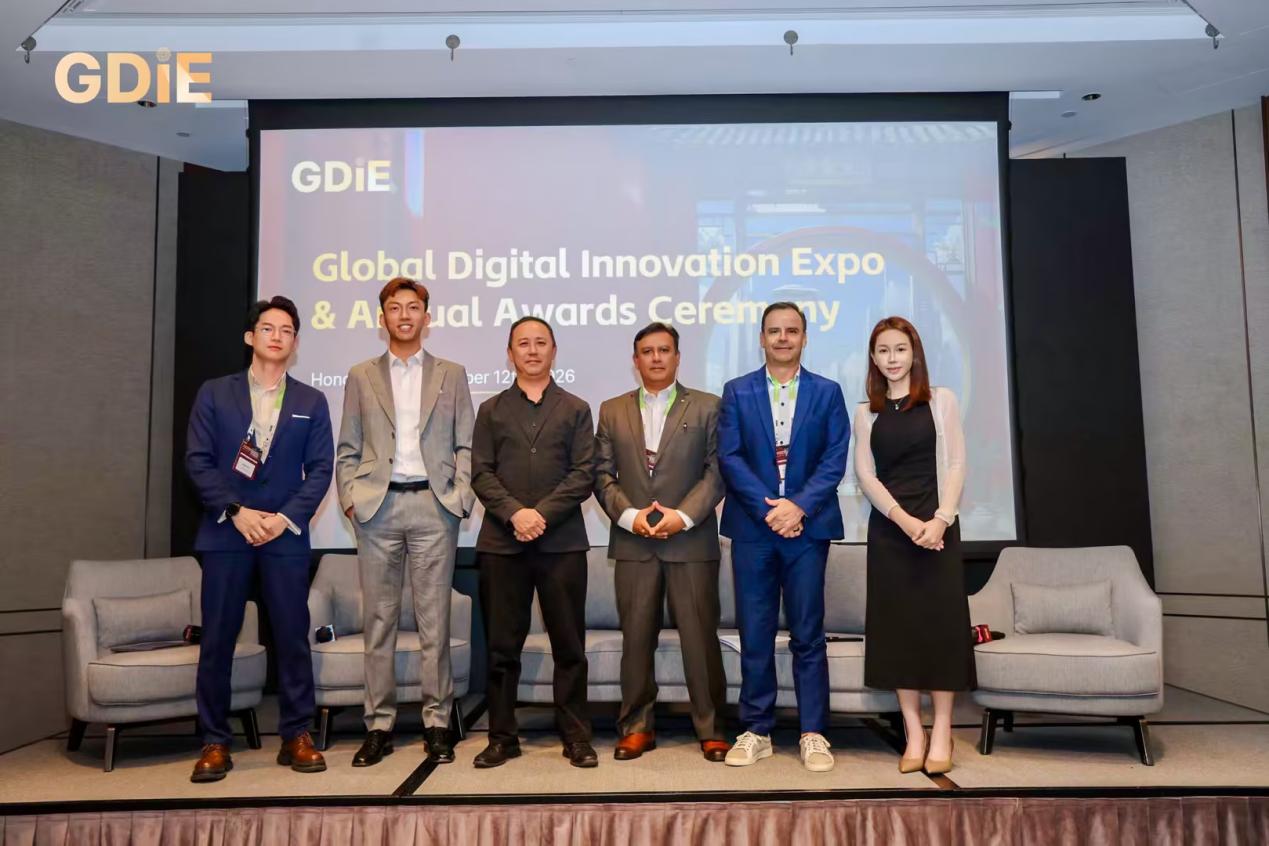
The guests shared experiences from different industries regarding aspects such as data infrastructure, traditional system integration, governance mechanisms, talent cultivation, organizational collaboration, and investment return evaluation. The discussion highlighted that the core of AI transformation lies not only in technological deployment but also in whether it can tightly link technological investments to business goals, establish sustainable organizational capabilities, and continuously measure actual business outcomes.
Connecting Global Innovation Forces to Co-create the Future of Intelligent Growth
The successful hosting of GDIE Hong Kong 2026 has provided a high-quality exchange platform for enterprise decision-makers, technology experts, and innovators from various industries. From AI commercialization and enterprise transformation to data governance, human-machine collaboration, and ethical responsibility, the conference presented multiple perspectives on the development of the artificial intelligence industry, further highlighting the critical value of cross-industry communication and collaboration in promoting the application of technological innovation.
As a global digital innovation exchange platform, Dot Connector will continue to connect global business leaders, technological innovators, and industry resources through a series of events like GDIE and CDIE, promoting the deep integration of digital technology with physical business and assisting enterprises in seizing opportunities for development in the AI era, achieving smarter and more sustainable business growth.
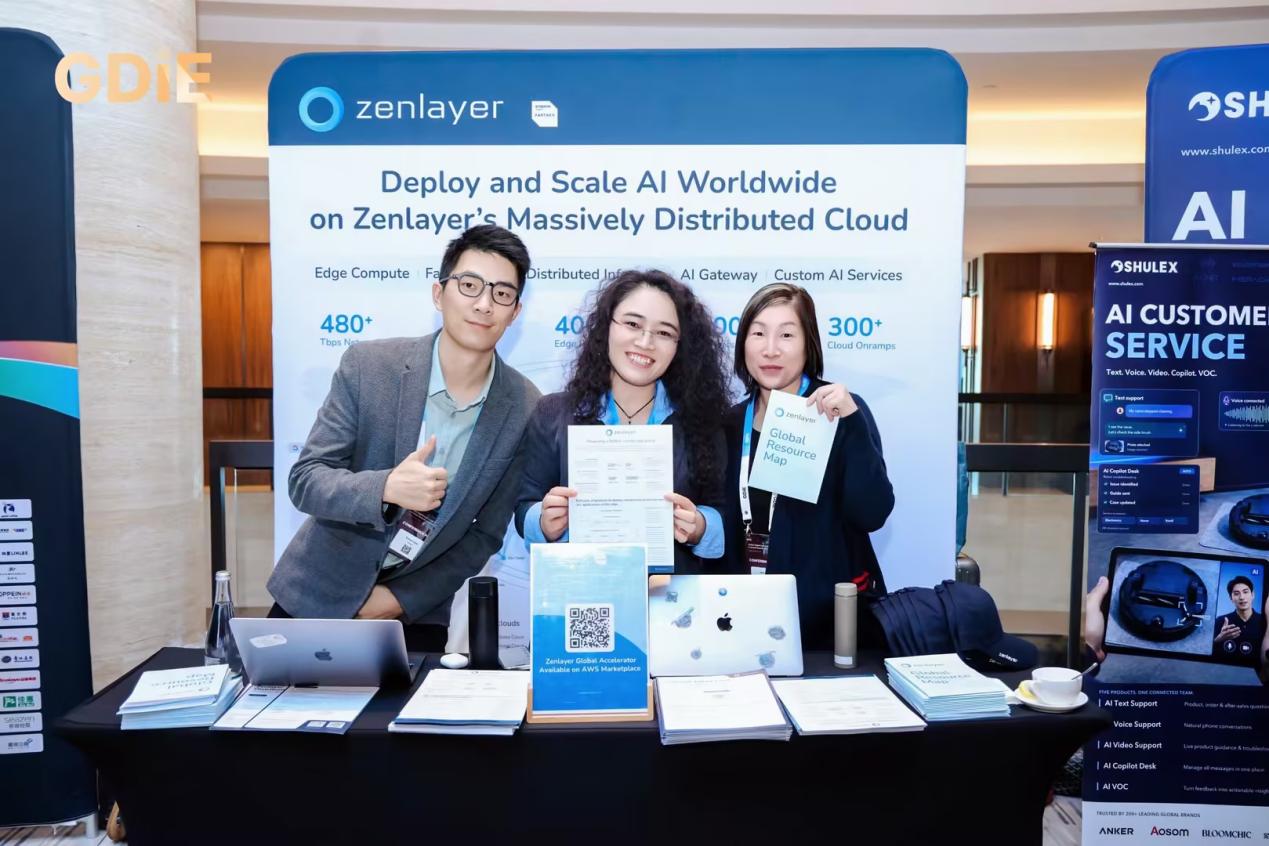
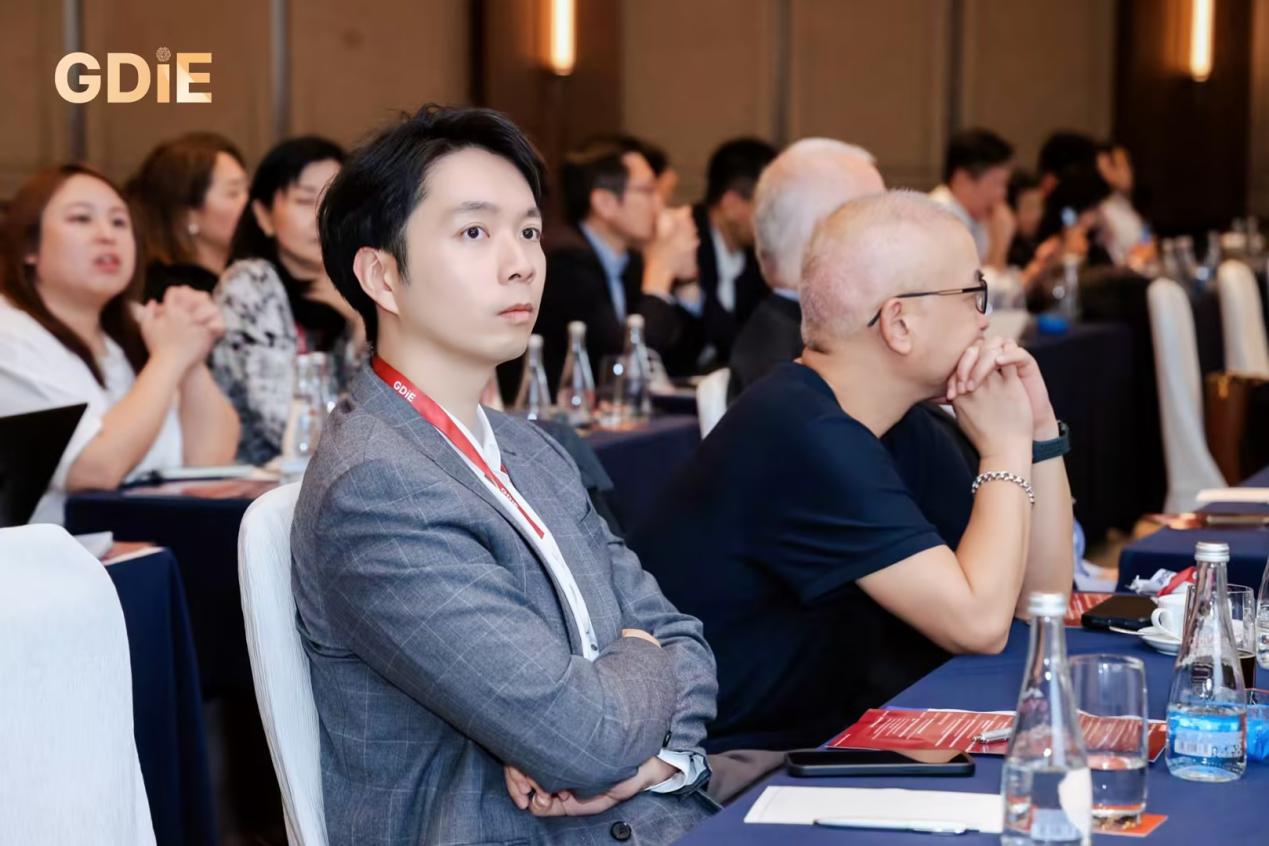
Thank you to all the speakers, roundtable guests, partners, and participants for their support and contributions!
About GDIE
The Global Digital Innovation Expo (GDIE) is a global digital innovation exchange platform driven by Dot Connector, aimed at connecting enterprise decision-makers, industry experts, and technological innovators around issues related to artificial intelligence, digital transformation, and enterprise innovation, to promote cross-industry knowledge exchange, practice sharing, and business collaboration.
免责声明:本文章仅代表作者个人观点,不代表本平台的立场和观点。本文章仅供信息分享,不构成对任何人的任何投资建议。用户与作者之间的任何争议,与本平台无关。如网页中刊载的文章或图片涉及侵权,请提供相关的权利证明和身份证明发送邮件到[email protected],本平台相关工作人员将会进行核查。


