Original | Odaily Planet Daily (@OdailyChina)
Author | Asher (@Asher_0210)
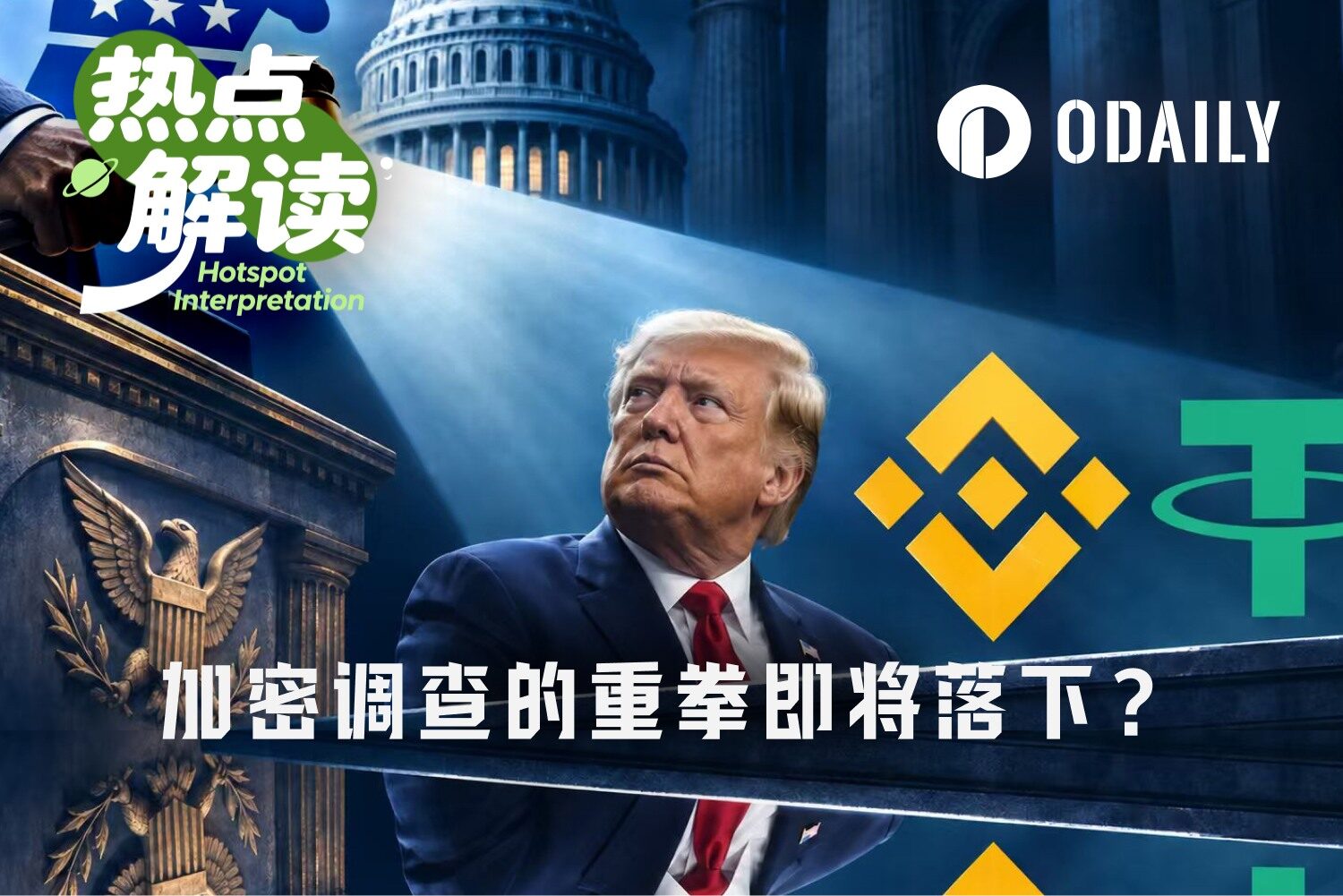
After the U.S. midterm elections, the Democratic Party's investigation into the cryptocurrency industry has begun to accelerate, with Binance, Tether, and the Trump family's crypto business becoming focal points.
On November 5, U.S. Democratic Senator Richard Blumenthal sent a new round of letters to Binance, Tether, World Liberty Financial (WLFI), and Fight Fight Fight LLC (FFF), the entity behind the TRUMP token, requesting the four companies to voluntarily submit previously requested investigation records and information by January 4, 2027. If they fail to comply, the subcommittee will consider other measures to obtain the materials.
The investigations, ranging from controversial transfers involving Iran to the massive consulting fees of companies linked to former White House cryptocurrency officials, and foreign investments in projects by the Trump family, have continued for months. Now, with the Democrats regaining control of Congress, the repeated letters of inquiry they previously sent may lead to more robust follow-up actions.
The new Congress is about to convene; after "voluntary cooperation," subpoenas may follow
The January 4 deadline is right before the new Congress convenes. The new Congressional term will start on January 3, 2027, and Blumenthal is expected to transition from the ranking minority member to the chairman of the Senate Permanent Subcommittee on Investigations, his office has referred to him as the "incoming chairman" in this announcement. After taking over the subcommittee, he will be able to issue subpoenas, enforce document requests, and summon witnesses according to the committee's procedures.
For companies that have not yet completed the required materials, continued delays may lead to compulsory evidence collection. However, January 4 is not automatically the date that triggers the subpoena process; whether the committee takes further action will still depend on the company's submission of materials.
Binance has previously received multiple rounds of inquiries. In February of this year, Blumenthal requested it provide relevant transaction and internal investigation records; Binance responded in writing in March, denying the allegations. In April, Blumenthal again requested documents supporting its explanations. By November 5, he stated in his latest letter that the company still had not adequately responded and had not submitted the required records, thus he provided a list of documents from the first two rounds once more. Investigators are seeking to obtain transaction logs, internal reports, and communication documents to verify Binance's previous explanations and reconstruct the flow and handling of funds.
WLFI and FFF were ordered to begin delivering materials starting on November 30, and Binance must also start submitting by that date at the latest and arrange a subsequent schedule with staff in advance. The committee can review the first batch of documents before the new Congress convenes and ask about missing items; whether the records are complete and whether they can support the company's previous claims will also be important bases for subsequent investigations.
Binance: $1.7 billion related to Iran transfers, USD1 cooperation and CZ's pardon also under scrutiny
Approximately $1.7 billion related to transfers involving Iran is the core controversy of this investigation into Binance. Previously, several media outlets reported that two entities, Hexa Whale and Blessed Trust, were suspected of using Binance to transfer funds to Iranian-related parties, with some transactions allegedly involving Iranian-affiliated armed groups and oil trades with Russia's "shadow fleet." Furthermore, some internal investigators at Binance were suspended or fired after discovering these suspicious transactions, raising external doubts about whether the company was suppressing compliance investigations. Blumenthal has requested to obtain account information for the two entities, internal investigation reports, and relevant communication records to reconstruct the flow of funds and the platform's handling process.
Binance denies the allegations, stating that it actively investigated after receiving law enforcement inquiries, has terminated relationships with the aforementioned entities, and no employee has been fired for raising compliance issues. Regarding the flow of funds, Binance stated that, to its knowledge, no Binance accounts directly transacted with entities in Iran; the funds involved multiple independent intermediaries, most of which had no confirmed Iranian affiliations. Blumenthal has requested Binance provide transaction details and an account handling timeline to verify the aforementioned explanations.
The investigation also involves Binance's USD1 cooperation with WLFI and the background behind CZ's pardon by President Trump. In a previous letter, Blumenthal linked Binance's business support for USD1, the SEC's withdrawal of its lawsuit against Binance, and Trump's pardon of CZ, questioning whether business dealings influenced government decisions. Whether there was an exchange of benefits between these matters still requires evidence; it cannot be solely judged based on the sequence of business partnerships and government handling.
Tether: Over $6 million in consulting fees, implicating former White House cryptocurrency officials
The investigation facing Tether involves the use of USDT in Iran's shadow banking network, as well as payments made to consulting firm Nxum. Blumenthal previously released a report questioning whether USDT was used to help Iranian-related entities circumvent financial restrictions; the investigation into payments to Nxum further questions the relationship between Tether and U.S. policymakers.
According to reports, Tether entered into a partnership with Nxum in May 2025, agreeing to pay $415,000 per month for branding, public relations, and lobbying services, with total payments exceeding $6 million. The payments involved the co-founder of Nxum, Bo Hines, who was still responsible for cryptocurrency policy at the White House during that period and held one-third equity in the company at that time. Blumenthal also pointed out in his letter on October 22 that Hines was alleged to have advocated favorable stablecoin legislation for Tether during this period, thus requesting contracts, payment details, and communication records to verify whether it involved federal ethics, anti-corruption, or lobbying laws.
Tether responded that external lawyers had previously conducted in-depth internal investigations and found no evidence of misconduct. However, this response has not alleviated Blumenthal's concerns, and he still requests the company submit relevant records to verify payment arrangements and potential conflicts of interest.
Trump family projects: Foreign investment and presidential power may present conflicts of interest
Regarding WLFI and FFF, which is behind the TRUMP token, the investigation focuses on whether foreign funds entering Trump family projects create conflicts of interest or policy impacts. Blumenthal initiated the investigation in May 2025, focusing on whether the projects received investments from foreign governments, engaged in transactions with foreign individuals facing federal charges in the U.S., and whether they violated government ethics requirements. Among these, the transactions between WLFI and funds related to the UAE are also a focus of the investigation.
The sales of the TRUMP token and the losses of investors are also under scrutiny. In July of this year, Blumenthal held a public forum where he disclosed testimonies from some investors who lost thousands of dollars. However, losses alone do not prove illegal activities; investigations still need to consider sales arrangements, information disclosures, and financial records to verify potential misconduct. The announced investigation notice did not include WLFI and FFF's responses to this round of letters.
The funding sources, investment agreements, and relevant communication records of the two companies will be key to verifying whether there is an intersection between private business interests and presidential power. What rights foreign investors have gained and whether they seek proximity to the government or favorable policies through these rights still require documentation support.
From sanctions compliance by exchanges to lobbying expenditures by stablecoin companies, and the token businesses of presidential families, the Democratic Party's investigation has touched on the multiple connections between the cryptocurrency industry and U.S. politics. In the new Congress, the cryptocurrency industry will have to strive for clearer regulations while also facing stricter accountability.
免责声明:本文章仅代表作者个人观点,不代表本平台的立场和观点。本文章仅供信息分享,不构成对任何人的任何投资建议。用户与作者之间的任何争议,与本平台无关。如网页中刊载的文章或图片涉及侵权,请提供相关的权利证明和身份证明发送邮件到[email protected],本平台相关工作人员将会进行核查。


