When mentioning Bhutan, most people think of "Gross National Happiness," the Himalayas, and negative carbon emissions. Few are aware that this country is building a financial special zone on its southern border, with regulatory rules directly aligned with those of Singapore and Abu Dhabi.
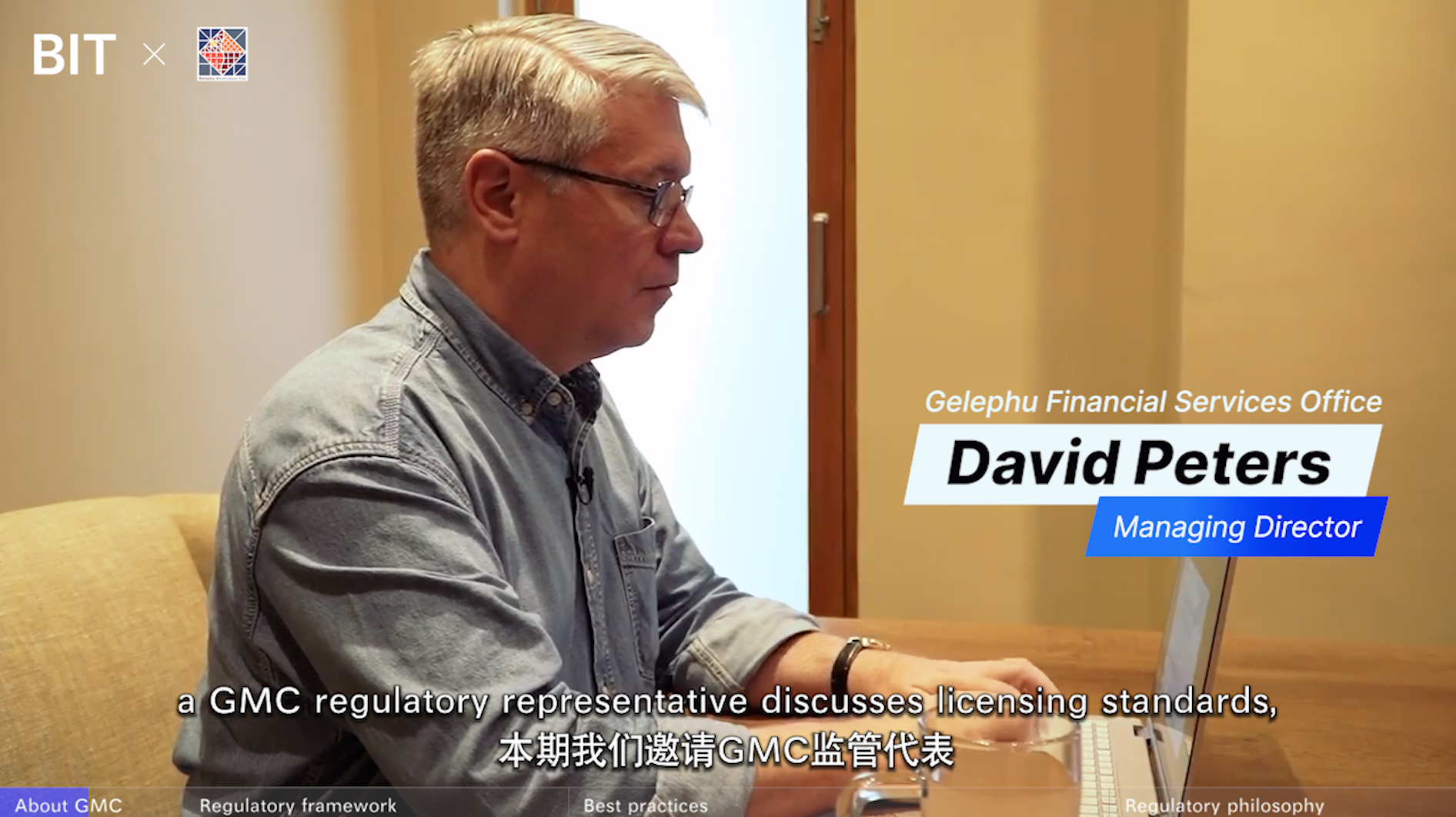
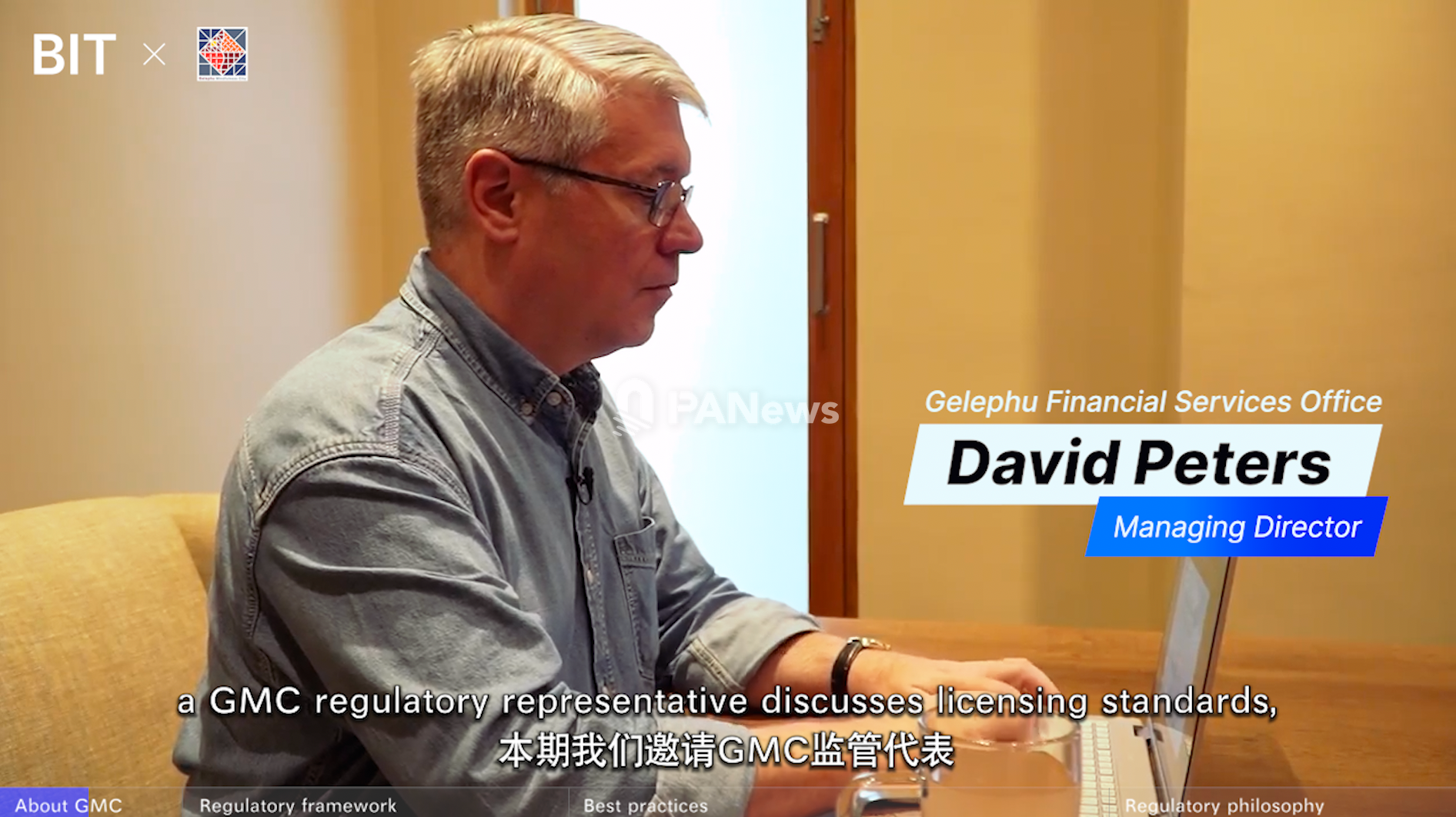
Matrix Gelephu Pte. Ltd., a subsidiary of the BIT Group, holds a financial services license issued by the Bhutan Gelephu Financial Services Office (GFSO) right here. Why choose Bhutan? What kind of regulatory protection can it provide to users? To explore this, we interviewed David Peters, the Managing Director of GFSO.
youtube.com/watch?v=9s0N5VtgNkE&feature=youtu.be
(Click to watch the full video)
Beyond Happiness, Bhutan Builds a Financial Special Zone
For a long time, Bhutan's economy mainly relied on hydroelectric exports and tourism, with limited room for growth. How to create more opportunities for the next generation has become a pressing issue for decision-makers. In December 2023, Bhutan provided its answer: establishing Gelephu Mindful City (GMC) on the southern border. The term "mindful" embodies Bhutan's fundamental reflection on national development: combining sustainable development, spiritual well-being, and business success. The essence of this city derives from Buddhist traditions of compassion and prudence, as well as a deep and lasting concern for human beings. Its positioning, however, is as an economic special zone facing the world. GMC is adjacent to India, covering an area of 2,500 square kilometers, about three times that of Singapore, and has independent commercial laws and regulatory bodies, operating separately from the legal system in other parts of Bhutan.
This concept is not new. The Dubai International Financial Centre (DIFC) is a precedent: it is located within the UAE, which practices civil law, yet has independent common law courts and regulators. Since 2004, it has gradually developed into the leading financial center in the Middle East. GMC follows the same path.
A Financial Special Zone with Three Key Choices
Drawing on Mature Laws Rather Than Starting from Scratch. GMC does not legislate on its own. The "GMC Law No. 1 (2024)" effective on December 26, 2024, introduces 18 laws from Singapore and 10 financial regulations from the Abu Dhabi Global Market (ADGM). ADGM is one of the earliest financial centers in the world to regulate crypto assets. Thus, businesses enter a mature common law system, rather than a loosely regulated space of "just registration."
Treating Digital Assets as Core. Bhutan has mined Bitcoin using surplus hydroelectric power for years, making it one of the countries with the highest Bitcoin holdings. In January 2025, GMC will include Bitcoin and Ethereum in its strategic reserves; in December of the same year, Bhutan committed to allocate up to 10,000 Bitcoins to support city construction.
Aligning with Mature Markets. Starting May 2026, companies already regulated in Singapore, ADGM, or Hong Kong can complete registration, regulatory review, and bank account opening through an expedited channel. DK Bank, with state-owned background, serves as a partner bank, offering multi-currency accounts and channels for fiat and crypto asset transactions.
As GFSO officials put it, GMC's advantage is that it "can start from scratch," benchmarking the best practices of global leading financial centers without inheriting those "layered, complex, and sometimes even contradictory" rules.
The Bhutanese Regulatory System and How It Protects User Assets
The GFSO does not classify regulation based on institutional type, but focuses on the actual business conducted by institutions and their risks. David Peters stated in the interview: "Without lowering standards, regulation can also be efficient and robust."
Specifically, this framework guarantees user assets through three aspects: who can enter, how supervision continues, and how issues are handled when they arise.
Strict Entry Thresholds. Applicants for licenses must meet three requirements: first, transparency in ownership and personnel: ultimate beneficial owners must be clearly identifiable, and shareholders and senior management must pass "fit and proper" checks, including integrity records and any past penalties. Second, sufficient operational capability: companies must establish independent risk control and compliance teams with the power to suspend trading or products; hold capital sufficient to absorb potential losses; establish anti-money laundering measures, and accept independent supervision from the Gelephu Financial Intelligence and Compliance Center (GFICC), rather than relying on self-certification. Third, ongoing compliance: these requirements must continually be met throughout the licensing period, not just at the time of the application.
Greater Risk Exposure Means More Frequent Reviews. The GFSO sets a dynamic risk score for each licensed institution and determines the frequency of comprehensive reviews accordingly. Platforms holding assets for retail users will be subject to more frequent reviews than companies serving only a few institutional clients. Between two reviews, a warning mechanism continuously monitors the data reported by institutions. Should there be an abnormal decrease in capital or irregularities in reports, checks may be initiated early. If issues are not rectified, GFSO may restrict business until a license is revoked.
Even if Institutions Cease Operations, Client Assets Have Clear Destinations. Client assets must comply with applicable isolation and custody requirements. If a licensed institution enters liquidation procedures, applicable client assets will be handled according to established allocation and bankruptcy rules, designed to facilitate returning such assets to clients. In the words of the regulatory authority, the GMC's common law bankruptcy system ensures that client assets "will not be misused to pay the financial institution's own debts."
Why BIT Chooses Bhutan for Regulation
BIT adheres to core compliance principles in its global layout: each product is provided by clearly identified operational entities, and when necessary possesses the relevant licenses or regulatory statuses, operating within a clearly defined regulatory framework, governance structure, and business boundaries. GMC meets this principle for the following three reasons:
First, regulatory coverage matches. GMC covers digital assets, traditional finance, and financial technology, ensuring that each segment of business has rules to follow for platforms connecting crypto and traditional markets.
Second, standards are internationally applicable. The rules are based on ADGM and reference Singapore and Hong Kong, allowing partners, auditing firms, and institutional clients to use familiar standards for assessments.
Third, focus on actual operations. GMC considers the establishment of the company, operational preparations, and banking arrangements in an integrated manner. Licensed institutions must have available banking channels upon obtaining their licenses to reliably serve clients.
Taking BIT Securities as an Example. BIT Securities is operated by Matrix Gelephu Pte. Ltd. under the group and holds a financial services license issued by the Bhutan GFSO; trading services for US and Hong Kong stocks are provided through U.S.-registered broker-dealers and partner brokers holding Type 1 licenses from the Hong Kong Securities and Futures Commission (SFC). As a licensed operational entity, BIT Securities must comply with the GMC regulatory requirements applicable to Matrix Gelephu Pte. Ltd.'s licensed businesses, including ongoing supervision, client asset protection, and anti-money laundering controls.
This also underscores the significance of BIT choosing to accept rigorous regulation. From account opening to trading and custody, related services are provided under applicable regulatory frameworks and control measures, ensuring user protection at an institutional level.
In Closing
Choosing to be licensed means that the platform operates under regulation at all times. These constraints are not easy, but they address the two most pressing concerns of users: who is managing my assets and who is supervising this company.
The digital asset industry is entering a new phase. The criteria for measuring a platform are no longer the speed of product launches or the pace of scale expansion, but whether the regulation is clear, governance is robust, and infrastructure is reliable. Bhutan has responded to this trend with a financial special zone built from the ground up, and BIT's choice to be licensed here is also a response to this trend.
For BIT, strict regulation is an asset. The group will continue to promote compliance, risk control, and global operational capabilities to win user trust over the long term with capabilities that stand the test of time.
Disclaimer: This article is for informational purposes only and does not constitute any investment advice, offer, or invitation to offer. The availability of various products and services depends on the applicable laws and regulations in the user's jurisdiction, platform qualification review processes, and relevant service terms. Different products and services may be provided by different entities and are subject to different regulatory frameworks, service terms, and risk disclosures.
免责声明:本文章仅代表作者个人观点,不代表本平台的立场和观点。本文章仅供信息分享,不构成对任何人的任何投资建议。用户与作者之间的任何争议,与本平台无关。如网页中刊载的文章或图片涉及侵权,请提供相关的权利证明和身份证明发送邮件到[email protected],本平台相关工作人员将会进行核查。


