

Author: Zen, PANews
In over seventy years of NBA history, the most dominant player is undoubtedly Michael Jordan, but when it comes to the strongest teams, people often have different answers—the six-time champion Bulls dynasty led by Jordan, the three-peat Lakers led by the Shaq-Kobe duo, and the "Super Warriors" featuring Curry and Durant; each team is a reasonable choice.
However, in the field of venture capital, the strongest NBA team is undisputed. The Golden State Warriors of the 2017-18 season have an incredibly luxurious resume on the basketball court. Yet, flipping back through this team's roster eight years later reveals something even more special: this is also the NBA's most investment-savvy locker room in history.
Among the 17 regular season players of that year, nearly ten had investment experience, with the most notable being Durant, who invested in hundreds of companies including Robinhood and Coinbase, and Iguodala, who earned hundreds of millions from a single investment in Zoom.
Even Omri Casspi, who averaged only 5.7 points and was cut to make space for the playoffs, has just completed a $250 million fundraising for his venture capital firm Swish Ventures, becoming the head of a VC managing over $800 million in assets.
If we rewind to 2017, they were merely teammates in the same locker room. But looking back eight or nine years later, this locker room seems to have preemptively gathered a group of Silicon Valley investors, with Andre Iguodala perhaps being the first to turn investment into a "second career."
Iguodala, the "Investment Mentor" in the Warriors' Locker Room
If the Warriors' locker room were to vote for the player closest to the "investment mentor" role, Andre Iguodala would be the obvious choice. 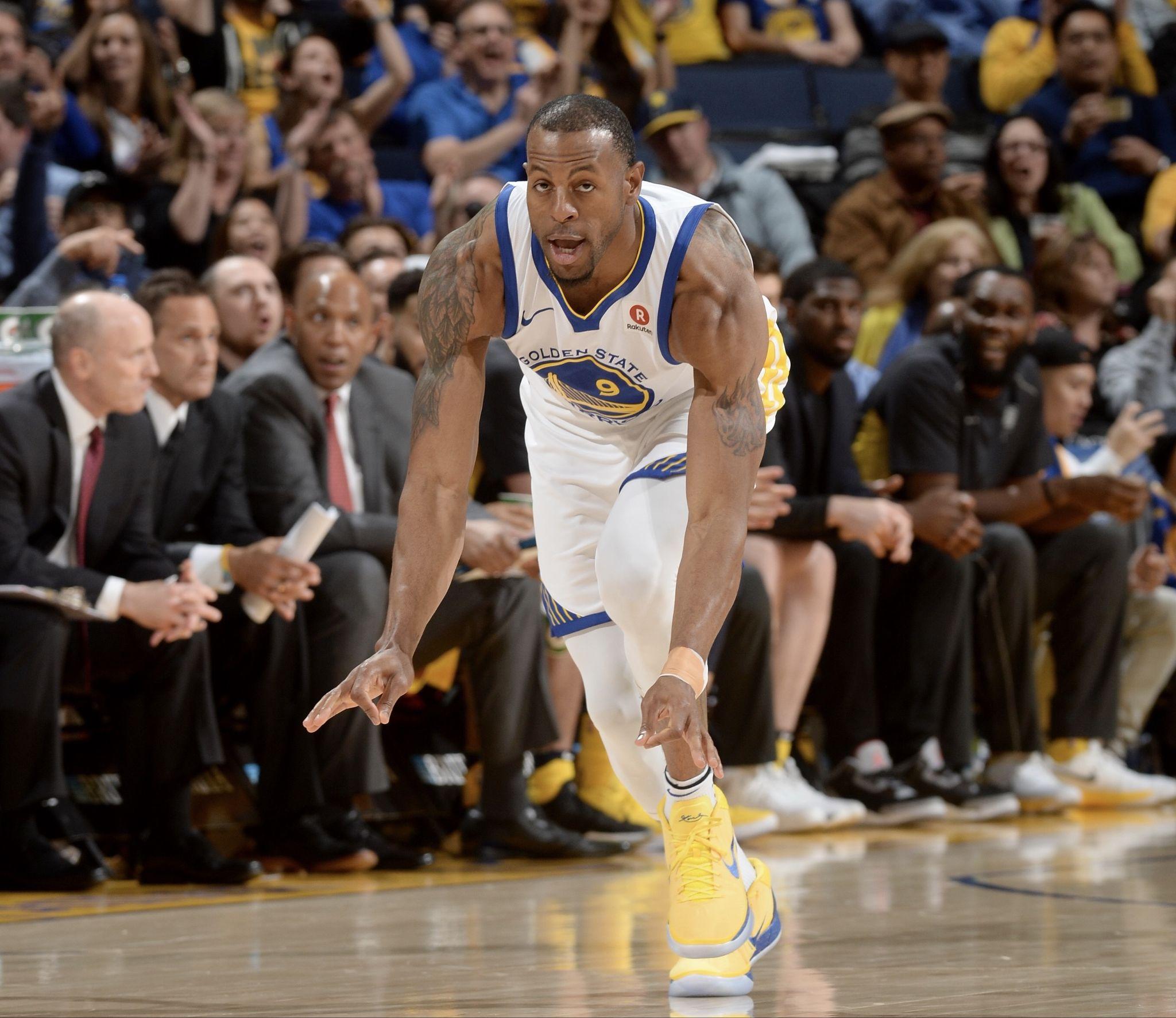
Before the Warriors dynasty truly formed, Iguodala had already begun studying investments. He reminisced that his first purchase of Zynga stock was through E-Trade, and after achieving good returns in a short time, he began pondering a more in-depth question: if buying stocks after a company goes public is profitable, why not invest before its IPO, or even when it's just founded?
It was during this process that Iguodala first truly encountered early-stage investing. Later, Jeff Jordan, a partner at Andreessen Horowitz, became one of his most important investment mentors, not only introducing him to entrepreneurs and investors but also helping him establish a judgment methodology closer to that of professional investors: rather than investing indiscriminately, focus on companies he genuinely understands and can assist through personal resources.
By around 2018, Iguodala had invested in over 40 companies through vehicles like F9 Strategies, including Zoom, PagerDuty, Allbirds, Casper, Carta, Lime, and Jumia, even joining the board of Jumia. In the following years, these investments began to realize returns. In 2019, as Zoom, PagerDuty, and Jumia went public, Iguodala experienced his "IPO harvest season."
Zoom is perhaps Iguodala's most iconic investment. His connection with Zoom's founder, Eric Yuan, was largely due to basketball—Yuan is a Warriors fan, and after discussing basketball and entrepreneurship at an event, they established a connection, leading Iguodala to become an investor before Zoom's IPO.
In 2019, Zoom went public on Nasdaq and quickly became one of the most outstanding tech IPOs of the year. The exact returns from Iguodala's investment have not been publicly disclosed, but considering Zoom's valuation and market cap growth, it is undoubtedly one of the most successful early-stage investments of his career. Iguodala later publicly lamented, "Why didn't I invest more back then?"
However, what truly made Iguodala special in that Warriors team was not just his investment portfolio. As his network in the investment community expanded, he began actively introducing venture capitalists and entrepreneurs he knew to other athletes, also organizing investment opportunities for fellow players to participate in.
In 2017, he co-founded the Players Technology Summit with business partner Rudy Cline-Thomas, bringing athletes, VCs, and tech executives together in the same venue. Later, "helping professional athletes enter the tech investment space" gradually evolved into a relatively mature business model.
After retiring, Iguodala did not stay in the individual angel investment stage but fully entered the professional venture capital industry, now being a part of the Mosaic General Partnership investment team.
From his initial purchase of Zynga through E-Trade to investing in Zoom and bringing teammates into the Silicon Valley investment network, Iguodala achieved more than just a transition from athlete to investor. In a way, he was the first person in that Warriors locker room to start "passing the ball"—except this time, what he was passing was investment opportunities.
Durant outside the court turned joining the Warriors into a "Silicon Valley internship"
For Kevin Durant, the most glorious period of his career undoubtedly came during his three years with the Golden State Warriors. In 2016, Durant joined the Warriors, forming a nearly unstoppable "Super Warriors" with Curry, Thompson, and Green. In those three years, he secured two of the only two NBA championships of his career and was named Finals MVP twice in a row.
Outside the court, however, a subtle yet significant change was occurring: Durant began to enter the world of venture capital. The recent attention on Durant's investment portfolio was sparked by Nvidia's $12.93 billion acquisition of Hugging Face, with several media outlets revealing that as an early investor in Hugging Face, Durant could reap as much as $60 million from the deal.
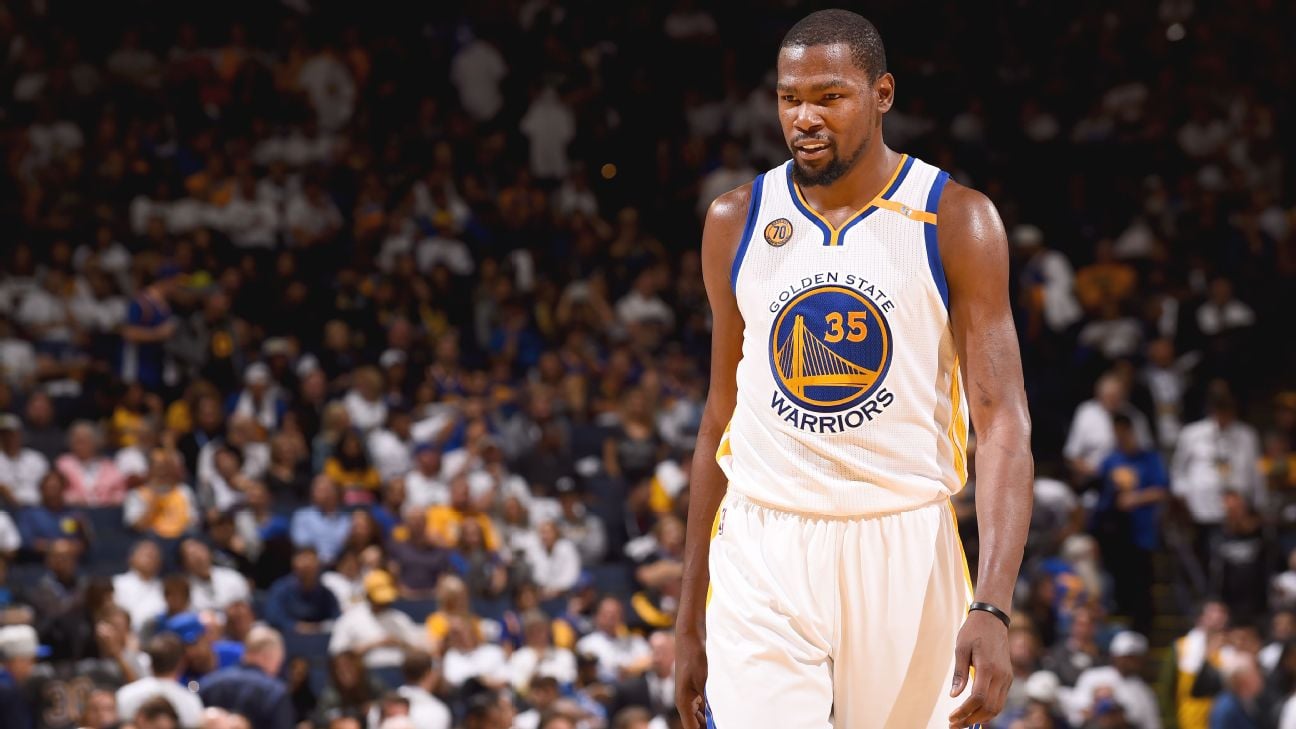
Within that "Super Warriors", Durant was also one of the first professional athletes to systematize investing. As early as 2016, he co-founded Thirty Five Ventures with long-time business partner Rich Kleiman, which is known today as 35V. Strictly speaking, his investment career did not begin with joining the Warriors; during his final period with the Oklahoma City Thunder, the two had begun building their own business and investment framework.
However, the three years after moving to the Bay Area truly changed the trajectory of Durant's investment career. During his time with the Warriors from 2016 to 2019, Durant and Kleiman entered the Silicon Valley startup and venture capital community in depth, frequently interacting with entrepreneurs, investment institutions, and tech companies, rapidly establishing their own network. Companies that would later gain fame, like Postmates, Acorns, Whoop, Overtime, Robinhood, and Coinbase, gradually appeared on his investment list.
By the time of an ESPN interview in 2018, Durant's investment portfolio had expanded to around 30 companies, with early individual investment amounts typically ranging from $250,000 to $1 million, including Coinbase, Acorns, Rubrik, LimeBike, and Postmates. At the same time, those discussing investments around him became influential figures in Silicon Valley like Ron Conway and Ben Horowitz.
It was also during this period that Durant first truly understood how venture capital operates. He later recalled that his previous understanding of VC was quite simple: find a good company, invest in it, and then wait for it to explode. However, after entering the Bay Area, he realized that a venture capital firm might receive hundreds of proposals daily, but only a few would actually proceed to the next round of research. Investors need to continuously sift through projects, study companies, communicate with CEOs, engineers, and teams, and then decide which companies are worthy of investment.
This gradually made Durant realize that venture capital isn’t about searching for a one-time "lightning strike" but is a long-term ongoing process of selection, learning, and betting. This mindset was later brought into his investment strategy. Instead of trying to find the next world-changing super company right away, it is better to continually seek out projects he can understand and bet on, allowing time and his investment portfolio to amplify the returns from a few winners.
Eight years later, this method has yielded substantial fruits. Durant's investment firm 35V's portfolio includes over 100 startups, covering sectors like fintech, AI, health, and media. Beyond startups, he has also expanded his asset map into professional sports, holding stakes in teams like Philadelphia Union and Gotham FC.
Although he only played for the Warriors for three seasons before parting ways with the team, these three years were likely one of the most impactful experiences of his career, both in basketball and investment: he won two championships and two FMVPs here, and it was also here that he transformed from an "NBA star who invests" into a systematic tech investor.
The 5.7 points per game Casspi later managed an $800 million fund
Compared to Durant, who was already aware of his path as an investor upon arriving in the Bay Area, Omri Casspi's story better illustrates the Warriors locker room's influence on players' investment philosophies.
In the summer of 2017, Casspi joined the Warriors on a minimum contract. During the 1718 season, he played only 53 games, averaging 5.7 points and was cut in April 2018 to make space for the playoffs. Although the Warriors eventually awarded him a championship ring, this was merely an unremarkable stop in his ten-year NBA career when considering his on-court performance.
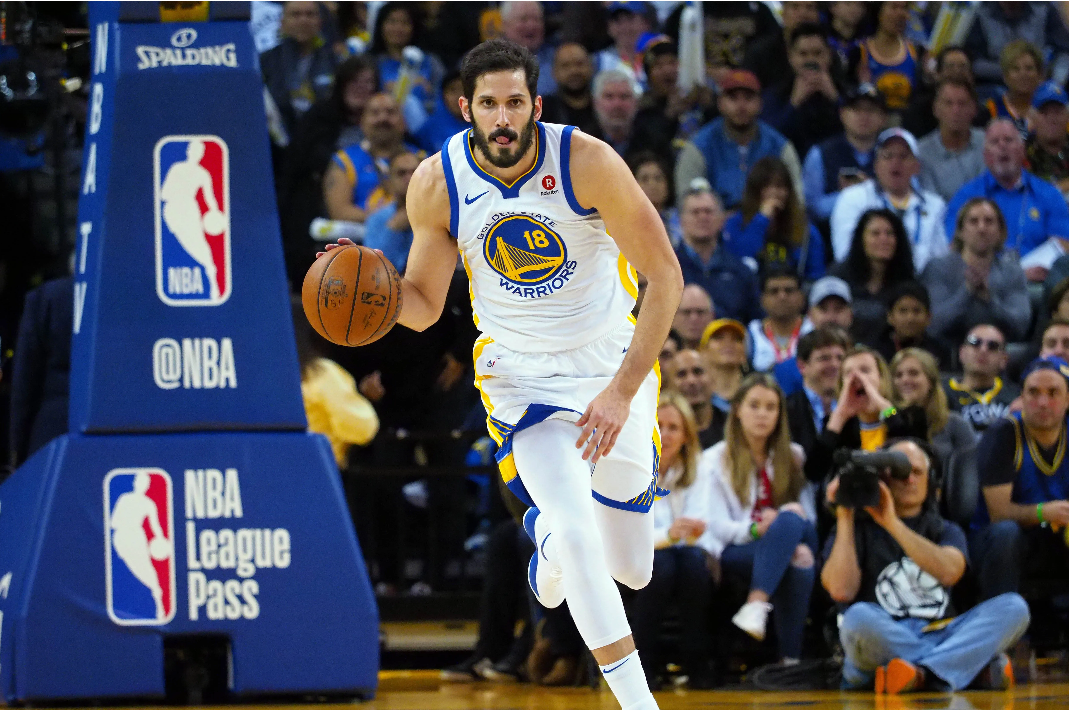
However, for Casspi, who had played for seven teams, the year he spent with the Warriors during the 2017-18 season had the most significant impact on his post-retirement life planning.
Within the team, he saw Curry, Durant, and Iguodala discussing their investment portfolios and exchanging ideas about startups in the locker room. On the court, many Silicon Valley entrepreneurs and VCs sat courtside, with post-game meetings with these people being common. Casspi gradually realized that aside from playing basketball, "picking winners and investing in entrepreneurs" could be the second most interesting job in the world.
Influenced by this, Casspi, at the late stage of his career, began with angel investments, successively investing in companies like DocuSign and DayTwo. After retiring in 2021, he systematically entered the Israeli tech scene, establishing an early fund, Sheva, in 2022, raising $50 million mainly for Pre-seed and Seed projects.
In 2024, he launched a new fund under the name Swish Ventures, subsequently integrating Sheva. In January of that year, Casspi rented a suite at the Chase Center, the Warriors' home stadium, hosting Cognition AI co-founders Scott Wu and Steven Hao.
The Warriors vs. Lakers game was thrilling, going into two overtimes with Curry scoring 46 points; however, Casspi's attention was more focused on another "roadshow" in the suite: Wu was introducing him to an AI programming agent that had not yet officially launched. The next day, Casspi had a long discussion with Wu in Palo Alto and quickly decided to participate in Cognition's seed round.
At that time, Cognition was valued at only $150 million; today, it is seeking new funding at a valuation that may rise to $47 billion.
Similar cases include Upwind, a cloud security company that was valued at approximately $65 million in its seed round in 2022, reaching a Series B valuation of $1.5 billion by early 2026; early investments in cloud backup company Eon and AI company Applied Compute have also reached unicorn status.
As of September this year, Swish's portfolio consists of about 20 companies, with 8 having already reached a billion-dollar valuation. The latest fund completed fundraising of $250 million, with investors including Sequoia Capital and U.S. pension and endowment funds, pushing its assets under management to approximately $800 million.
Back when he joined the Warriors, Casspi was just a role player bouncing around the NBA. Nine years later, the scale of funds he manages far exceeds his entire NBA career earnings of around $18 million. In a way, he is the best example of how the "investment culture" of the Warriors brings long-term returns.
'Platform Investor' Curry integrates investment into his business empire
Compared to Durant, Casspi, and Iguodala, Curry's investment path seems much more low-key.
But that doesn't mean he started late. Curry actually began engaging with tech startups quite early, co-founding the marketing tech company Slyce, and later gradually integrating his personal brand, media, philanthropy, and investment business into the same commercial system through SC30. By December 2018, SC30 had participated in the financing of online travel platform SnapTravel; around 2019, his public investment portfolio expanded to 8 companies, including the eSports club TSM and smartphone company Palm.
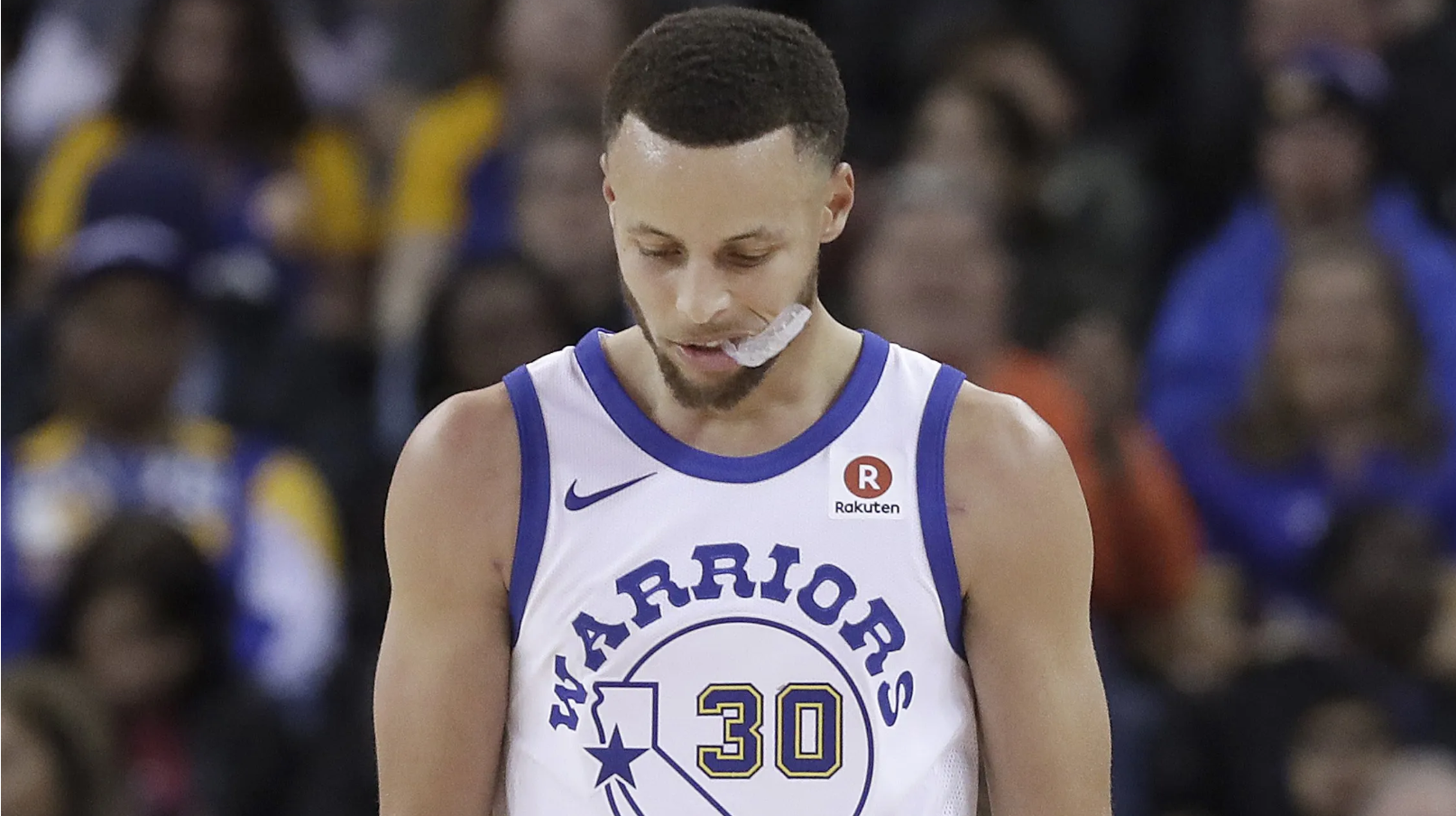
In comparison to Durant, Curry’s investment logic is also somewhat different. He does not seem anxious to rapidly increase the number of investments but is more inclined to seek businesses that can synergize with his brand, interests, and resources.
His investment in the educational platform Guild Education in 2019 is a typical example. Guild primarily helps large companies like Walmart, Disney, and Chipotle provide continuing education and job training for their employees. At that time, Curry had just established the Eat. Learn. Play foundation, with education itself being a long-term focus, so SC30's involvement with Guild was not just a pure monetary investment but also a strategic partnership.
Three years later, Guild completed a $175 million funding round, reaching a company valuation of $4.4 billion. Although Curry's specific cost of holding shares is unclear, making it difficult to calculate actual investment returns, at least based on subsequent valuation changes, this has proven to be a quite successful growth investment.
Afterward, SC30's investment activities extended further to Penny Jar Capital. Curry himself serves as a special advisor for this VC, while daily investments are handled by a professional team led by long-time business partner Bryant Barr. Penny Jar's current investment scope has expanded to various fields including enterprise software, healthcare, and AI.
From this perspective, Curry could be considered the closest to a "platform investor" among these Warriors players.
He hasn’t completely transformed into a professional fund manager like Casspi, nor has he rapidly scaled up his personal investment organization like Durant. Instead, he has chosen to integrate investment into his commercial system: the brand provides influence, the business network provides resources, and the professional team is responsible for filtering and managing projects.
From Klay, Draymond to Zaza Pachulia, the "investor list" keeps expanding
Besides endorsing Anta, Klay Thompson, who forms the "Splash Brothers" duo with Curry, has maintained a lower presence outside the court compared to Curry, Durant, and Iguodala. This is even more true in the venture capital realm, but in reality, he has not distanced himself from the game.
Klay began intensively entering the venture investment space after 2020. In 2020, he participated in funding the mental health company Lyra Health through the athlete investment platform PLUS Capital, subsequently appearing as an investor in Dapper Labs, sports media company Overtime, medical tech company Carbon Health, and sports social platform Sleepe, and AI voice company Wispr.
Another core Warrior, Draymond Green, takes a route closer to that of a traditional angel investor. As early as the mid-2010s, he began engaging with startups, investing in orthodontic company SmileDirectClub, food tech platform Snackpass, and tequila brand Lobos 1707 among others.
Unlike Durant, Green has never planned to establish his own VC firm. He believes he already has professional investors like Bill Gurley around him, so he prefers to be an LP in funds or to co-participate in specific projects with familiar investors.
The "investor list" of the Warriors does not end here.
Center JaVale McGee's investments carry strong personal lifestyle characteristics. After turning to a plant-based diet, he invested in Beyond Meat, plant-based snack brand Outstanding Foods, and food brand Tocaya Organica. Beyond Meat subsequently went public in 2019, with its share price increasing by 163% on its first day. In 2020, McGee co-invested in Dapper Labs with Iguodala and continued to participate in its funding. In 2022, McGee also took part in the funding of the Web3 e-commerce infrastructure project Rye.
Another Warriors center, Zaza Pachulia, has consciously been learning business knowledge throughout his playing career. During his early years with the Hawks, he took business courses at Emory University and later attended related courses at Harvard; after retiring in 2019, he joined the Warriors' management and continued to engage with startups and investment.
His technology investments truly began to form a continuous record around 2023. That year, Zaza participated in the seed round of medical AI company Tennr, valued at approximately $22.8 million. A year later, when Tennr completed new financing, Zaza co-invested again. By 2025, Tennr completed a $101 million funding round, reaching a valuation of $605 million, with top institutions like a16z, Lightspeed, and others appearing among the investors.
In addition to Tennr, Zaza is also an investor in AI chip company Cerebras. After completing $1 billion in financing this year, Cerebras reached a valuation of about $23 billion and signed a large-scale AI inference infrastructure collaboration with OpenAI. In July of this year, he also became an angel investor in AI safety company Neo, which has cumulatively raised $100 million, with investors including a16z, Bessemer, and Craft Ventures.
From this perspective, Zaza has made even further developments than many of his teammates in that locker room: he hasn’t established his own VC, but has gradually extended his investments from familiar areas like hotels and basketball training to medical AI, AI chips, and AI safety.
Power forward David West’s investments lean more towards industry; he invested $250,000 in clean energy company Zoetic Global in 2016. After that, he not only held shares but also served as an advisor to the company and participated long-term in energy projects. Post-retirement, he continued to engage with entrepreneurship and investment-related activities.
Reserve guard Shaun Livingston's path differs from the above players. Before joining the Warriors, he had tried his hand at film investments, but it was only after being influenced by teammates like Iguodala that he systematically entered the VC space in the Bay Area. He has attended investment meetings at Kleiner Perkins to observe how startups pitch to funds. Later, he became an LP in some projects of the venture capital firm Eonxi and continued to be active in the Bay Area venture investment network.
Looking back at the 2017-18 Warriors family photo, one discovers an interesting result: out of 17 players, at least ten later left with clear experiences in entrepreneurship investment, angel investing, or VC. Saying this locker room had "half investors" is not an exaggeration.
Why the Warriors? The Silicon Valley Network Behind One Locker Room
Why did the Warriors of the 2017-18 season gather so many investors in the same locker room? Perhaps what truly makes this team special is that it provided an environment that is hard to replicate by other NBA teams.
Firstly, there's the geographical location. The Warriors at that time were deep in the San Francisco Bay Area, with the players’ training, living, and social radius virtually directly embedded in the ecosystem most dense in global venture capital. VCs on Sand Hill Road, founders of startups in San Francisco, tech executives, and billionaires were not distant names from financial news; they could be sitting courtside watching games and dining together after the match.
Secondly, there's the team owner. Joe Lacob is not your typical sports owner. He joined Kleiner Perkins in 1987, working in the venture capital industry for over twenty years, leading investments in over 50 startups covering life sciences, medical technology, internet, and energy. It wasn't until he purchased the Warriors that he gradually stepped back from daily fund management.
In other words, this team carries a strong Silicon Valley gene right from the top. The Warriors' later emphasis on data analysis, sports science, and team management technology also aligns with this background in some ways.
However, more important than geography and ownership backgrounds is likely the network effect.
It’s not unusual for an NBA player to know a few investors, but when Iguodala is already integrated into networks of Silicon Valley VCs like a16z, Durant begins to frequently interact with Ron Conway and Ben Horowitz, and Curry has his own network of entrepreneurs and brands—all these individuals happen to be sitting in the same locker room daily. Consequently, originally personal networks began to connect, forming a whole interconnected athlete capital network.
Casspi could rent a suite for Warriors games, arranging for startup founders, potential clients, corporate executives, and investors to be in the same space. Watching a basketball game itself also turned into a setting for establishing business relationships and closing deals. To some extent, they possessed another type of precious asset: relationships with corporate executives, media outreach capabilities, and access to social networks that may be hard for regular investors to enter.
For startups, these resources are sometimes even more critical than a check. The Warriors of the 2017-18 season happened to centralize all these assets in one location.
Thus, that Warriors team was not just seen as a "Super Warriors" that nearly maximized basketball resources by outsiders: four All-Stars, two MVPs, and a group of highly compatible, experienced role players; off the court, they also achieved a rare resource aggregation.
Team basketball is the most distinctive label of that Warriors team: sharing the ball, creating space, and finding the best-positioned teammates. Off the court, they seem to have brought the same logic into the investment world. What the "Super Warriors" share is not just basketball; to some extent, they also shared a ticket to enter Silicon Valley.
免责声明:本文章仅代表作者个人观点,不代表本平台的立场和观点。本文章仅供信息分享,不构成对任何人的任何投资建议。用户与作者之间的任何争议,与本平台无关。如网页中刊载的文章或图片涉及侵权,请提供相关的权利证明和身份证明发送邮件到support@aicoin.com,本平台相关工作人员将会进行核查。


