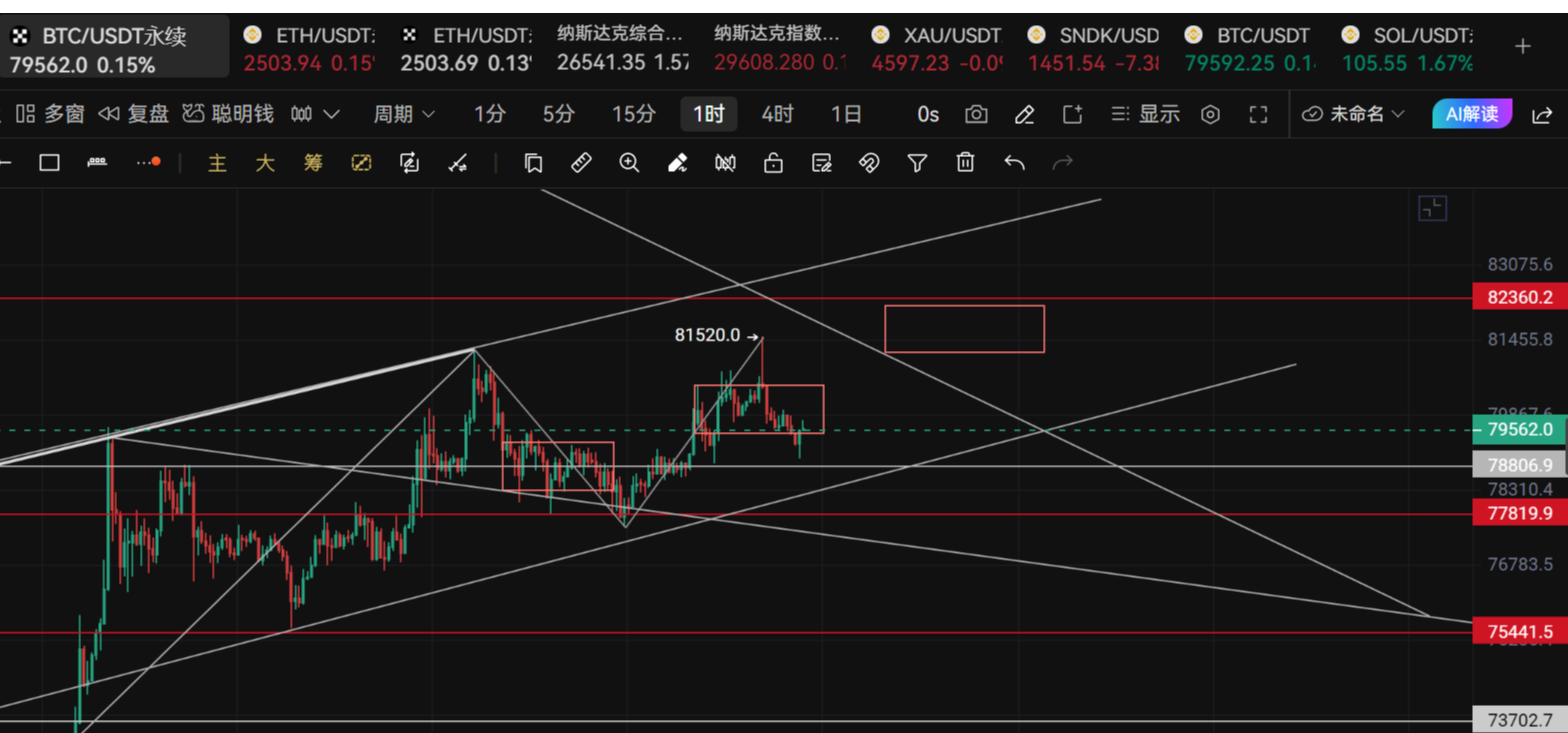
Bitcoin has just delivered an extreme data set on a weekly basis: according to a single source, it rose by approximately $14,264 in one week, with a weekly increase of about 22.7%, closing at approximately $77,387, breaking the record for the largest single-week dollar increase in history, and then it once surged to approximately $81,000, reaching a three-month high, before retreating to around $79,000 for high-level fluctuations. At the same time, new capital was not only focused on Bitcoin. On August 28, BTC ETF saw a fund inflow of about $242 million, while ETH ETF had an inflow of about $234 million on the same day, nearing the size of BTC ETF and setting a new high for itself; according to the ratio given by a single source, the inflow to ETH ETF was approximately equivalent to 96.8% of BTC ETF. Under the spot ETF mechanism, net inflows of capital correspond to increases in BTC or ETH held in custodial addresses, which is a clear structural allocation behavior. In this round of allocation, the total market capitalization of ETH was only about 18.8% of that of BTC, yet it received almost equivalent ETF absorption strength, forming a new structural focal misalignment between Bitcoin, the price performer, and Ethereum, the capital allocation player.
Weekly Surge of $14,000: Bitcoin Sets Record Weekly Growth
In this round of trading, Bitcoin increased by about $14,264 within one week, with a weekly rise of about 22.7%. According to a single source, this is the largest single-week dollar increase in its trading history so far. The same source showed that the closing price that week was about $77,387, significantly higher than the previous week's closing level, with the weekly candlestick's entity increase falling into the extreme sample of past multiple cycles. After the weekly close, the price further surged to about $81,000, reaching a three-month high, before retreating to around $79,000, where high-level fluctuations became the main price structure characteristic at this stage, and Bitcoin continues to operate above a significantly elevated range compared to previous intervals.
Behind the record-setting weekly rise in price, the allocation side is not empty. According to a single source, on August 28, BTC ETF saw a single-day fund inflow of about $242 million, indicating that the demand for incremental allocation of Bitcoin by traditional financial products is still ongoing. Combining with the mechanism of the spot ETF, net inflows of capital usually means that the custodial institutions have increased their BTC positions accordingly in related addresses. This structural action resonates with Bitcoin's continued performance at high levels, but the related price and capital data currently come from a single reported source, which still requires continuous verification in subsequent trades and on-chain data.
ETH ETF Attracting Funds Close to BTC: Market Cap Misalignment Intensifies
Also on August 28, according to a single source's data, BTC ETF saw a fund inflow of about $242 million, and ETH ETF had an inflow of about $234 million on the same day, with the inflow scale of ETH products reaching approximately 96.8% of BTC's. Under the spot ETF mechanism, this means that the custodial institutions' corresponding ETH custodial addresses need to increase their holdings close to the size of BTC to meet similar share subscription demands, and net capital inflows at the ETF level directly reflect an increase in underlying ETH positions.
The misalignment comes from the fact that at the same time, the total market capitalization of ETH is only about 18.8% of BTC, yet the allocation strength on the ETF side is almost catching up with BTC. This contrast of "18.8% market cap vs 96.8% fund inflow" has been interpreted by many participants as a possibility for ETH to experience catching up or repricing. The material also points out that ETH ETF fund inflows have consistently broken new highs, and against the backdrop of BTC's record weekly soaring and improved macro liquidity expectations, this divergence of market cap and funds is seen as a signal for institutions to increase stakes in ETH through ETF channels in advance. However, the relevant data currently only comes from a single reported source. Whether this will evolve into a genuine breakout market still requires verification from the price performance and the continuous accumulation situation in custodial addresses.
Jiang Zhuoer Bets All on ETH: The Choice of a Mining Pool Founder
As the discussion around "ETH might have catching up and repricing potential" continues to grow, the stance of a veteran Bitcoin supporter stands out significantly. According to public reports, Jiang Zhuoer, the founder of B.TOP mining pool, is one of the representative figures who has long engaged in business centered around Bitcoin and has deep involvement in the early development of the industry, holding a certain influence within the miner and trader community. Precisely because of his identity being closely linked to BTC, he has been continuously focused on Bitcoin’s trends and cycles for years, and his high-profile discussion of ETH in the same time window is seen as a symbolic "alignment" to the current narrative around asset allocation.
According to a single source's quotation, Jiang Zhuoer judges that ETH is currently in the "high-level consolidation with continuously increasing low points" stage, believing that this consolidation structure is relatively solid. With strong capital inflows and structural support, ETH might break upward at any time, putting pressure on shorts. On this basis, he publicly stated, "I hold all my funds in ETH," fully betting his personal position on ETH. This choice aligns with Bitcoin's weekly recorded historic dollar increase of approximately 22.7%, and the day’s ETH ETF inflow being about 96.8% of BTC ETF, all occurring within the same time frame. Coupled with the structural characteristics of spot ETFs increasing their positions through custodial addresses, many market participants interpret it as: even during a phase where BTC strongly occupies the center of price and discussion, some veteran players from Bitcoin have already started to use their positions to bet on an alternative protagonist supported by ETH's consolidation structure and ETF absorption capability.
U.S. Treasury Expands Buybacks: Easing Expectations Supporting Crypto Assets
During the same time window, the U.S. Treasury announced that it would increase the scale of its "long-term liquidity support repurchase operations" from at least $2 billion to at least $4 billion per operation, according to a single source report. This plan is defined as a continuing long-term liquidity support arrangement rather than a one-time short-term tool, and the market generally views it as a signal of easing macro liquidity conditions. In the pricing framework of risk-sensitive assets, similar policies are often interpreted as background variables that ease capital environment pressures and enhance asset valuation elasticity.
According to AiCoin data, during the same time frame as the announcement of this expansion plan, Bitcoin recorded a weekly increase of about 22.7%, rising about $14,264, setting its historic largest single-week dollar increase; on August 28, BTC ETF saw a fund inflow of about $242 million, and ETH ETF about $234 million, with the latter hitting a new high and nearing the former. Under the spot ETF mechanism, the increase in corresponding BTC or ETH through custodial institutions forms structural allocation, and against the backdrop of rising macro liquidity expectations, the significant increase in BTC prices and the continuous absorption of ETH ETF have been interpreted under the same risk asset framework, becoming a concentrated reflection of the current cryptocurrency market being supported by liquidity expectations.
ETH in Consolidation: Higher Low Points and Potential Breakout Space
From a structural perspective, Jiang Zhuoer classifies the current ETH as "high-level consolidation with continuously increasing low points." The core feature is that the price has not strayed far from relative highs, but each round of decline has raised the low points, and selling pressure is quickly absorbed by buying pressure, presenting a distinct sense of stability in the consolidation range. At the same time, the total market cap of ETH was only about 18.8% of BTC, yet on August 28, it recorded an ETF fund inflow of about $234 million, or approximately 96.8% of BTC ETF, setting a new high again. According to the spot ETF mechanism, net inflows mean that custodial institutions are increasing their corresponding ETH assets on-chain. This sustained accumulation combined with the higher low points provides technical and capital support for discussions about "repricing potential."
In this consolidation pattern, the risks for shorts tend to be passive rather than active. Jiang Zhuoer believes that the strong ETF inflow and the high-level consolidation structure together mean that ETH, at any upward breakout, could trigger pressure on shorts: once the upper limit of the consolidation range is effectively broken, previously established short positions within that range will have to respond to accelerated price movements. Additionally, the continuously accumulating positions from the custodial addresses in the spot ETF diminish the retracement space, creating an unfavorable risk-reward structure for short sellers: with uncertainty above and clear support below. Until the consolidation range is effectively broken down, shorts are in a disadvantageous position that could be hit by reverse fluctuations at any moment.
BTC Surge and ETH Focus on Future Markets: Key Observational Indicators
According to AiCoin data, the core image of this round of the market is relatively clear: BTC recorded the largest single-week dollar increase in history in late August 2026, with a weekly increase of about $14,264, a weekly rise of about 22.7%, closing at approximately $77,387 and once touching about $81,000 as a three-month high; on August 28, BTC ETF saw fund inflows of about $242 million, and ETH ETF about $234 million, with the inflow to ETH being about 96.8% of BTC, all while the total market cap of ETH is only about 18.8% of BTC. Coupled with the U.S. Treasury raising the scale of its long-term liquidity support repurchase operations from at least $2 billion to at least $4 billion per operation, the macro liquidity expectations are marginally turning towards ease. Thus, the current structural signals that warrant more attention are not merely the single price trend but are instead the BTC and ETH spot accumulation at the ETF custodial address level, the continuous buildup of ETH's high-level consolidation pattern, and the relative rebalancing of capital between the two assets. The key variables to continue monitoring include: the rhythm of fund inflows and custodial size changes for BTC and ETH spot ETFs, the relative strength evolution in market cap and price for both, and the further implementation of the U.S. Treasury's repurchase actions alongside other macro policies; at the same time, it should be noted that all the price and capital data in this article come from a single reported source and do not constitute any investment advice. Readers must retain verification space when referencing related information and place risk management ahead of trading decisions as a basic premise.
Join our community, let's discuss and become stronger together!
AiCoin exclusive Hyperliquid benefits: https://app.hyperliquid.xyz/join/AICOIN88
AiCoin exclusive Aster benefits: https://www.asterdex.com/zh-CN/referral/9C50e2
On-chain Telegram community: https://t.me/AiCoinWhaleData
On-chain community: https://www.aicoin.com/link/chat?cid=N6OVMor5g
AiCoin on-chain Twitter: https://x.com/aicoinwhaledata
免责声明:本文章仅代表作者个人观点,不代表本平台的立场和观点。本文章仅供信息分享,不构成对任何人的任何投资建议。用户与作者之间的任何争议,与本平台无关。如网页中刊载的文章或图片涉及侵权,请提供相关的权利证明和身份证明发送邮件到support@aicoin.com,本平台相关工作人员将会进行核查。