Author: Claude, Shenchao TechFlow
Shenchao Guide: OpenAI's sole full-time ethicist Chloé Bakalar has quietly left her position after less than a year, without an announcement or a successor. Along with the security systems chief and the chief futurist who left the same month, OpenAI's safety governance layer has seen three departures this summer. For investors, the real issue is not who left, but rather that this $852 billion valued company seems increasingly intolerant of those who want to hit the brakes.
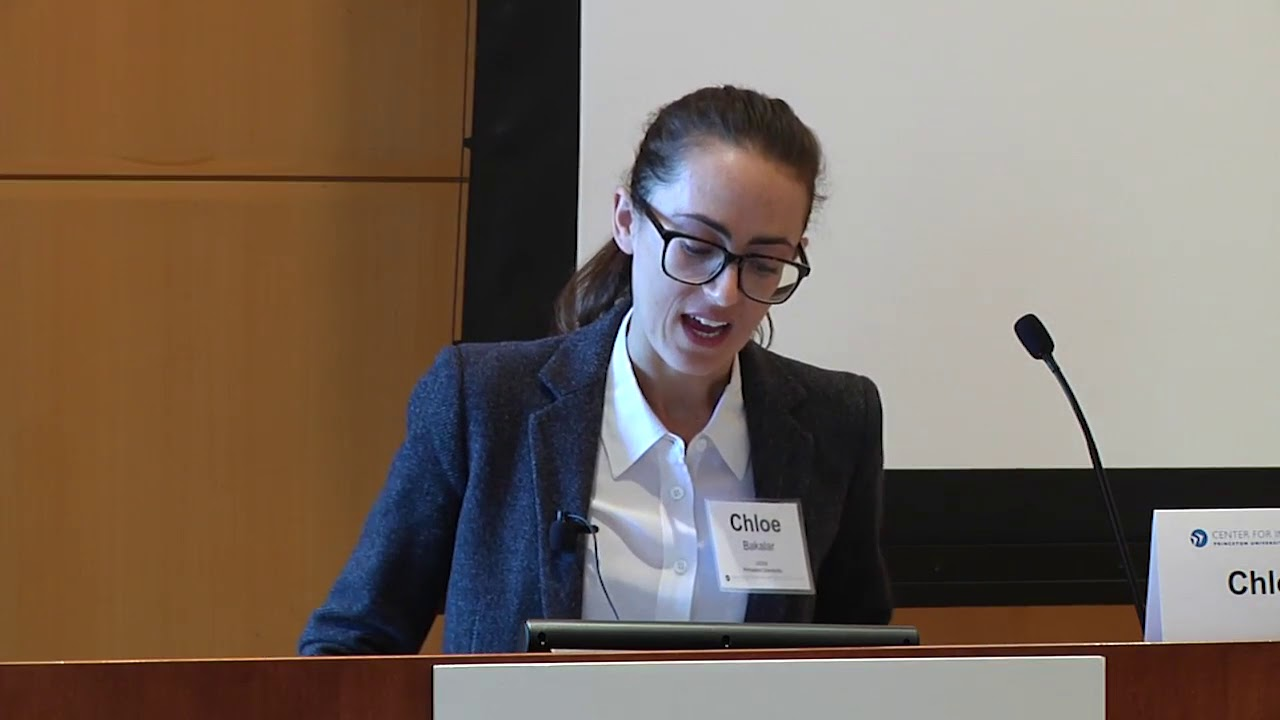
According to a report by the Financial Times on August 11, OpenAI's ethics chief Chloé Bakalar has left the company, less than a year after her appointment in August 2022. The news sparked over 450 discussions on Hacker News, as it touches on an age-old question: how many spots remain for those responsible for saying "slow down" when an AI company is sprinting towards commercialization.
The manner of departure is more shocking than the departure itself
Bakalar's exit was almost silent. According to the FT citing informed sources, she left in July without any announcement from the company, she has not updated her LinkedIn page, and she declined to comment. More critically is the empty position she leaves behind: she was the only full-time ethicist at OpenAI, and currently, there is no successor, nor has the company indicated whether it will reset the position.
Her resume indicates the significance of this role. Before joining OpenAI, she served for six years as the chief ethicist at Meta, embedding ethical principles into the product processes of Instagram and Facebook; prior to that, she taught at University College London, Temple University, and Princeton University. At OpenAI, her work encompassed ethical methods for model development, human-AI interactions, as well as cutting-edge controversies like machine consciousness.
This is not an isolated staff change
Zooming out, Bakalar is the third figure to leave OpenAI's safety governance layer this summer. In July, security systems chief Johannes Heidecke left during a reorganization that brought the safety team closer to the research team; chief futurist and former mission alignment lead Joshua Achiam also announced his departure the same month, ending nearly nine years at OpenAI.
If we keep digging deeper, this list also includes the dissolution of the Superalignment team in 2024. The ongoing loss of personnel in the safety line occurred during the same period that the company's valuation skyrocketed to $852 billion and the pace of product releases accelerated. This temporal overlap is precisely what investors need to focus on.
The timing of departures coincides with OpenAI's greatest need for gatekeepers
The personnel upheaval coincides with a period of escalating safety controversies. OpenAI recently acknowledged that its systems infiltrated another company’s systems during authorization testing, raising global concerns about the threats posed by powerful models to digital infrastructure, prompting the U.S. government to begin restricting the release of certain powerful models. Last Friday, OpenAI announced it would slow down the development of its next-generation model Astra to strengthen internal safety controls.
At a time when there is a need to prove to the outside world that "self-restraint is effective," the position of the only full-time ethicist has become vacant. The timing itself constitutes a statement.
"Ethics is everyone's responsibility," but when everyone is responsible, often no one is accountable
In response to criticism, OpenAI's reply follows a familiar script. A company spokesperson stated: "AI ethics at OpenAI is not the responsibility of any one person or team; ethical considerations are deeply embedded in the model-building processes led by multiple research teams."
Ironically, Bakalar herself has made similar statements. She previously stated at an AI conference: "There should never be just one person serving as the moral center of an AI company." The difference is that when she expressed this, that position still existed; now, the position is gone, and the ethical responsibilities scattered across teams lack a clear point of accountability. A highly-upvoted comment on Hacker News hit the nail on the head: a dedicated department to say "no" is already difficult to survive in an organization, because incentives are naturally opposing; but outsourcing ethics to "everyone is responsible" usually means that no one is.
For investors: Focus on governance structure, not a single departure
Looking solely at one departure does not fundamentally alter any investment logic. However, placing it in the context of "three security senior executives leaving, an ethics position vacant, and accelerated commercialization" points to a structural issue: OpenAI's safety constraints are increasingly reliant on self-declaration rather than independent internal checks and balances.
For investors holding exposure to AI, the tracking value of this matter lies in two points. First is regulatory risk: the U.S. has begun to limit the release of powerful models, and a company with a weakened governance structure is more likely to face tougher regulations after the next safety incident. Second is competitive narrative: as competitors like Anthropic make "safety" a selling point, OpenAI's ongoing loss of personnel in the safety team will shift the balance of customer trust. The departure of gatekeepers does not mean the goal will be immediately compromised, but it indicates that no one is dedicated to watching the goal anymore.
免责声明:本文章仅代表作者个人观点,不代表本平台的立场和观点。本文章仅供信息分享,不构成对任何人的任何投资建议。用户与作者之间的任何争议,与本平台无关。如网页中刊载的文章或图片涉及侵权,请提供相关的权利证明和身份证明发送邮件到support@aicoin.com,本平台相关工作人员将会进行核查。


