Author: Jessica Feng (@jf4172), Investment Manager, Hash Global BNBY Fund | James (KK) Shen (@longwinsk), Founder, Hash Global
Summary
- BNB's positioning is upgrading from a public chain ecosystem token to a core asset of open financial infrastructure.
Over the past nine years, BNB's value proposition has undergone two significant upgrades:
- The first was the transition from an exchange platform token to an ecosystem token centered around the BNB Chain;
- The second is currently happening. As the BNB ecosystem gradually accommodates traditional assets, global investors, and on-chain application scenarios, BNB is evolving from an ecosystem token to a value-carrying asset of global open financial infrastructure.
- The uniqueness of the BNB ecosystem lies not only in its public chain performance but also in its backing by Binance's network of over 300 million global users, providing a complete financial ecosystem that includes wallets, trading, payments, DeFi, stablecoins, and RWA. We believe it is one of the closest Web3 ecosystems to "internet-like financial infrastructure" at present.
- RWA is the key business leverage for BNB to grow from 300 million users to 3 billion users.
- The Binance management team proposed moving from 300 million users to 3 billion users. We believe this goal cannot be achieved solely through transactions of native crypto assets. The largest incremental growth will come from broader financial assets, lower-friction global account systems, and cross-border capital flows driven by stablecoins.
- In the past year, the BNB ecosystem has gradually opened up pathways for RWA development: stablecoins provide a funding entry point, high-quality global asset providers offer asset supply, and BNB Chain facilitates on-chain circulation and DeFi protocol combinations; the two major wallets, Binance Wallet and Trust Wallet, along with the Binance exchange, offer entry points for global users and funds.
- The recent launch of US stock trading and bStocks further opened the door for traditional financial assets to enter the BNB ecosystem and established a replicable standard paradigm, likely to become a key catalyst for accelerating the development of this pathway.
- Therefore, we believe the BNB ecosystem will enter a new growth cycle, and the new value will ultimately be reflected in the core value carrier of the ecosystem—BNB.
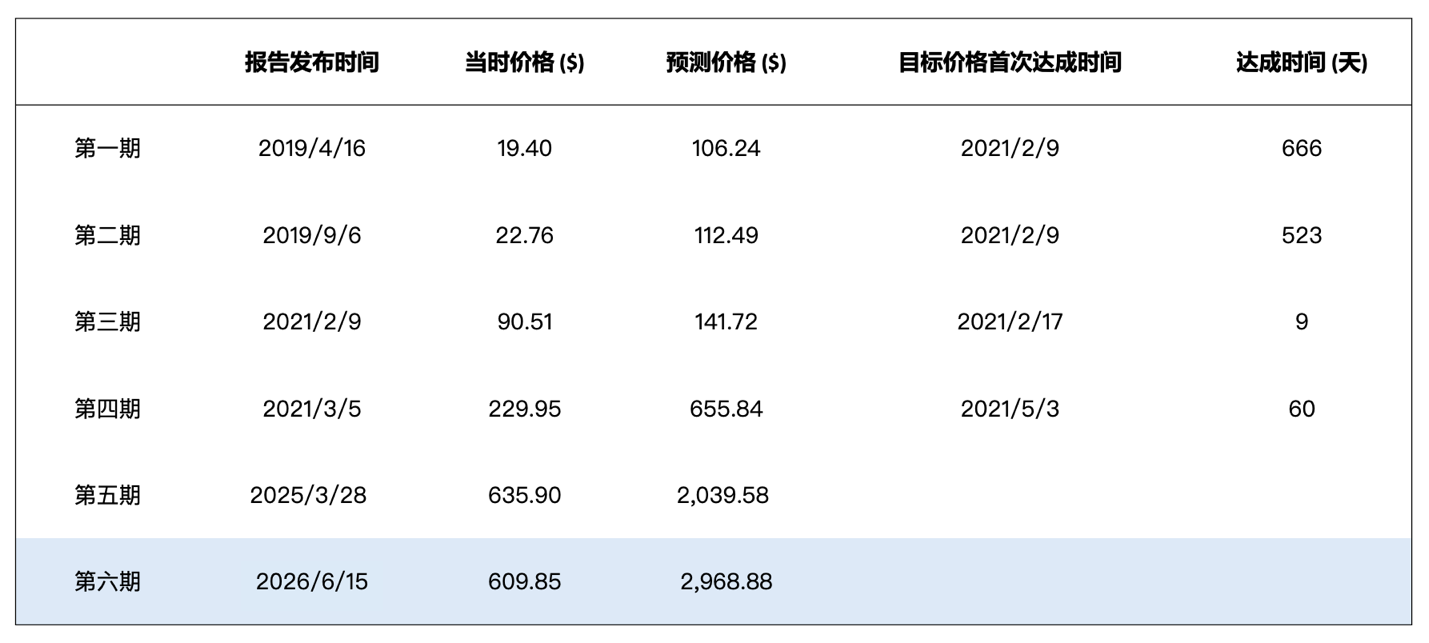
- We are raising the valuation of BNB to $2,968. This report also introduces a traditional investment framework, estimating the lower limit of BNB's valuation at $1,471.
- In this update, we first introduce the valuation perspective of traditional capital markets, calculating BNB's value based on "holder returns", resulting in a target price of $1,471, corresponding to approximately $200 billion in market value. We aim to understand BNB's value base in a manner more familiar and acceptable to investment institutions. Since BNB includes other functional and ecosystem values, we suggest viewing this result as the lower limit of BNB's valuation.
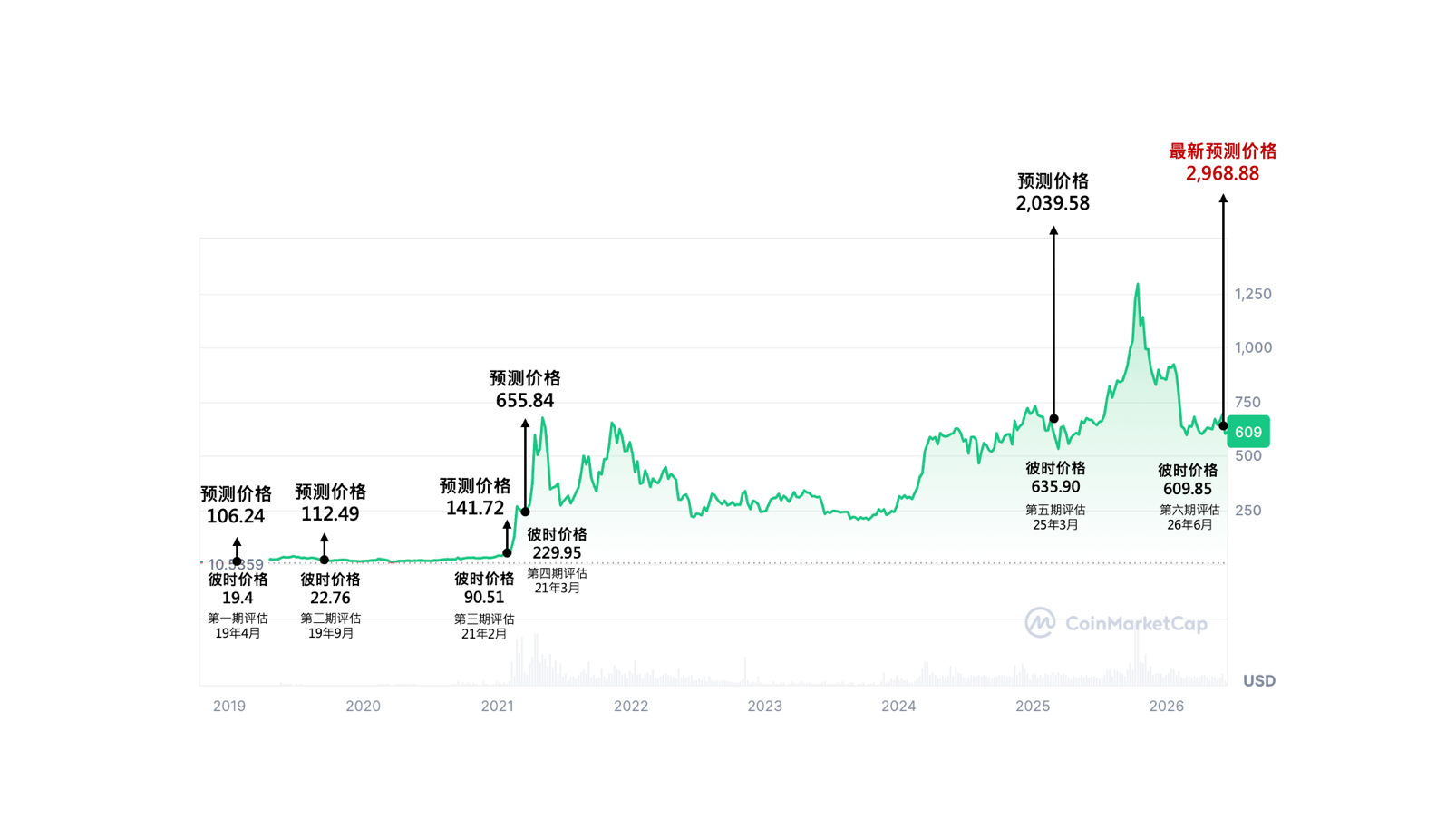
- Building on this, we continue to use the monetary equation MV=PQ model to evaluate BNB's complete value as an ecosystem token. Traditional valuation methods cannot fully capture the various functional values of ecosystem assets. We define these assets as "value-functional tokens" and recommend using the monetary equation for valuation. Over the past seven years, we have released five valuation reports for BNB using this method. This report updates critical parameters to reflect changes in the BNB ecosystem regarding narrative, value positioning, strategic direction, and business development, ultimately arriving at the latest valuation of BNB at $2,968.
- The maturity of the digital asset market, the increasing weight of "value" relative to "narrative", and the deepening institutionalization process will jointly drive BNB's value discovery. We believe that BNB's market value has the potential to surpass that of ETH.
- As the industry matures, investors will place more emphasis on real users, real income, and clear value capture mechanisms. BNB is one of the few digital assets that possesses clear value investment logic.
- The combination of RWA, stablecoins, US stock trading, and BNB Chain is expanding BNB's narrative from being a core infrastructure of the crypto market to being a global open financial infrastructure.
- Institutions are the main force driving the development of the RWA market. As global RWA business rapidly develops, institutional awareness and demand for BNB are expected to rise in tandem, becoming an important driving force for the next phase of BNB's value discovery.
- If BNB reaches $2,968, corresponding to a market value of $400 billion, it will have the potential to surpass Ethereum and become the second-largest digital asset after Bitcoin. This reaffirms our judgment from earlier this year: BNB will maintain relative strength over the past few years, continuing to outperform ETH by about 40% this year, and the relative price of BNB/ETH will rise from 0.28 to 0.40. Over three years, BNB has the opportunity to surpass ETH in market value, corresponding to a relative price of about 0.90.
1. Review of the fifth report: Target price not yet reached, but fundamentals steadily improving
It has been a year since the last BNB valuation report was published. BNB has not yet reached the previously proposed target price of $2,039. We believe the main reasons include: 1) The overall development speed of the digital asset industry is slower than expected, with a decline in the supply of quality new assets, leading to a generally subdued market; 2) Funds continue to flow into sectors with clearer growth expectations, such as AI, significantly suppressing the rebound of valuations in the crypto market; 3) The speed at which institutional funds understand and invest in the BNB ecosystem is slower than we anticipated.
Before updating the valuation, we reviewed the actual changes in the BNB ecosystem over the past year. Overall, some indicators fell short of expectations, but more key fundamental indicators remained steadily improving.
1.1 Indicators that fell short of expectations
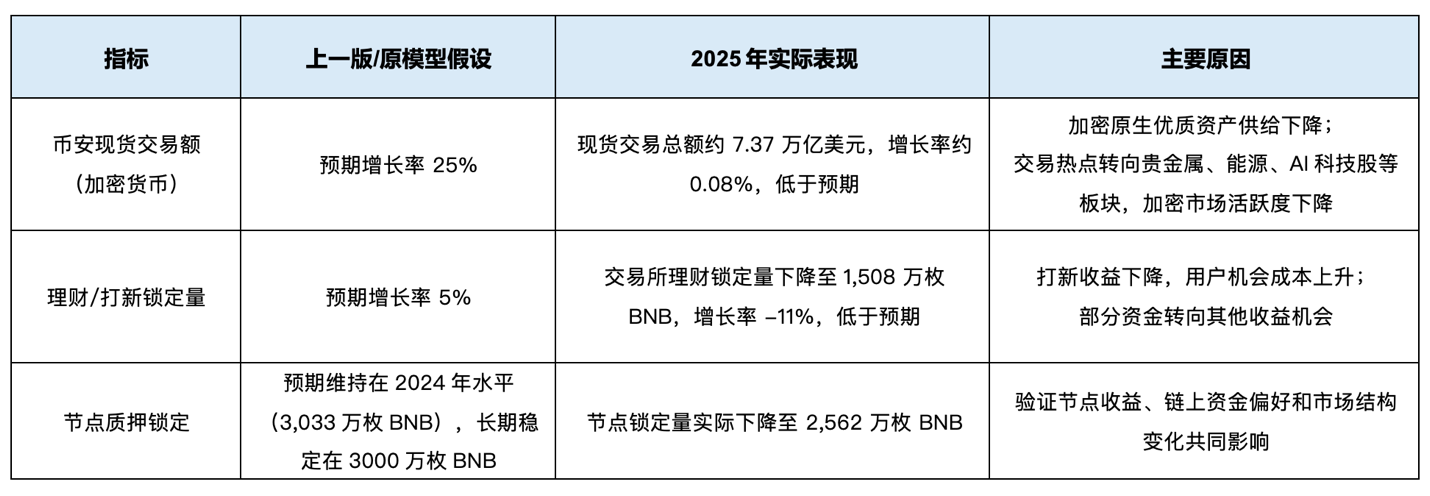
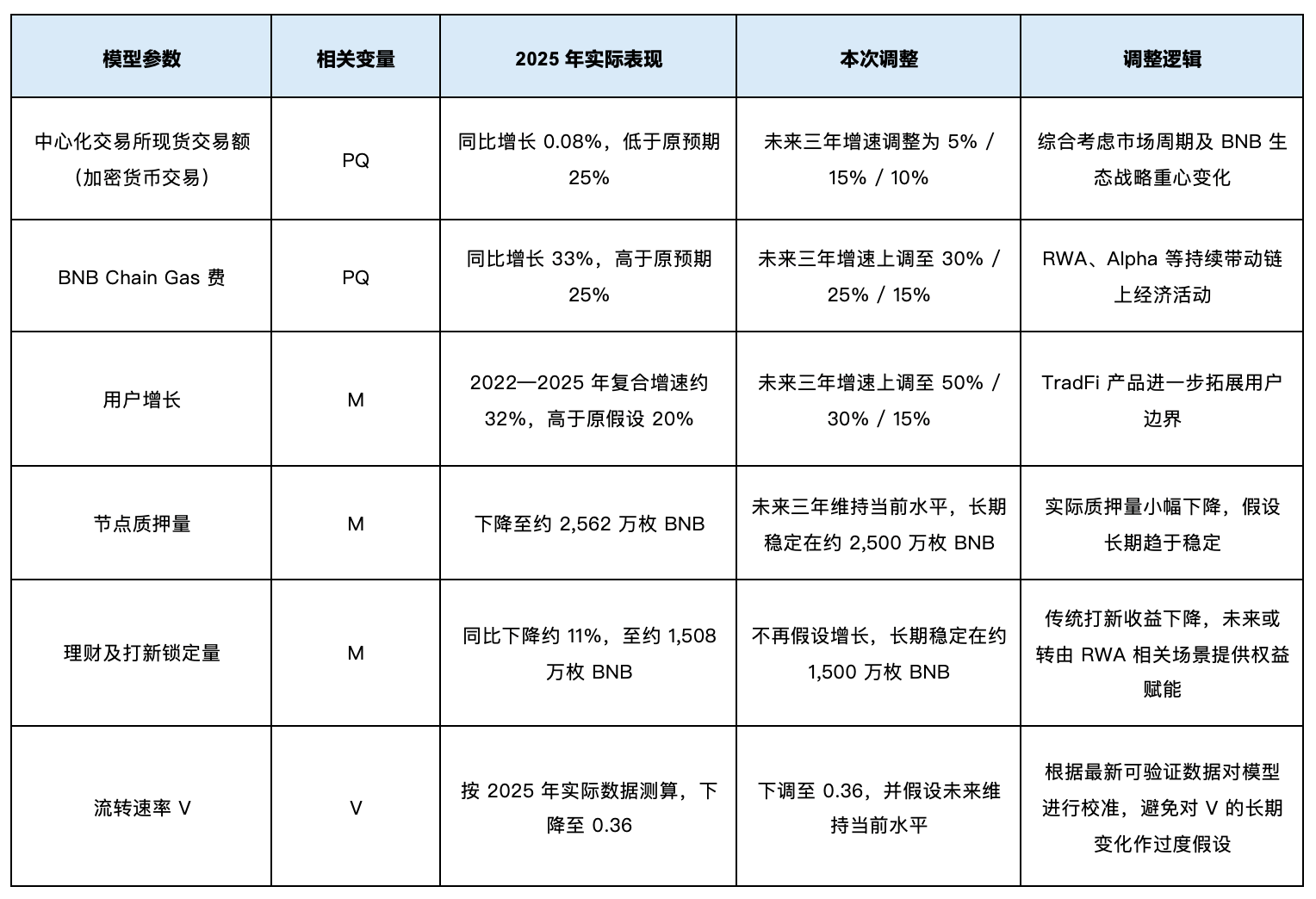
Notably, the growth rate of spot trading volume has slowed. This indicator reflects that Binance's business is still influenced by market cycles and the overall performance of the crypto industry, indicating that the BNB ecosystem needs to find new growth points.
A slowdown in trading volume does not necessarily mean a shrinkage in trading demand; it reflects more accurately a lack of quality asset supply. In the future, this gap is expected to be filled by more high-quality RWA assets, enabling the BNB ecosystem to open up new growth boundaries.
1.2 Indicators that exceeded expectations
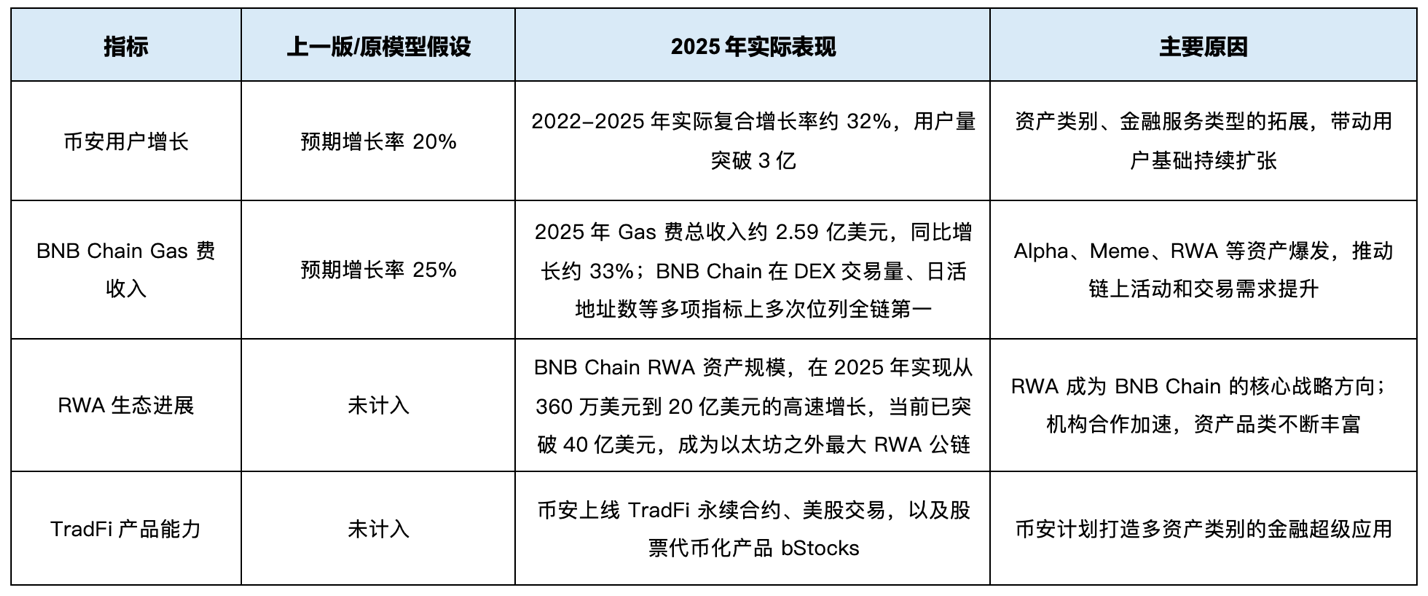
Meanwhile, key operational indicators such as user scale and BNB Chain gas revenue have maintained rapid growth, demonstrating that the BNB ecosystem still possesses a healthy foundation for expansion.
Overall, it can be observed that despite a subdued market performance and overall industry pressure, the fundamentals of the BNB ecosystem have maintained strong development resilience.
2. From 300 million to 3 billion users: RWA and stablecoins are the core levers
To grow from 300 million users to 3 billion, Binance cannot rely solely on crypto trading; it needs to provide users with more comprehensive financial services. Ordinary users require payment, storage, investment, and asset allocation; institutional users need compliance, liquidity, asset quality, and risk management.
The key to making the global financial infrastructure operate effectively is connecting three types of elements:
- Funds: Stablecoins. Allowing global users to enter the on-chain financial system at a lower cost;
- Assets: RWA. Bringing high-quality assets such as stocks, bonds, gold, fund shares, and real estate yields onto the chain;
- Ecology: BNB Chain + DeFi. Enabling assets to be traded, collateralized, lent, market-made, and pooled.
This strategic direction has begun to become clearer by 2025. With its user base, network performance, liquidity, ecological support, and brand advantage, the BNB ecosystem has achieved rapid breakthroughs in funds, assets, and ecology:
- Funds: BNB Chain has become one of the most active networks for stablecoin activities globally. To date, the scale of stablecoins on BNB Chain has surpassed $17 billion, with an increase of about 150% since early 2025; it also accounts for approximately 40% of global stablecoin transaction count, servicing about 20 million stablecoin users monthly, maintaining a leading activity level among public chains.
- Assets: The scale of RWA assets on BNB Chain is rapidly growing. Since 2025, traditional financial institutions such as Circle, BlackRock, Franklin Templeton, and VanEck have deployed related assets to BNB Chain; additionally, the BNB ecosystem has partnered with leading projects like Ondo and xStocks to continuously expand the on-chain asset supply.
- Ecology: In 2025, BNB Chain ranked first in multiple core metrics such as daily active addresses, address growth rate, and DEX trading volume. Its application landscape has improved DeFi infrastructure while further extending to AI, RWA, and consumer-level applications.
These developments have collectively propelled BNB Chain to become one of the fastest-growing ecosystems for RWA growth over the past year: the scale of on-chain RWA assets increased from $3.6 million at the beginning of 2025 to $2 billion in the fourth quarter and has now surpassed $4 billion, making it the largest RWA public chain outside Ethereum.
3. US Stock RWA: The most important product validation recently
In 2026, the BNB ecosystem further deepened RWA integration and achieved multiple significant advancements in TradFi and RWA product layers:
- Binance launched TradFi perpetual contracts covering various assets such as commodities (precious metals, energy), US stocks and ETFs, Pre-IPO equity, enabling global users to gain price exposure to traditional financial assets through stablecoins;
- Binance Wallet launched tokenized securities in collaboration with Ondo Global Markets, providing users with tokenized US stocks and ETFs;
- Binance launched real US stock trading. Users can trade real equity assets on the Binance platform without needing to open additional traditional brokerage accounts, holding stablecoins only.
Among these, the launch of US stock products has significant product meaning: Binance is connecting one of the world's largest capital markets to its existing crypto account system and global liquidity network. For users, this service breaks the three historical barriers of cross-border investment: account opening barriers, funding entrances, and trading experience, representing a historic iterative upgrade of underlying financial infrastructure and investment models.
At the same time, Binance also introduced the tokenized product bStocks, allowing users to convert real stocks they hold into tokens and connect them to BNB Chain, enabling static asset holdings to enter a "second lifecycle" in the on-chain financial system.
Thus, the BNB ecosystem has established a complete link for asset acquisition, trading, on-chain issuance, and DeFi combinatorial applications. Ecological synergy is the core moat of the BNB ecosystem. By integrating CEX traffic entry, real asset supply, public chain circulation capabilities, and DeFi combinatorial scenarios into a single system, the BNB ecosystem is forming a super ecosystem that is difficult for other single brokerages, exchanges, public chains, and RWA protocols to replicate.
4. BNB's Valuation: The Value Base Based on Holder Returns
The BNB ecosystem has a grand narrative, but BNB's value comes not only from narrative but also from a clear value capture mechanism. BNB is one of the few digital assets with clear value investment logic, and part of its value can be understood and measured within a traditional financial framework.
It is important to clarify that BNB does not represent equity in Binance and does not directly allocate any company profits; therefore, it should not be interpreted as a security nor directly subject to traditional equity valuation methods such as PE or PS. BNB draws more from the operational mechanisms of BTC and ETH, connecting ecosystem participants through a new ecological organizational approach based on interest alignment and mutual prosperity. After nearly nine years of development, BNB's value capture mechanism has continually optimized and has become the de facto driving engine of BNB ecosystem development.
From a practical economic perspective, BNB has two clear types of holder returns. We use this as an entry point for understanding BNB’s value within a traditional valuation framework.
- Automatic Burn: BNB has a long-term deflationary attribute through its tokenomics design, reducing supply through quarterly automatic burns. This mechanism is determined by on-chain activities and supply and demand for tokens, rather than being linked to company income or profit buybacks; however, its feedback path also works through reducing total supply, enhancing the unit value for remaining holders.
- IPO Income: BNB holders can earn new project tokens through activities like Launchpool, HODLer Airdrop, and Megadrop. This type of "participatory" equity distribution is not cash dividends in the traditional sense, but essentially still distributes ecosystem rights to BNB holders.
According to official data from Binance and real fund data from Hash Global BNB Yield Fund, BNB's automatic burn amount in 2025 is estimated at $4.425 billion, and IPO income is approximately $1.317 billion, resulting in a total holder return of $5.742 billion. If we use the shareholder return rate of traditional financial infrastructure companies, that is, the proportion of cash dividends and stock buybacks (if any) to market capitalization, we can infer the theoretical market value and price of BNB. Considering that the BNB ecosystem's business is no longer limited to trading, we choose comparable samples among traditional financial infrastructure companies covering trading, payment networks, multi-asset accounts, asset issuance, and asset management to better reflect BNB's value positioning as a comprehensive financial infrastructure. Taking the median of the sample valuation results, we arrive at a reasonable price of $1,471 for BNB, corresponding to a market value of about $200 billion.
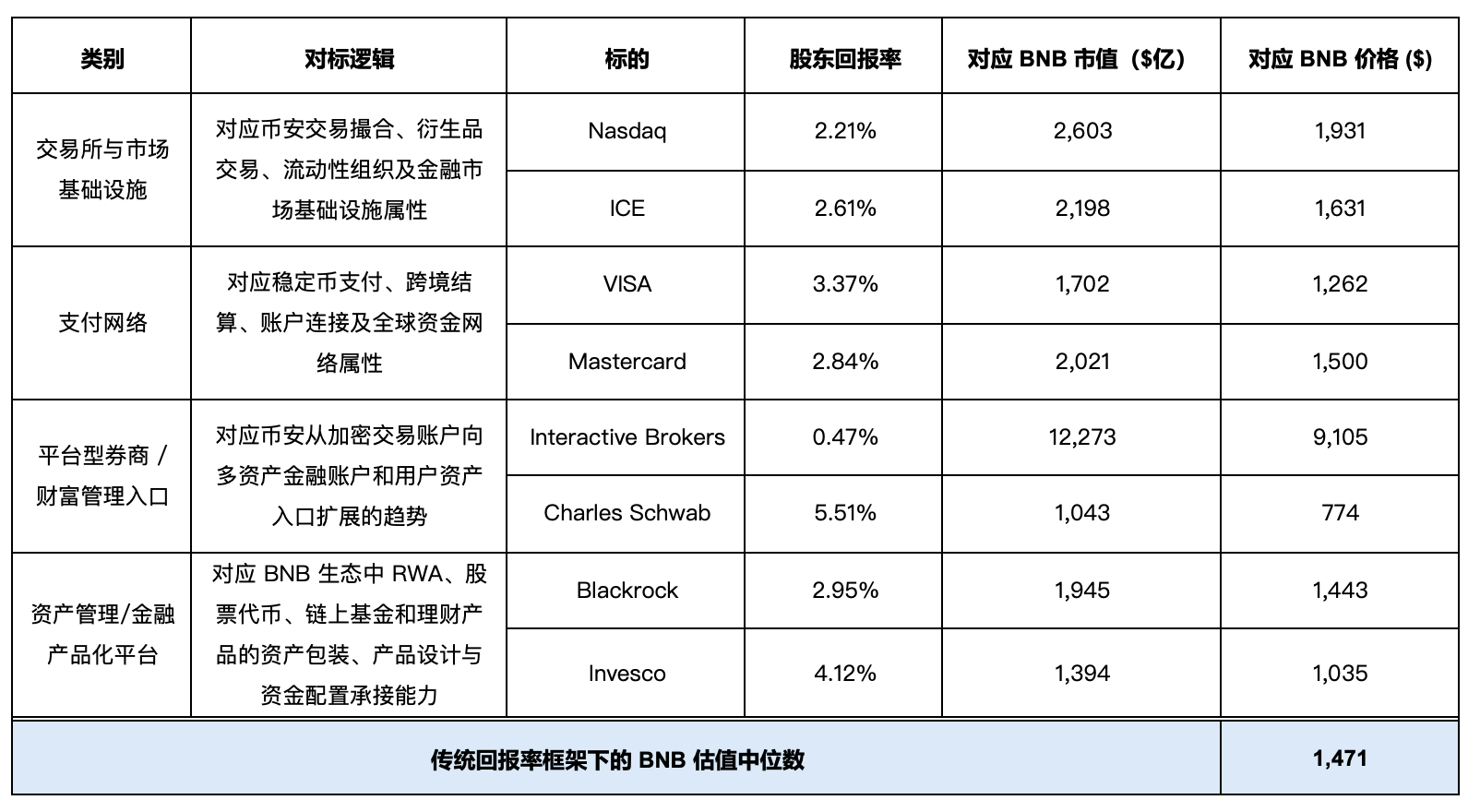
This method quantifies BNB's ability to provide returns to holders and references the market's pricing level for similar returns, offering a reference price for BNB under a traditional valuation framework. The advantage of this method lies in fewer assumptions and clear logic, but it also has the following limitations:
- Benchmark yield may have deviations. The sample objects are comparatively fitted for business positioning but, relative to traditional financial infrastructure companies, BNB has higher growth potential and generational advantages while also facing higher growth risks under a new model. The market may struggle to accurately provide corresponding premiums or discounts.
- The static model cannot fully reflect future growth. This model is based on actual data from the past year. Due to the short historical data available for BNB holder returns and its significant influence from market cycles, project supply, and token prices, long-term predictions would require incorporating numerous subjective assumptions. Therefore, this section adopts a static scope, aiming to provide a verifiable and comparable price reference with minimal assumptions.
- The traditional valuation framework cannot fully cover the total value of new Web3 assets. BNB not only possesses the "asset value" reflected by holder returns but also includes functional values as an "ecosystem token", such as transaction fees, gas, and values generated from ecosystem participation. These values cannot be comprehensively captured by the current model.
Therefore, traditional valuation methods can only estimate the clearest, most quantifiable portion of BNB's intrinsic value. The result is more suitable as a reference for a valuation lower limit with solid theoretical support.
5. The value of BNB as a core asset of open financial infrastructure: Calculation based on the monetary equation
To further assess the complete value that BNB carries as an ecosystem token, we continue using the value-functional token valuation model that Hash Global has utilized for many years. Since Hash Global released the first BNB valuation report in 2019, this valuation model has received substantial market validation.
This model is based on the monetary equation MV=PQ, measuring BNB's monetary demand from three dimensions: ecosystem economic activity (PQ), total currency circulation of BNB (M), and currency transfer efficiency (V), and discounts future value increments to the present point in time. Compared to traditional valuation frameworks, this method better reflects BNB's monetary value in scenarios such as trading, gas, payments, staking, and ecological participation.
The core of this valuation update is to incorporate the latest value positioning of BNB and the incremental value brought by the open financial scenarios into BNB's valuation assessment. At the same time, we adjusted previously cautious or overly optimistic parameters based on the actual performance of the BNB ecosystem over the past year to more accurately reflect changes in the fundamentals.
5.1 Model Update: Incremental Value of Core Assets in Open Finance
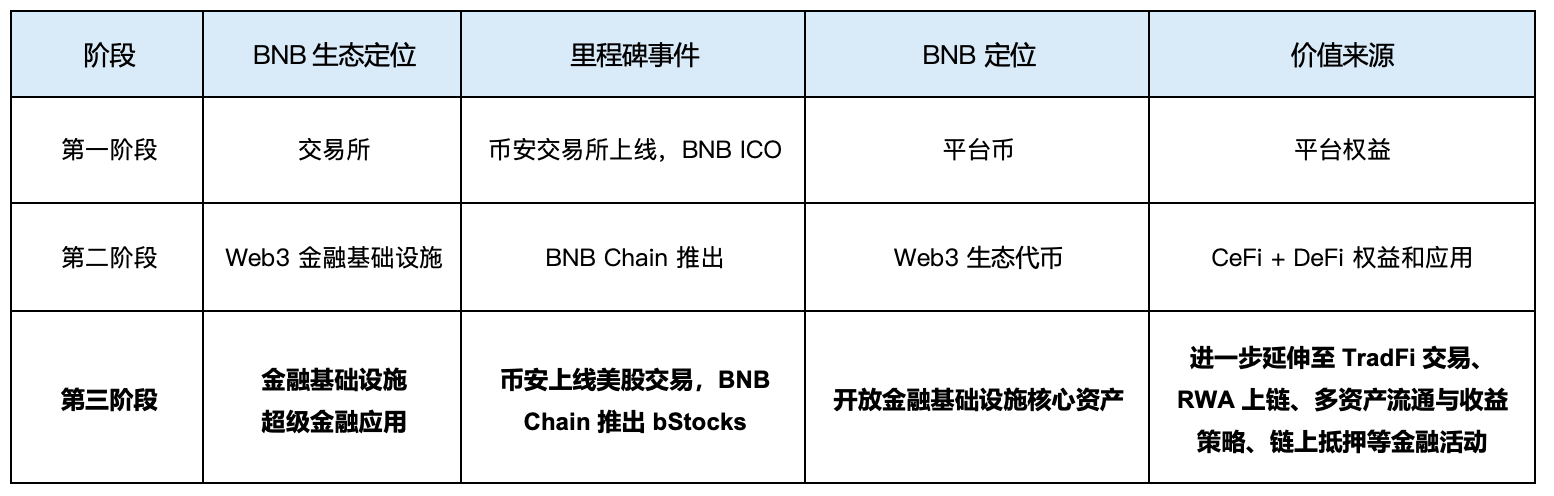
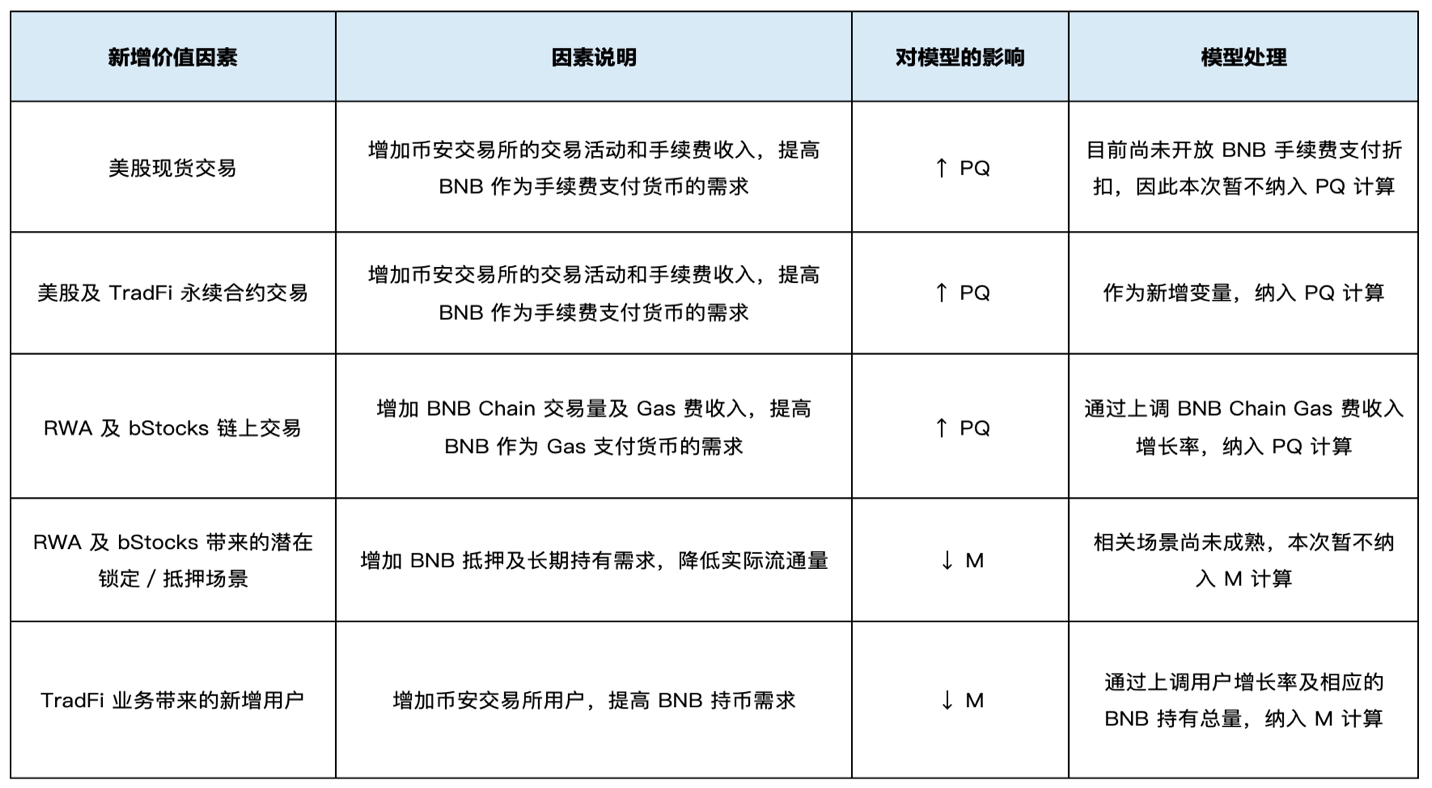
The value of BNB as a core asset of open financial infrastructure will be incorporated into the model through variable adjustments:
5.2 Parameter Adjustments: Calibrated Based on Latest Business Data
5.3 BNB Theoretical Price Calculation
PQ: Total Economic Value of BNB Ecosystem
Total economic value of BNB ecosystem (PQ) = Binance exchange economic value + BNB Chain economic value
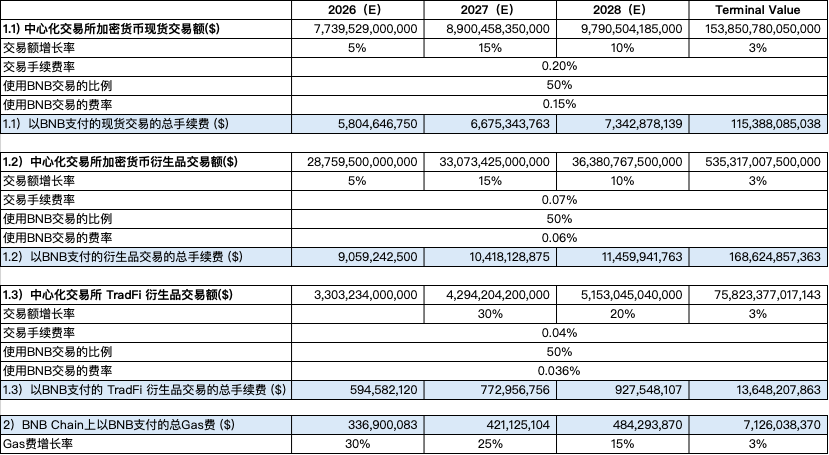
M: Total Currency Circulation of BNB
Total currency circulation of BNB (M) = actual circulated amount of BNB × BNB price
Actual circulated amount of BNB = theoretical circulated amount - locked amount
- Theoretical circulated amount = total supply - team holdings - historical cumulative burn amount (see previous reports)
- Locked amount = locked amount for trading discounts + BNB Chain validator staking + exchange wealth management / IPO locking
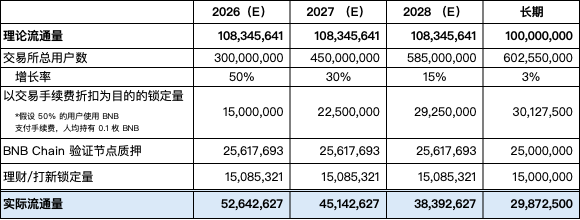
BNB Theoretical Price
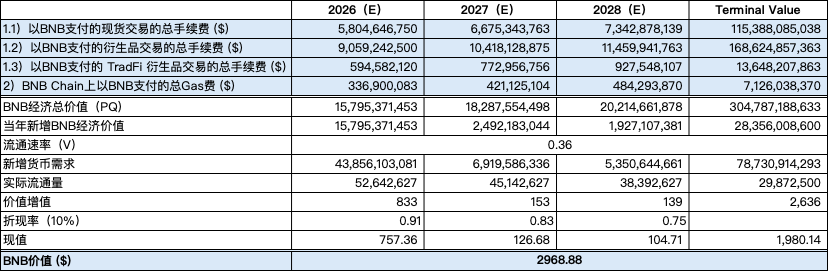
6. Explanation of Valuation Conclusion
Based on the updated assumptions of PQ, M, and V, we estimate that the current reasonable value of BNB is $2,968. This result reflects an intrinsic value judgment based on currently visible data and model assumptions, not a short-term price prediction and does not account for external factors such as market liquidity, risk appetite, and macro conditions.
This valuation increase primarily stems from three incremental sources:
- New business driving user growth;
- TradFi derivatives trading bringing new trading volume to the Binance exchange;
- RWA, bStocks, and other businesses potentially driving on-chain economic activity on BNB Chain.
It is important to emphasize that $2,968 is not the final price accounting for all potential benefits. For factors difficult to quantify, lacking verifiable data, or still in early stages, the model has adopted relatively conservative treatment. The following potential increments are not included in this valuation:
- Potential increase in trading fee income from Binance's US stock spot trading to PQ;
- Potential reduction of M from BNB staking/locking scenarios on the BNB Chain;
- Potential reduction of M due to institutional fund holdings locked in DAT, ETFs, etc.;
- In terms of user growth, we still employ a conservative growth assumption compared to the long-term goal of 3 billion users proposed by Binance's management;
- The calculation of circulation rate V assumes consistent performance with 2025, without accounting for the possible decline in actual circulation rate brought about by the deepening of institutional adoption and continuous enrichment of application scenarios.
Thus, the current valuation retains space for further upward adjustments. The following variables need to be closely monitored:
- Will BNB be used for payment of US stock spot trading fees (↑PQ);
- Can TradFi perpetual contract trading continue the current growth trend and become a stable new increment in Binance's trading business (↑PQ);
- After the launch of bStocks, will it genuinely drive on-chain trading, lending, market making, and combinatorial strategies (↑PQ);
- Will BNB create new collateral or locking demands in RWA and bStocks-related scenarios (↓M);
- Progress of institutional allocations such as DAT, ETFs (↓M);
- The actual driving effect of new business on user growth (↓M).
If the above variables continue to improve, BNB's theoretical valuation still has room for further upward revision.
7. Future outlook: Enhanced value weight and institutional RWA development will drive BNB value discovery
- One of the important drivers of BNB value discovery is the digital asset market is resetting the balance between "narrative" and "value".
- The market is still in a subdued state; however, a slowdown is not necessarily a bad thing. It will accelerate the industry's rebalancing of narrative and value. In the past, the market was willing to pay high premiums for grand narratives; now, institutions and long-term funds will pay more attention to real users, real income, and tangible asset carrying, as well as whether value can be effectively captured by tokens. We believe that as the digital asset market continues to mature, the weight of value will keep increasing.
- We have firmly been optimistic about BNB since 2019, primarily because it is one of the few digital assets with a clear value capture mechanism and investment logic. The BNB ecosystem boasts the world's largest cryptocurrency exchange and one of the most active public chain ecosystems, possessing a massive user base and high-frequency economic activity. Multiple scenarios such as platform rights, Launchpool, wealth management, payments, gas, and on-chain applications continue to empower BNB. Compared to many assets still mostly driven by narrative, BNB's sources of value are more direct and verifiable.
- The rapid development of RWA and the maturation of the open finance narrative will drive institutions to reevaluate BNB.
- In the past, global institutions had relatively limited channels to understand BNB. They were more familiar with BTC and ETH as investment allocation assets, but less so from a classic investment framework or the actual business itself, in understanding the value of digital assets. At the same time, the push for institutional channels such as DAT and ETFs will take time, which means the adoption of BNB ecosystem businesses by institutions has been ahead of investments in BNB itself. Therefore, the current institutional penetration rate of BNB is still very low, far below Bitcoin's 15% and Ethereum's 10%. However, this also means that BNB has significant room for institutional allocation and growth. As mainstream institutions such as VanEck advance BNB ETF, we expect the proportion of institutional holdings in BNB to gradually increase and accelerate its value discovery.
- Institutions are the main driving force behind global RWA business development. The deepening of RWA business will become an important chance for BNB to enter the institutional value evaluation vision.
- The combination of RWA, stablecoins, US stock trading, and BNB Chain also makes BNB's narrative more complete: becoming a core asset of global open financial infrastructure. Compared to the internal narratives of the crypto market, this narrative is easier for institutions to understand and is more likely to become a point of entry for institutions to reevaluate BNB.
- The target price of $2,968, corresponding to $400 billion market value, means BNB has the opportunity to surpass ETH and become the second-largest digital asset after BTC.
- We have always believed that there are three "one of its kind" assets in the digital asset space: BTC, ETH, and BNB. They represent entirely different asset properties and all hold immense value. We pay particular attention to the relative price of BNB and ETH, as it reflects the market's judgment about changes in the weight of "value" and "narrative" when evaluating digital assets.
- ETH remains important. It is still one of the most decentralized and consensus-driven smart contract assets. However, Ethereum's narrative is strong, and its actual value capture still requires more validation and objective observation. We believe ETH is a great entity similar to Linux; but for it to be a Linux-like existence, there might inherently exist certain tensions between neutrality and value capture capability.
- Earlier this year, we predicted that BNB would continue to outperform ETH by about 40%, with the BNB/ETH relative price rising from 0.28 to 0.40. Looking at a three-year dimension, we believe that BNB has the opportunity to surpass ETH in market value, corresponding to a relative price of about 0.90.
8. Conclusion
BNB is entering a new value phase. This change is not driven by a single product but arises from a set of structural trends: the goal of growing from 300 million to 3 billion users, the role of stablecoins as a global funding entry, the expansion of RWA to increase the supply of digital assets, US stock business validating product pathways, and BNB Chain accommodating on-chain circulation and DeFi combinations.
Multiple fundamental indicators of BNB have developed beyond our expectations. The phase-by-phase slowdown of spot trading is not an end but indicates a transition in asset supply and business structure. With more high-quality RWA assets entering the BNB ecosystem, the ecological value of BNB will gain new sources of growth; demand from payments, collateral, and institutional long-term allocations will also further enhance BNB's structural demand.
We maintain a strong positive outlook on BNB and set $2,968 as the three-year target price. If this judgment is realized, BNB will no longer be limited to the framework of "exchange platform token" or "Web3 ecosystem token", but is likely to become one of the most important open financial infrastructure assets after BTC.
9. Appendix: Risk notice and statement
The valuation calculations in this report are based on current visible data, business progress, and model assumptions, reflecting a judgment of BNB's intrinsic value without constituting short-term market price predictions. Actual price performance may still be influenced by multiple factors such as market liquidity, risk appetite, regulatory environment, and industry cycles.
- Regulatory risks: US stock trading, tokenized stocks, RWA, and stablecoins involve regulatory requirements for securities, payments, and cross-border finance in multiple jurisdictions. If major jurisdictions implement stricter regulatory measures on related businesses, this may affect product launches, user coverage, and business growth pace.
- Execution risks: The landing of US stock and RWA businesses depends on brokers, custodians, clearing, market making, and compliance partners. During business advancement, it may be impacted by partners' capabilities, system stability, asset delivery, and compliance processes.
- Conversion risks: Whether bStocks and tokenized securities can genuinely form usage scenarios such as on-chain trading, collateralization, lending, market making, and combinatorial strategies still requires subsequent data validation. If the relevant assets primarily remain at the trading or holding level without entering on-chain circulation, the pull on BNB Chain's economic activities may fall short of expectations.
- Value capture risks: A scale increase in RWA does not necessarily and immediately translate into buying pressure or locking demand for BNB. Some new businesses still have not clearly opened up BNB fee payment, discounts, or collateral scenarios; hence, the efficiency of ecological growth in transferring to BNB's value capture remains uncertain.
- Market risks: The digital asset market overall still has high volatility. If the market downturn prolongs, liquidity is insufficient, or risk appetite continues to weaken, BNB's market price may long-term deviate from theoretical valuation, and the realization period of the target price may also be extended.
- Competition risks: RWA, stablecoins, tokenized stocks, and on-chain financial infrastructure are all highly competitive directions. Other exchanges, public chains, and RWA protocols may accelerate follow-ups. If the BNB ecosystem fails to maintain advantages in asset supply, user experience, liquidity, or compliance capabilities, future growth potential may be impacted.
This report was compiled by Hash Global based on publicly available information and its research results, aiming to provide an assessment of the value of the BNB ecosystem. The following statements clarify the scope and limitations of this report:
- Hash Global is an investment management company focused on the blockchain field, where research and investment are our main driving forces. Hash Global and team members have not received any form of funding or rewards from project parties.
- As of the release date of this report, the company and its digital currency fund hold BNB assets, which may introduce a certain bias in the assumptions and assessments contained in the report.
- We will update the report content irregularly based on market changes and Binance's development dynamics to ensure the timeliness of the analysis.
- This report is for reference only and does not serve as any form of investment advice, nor should it be regarded as a guarantee of future market trends.
免责声明:本文章仅代表作者个人观点,不代表本平台的立场和观点。本文章仅供信息分享,不构成对任何人的任何投资建议。用户与作者之间的任何争议,与本平台无关。如网页中刊载的文章或图片涉及侵权,请提供相关的权利证明和身份证明发送邮件到support@aicoin.com,本平台相关工作人员将会进行核查。


