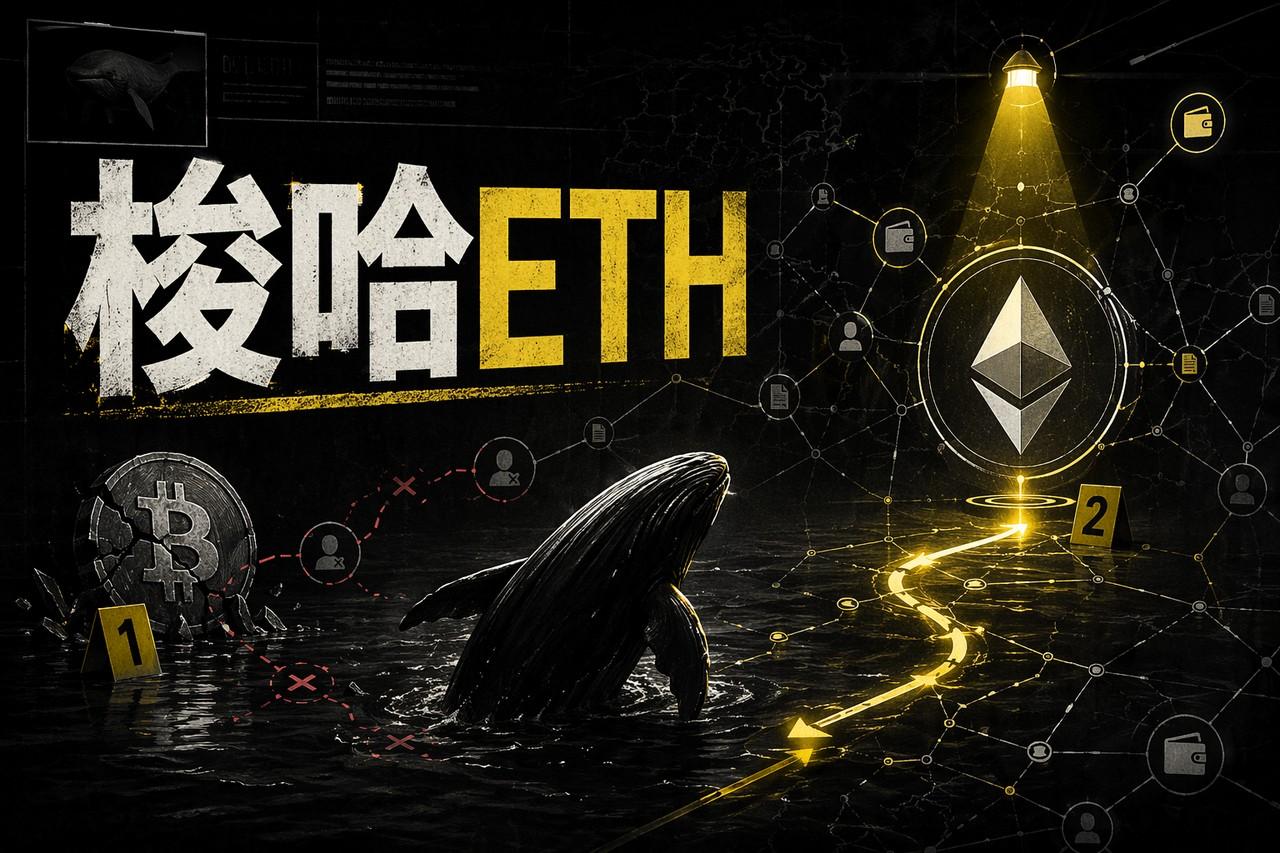
On June 15, 2026, when ETH broke through the approximately $1,700 mark, a significant counter-trend large order appeared on-chain. According to AiCoin data, an anonymous whale tracked by on-chain analyst Ai Yi has cumulatively staked approximately $156 million worth of assets on Aave, borrowing approximately 35,388.4 ETH to sell in batches to short, with an average price of about $1,682.14 per coin, resulting in an unrealized loss of approximately $1.098 million. More aggressively, on the day of the breakout, they withdrew 45,495,000 USDT from Binance and deposited it into Aave to borrow an additional 10,000 ETH, with an overall liquidation price far above $3,453.36 per coin, indicating a sufficient safety cushion. At almost the same time, multiple media outlets reported that the US and Iran had reached a memorandum of understanding to reopen the Strait of Hormuz, with some reports quoting Trump as publicly expressing optimism about signing the agreement on Friday; this statement is still awaiting further official confirmation; fueled by this news, cryptographic assets and gold prices strengthened while oil prices fell, leading the market to begin trading on expectations of easing geopolitical tensions. On one side is the significant on-chain counter-trend short position, and on the other, is the macro bearish sentiment cooling and a rise in risk appetite; is this short betting on a short-term pullback in ETH or is it heading towards being caught in a macro sentiment squeeze?
$156 million staked on Aave: the look of a short position
Looking down on-chain, the structure of this short position is much more complex than simply "shorting high." According to AiCoin data, this whale successively withdrew large amounts of USDT from Binance, depositing it in batches into Aave, cumulatively staking about $156 million worth of USD-pegged assets specifically to support borrowing operations. On this thick collateral wall, they borrowed approximately 35,388.4 ETH and established a short position through selling.
Opening up these selling points reveals an average transaction price of about $1,682.14 per coin. With ETH's current price rising to about $1,700 since mid-June, this short position is currently showing an unrealized loss of about $1.098 million, but from a risk control perspective, there is still plenty of room—according to on-chain position parameters, the liquidation price is around $3,453.36 per coin, well above the current price range, indicating that overall leverage is not aggressive and the safety cushion is quite thick. This appears more like a calculated mid-term directional layout rather than a one-off gamble.
In the context of ETH rebounding amid cooling US-Iran tensions, the willingness to short mainstream assets with $156 million staked in DeFi lending is itself a strong emotional signal: it announces to the market that there are still large participants who remain bearish on the mid-to-short-term trend and are willing to embed this judgment into Aave's collateral and lending parameters through visible on-chain positions.
Increasing shorts after breaking $1,700: the possible calculations of counter-trend shorting
On June 15 during the day, when ETH surged past approximately $1,700, this address did not choose to reduce its position but rather further entrenched its bearish stance on-chain. On-chain data shows that they withdrew 45,495,000 USDT from Binance, then almost immediately deposited it into Aave as new collateral, borrowing an additional 10,000 ETH on top of the approximately 35,388.4 ETH previously borrowed and sell these to add to the existing short position. At this point, the overall selling average price is about $1,682.14 per coin, with an unrealized loss of about $1.098 million, but the liquidation threshold is still far at around $3,453.36, clearly showing that they are willing to bear further upward moves to buy time for a potential market reversal.
From a trading logic perspective, such counter-trend action at breakthrough points may have several calculations: one is a typical "false breakout" gamble, betting that the upwards move above $1,700 is merely emotional release and will soon retrace, allowing for high-level increases to lower overall costs; second is to hedge against bullish assets in offline markets or other protocols, using the on-chain short to lock in overall exposure; third is an attempt to replicate a previous swing trading strategy—according to single-source tracking by Ai Yi, between June 8-9, they reportedly borrowed about 35,000 ETH against approximately $132 million in collateralized assets for shorting and after multiple profit-taking actions, allegedly made about $423,000. However, this historical profit data has yet to be corroborated across multiple parties on-chain; we can only view their real profits and current motivation as possible paths rather than conclusions, requiring continuous tracking of their subsequent adjustment rhythms and changes in risk appetite for assessment.
Is the Strait of Hormuz reopening? US-Iran thaw boosts risk appetite
During the same time this whale increased its short position against the trend, beneficial macro news was quickly rewriting market sentiment. Media reports say that the US and Iran have reached a memorandum of understanding, one of the core terms being to reopen the previously highly sensitive Strait of Hormuz due to escalating tensions. More strikingly, it was reported that Trump publicly stated that the Strait of Hormuz would be reopened after the agreement is signed on Friday, but this timeline has not yet been confirmed by multiple official sources. After the news broke, multiple media outlets noted that crypto assets and gold prices rose simultaneously, while the previously geopolitically-supported rising oil prices fell, and the market began to quickly reprice risk assets based on the logic of "easing tensions and decreasing supply risks."
From a trading logic perspective, if the expectation for reopening the Strait of Hormuz solidifies and the tail risk of oil supply disruptions is compressed, the risk premium for energy prices is weakened, leading some funds to potentially shift from "safe-haven gaps" to "risk asset rebound" narratives: reducing bets on rising oil prices while simultaneously increasing their allocation weight for gold and crypto assets. This switch in sentiment adds another layer of macro context to ETH, which is already on the rise. However, it is essential to emphasize that current specifics regarding the memorandum of understanding, the formal signing timeline, and subsequent public diplomatic statements from both the US and Iran still bear significant uncertainty; at this stage, relevant information primarily stems from single news sources such as Odaily Planet Daily’s early news, and whether more authoritative diplomatic channels provide further validation will directly determine how far this "geopolitical easing – risk preference improvement" trade can go.
Shorts clash with smoothing expectations: who is the whale betting against
Looking at the whale's position within the macro picture, they are effectively standing on the opposite side of the "geopolitical easing trade." After reports that the US and Iran reached a memorandum of understanding, crypto assets and gold prices saw reported increases, with ETH also breaking through approximately $1,700, firmly standing above the overall selling average price of $1,682.14. This signifies that the market is pre-trading the expectation of "easing tensions – repairing risk appetite," while this whale, having accumulated a short of 35,388.4 ETH on Aave, has chosen to continue to double down on their bearish stance as this sentiment is ignited. The current unrealized loss of approximately $1.098 million feels more like a ticket paid to counter the mainstream narrative rather than an immediate death line—the liquidation price is as high as about $3,453.36, making it difficult for short-term price fluctuations to directly hit the liquidation threshold, but if easing expectations continue to strengthen and ETH rises further, the cost of this short ticket might continue to increase.
Another clear path is: if the subsequent advancement of the memorandum of understanding falls short of expectations, or if once the agreement is formally realized, the market chooses to "sell the facts," leading to a pullback in ETH that has already risen ahead, then this short added against the trend above $1,700 might turn out to be one of the few positions standing on the correct side. From this perspective, they are not merely betting on direction but negotiating time windows, macro variables, and price retracement spaces: how long can the story of geopolitical easing continue, how high can ETH push without new incremental narratives, and once expectations reverse or materialize, how much profit will the shorts have left from the pullback. Until these variables solidify, it's challenging to judge which side is necessarily correct; what’s more valuable is to view this position as a mirror to observe what kind of risk-reward structure a participant willing to short against easing expectations is holding.
Three things to watch next: ETH, agreements, regulation
The fate of this short position will truly be decided by three lines: first is the price range of ETH itself—under the premise that this whale continues to hold a large short position on Aave with the liquidation price far above not breached, is ETH oscillating around $1,700 dissipating expectations or continuing to advance toward its safety cushion; second is the follow-up progress of the US-Iran memorandum of understanding—current discussions around reopening the Strait of Hormuz mainly come from limited media and news reports, the signing timeline, implementation details, and official statements carry uncertainties, which will directly affect the market's pricing of whether geopolitical risks are genuinely "downgraded"; third is the regulatory rollout rhythm following the end of the EU MiCA grace period on July 1—reports estimate that approximately 75% of related platforms may be squeezed out of the EU market; if this media estimate partially comes true, the purging process itself could reshape risk asset sentiment. Overall, this large ETH short position on-chain resembles a magnifying glass for the divergences between bulls and bears and macro games, allowing us to reflect on the misalignment of prices, geopolitical news, and regulatory expectations; and while tracking such extreme positions, synchronously verifying the authenticity and rhythm of macro news, to avoid treating unverified single news as a trading premise itself, is about retaining maneuverability in this high-uncertainty environment.
Join our community, let's discuss and grow stronger together!
Exclusive Hyperliquid benefits for AiCoin: https://app.hyperliquid.xyz/join/AICOIN88
Exclusive Aster benefits for AiCoin: https://www.asterdex.com/zh-CN/referral/9C50e2
On-chain Telegram community: https://t.me/AiCoinWhaleData
On-chain community: https://www.aicoin.com/link/chat?cid=N6OVMor5g
AiCoin on-chain Twitter: https://x.com/aicoinwhaledata
免责声明:本文章仅代表作者个人观点,不代表本平台的立场和观点。本文章仅供信息分享,不构成对任何人的任何投资建议。用户与作者之间的任何争议,与本平台无关。如网页中刊载的文章或图片涉及侵权,请提供相关的权利证明和身份证明发送邮件到support@aicoin.com,本平台相关工作人员将会进行核查。