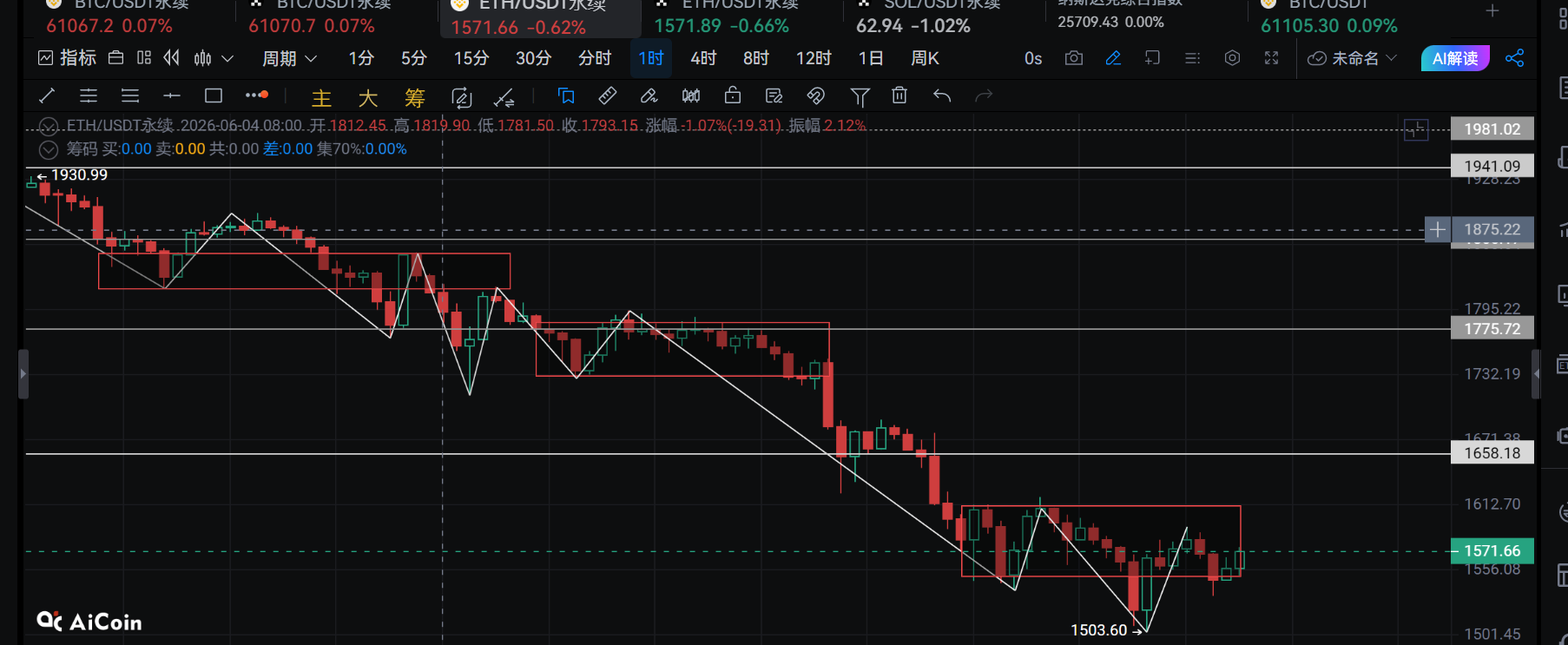
On June 6, 2026, ZachXBT, a well-known on-chain investigator in the crypto community, once again pulled the trigger by posting a lengthy message on social media, directly pointing fingers at BitMEX co-founder and current Maelstrom CIO Arthur Hayes: on one hand, he publicly expresses bullish sentiments for tokens like NEAR, HYPE, ZEC, and WLD, while on the other hand, he reduces and sells the same batch of assets through on-chain addresses within a short period. In his post, he posed a sharp question—“How much exit liquidity have you gained from followers in the past few days?”—essentially putting the accusation of “fans being treated as exit counterparty” out in the open. Although the current public information lacks specific transaction amounts, precise time intervals, and other details, it can confirm the rough pattern of “public expression followed by on-chain sell-offs.” However, bolstered by ZachXBT's long-standing investigative persona, this accusation quickly ignited public discourse. In response to the skepticism, Hayes stated that his trades were merely aimed at achieving personal trading goals, and that all buying and selling occurred in an open market with “willing counterparties,” implying that this was just market competition rather than a premeditated scheme to exploit others. However, with tokens like NEAR, HYPE, ZEC, and WLD being drawn into the discussion of “selling after a pump,” the controversy has become hard to reduce merely to a personal trading style debate, but has instead escalated to a more pointed question—what level of responsibility do KOLs, who possess significant influence, hold regarding information asymmetry, community trust, and potential boundaries of “exit liquidity” when they both speak and trade?
From NEAR to WLD: The On-Chain Trajectory of Pump and Dump
In this wave of skepticism, ZachXBT repeatedly emphasizes an on-chain trajectory he believes has been “replayed multiple times”: publicly expressing bullish sentiments on social media, followed by suspected addresses related to the token appearing to reduce or sell off on-chain. The identified list spans from NEAR, HYPE to ZEC, WLD, each time he stitches them together into a similar three-step sequence: expressing views, building positions, liquidating positions. According to publicly available materials, he connects these public bullish statements with subsequent token outflows on-chain by marking addresses and fund paths that he suspects are related to Arthur Hayes or his affiliates, aimed at responding to his sharp inquiry—“How much exit liquidity have you gained from followers in the past few days?”
However, this seemingly clear “expression—building position—liquidating position” chain still has many gaps upon closer examination. The currently available information has not provided precise amounts for each transaction or specific position sizes and has not fully disclosed the time intervals from the bullish call to the sell-off, summarizing it only with vague phrases like “in a short time.” Additionally, some details about the posting content and time points are sourced from a single channel and require cross-verification. Under these circumstances, what ZachXBT provides resembles a strongly directional narrative path rather than a quantitatively rigorous on-chain audit report. Readers, while trying to understand the “pump and dump” pattern, must also accept the reality that the evidence chain still has gaps and that the strength of conclusions is limited.
On-Chain Detective's Challenge: Who Are Fans Being Treated As Chips For?
Given the still rough evidence chain, ZachXBT chooses to conclude in a way loaded with emotional tension. On June 6, 2026, he published a post on social media, directly questioning Arthur Hayes: “How much exit liquidity have you gained from followers in the past few days?”, condensing the originally trading controversy surrounding tokens like NEAR, HYPE, ZEC, and WLD into a sharp accusation aimed at the KOL-fan relationship—followers are no longer “audiences sharing opinions” but are implied to be the counterparty when he liquidates positions. Combined with his previous disclosures about alleged fraud, hacking, and suspected insider trading, this morally charged language is naturally understood by the community as a “formal indictment” rather than casual emotional outburst.
Moreover, because the speaker is ZachXBT, known for his long-standing chain investigation and credibility, this questioning quickly spread throughout the crypto community, shifting the focus of the discussion beyond just Hayes to more general questions: when KOLs rapidly sell after publicly expressing bullish sentiments and don’t simultaneously disclose their position changes, are fans proceeding “in consensus” or providing exit space for others? Many users expressed concerns about the relationship between their profits and losses and KOL's bullish calls. Although the specific usernames and content of statements await verification and shouldn't be directly quoted, the long-standing sensitivity around “selling after a pump” has been reignited, causing this debate to evolve into a collective self-examination regarding trust costs and the boundaries of influence.
Freedom of Trading or Selling Out Followers? Hayes's Response
As public sentiment rapidly intensified, Arthur Hayes chose to respond directly to the skepticism. He emphasized that all of his trades are “voluntary transactions made in the market with 'willing counterparties' that align with his trading goals,” consciously focusing on classic market phrases like “voluntary” and “counterparty.” For a BitMEX co-founder and CIO of the crypto fund Maelstrom, this statement not only defends specific transactions related to NEAR, HYPE, ZEC, and WLD but also reiterates that he is a professional trader who enters and exits the public market freely, bearing risks and rewards, rather than a “charitable person” making bottom promises to fans.
Under this reasoning, the supporters' stance also appears reasonable: in a high-volatility asset market, anyone can enter and exit at their own pace, and KOL’s expression of views does not equate to guaranteed profit signals; followers should be responsible for their own results. Moreover, the current available materials do not show that Hayes made explicit promises of “long-term holding” or providing “safety nets for fans” in relevant posts; his language is more about personal judgment and sharing trading insights. However, this response deliberately sidesteps the key sensitive point mentioned by ZachXBT—the timing relationship between bullish statements and on-chain sell-offs, and whether he clearly disclosed his holdings of relevant tokens while posting. These details are currently either not fully public or are only available from single sources and await verification. Only because these gaps have yet to be filled, the boundaries between “trading freedom” and “selling out followers” appear particularly blurred.
When KOLs Become Market Sentiment Indicators: How High Are Trust Costs?
Pulling the focus away from Arthur Hayes reveals that what ZachXBT pointed out is not an isolated example. The crypto asset market lacks unified rules regarding KOLs’ public statements in most jurisdictions, and the “first pump, then profit taking in the short term” path has repeatedly appeared in history, each time sparking disputes, yet it is hard to classify clearly as legitimate proprietary trading or borderline market manipulation. The legal definitions remain ambiguous, but community sentiments are extremely sensitive—especially when clear on-chain holdings and reduction trajectories can be observed, yet there is a lack of synchronized disclosures about holding statuses and risk preferences; this gray area can be amplified into a collective anxiety around the “boundaries of opinion leaders.”
In this environment of highly asymmetric information, the incentives for KOLs and followers are almost inherently misaligned: the former seek profits, influence, and topics of discussion, and can use complex strategies and stronger risk tolerance to enter and exit at will; the latter often treat a viewpoint as an executable signal, ignoring the premise that the speaker is also a potential counterparty. Even if legally it’s difficult to classify such behavior as manipulation or fraud, once repeatedly connected with on-chain records and questioning, trust costs can quickly accumulate, ultimately affecting the KOL's reputation and reducing their power of speech. This debate surrounding Hayes and ZachXBT is a public manifestation of the beginning destabilization of this trust structure.
What Signals Should You Observe Before the Next Call?
The next time you see a prominent figure publicly bullish on a token, consider asking yourself a few “pre-entry questions”: Have they proactively disclosed their holdings and potential selling plans regarding the relevant tokens? In past on-chain records, has their buying and selling rhythm generally synchronized with their public statements, or is there a fixed pattern of “being bullish verbally, exiting hands-on”? According to AiCoin data, on-chain transfers and trades can to some extent restore the buying and selling timestamps of KOLs before and after their statements, and even though specific amounts and precise intervals remain unclear, it still serves as a tool for post-event verification. For ordinary participants, a combination portrait of a person's multiple historical bullish calls and on-chain behaviors will be more worthwhile to reference than judging the accuracy of a single prediction. After the controversy surrounding Hayes, there are three lines of inquiry worth continuing to monitor: first, whether more on-chain evidence related to him will be disclosed, further strengthening or undermining the accusation of “selling after a pump”; second, whether platforms or KOLs, under pressure, will attempt to establish clearer disclosure and conflict of interest statements, turning “holding disclosures” and “selling windows” into an industry self-disciplinary consensus rather than post-fact justifications; third, whether, as of June 6, 2026, without any formal enforcement actions, regulators will issue clearer boundary signals regarding similar behaviors in the future. Regardless of where this debate ultimately stands in terms of narrative versions, what can be confirmed is: the community’s patience for “copy-trading culture” is running out, and before opening another bullish post, treating any opinion leader as a potential counterparty and leaving the final risk control at your own account is becoming the default posture for more and more people.
Join our community, let's discuss and grow stronger together!
AiCoin exclusive Hyperliquid benefits: https://app.hyperliquid.xyz/join/AICOIN88
AiCoin exclusive Aster benefits: https://www.asterdex.com/zh-CN/referral/9C50e2
On-chain Telegram community: https://t.me/AiCoinWhaleData
On-chain community: https://www.aicoin.com/link/chat?cid=N6OVMor5g
AiCoin on-chain Twitter: https://x.com/aicoinwhaledata
免责声明:本文章仅代表作者个人观点,不代表本平台的立场和观点。本文章仅供信息分享,不构成对任何人的任何投资建议。用户与作者之间的任何争议,与本平台无关。如网页中刊载的文章或图片涉及侵权,请提供相关的权利证明和身份证明发送邮件到support@aicoin.com,本平台相关工作人员将会进行核查。