
Author: TinTinLand
Why are those who benefit the most from AI also the most worried about unemployment?
On April 22, Anthropic released a survey report covering 81,000 real users of Claude—“What 81,000 people told us about the economics of AI”—attempting to reveal the real circumstances and mindset of ordinary people during the AI wave.

The key conclusions mentioned in the report are as follows:
The deeper the intervention of AI in a profession, the stronger the unemployment anxiety of its practitioners, especially for newcomers in the workplace;
Both the highest and lowest income groups experienced the most significant productivity increases. This improvement is mostly not about “doing things faster,” but rather “achieving things that were previously impossible;”
Those who have gained the highest efficiency through AI feel the deepest anxiety about their career prospects.
TinTinLand has deeply compiled the full text, breaking down this latest research on AI, economics, and survival.
🤔 Who is worried about unemployment?
One in five expresses concern
“Like all white-collar workers today, I am constantly worried that my job will be replaced by AI.” — A software engineer
About one-fifth of respondents explicitly expressed concerns about economic unemployment.
A software developer stated, “At this stage, AI is likely to replace entry-level positions.” Others lamented that their job content is being eroded by automation.
A market researcher stated: “There’s no doubt that AI has enhanced my capabilities. But in the future, it may replace my job.”
In some positions, the arrival of AI has even made work more challenging. A software developer observed: “Since AI appeared, project managers have started giving us increasingly difficult tasks and bugs.”
Data validation
In this report, we used Claude to infer the attributes and emotions of respondents from their answers. For example, many respondents mentioned their profession in their responses, or provided details about their work life, which allowed us to infer their occupational categories. Similarly, we quantified “unemployment worries” by having Claude identify and interpret respondents' direct statements about “the risk of AI replacing their position.”
The study found that respondents' subjective perception of the AI threat is highly correlated with their job's “observational exposure.” Observational exposure refers to the proportion of tasks in that profession actually performed by AI.
For instance, elementary school teachers worry significantly less about being replaced compared to software engineers, which aligns perfectly with the reality that programming tasks dominate in Claude's usage.
As shown in Figure 1, the vertical axis represents the proportion of respondents in a profession who believe AI is already replacing their jobs or is likely to do so in the near future; the horizontal axis represents “observational exposure.”
For every 10 percentage points increase in exposure, the perceived occupational threat rises by 1.3 percentage points. Individuals in the highest 25% of exposure express concern at a rate three times higher than those in the lowest 25%.
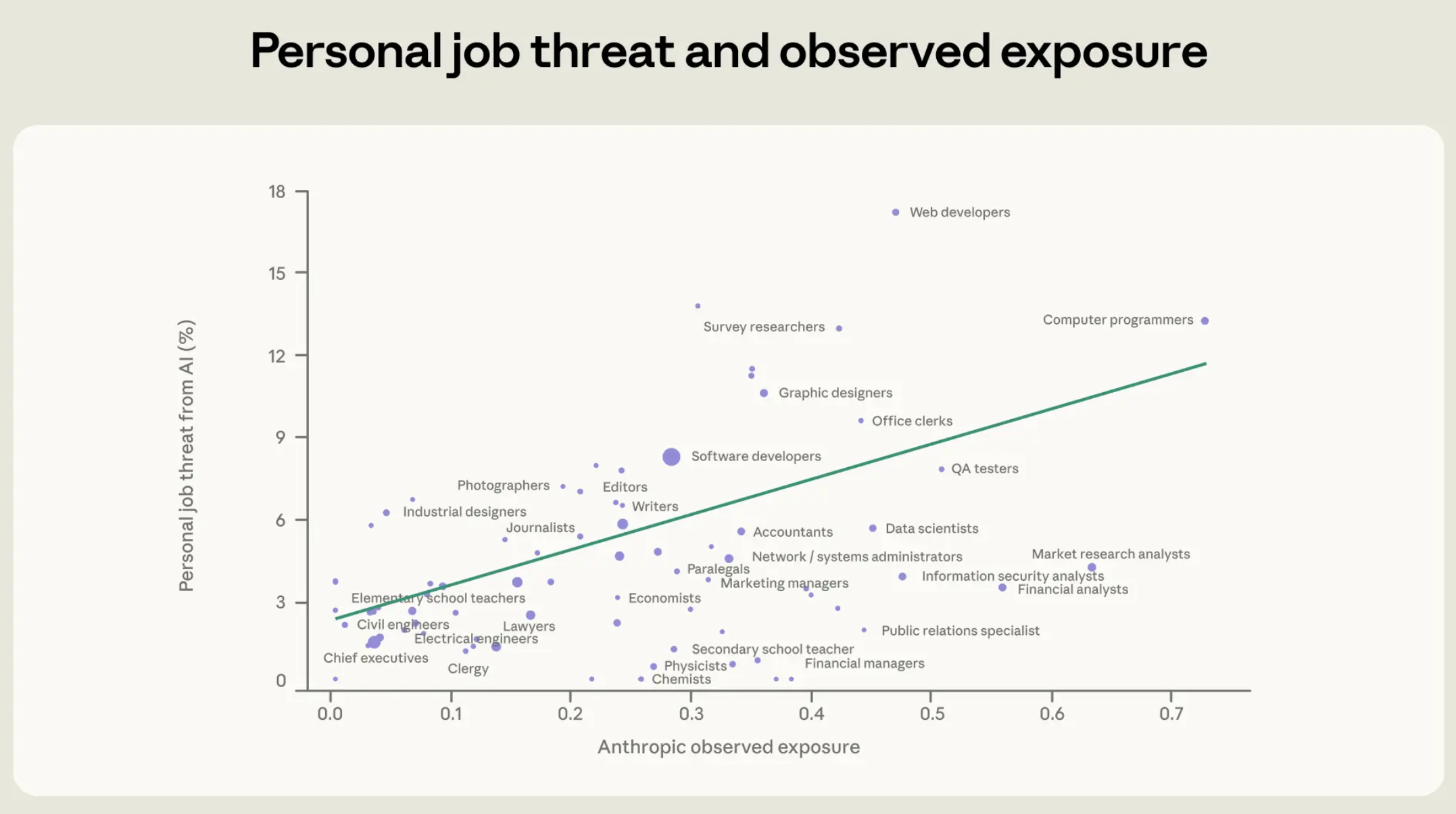
Figure 1: Occupational threats from AI and observational exposure
Young people are more anxious
Career stage is a key variable affecting anxiety levels. In previous research, we observed signs of slowing recruitment for recent graduates and newcomers in the U.S.
In this survey, we also found: those in the early stages of their careers experience far more panic about unemployment compared to seasoned professionals.
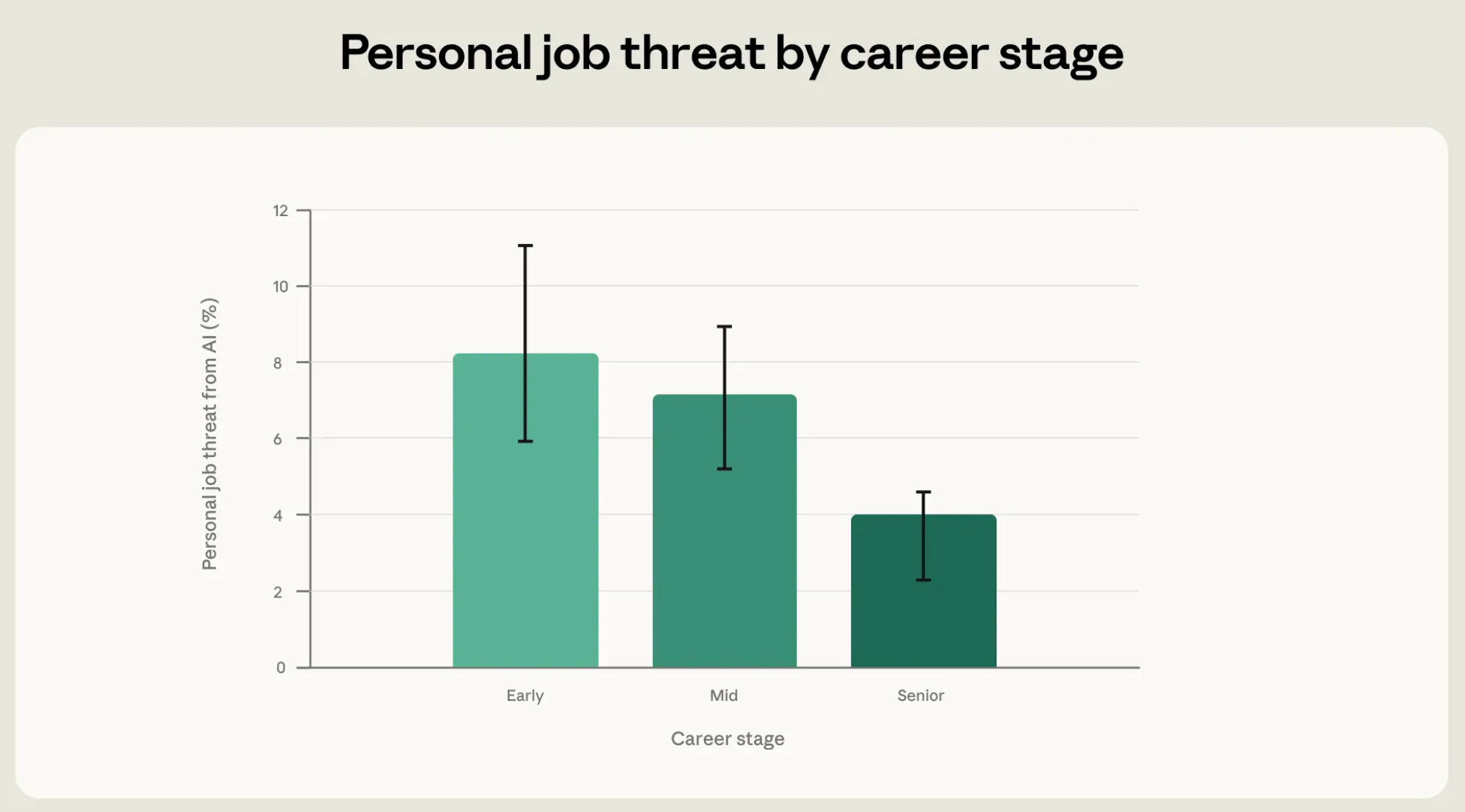
Figure 2: Unemployment worries at different career stages
Who is benefiting from AI?
Most people feel productivity gains
We scored respondents’ self-reported productivity improvements using Claude on a scale of 1 to 7: 1 point represents "decreased efficiency," 2 points represent "no change," with each subsequent level representing higher improvement.
A typical 7-point response: “It used to take months to build a website, now it’s done in 4 or 5 days;”
5-point response: “What used to take four hours can now be done in half an hour;”
2-point response: “AI helped me fix a piece of code, but it took several attempts to get the desired result.”
The final average score was 5.1, indicating “significantly more efficient.”
Of course, these respondents are active users of Claude and willing to participate in the survey, so they are more likely to perceive productivity benefits than the average user. About 3% reported negative or neutral impacts, while 42% did not explicitly mention any changes in productivity.
High-income groups benefit the most
This result shows some differentiation across income levels.
Figure 3 on the left shows that high-paying occupations (like software developers) experienced the greatest productivity gains. This trend holds true even when excluding computer and math-related professions.
For tasks requiring higher education levels, Claude often significantly reduces the time needed to complete tasks (compared to situations without AI).
However, one detail is worth noting: the benefits for low-paying jobs are also significant. A customer service representative quickly generated responses using AI, saving a lot of time; a delivery person started an e-commerce business with Claude; a gardener developed a music app. AI is opening doors for those with lower education levels and income that were previously unattainable.
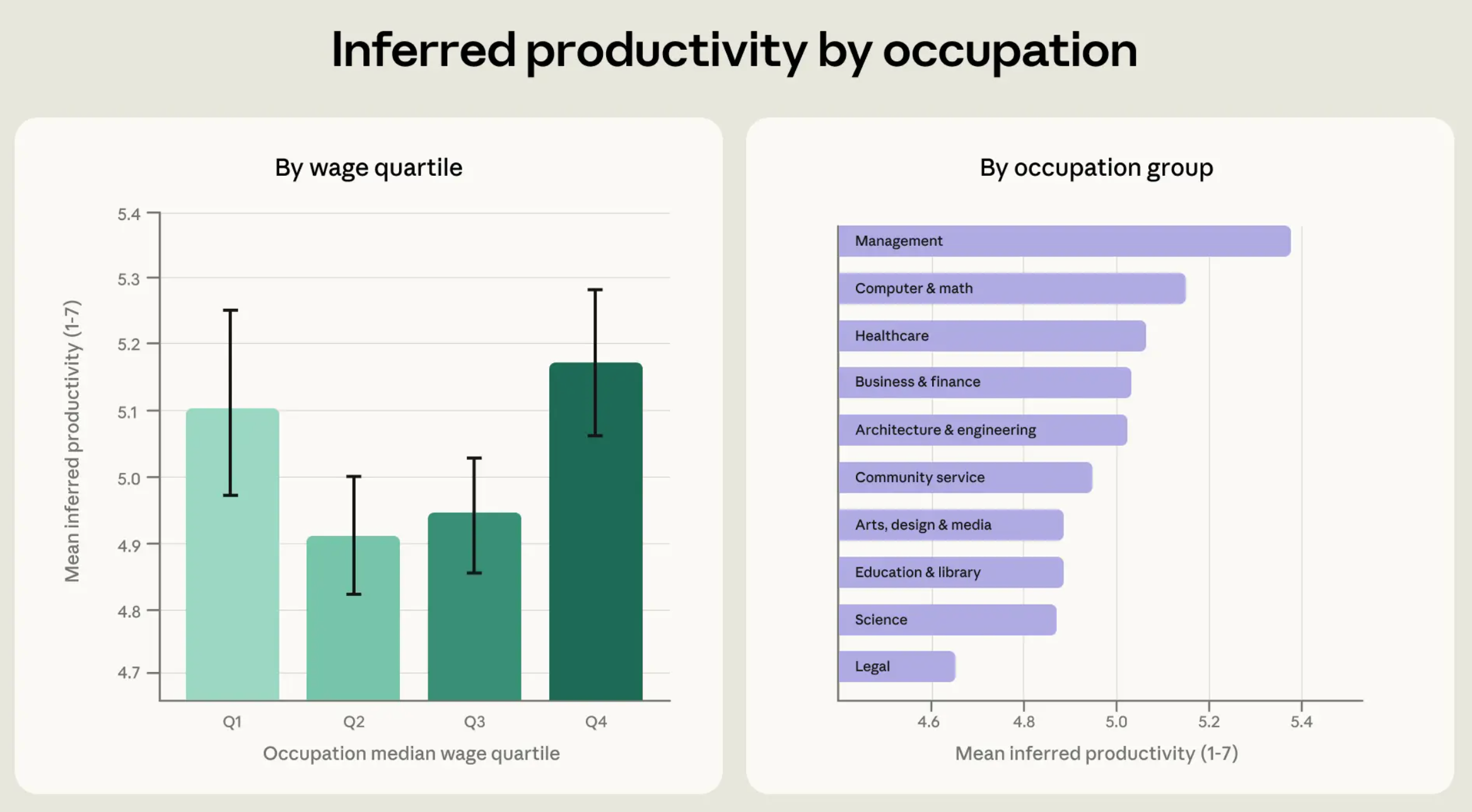
Figure 3: Productivity improvements by occupation (inferred)
On the right side of Figure 3, we provide a more detailed breakdown of this result.
Ranking highest are management occupations, where most respondents are entrepreneurs using Claude to start businesses. Next are computer and math-related professions, including software developers. The two groups with the mildest productivity gains are research and legal practitioners.
Some lawyers express concerns about whether AI can accurately follow complex instructions: “I have already provided very specific rules, including content placement, how to interpret legal documents, what actions I hope it executes… but it always goes off track.”
Who benefits from the gains?
As AI spreads within the economic system, a key question arises: who ultimately receives these gains—workers themselves, managers, consumers, or businesses?
Overall, most people believe the gains belong to themselves: tasks are completed faster, more can be accomplished, and there is more discretionary time available.
However, still, 10% of respondents feel that these dividends are being “harvested” by employers or clients: needing to deliver more output in the same amount of time. A small number of individuals mentioned that AI companies would benefit from it.
This difference is also related to career stages: only 60% of newcomers believe they are beneficiaries of AI dividends, while that proportion soars to 80% among seasoned professionals.
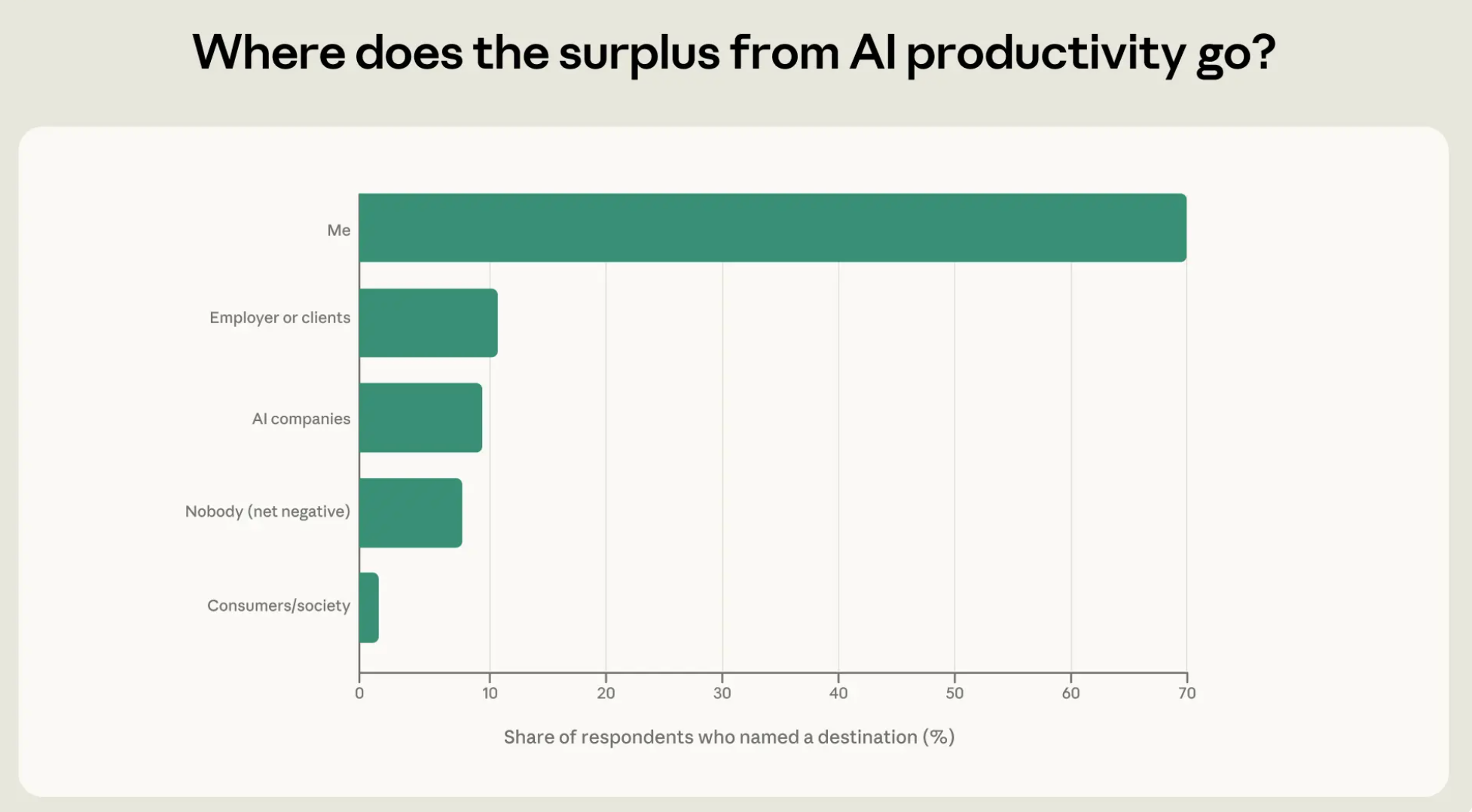
Figure 4: Where do AI productivity dividends go?
Where is the efficiency increase reflected?
“I accomplished things I couldn't do before"”
Respondents shared where they felt the productivity increases. We divided it into four dimensions: Scope, Speed, Quality, and Cost.
Analysis found that among all respondents who explicitly mentioned productivity changes, the most common improvement came from “expansion of work scope,” accounting for 48%; while 40% emphasized speed improvements.
For example, many who use AI for programming stated: “I wasn’t a tech person before, but now I can do full-stack development.” This falls under the expansion of work scope—AI has unlocked new capabilities for them.
Others achieved faster completion of existing tasks, such as an accountant who stated: “I created a tool that can complete a financing task in 15 minutes that used to take 2 hours.”
Quality improvements are often reflected in more comprehensive and detailed checks of code, contracts, and various documents. A small number of respondents also mentioned the low-cost advantages of AI.
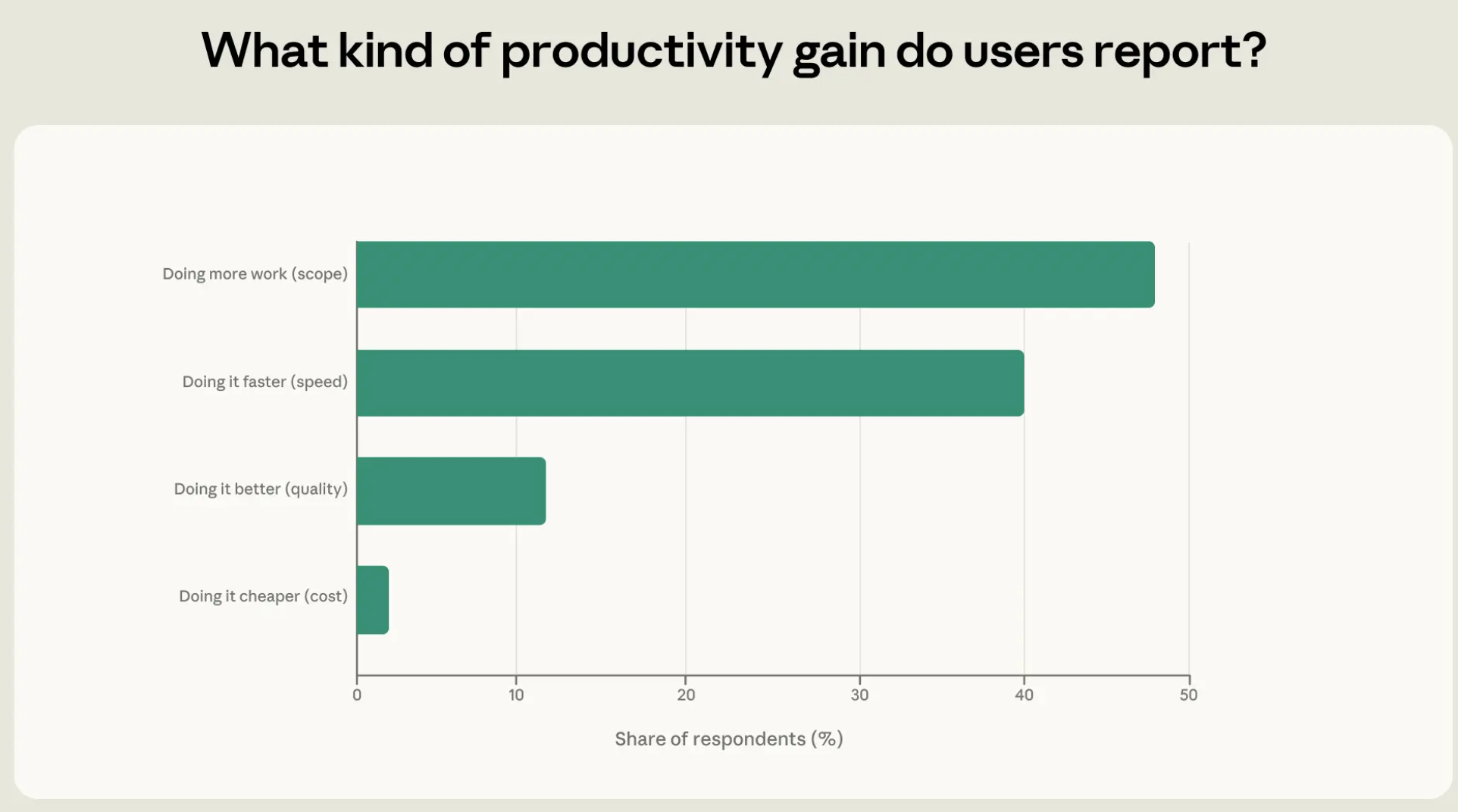
Figure 5: Types of productivity increases reported by users
The faster the speed, the greater the fear of unemployment
The research found that the increase in work speed due to AI shows a U-shaped relationship with perceived job threats (see Figure 6).
Low-speed group (slowing down): Mainly creative workers (like writers and artists) who feel that the rigidity of AI limits the flow of creativity, but they worry that the proliferation of low-quality AI content will squeeze their survival space.
High-speed group (rapid increase): When task completion time is reduced from hours to minutes, users experience strong insecurity—if work becomes so simple, then what is the long-term value of my existence?
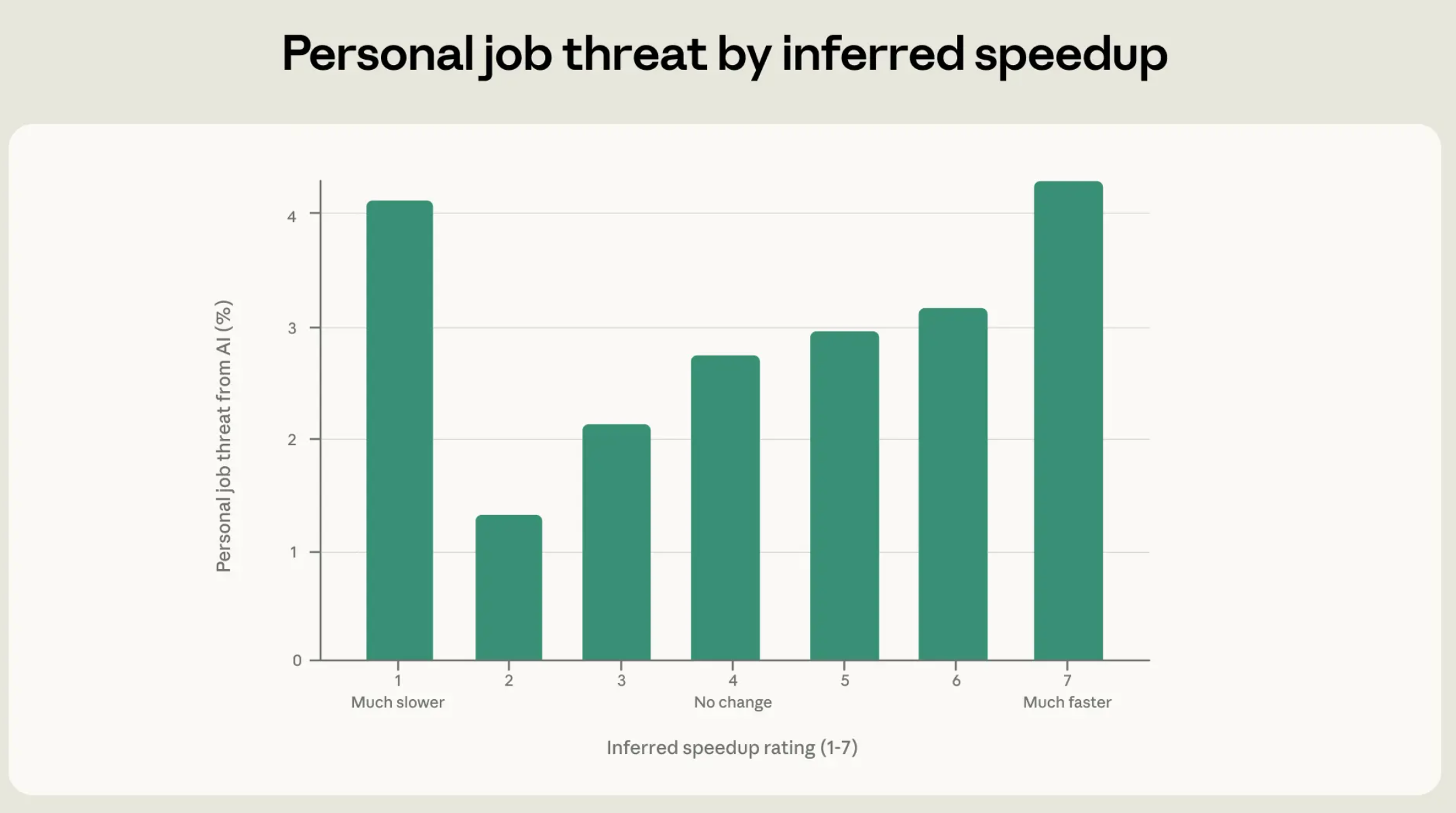
Figure 6: The relationship between job threats from AI and changes in speed
Conclusion: What can we read from this?
People's perceptions match the data closely
The data shows that people's perceptions align with actual usage data: the more tasks that Claude can handle, the more worried people are about AI's impact.
Additionally, those in the early stages of their careers have higher economic anxiety, which aligns with existing research findings.
AI is empowering, but anxiety is real
Meanwhile, the survey also presents the other side of the coin: AI is genuinely expanding people's boundaries of capability.
Although high-income groups are the most positive about the productivity gains brought by AI, low-paying jobs and those with lower education levels also report significant efficiency improvements. Most respondents believe that Claude enhances their capabilities by expanding their work scope or increasing their execution speed.
However, this does not alleviate anxiety. Those who benefit the most are often the most uneasy—because they are more aware than anyone of what AI can achieve.
Limitations and Perspectives
It is important to note that our analysis has some significant limitations:
The respondents are all active users of Claude, making them more likely to perceive personal benefits from AI; information about occupation and career stage was inferred from open-ended responses, which could contain inaccuracies; furthermore, the survey used open-ended questions, and results depend on what respondents “just happened to mention.”
Nevertheless, the economic anxieties reported by 80,508 Claude users are a signal that cannot be ignored.
免责声明:本文章仅代表作者个人观点,不代表本平台的立场和观点。本文章仅供信息分享,不构成对任何人的任何投资建议。用户与作者之间的任何争议,与本平台无关。如网页中刊载的文章或图片涉及侵权,请提供相关的权利证明和身份证明发送邮件到support@aicoin.com,本平台相关工作人员将会进行核查。


