This time window will also be a key opportunity for the UAE to adjust its pace and increase production comprehensively.
Written by: Bibi News
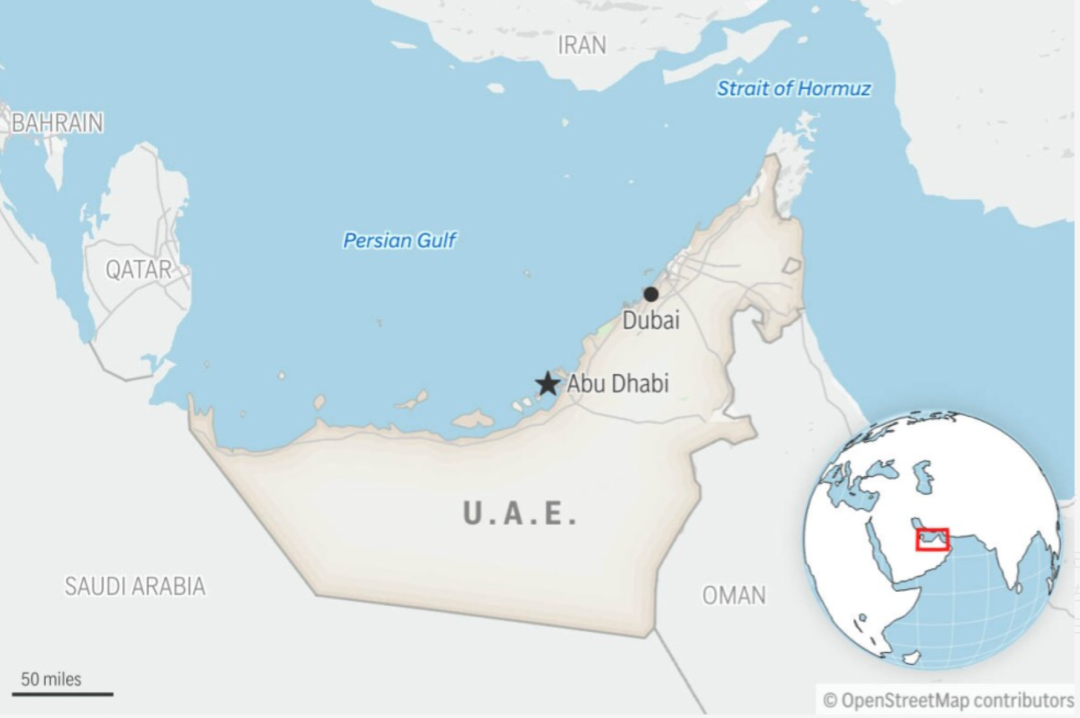
On April 28, 2026, the UAE announced through the state news agency WAM that it will officially withdraw from the Organization of the Petroleum Exporting Countries (OPEC) and its extended alliance OPEC+ starting May 1.
This member that has been in the organization for nearly 60 years produces about 3.6 million barrels per day, accounting for approximately 12% of OPEC's total production, making it the third largest oil-producing country after Saudi Arabia and Iraq.
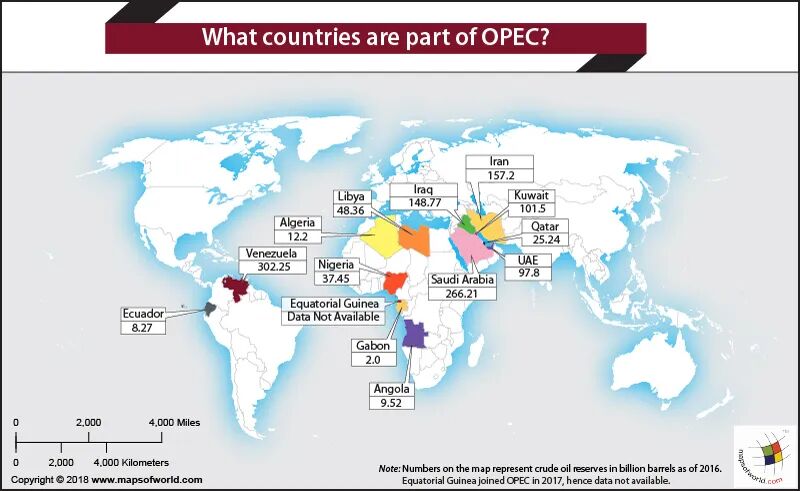
After the withdrawal, the number of OPEC member countries will reduce from 12 to 11, and the organization's share of global crude oil supply will further decline from about 30% to around 26%.
This is the largest member withdrawal event that OPEC has experienced in recent years.
From Founding to Core: UAE's 60 Years
OPEC was originally initiated in 1960 by five countries: Iran, Iraq, Kuwait, Saudi Arabia, and Venezuela, with the primary aim of coordinating production and defending the common interests of oil-exporting countries.
In 1967, the Emirate of Abu Dhabi joined as an independent member, and four years later, the UAE was established, inheriting this membership.
Over the following decades, relying on significant capital input from the Abu Dhabi National Oil Company, the UAE expanded its energy landscape, with proven reserves now reaching 11.3 billion barrels, ranking sixth globally and accounting for about 6% of the world's total reserves.
Entering the 2020s, the UAE's daily crude oil production stabilized at around 3.6 million barrels, peaking at around 4.12 million barrels in 2022.
Meanwhile, the Abu Dhabi National Oil Company continued to advance its expansion plan, aiming to increase capacity to 5 million barrels per day by 2027, with a total investment of over $150 billion.
The increasing capacity does not solely determine how much can be sold and how it can be sold.
Long-term Tension Between Quotas and Capacity
The core of OPEC's operation is the quota mechanism.
Based on the production capacity, historical output, and market forecasts of member countries, each member is assigned a production ceiling, and any production beyond this limit is theoretically a violation.
This mechanism can maintain market stability during high oil prices, but for members with rapidly expanding capacities, it represents an invisible ceiling on their revenues.
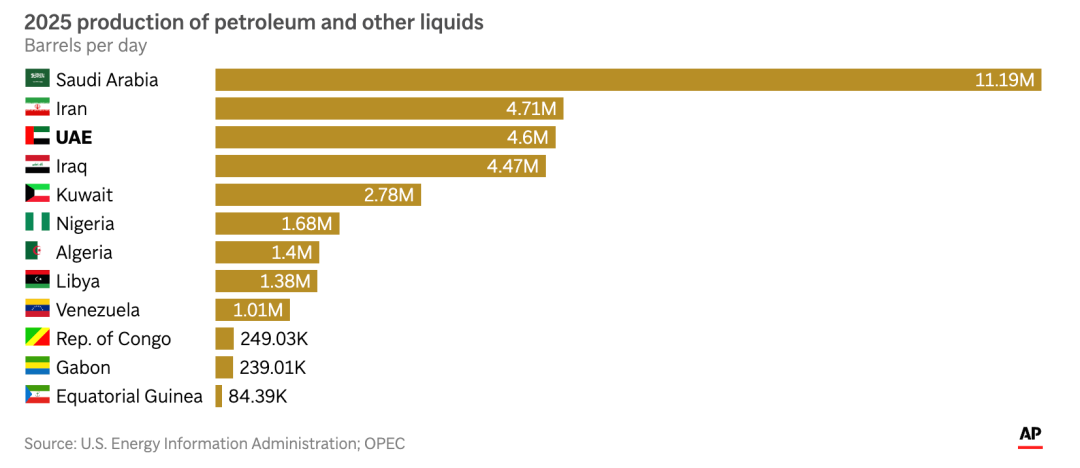
The UAE's situation exemplifies this. The latest quota is about 3.41 million barrels per day, while actual capacity is close to 4.85 million barrels, leaving a gap of about 1.4 to 2 million barrels per day.
Using an international oil price of $70 to $80 per barrel, the potential revenue loss from this capped capacity annually ranges between $46 billion and $58 billion.
The conflict between the UAE and OPEC reached a peak in 2021.
At that time, demand began to rebound after the COVID-19 pandemic, and within OPEC, discussions were held about whether to continue reducing production. The UAE clearly refused to accept the existing quota, demanding that the baseline be raised from 3.2 million barrels to 3.8 million barrels.
Negotiations were deadlocked for two weeks, and ultimately Saudi Arabia allowed the UAE to increase its quota to 3.65 million barrels.
Since then, the UAE has begun regular excessive production, exceeding its quota by hundreds of thousands of barrels per day becoming routine by 2024.
Precedents Before Withdrawal
In OPEC's history, member withdrawals are not new.
Indonesia joined in 1962, then experienced withdrawals and re-entries before finally leaving again in 2016.
Ecuador exited in 2019.
After becoming the world's largest liquefied natural gas exporter, Qatar announced its departure in 2019, citing a shift in strategic focus towards gas rather than oil.
Angola withdrew in 2024, also due to dissatisfaction with quota distributions.
However, the UAE's scale is not comparable to these countries.
When Qatar withdrew, its daily output was about 600,000 barrels, Angola's was about 1.1 million barrels, while the UAE's is nearly 3.6 million barrels, several times the total output of previous withdrawing members.
This is because the UAE has a higher degree of economic diversification and does not rely heavily on high oil prices to balance its fiscal budget, making it more inclined to achieve gains through volume rather than price.
War Disrupted the Rhythm, but Was Not the Root Cause
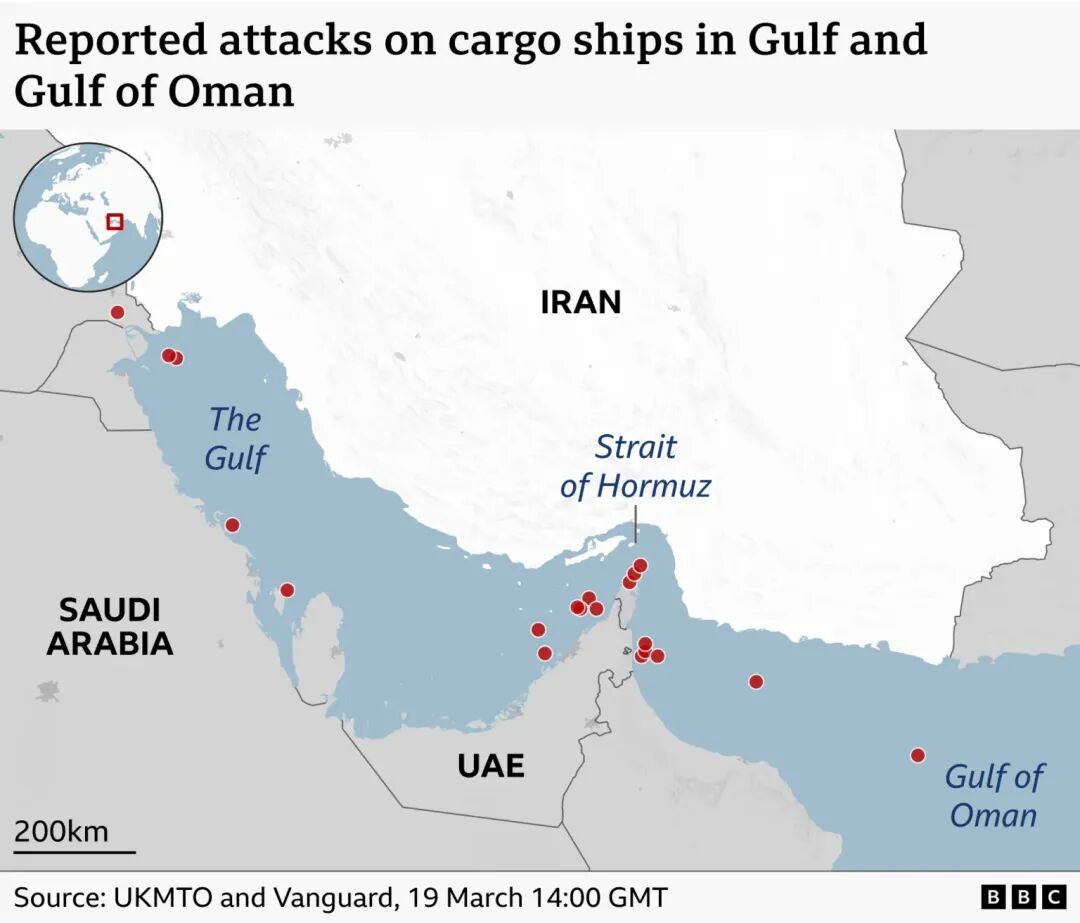
On February 28, 2026, the United States and Israel launched military strikes against Iran, triggering a conflict that rapidly affected the entire Gulf region.
The Strait of Hormuz, the world's most important oil transportation route, typically carries about one-fifth of global crude oil and liquefied natural gas, but as the conflict escalated, the strait effectively fell into a state of closure.
The UAE's exports were almost immediately hit hard. Although there is a land pipeline bypassing the Strait of Hormuz with a maximum capacity of about 1.8 million barrels per day, it is insufficient to make up for the losses caused by maritime shipping disruptions.
In March 2026, its daily crude oil production plummeted to about 1.9 to 2.34 million barrels, a decrease of about 35% to 47% from the pre-war level of 3.6 million barrels. In comparison, Saudi Arabia's drop during the same period was about 23%, while Iran, as one side of the conflict, saw its production only decrease by about 6%.
Data from the International Energy Agency shows that OPEC+'s share of global oil production dropped from about 48% in February 2026 to 44% in March, with a continued decline expected in April, further reducing in May with the UAE's formal withdrawal.
The interruption of the Strait of Hormuz acts as a catalyst, but it is merely a catalyst.
The UAE's Minister of Energy, Suhail Mohamed Faris Al Mazrouei, stated that this decision was made after a comprehensive assessment of the UAE's oil production policies and current and future capacities, noting that policy considerations preceded the current geopolitical conflict.
What Changes Will Happen to OPEC's Structure
Assessing the actual significance of the UAE's withdrawal from OPEC hinges on the core indicator of idle capacity.
Idle capacity refers to production that can be quickly utilized in the short term and is the most important stabilizer in the oil market during supply shocks. Globally, the effective total idle capacity is around 4 to 5 million barrels per day, with a significant portion concentrated in Saudi Arabia and the UAE.
After the withdrawal, this part of the UAE's idle capacity will no longer be constrained by OPEC quotas, allowing it to operate independently of the organization's decision-making framework.
The UAE is the only member within OPEC, aside from Saudi Arabia, with substantial idle capacity. After the withdrawal, OPEC's overall production control capability will decline, combined with continued increases in production from non-OPEC oil-producing countries, especially the United States, reducing operational space for coordinating supply.
Currently, the daily production of the U.S. exceeds 13 million barrels, higher than Saudi Arabia's approximately 9 million barrels, which has significantly diminished OPEC's bargaining position in recent years.
Now Saudi Arabia will become almost the sole member within OPEC with large-scale idle capacity, carrying a heavier market management burden, but with fewer mobilizable support resources.
How Oil Prices Moved on the Day of the Announcement
On the day the news was announced, Brent crude futures initially fell briefly but then rose by about 2% compared to the previous day’s closing price, with the day's price above $111 per barrel.
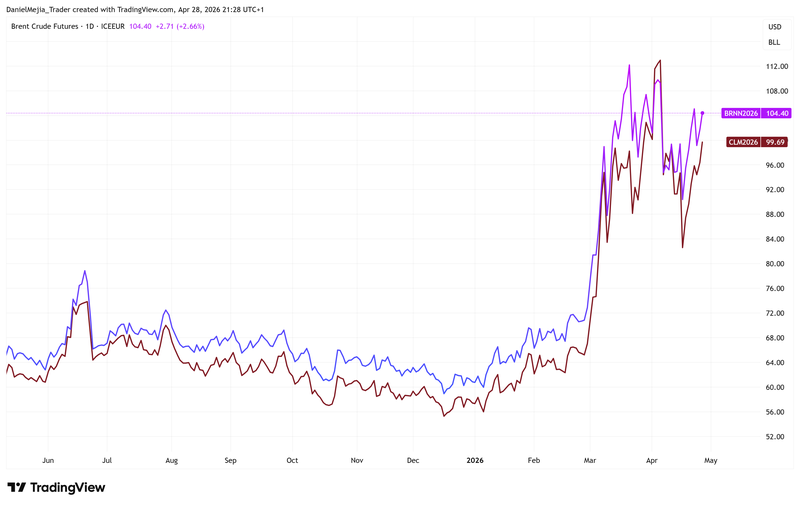
The Strait of Hormuz is currently still in a state of effective blockade, and the UAE cannot substantially increase its export volume in the short term; thus, the impact of withdrawing from OPEC on immediate supply is nearly zero. Overall, oil prices remain dominated by geopolitical risks, over 50% higher than pre-war levels in February 2026.
However, in the medium to long term, once the strait returns to normal, the independent production increase expectations of the UAE will exert downward pressure on prices.
The futures market's response is relatively cautious regarding the medium to long term. If the UAE achieves its goal of 5 million barrels per day production and significantly increases output, the additional supply would account for approximately 1% to 2% of global demand, a scale sufficient to influence price trends during periods of supply-demand equilibrium.
The UAE's Next Steps in Increasing Production
After the withdrawal, the UAE can make its own decisions regarding production without being constrained by quotas. The pace and extent of increases will largely depend on when the Strait of Hormuz reopens, the progress of the Abu Dhabi National Oil Company's capacity construction, and the demand situation in major global consumer markets.
The Abu Dhabi National Oil Company has been expanding upstream investments over the past few years, and its recoverable capacity is nearing 4.85 million barrels per day. The target of 5 million barrels per day by 2027 has been set long ago, and the true significance of the withdrawal lies in allowing this capacity to be freely released into the market.
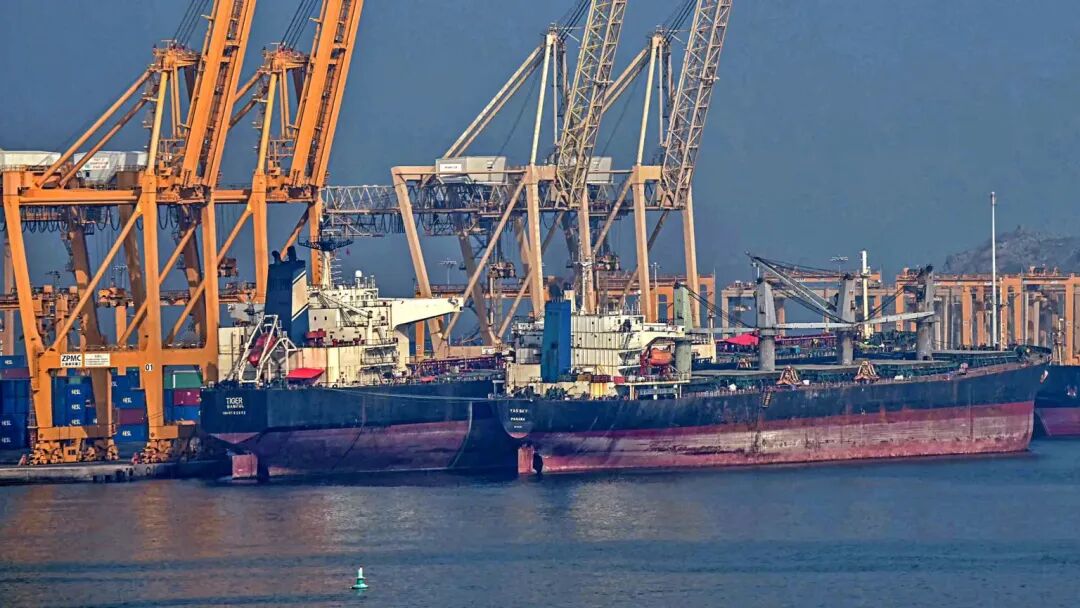
The UAE also has a Habshan pipeline connecting inland oil fields to the Port of Fujairah, bypassing the Strait of Hormuz to enter the Gulf of Oman, with a maximum daily transport capacity of about 1.5 to 1.8 million barrels. In the absence of normal operations in the strait, this pipeline currently represents the UAE's limited export channel, but it is still not enough to support a comprehensive increase in production.
A report from the World Bank pointed out that the oil supply losses caused by the Iran conflict are the largest on record, and global energy prices are expected to rise by an average of about a quarter this year, estimating that it will take six months for the strait to return to pre-war levels.
This time window will also be a key opportunity for the UAE to adjust its pace and increase production comprehensively.
免责声明:本文章仅代表作者个人观点,不代表本平台的立场和观点。本文章仅供信息分享,不构成对任何人的任何投资建议。用户与作者之间的任何争议,与本平台无关。如网页中刊载的文章或图片涉及侵权,请提供相关的权利证明和身份证明发送邮件到support@aicoin.com,本平台相关工作人员将会进行核查。


