Original title: The Rise of Apple's New CEO: A Hardware Expert Takes Over in the AI Era
Original author: Rolfe Winkler, the Wall Street Journal
Translation: Peggy, BlockBeats
Editor's note: After Jobs and Cook, Apple has finally welcomed its third true "era-defining successor." Unlike the distinct labels of the first two (one defined products, the other reshaped the supply chain), John Ternus’s rise seems more like a continuation of internal logic: a "systematic figure" who is familiar with the organization, understands products, and can advance decision-making within a complex structure.
This article outlines John Ternus’s growth path within Apple. From the pragmatic update of the Mac Mini to the “decentralized coordination” in AirPods development, and finally to promoting the in-house transition of Mac chips, Ternus's role has always been to ensure the system operates efficiently rather than defining a vision in the spotlight.
From a broader perspective, Ternus's appointment marks that Apple is transitioning from the phase of "product vision + supply chain execution" into a cycle that requires redefining its growth engine. As a typical hardware engineer executive, he stands out for his execution ability, internal collaboration skills, and deep understanding of the product system; his decision-making logic is consistent—prioritizing ecological value over individual product profits.
Ternus's strength lies in his deep understanding of Apple's internal mechanisms and his ability to "get things done" within a functional organization; his uncertainty lies in whether he can propose a sufficiently clear and risky product direction based on the existing system.
At the same time, Apple is gradually falling behind competitors at the new generation of computing interfaces represented by conversational AI, with the gap in Siri’s capabilities continuing to widen. The shift in technological paradigms is weakening its previously hardware-centric competitive advantages.
Therefore, the key to this successor transition is not whether existing achievements can be maintained but whether breakthroughs can be achieved: whether Ternus possesses product insight similar to Jobs or system reconstruction capabilities akin to Cook remains an open question. The implicit judgment of the article is that Apple’s current constraint is not at the execution level but in directional choices: in the era of AI, whether hardware advantages can be converted into platform advantages again will determine whether this "engineer CEO" can truly open the next cycle.
In this sense, this handover seems more like a path choice: to continue optimizing the existing products and ecosystem, or to re-bet on an unclear technological direction.
The answer may soon be revealed.
Below is the original text:
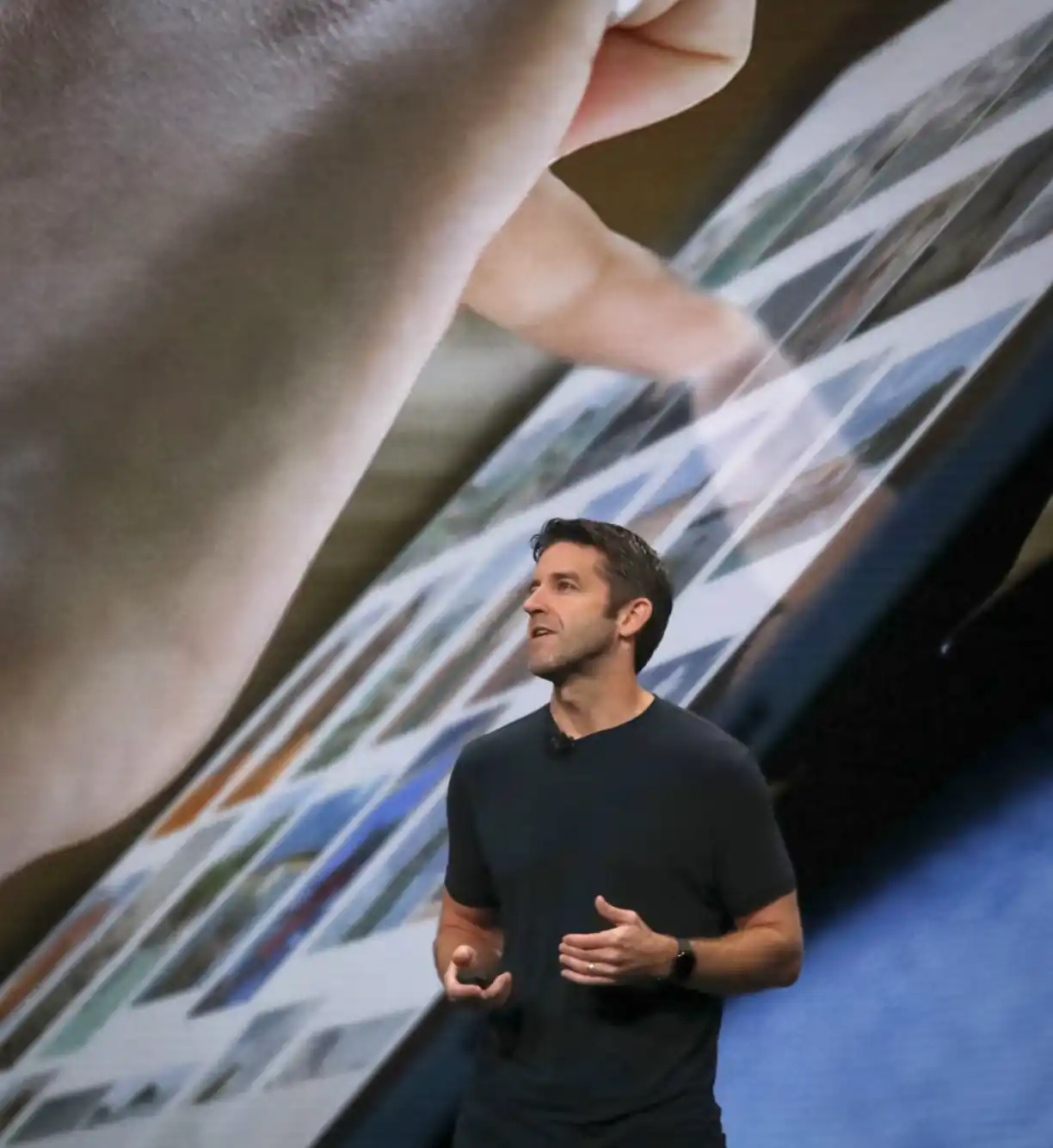
John Ternus
The Mac Mini was in urgent need of an update, and John Ternus hoped he would not have to go through the design master Jony Ive’s approval.
Years ago, before Ternus was chosen to lead one of the largest and most influential companies in the world, he was in charge of Apple’s Mac hardware department. This was just one of many stages of his ascent in this relatively closed company, during which he gradually learned how to navigate its unique and complex internal politics.
At that time, the AI wave that would make the Mac Mini popular was still years away, but software developers urgently needed a new version equipped with updated chips. Redesigning the Mini’s casing would likely require the involvement of Ive’s industrial design team, leading to additional delays.
Insiders say that after determining that no major design changes were needed for the product, Ternus decisively pushed for this update. He did not overly consider the product's profitability potential but instead focused on its value to Apple’s overall ecosystem. This is just one of many cases that reflect his decisiveness, deep understanding of Apple’s culture and products, and his ability to push things forward within the company.
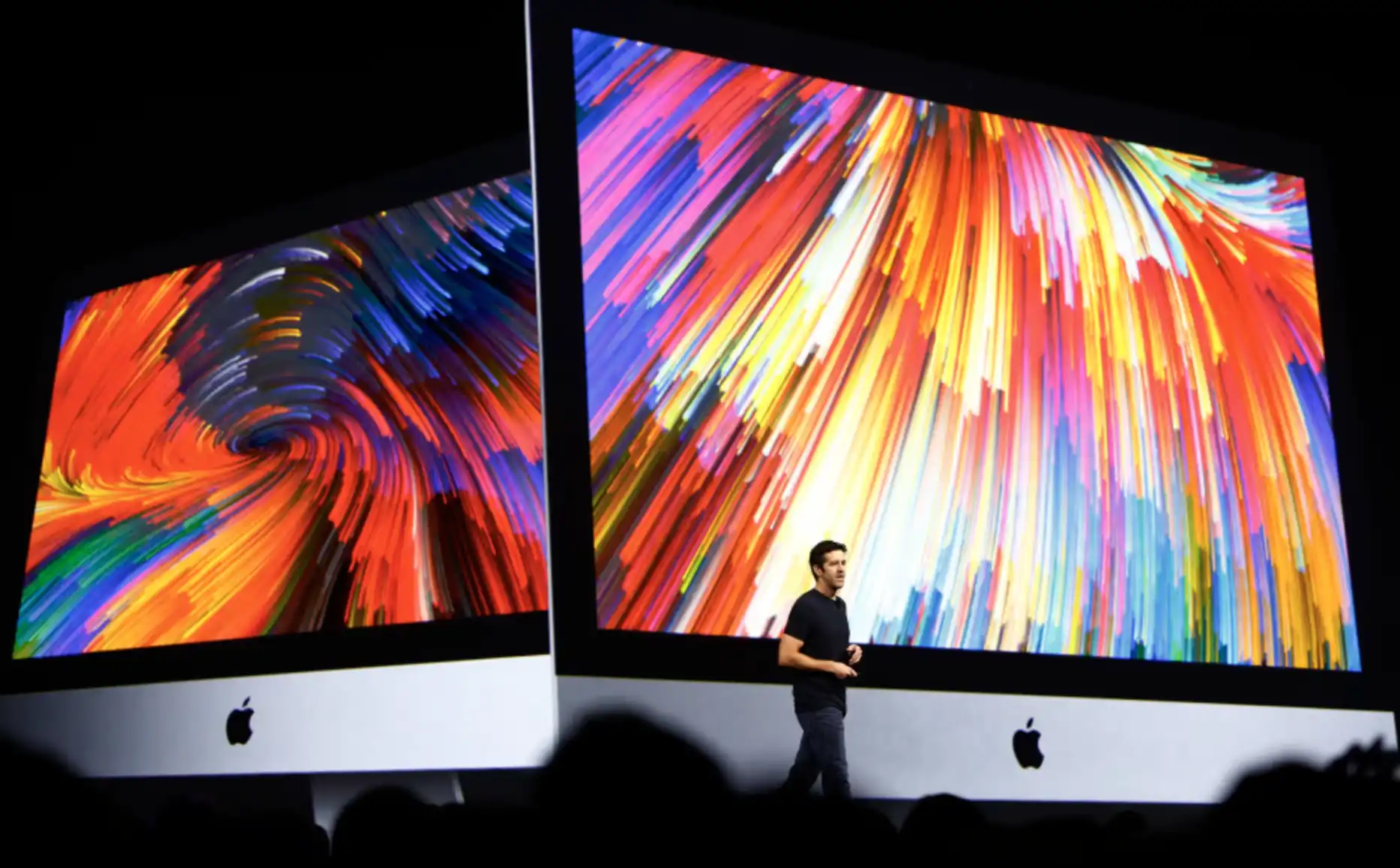
In 2017, Ternus attended the Worldwide Developers Conference (WWDC). Image source: GARY REYES / MEDIANEWS GROUP / GETTY IMAGES
Apple announced on Monday that these traits have propelled Ternus to the highest position in the company throughout his 25-year career, and he will officially take over on September 1, instantly becoming one of the most watched corporate leaders in the world. Tim Cook, who has long served as Apple’s CEO, will transition to executive chairman.
Ternus will take over from two corporate legends. Steve Jobs created the most profitable product in history—the iPhone; and Cook has wrung trillions of dollars in value from this smartphone through the supply chain system he built and the continuously launched services and accessories.
Similar to when Cook succeeded Jobs, Ternus still appears to be a relatively low-key figure to the outside world. If Jobs was a visionary of products and Cook was a supply chain expert, Ternus is more like a hardware genius who sits between the two.
Ternus has a background in mechanical engineering and has recently been in charge of hardware engineering for all Apple products. At a key juncture in Apple's history, he took the helm of the company. Currently, with multiple new models launched last autumn, Apple still maintains peak sales for the iPhone, but at the same time, the company faces a dilemma—how to find the next blockbuster product.
Additionally, Apple must undergo self-restructuring in the era of artificial intelligence. For decades, Apple has defined how people interact with computing on desktops and mobile devices, but now, in the new generation of computing platforms represented by humanoid conversational chatbots, the company has fallen behind its competitors. Apple’s own Siri (which is expected to undergo an "AI brain" upgrade this year) seems quite "primitive and outdated" in comparison.
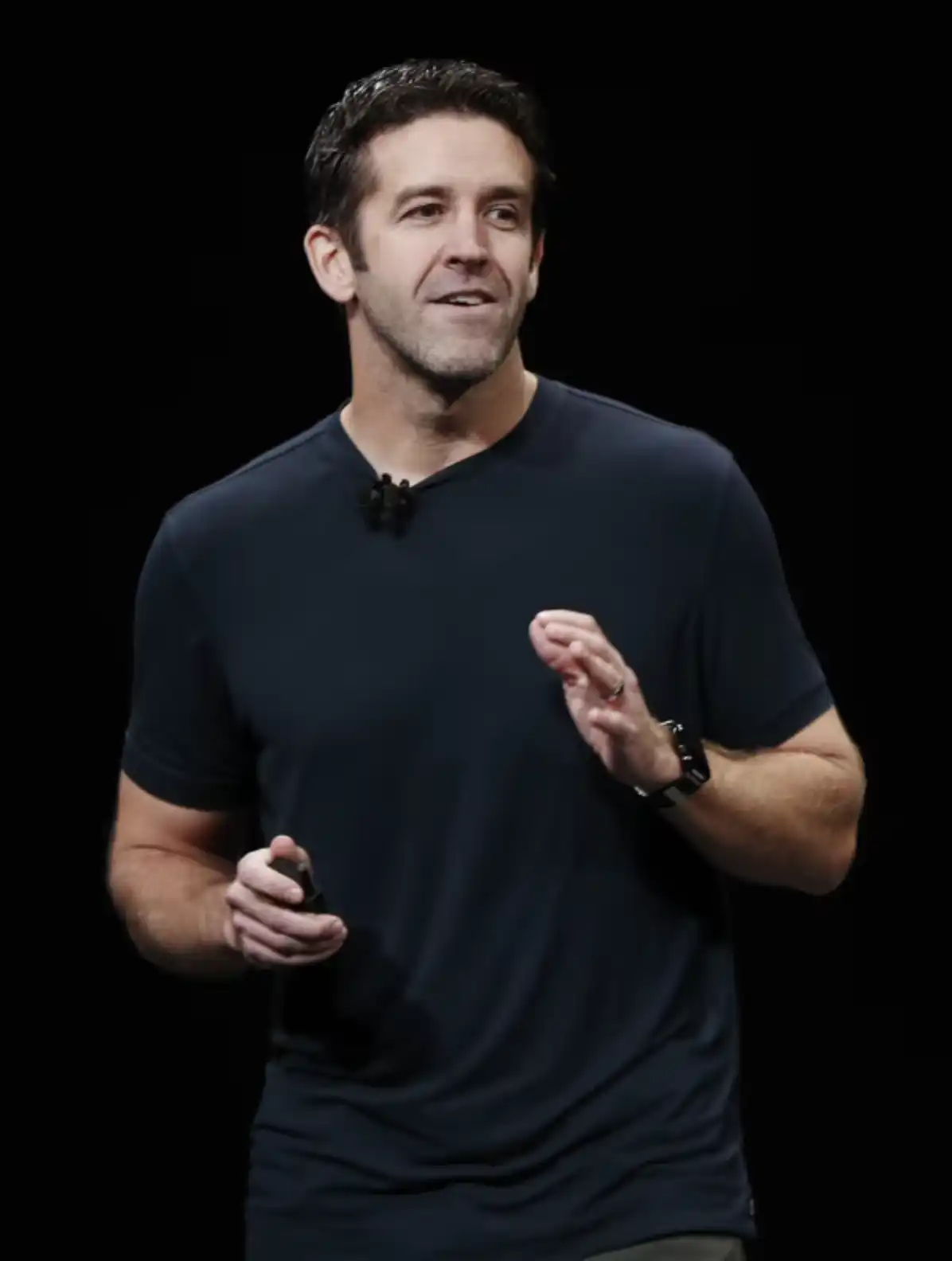
Ternus's long tenure at Apple will play a crucial role in his new role. Image source: JUSTIN LANE / EPA-EFE / REX / SHUTTERSTOCK
If you ask any Apple employee about Ternus, the answer is almost unanimous: he is very easy to get along with. People who have worked with him describe him as an outstanding collaborator who can inspire high loyalty within the team; he is calm and rational, and has hardly made enemies in a company previously known for tight internal relationships and strong personalities.
Employees also mention that he has a strong ability to advance matters in meetings, always ensuring discussions focus on key points; at the same time, he prefers to communicate directly with frontline employees who are more familiar with product details rather than through management layers who have less specific knowledge of the situation.
Outside of Apple, Ternus is passionate about driving his Porsche on race tracks, such as California’s Laguna Seca. Insiders say his lap time can finish in under 1 minute and 40 seconds, which is quite impressive for an amateur driver.
Ternus is tall and slender, maintaining the physique he had as a swimmer during his time at the University of Pennsylvania. His former teammate Andrew Berkowitz recalls, "Ternus is a really good guy." He also mentioned a tradition on the team—running along the campus's Locust Walk in swimsuits during winter as an annual "initiation" for new students.
Ternus graduated in 1997 and then worked at a virtual reality startup for four years before joining Apple in 2001.
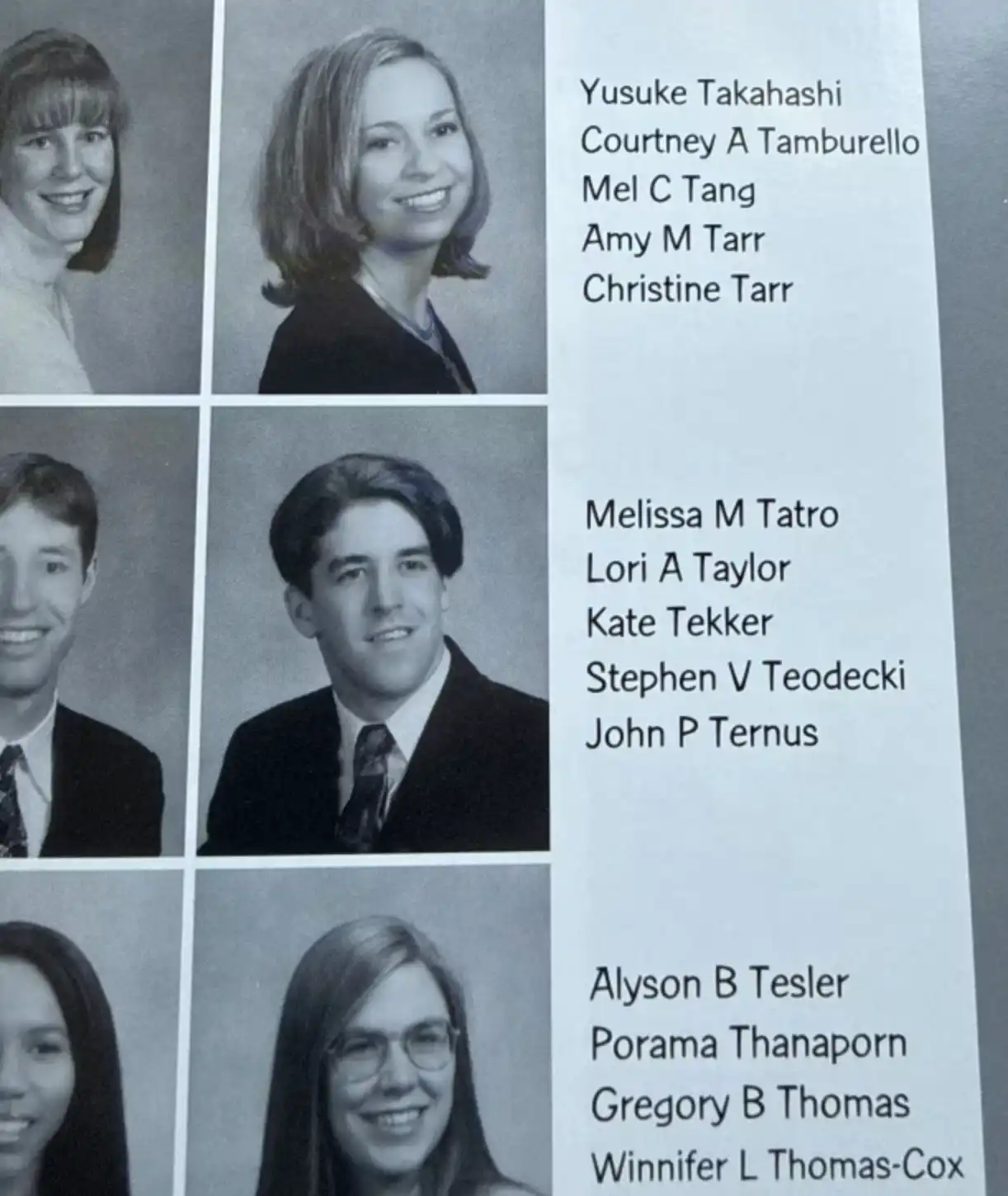
A photo of Ternus from the Pennsylvania University graduation yearbook. Image source: Andrew Berkowitz
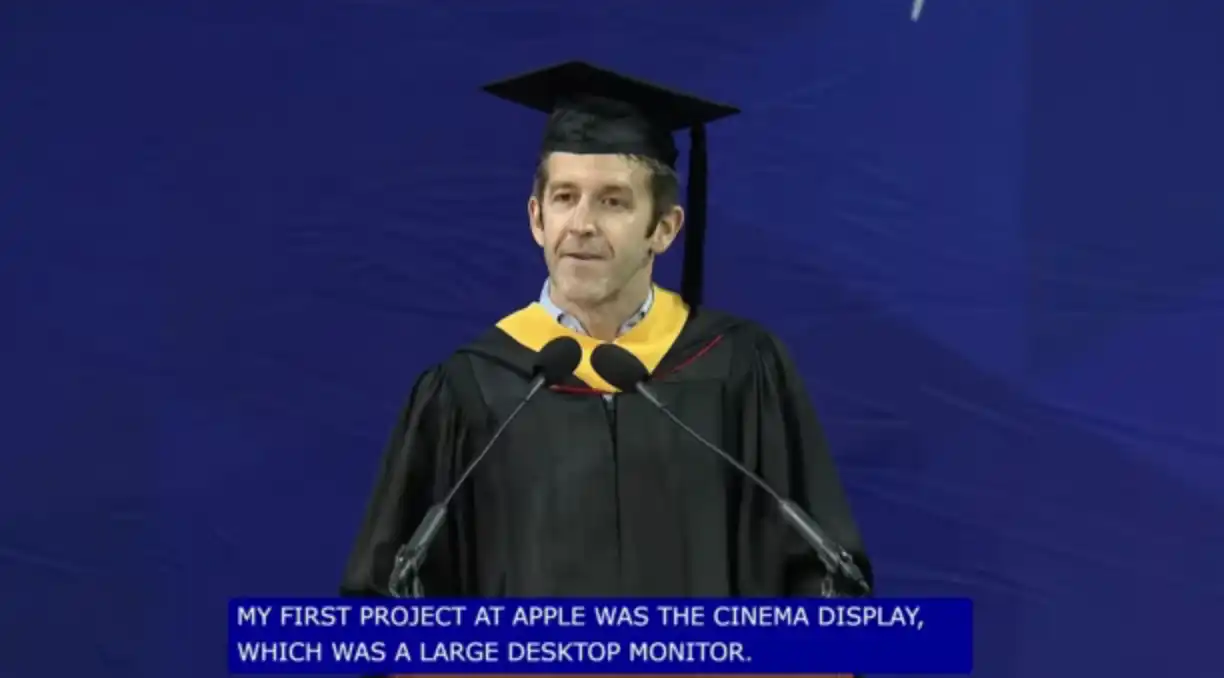
A frame from a YouTube video showing Ternus speaking at the 2024 Pennsylvania University School of Engineering undergraduate commencement ceremony.
Ten years ago, Ternus was one of the key executives responsible for developing AirPods. This product, which has now become an "essential accessory" for iPhone, famously underwent intense internal conflict during its initial development process—Ternus’s colleagues were deeply divided over how to maintain a stable connection for wireless headphones via Bluetooth. Ultimately, one executive was forced to leave the company, while another was reassigned to China. During this time, Ternus, then still under 40, managed to stay out of the fray.
One of the most important accomplishments during Ternus's tenure is driving the transition of Apple's Mac product line from Intel chips to in-house chips. These chips outperform the previously used Intel solutions in terms of performance and power consumption. However, the main credit for this transition is often attributed to Johny Srouji, Apple's hardware technology lead, who will take over and expand Ternus’s current hardware engineering responsibilities.
Ternus's coordination skills and his long tenure at Apple will be crucial in his new position. Apple's organizational structure is quite unique: unlike other large companies that divide by business lines and appoint general managers, Apple uses a functional division model. Therefore, an "insider" familiar with various aspects of the company has a natural advantage in assuming the CEO role.
However, according to insiders, Ternus is not known for making "bold and high-risk decisions," leaving an open question: whether he can provide the product vision that external critics believe has gradually lost since Steve Jobs's passing.
Ternus has been regarded as an important guardian of the company’s culture. He has hosted multiple internal sharing sessions to motivate employees while repeatedly emphasizing the importance of maintaining absolute confidentiality about unannounced products—which is one of the core tenets established during Jobs's era.
For months, Ternus has been seen as Tim Cook’s successor, reflecting Apple's efforts to facilitate a smooth power transition—contrasting sharply with the turbulent succession processes of some other long-established American companies in recent years.
Apple has also recently been intentionally increasing his public visibility.
When introducing the 2025 lineup of devices, Ternus personally showcased the new iPhone Air; shortly after, he was sent to London to welcome customers on the first day of sales for the new device at the UK flagship store. Last month, he also led the launch of the company’s latest product—a more affordable MacBook Neo.
Weeks ago, Apple held a 50th-anniversary celebration at New York's Grand Central Terminal. The day’s only stars were Cook and Ternus.
免责声明:本文章仅代表作者个人观点,不代表本平台的立场和观点。本文章仅供信息分享,不构成对任何人的任何投资建议。用户与作者之间的任何争议,与本平台无关。如网页中刊载的文章或图片涉及侵权,请提供相关的权利证明和身份证明发送邮件到support@aicoin.com,本平台相关工作人员将会进行核查。


