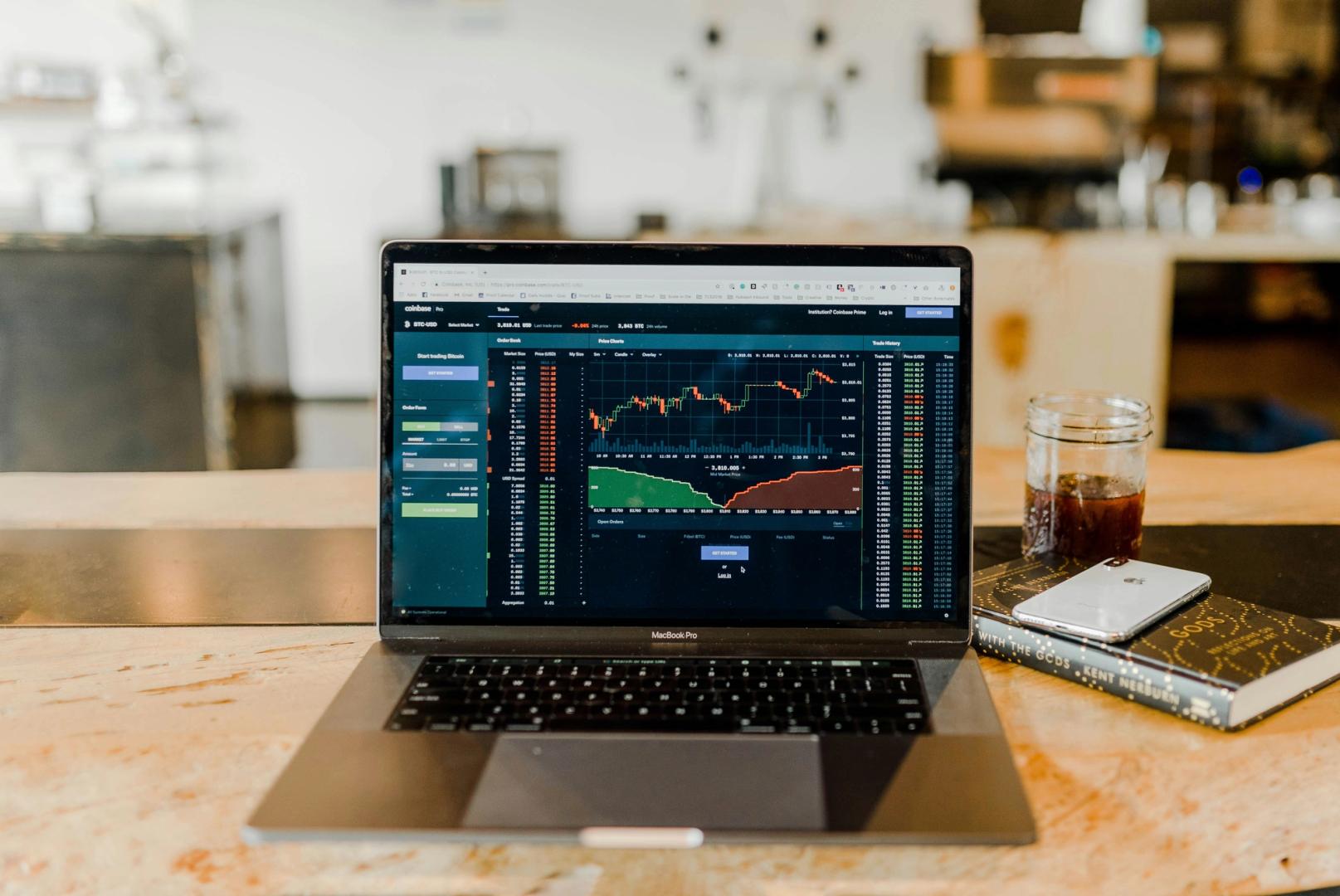
What to know : Bitcoin has traded in a tight range around $70,000 since mid-February. Institutional investors have been selling covered call options on their bitcoin holdings to generate extra yield, shifting significant gamma exposure to market makers. Market makers’ hedging of this positive gamma seems to have mechanically suppressed price swings and driven down bitcoin volatility indices.
The bitcoin market has been stuck in a rut for over a month, and investors chasing yields may be partly to blame.
Since mid-February, BTC has traded in a range centred on $70,000. Some observers say counteracting forces have been at play. The Iran war-led haven demand has been supporting BTC around $65,000, while rising U.S. Treasury yields have been holding back big gains beyond $75,000.
But another factor appears to have been quietly keeping bitcoin trapped in its range, and it's tied to investors using call options to generate additional yield on top of their spot market holdings.
"Throughout Q1, institutional participants have been systematically overwriting calls at higher strikes to harvest premium in a down/sideways market. That activity transferred significant gamma exposure to dealers, who have been hedging by buying into dips and selling into rallies to maintain delta neutrality," James Harris, CEO at Tesseract, the MiCA-licensed, multi-strategy digital asset manager.
Options are derivative contracts that give you the right to buy or sell the underlying asset, in this case, BTC, at a preset price at a later date. A call option gives the right to buy and represents a bullish market bet. A put option offers protection against price slides in BTC.
Think of it like reserving a concert ticket today for a small fee. You can buy it later at the reserved price, even if the ticket goes up, or sell your reservation to someone else for a profit. The ticket seller, meanwhile, keeps the small fee.
That’s essentially what traders have been doing—they’ve become the ticket sellers. By selling call options, they collect premiums (the fee) while covering the call buyer on potential BTC price rallies. And they do this against their existing bitcoin holdings. That's called the covered call strategy, a way of generating additional yield on top of spot holdings.
Now you might be wondering: what does this have to do with bitcoin’s range play? The answer lies in knowing that traders have been shorting, or selling, these calls to market makers – the firms that take the other side of these option trades.
By selling these calls, traders have left market makers with a position called positive gamma, which essentially means the market makers are forced to buy BTC as prices fall and sell BTC as prices rise to stay hedged. The result? A range-bound price action.
In other words, yield hunting by investors has been indirectly influencing market inflows in ways that limit price swings.
This also explains the decline in the bitcoin 30-day implied volatility index, BVIV, which stands in contrast to spikes in similar indices tied to equities, bonds and oil. The BVIV has declined 5% to 56% this month.
"The effect has been a mechanical suppression of realised volatility — the DVOL index has compressed by roughly six points this week despite the macro backdrop," Harris said.
免责声明:本文章仅代表作者个人观点,不代表本平台的立场和观点。本文章仅供信息分享,不构成对任何人的任何投资建议。用户与作者之间的任何争议,与本平台无关。如网页中刊载的文章或图片涉及侵权,请提供相关的权利证明和身份证明发送邮件到support@aicoin.com,本平台相关工作人员将会进行核查。


