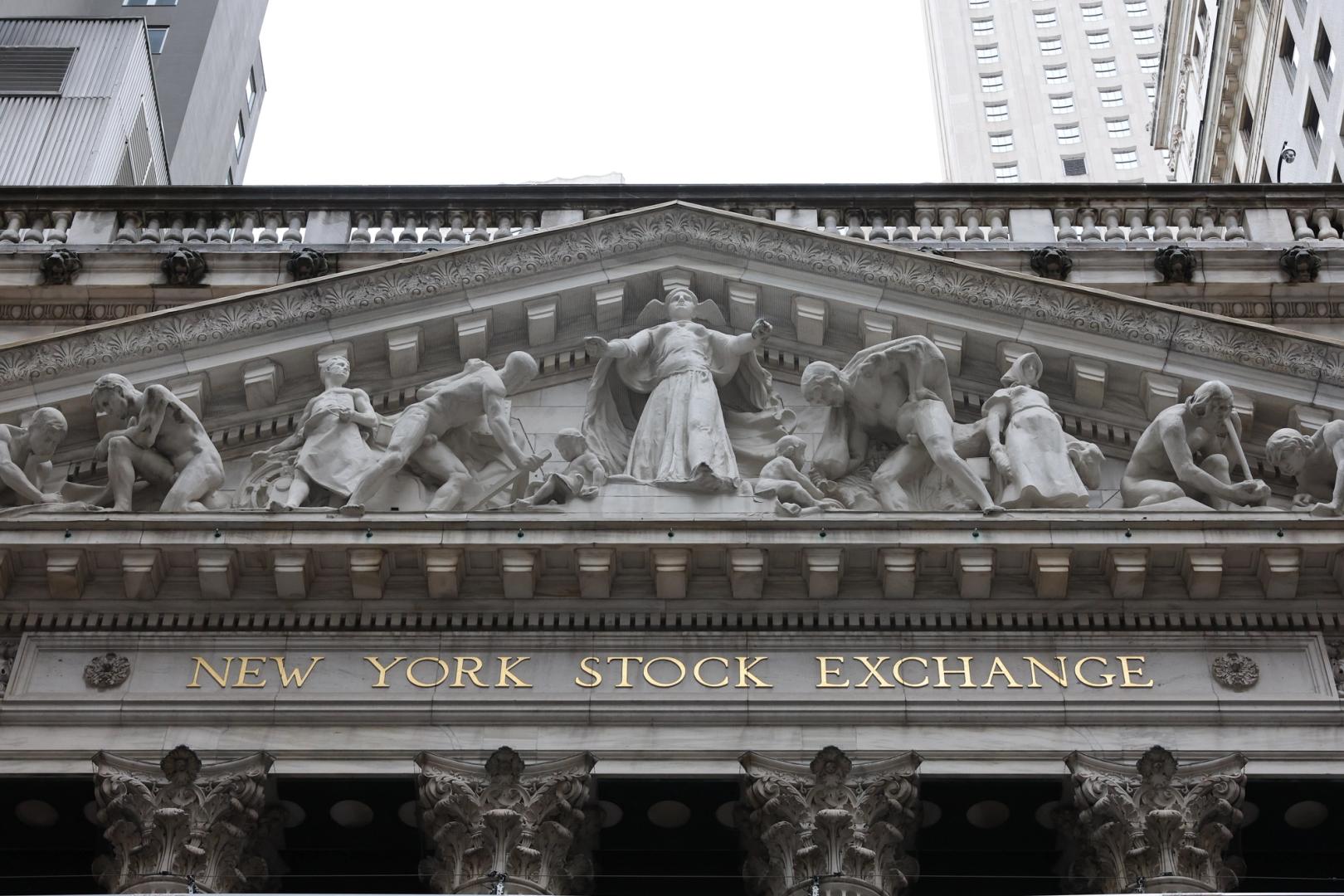
What to know : The New York Stock Exchange is pursuing a strategy of integrating blockchain technology into its existing market infrastructure rather than replacing traditional systems outright. NYSE chief product officer Jon Herrick said the exchange is focused on interoperability and tokenization uses such as real-time or near real-time settlement and extended trading hours. While emphasizing the benefits of regulation, centralized clearing and investor protections, Herrick predicted that over the next decade the distinction between traditional and tokenized assets could largely disappear.
The New York Stock Exchange (NYSE) is focused on integrating blockchain technology into existing market infrastructure rather than replacing it, according to chief product officer Jon Herrick.
The exchange is “striving for interoperability” and “building on top of what exists,” as it explores how tokenized assets could function within current systems, Herrick said.
That approach reflects a broader stance on market evolution. “You have to be mindful of the inherent good things of the market that has developed up to now … it’s this balance of both things,” he said on stage at the Digital Asset Summit in New York on Thursday, referring to the need to preserve elements like regulation, clearing systems and investor protections.
Rather than framing blockchain as a replacement for traditional finance, Herrick described a model where both systems merge. “It really isn’t about one side being more right than the other … [they] should, I think, in time, come together.”
His comments come as exchanges, asset managers and banks test tokenization, which allows assets like stocks and funds to be represented on blockchain systems. Advocates argue the model could enable faster settlement, round-the-clock trading and broader global access to markets.
The NYSE is exploring some of those uses, including real-time or near real-time settlement and extended trading hours. The Intercontinental Exchange (ICE), NYSE’s parent, earlier this month made a strategic investment in crypto exchange OKX. ICE will license OKX’s spot crypto prices for crypto futures products, while OKX will offer ICE futures and tokenized equities to its customers in the U.S.
Still, Herrick cautioned that existing systems offer efficiencies that may not be easily replaced. Centralized clearing, for example, helps reduce risk by netting transactions across market participants.
Nevertheless, over time, the distinction between traditional and tokenized assets may fade. “Maybe 10 years from now, whether [a] security is tokenized or not shouldn’t matter,” he said.
For now, the exchange’s strategy suggests a slower, more incremental path forward, introducing blockchain technology gradually into the existing financial system rather than reshaping it overnight.
免责声明:本文章仅代表作者个人观点,不代表本平台的立场和观点。本文章仅供信息分享,不构成对任何人的任何投资建议。用户与作者之间的任何争议,与本平台无关。如网页中刊载的文章或图片涉及侵权,请提供相关的权利证明和身份证明发送邮件到support@aicoin.com,本平台相关工作人员将会进行核查。


