Written by: Mippo
Translated by: Chopper, Foresight News
The core responsibility of the investor relations (IR) department is to help the market understand an asset, its strategy, and potential value. It is a bridge between the project team and the market.
When I first entered the cryptocurrency industry, a "good IR" was viewed as just that. Over the years, while we have indeed made progress in some areas, in terms of how we communicate with investors, we are still far from the level we should be at.
Good IR can broaden your buyer base and improve the quality of the holder structure. Poorly executed, or not done at all, no matter how excellent the product is, the token will continue to decline.
In the past year, we have communicated and built investor relations systems with nearly all leading projects in the cryptocurrency space and currently provide services for over 20 projects. This article is a practical guide for effective investor communication.
Distribution is Key
If you want to maximize the value of your tokens, you only need to consider two factors:
- How many target investors are aware of your token's existence
- Among these investors, how many convert into buyers
An excellent IR strategy must optimize both of these points simultaneously.
Potential buyers for tokens generally fall into two categories:
The first category consists of cryptocurrency liquidity funds. They are actively managed institutions that already hold your tokens or are continuously tracking them. For them, the core concern is value reassessment, allowing an institution that values your token at $1 to see the path to $5. You need precision data, a clear narrative, and continuous proof of progress to achieve this. This is about narrative building and data presentation.
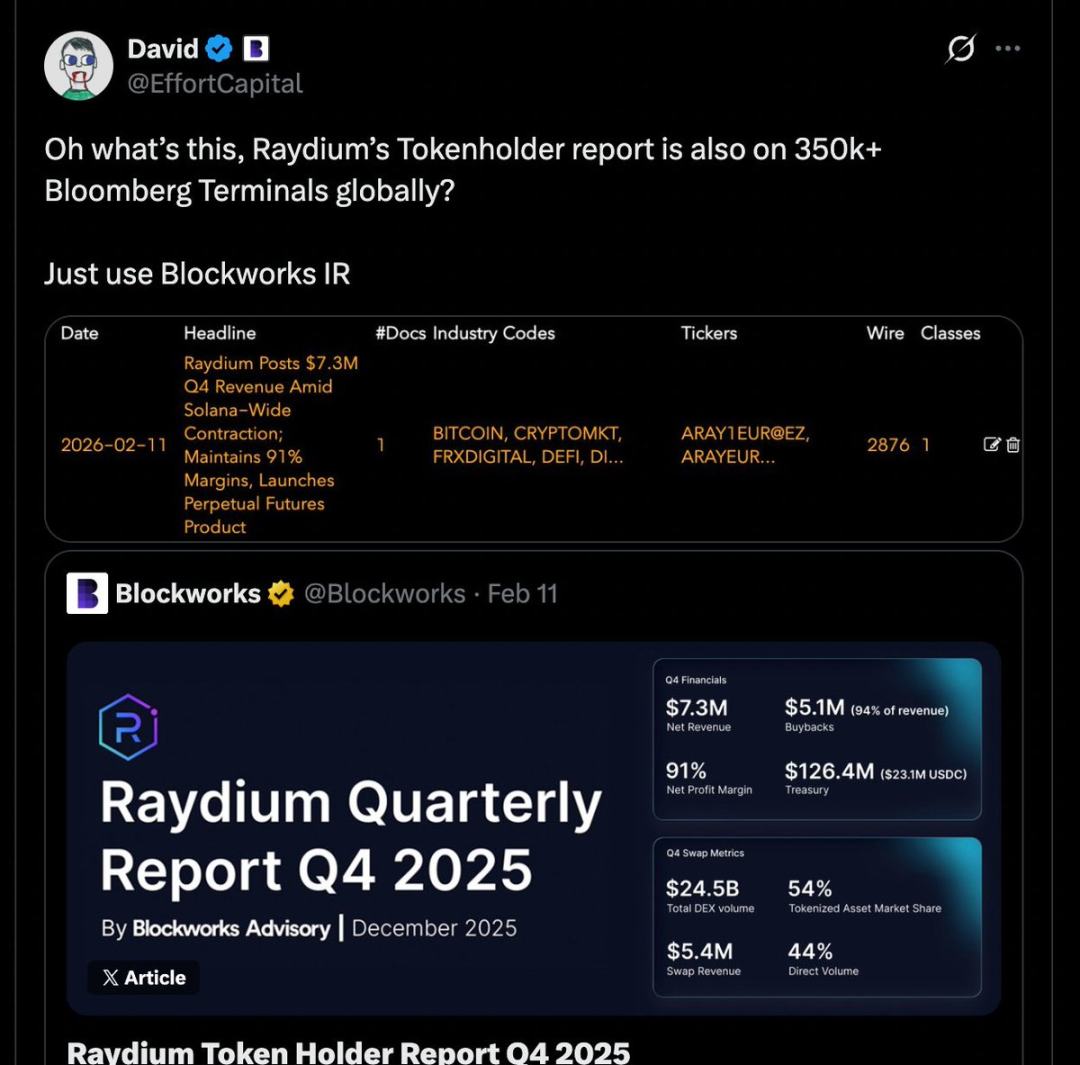
The second category is large strategic investors or institutions. For example, recent collaborations like Morpho with Apollo, and BlackRock with Uniswap. This is a totally different operating logic: the sales cycle is longer, due diligence is stricter, and you need a mature product. If you are in the early stages or need funding in the short term, frankly speaking, these institutions are not suitable for you. But if you are ready, you should appear where they are: Bloomberg terminals, institutional summits, and through offline networking. You need to employ B2B sales thinking, rather than marketing thinking.
Control Your Narrative
If you do not proactively tell your story, the market will tell it for you.
The reality is that most protocol data cannot be perfect, and that’s okay. The real problem is trying to hide or remaining silent for months. The excuse I hear most often is, "I don't want to get scolded on Twitter."
Projects won't die because they are ridiculed on Twitter, but they may die because they are forgotten by investors. The longer you go without communicating with the market, the angrier and more disappointed investors will become.
You do not need perfect data; what you need is honesty, contextual explanations, and coherent explanations of what is important, what is improving, and what still needs improvement.
This is the key to building trust; silence will only directly destroy trust.
Token Unlocking
Token issuers must respect the supply and demand relationship.
If you want to understand price trends, you simply need to understand this core factor of supply and demand. Often, price management resembles tactical operations to match supply and demand, rather than anything else.
The biggest mistake I have seen is that teams only start considering countermeasures 1 to 2 months before unlocking. In just 30 days, you do not have time to fix significant supply and demand imbalances.
Plan at least 30 weeks in advance; ideally, 40 to 50 weeks. You need time to connect with buyers, find sustaining demand, and communicate with investors when a delay in unlocking is necessary.
This is a trivial, inconspicuous yet extremely crucial part of IR; give yourself a sufficient time window to address it.
Data is Your Best Ally
Narratives are important. But by 2026, narratives lacking data support will be meaningless.
The best IR systems use data to make tokens easier to understand, compare, and evaluate. The data itself should tell a complete story.
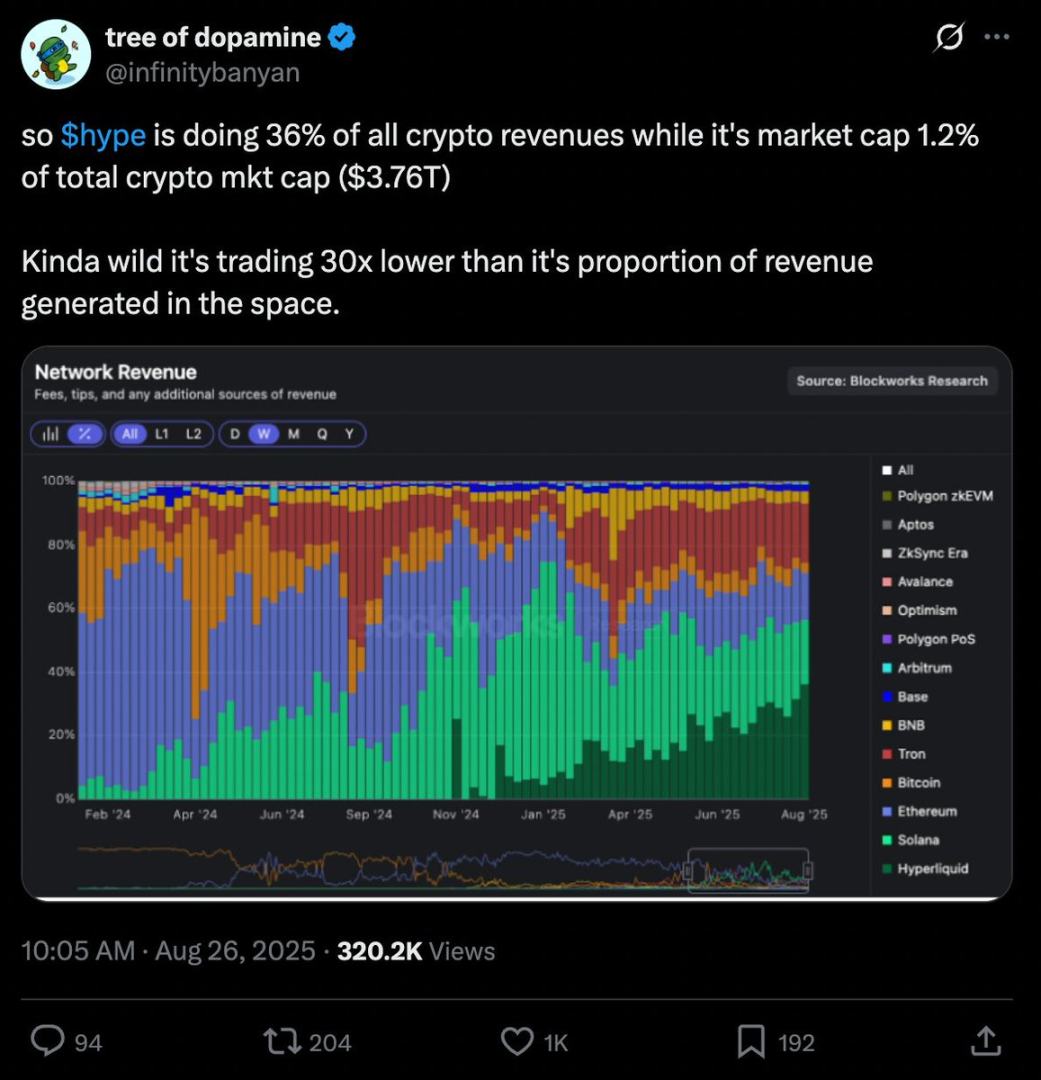
Data can come from multiple sources:
- Proprietary data from your own protocol
- On-chain market structure data
- Comparative data with competitors
- Reputable benchmarks that help traditional investors understand crypto behaviors
The last category is seriously undervalued at present. Truly excellent investor communication does not just showcase internal dashboards; it helps investors understand the role your protocol plays in a broader context.
For example: if you operate a perpetual contract DEX and the dashboard shows last month's trading volume is $75 million. Is that good? Bad? Who should it be compared to? Should investors buy or run?
I’ve seen that there is a lot of data in the current cryptocurrency industry, yet nearly no contextual information. Excellent teams do not just report numbers; they tell stories with numbers.
IR is Not a Procedural Compliance Task
Most people think that investor relations in the cryptocurrency industry is the same as in the stock market. The only issue is that IR in the stock market is very dull.
Don’t believe it? Listen to Vlad Tenev’s perspective.
Vlad envisions a future where financial reports are no longer dry presentations by CFOs to 60 sell-side analysts on Zoom, but instead are more like NBA post-game interviews, with live feelings, interaction, and emotion.
I completely agree. We have 8 years of experience in goal-oriented, data-supported marketing, combining offline and social media. IR should operate in the same way. The goal is not just to “notify the market,” but to engage existing investors, deepen their confidence, and expand the pool of potential token holders in the future.
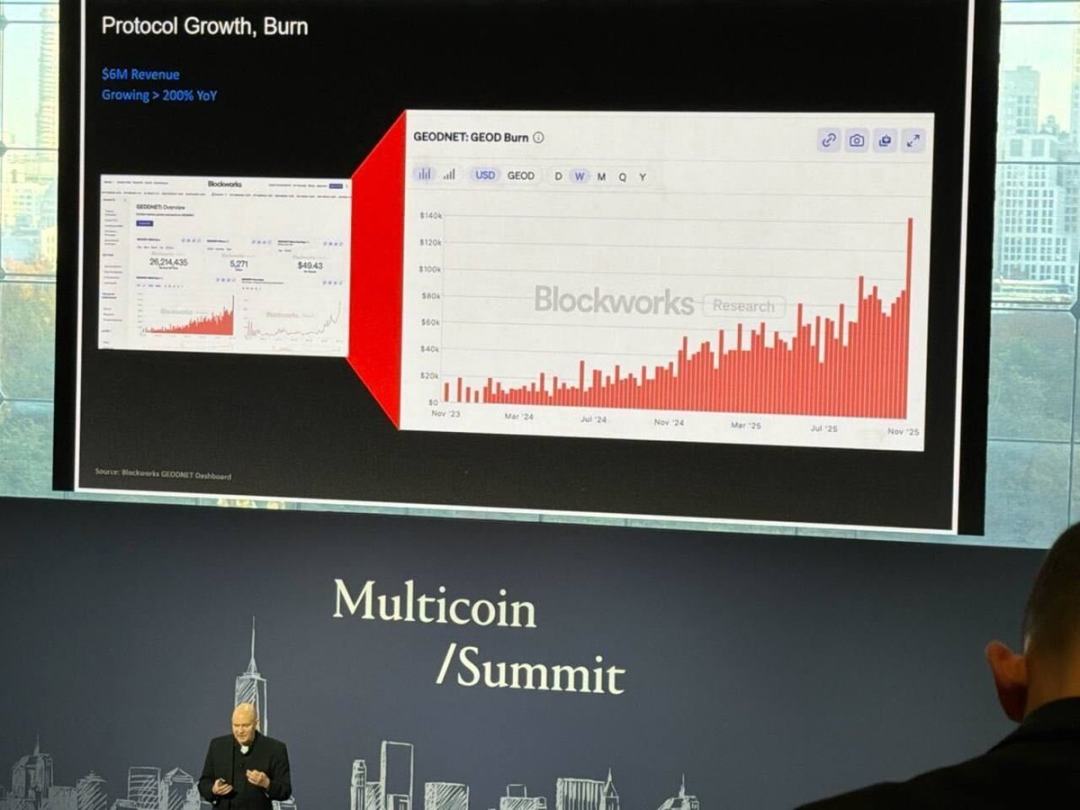
What will the future look like? Financial report live streams, CEOs connecting with industry guests, inviting prominent holders to share… truly engaging with investors to acquire new holders.
Lower Entry Costs for Potential Investors
Today, all liquidity funds must prove the rationale for their holdings to LPs. This means due diligence and investment reports.
If your protocol lacks publicly available data, research reports, and background information, you are forcing every potential investor to build an analytical framework from scratch.
You’re artificially raising the cost of investing in you, and the result is: fewer people will be willing to invest in you.
Reduce their difficulty by continuously providing high-quality information: research reports, protocol data analysis, ecosystem progress, and third-party analysis. This allows fund analysts to easily write reports and include your tokens in their portfolios.
Without Data Analysis, You Are Flying Blind
Even the top protocols in the cryptocurrency space have surprisingly weak understanding of their investor structures. Basic behavioral analysis is almost nonexistent: how long do investors typically hold? Do they hedge with perpetual swaps when the token goes live?
On-chain data enables the profound analysis that stock market IR teams dream of achieving.
If an investor claims to be a long-term believer, the truth has long been permanently recorded on the blockchain. Integrating this analytical capability into the IR function gives protocols a significant advantage: not only do they understand existing holders, but they can also accurately target the next batch of potential investors.
Transparency Expands Market Size
Most teams instinctively believe that the less they disclose, the safer they are, but the reality is quite the opposite.
Investors are already bearing uncertainties for your tokens: unlocking, treasury expenditures, market-making agreements, unstandardized terms, etc. If you do not provide answers, the market will not overlook these issues but will fill in the gaps with the most pessimistic assumptions.
The cost of insufficient transparency cannot be precisely quantified; you will never know how many investors have abandoned your tokens due to incomplete or unverifiable information. This cost is a reality.
Success Metrics
People easily measure the success or failure of IR by the token price. The problem is that price noise is too significant, influenced by numerous factors beyond IR control: macroeconomics, liquidity, market sentiment, geopolitical conflicts, etc.
A more reasonable way is to measure whether IR has improved the quality and breadth of the investor structure.
Here are several key metrics to track:
- Increase in the number of target investors actively interested in the token
- Growth of quality holders in each market segment, especially liquidity funds and strategic institutions
- Changes in holder concentration
- Conversion rate of investors from initial contact → active due diligence → holding
- Proportion of core holders matching target holding periods
- Frequency and quality of investor outreach throughout the year
- Increase in inquiries from active investors
- Enhanced visibility among target buyer channels
- Measured through direct communication and feedback: improvement in investors' understanding of your core logic
For liquidity funds, a practical judgment is whether there are more investors now than a year ago who have formed a clear valuation framework for your tokens.
Not everyone must buy in now, but if more people understand how to regard your tokens, know which milestones are important, and identify attractive prices, that is real progress.
The success of IR is not just about "did the price rise," but rather "have we expanded the potential holder base."
The Path Forward
We are building in this direction because the current situation of tokens is a survival-level challenge for the entire industry. A regrettable fact is that most tokens currently lack investment value. Jason and I sincerely hope to solve this problem, and years of experience have clarified the direction for the future.
Tokens should be more transparent and friendly to investors than stocks, as they are built on cryptocurrency infrastructure. There is strong motivation for projects to move in this direction because it will greatly expand the reachable market.
More importantly, the field of investor relations has not seen innovation for a long time. In our view, the future of IR is not a dull procedural task but vibrant, multimedia, highly interactive, and proactive. It requires actively engaging in offline interactions, sparking discussions on social media, and telling compelling stories to attract new investors. This is the direction the industry must head towards.
免责声明:本文章仅代表作者个人观点,不代表本平台的立场和观点。本文章仅供信息分享,不构成对任何人的任何投资建议。用户与作者之间的任何争议,与本平台无关。如网页中刊载的文章或图片涉及侵权,请提供相关的权利证明和身份证明发送邮件到support@aicoin.com,本平台相关工作人员将会进行核查。


