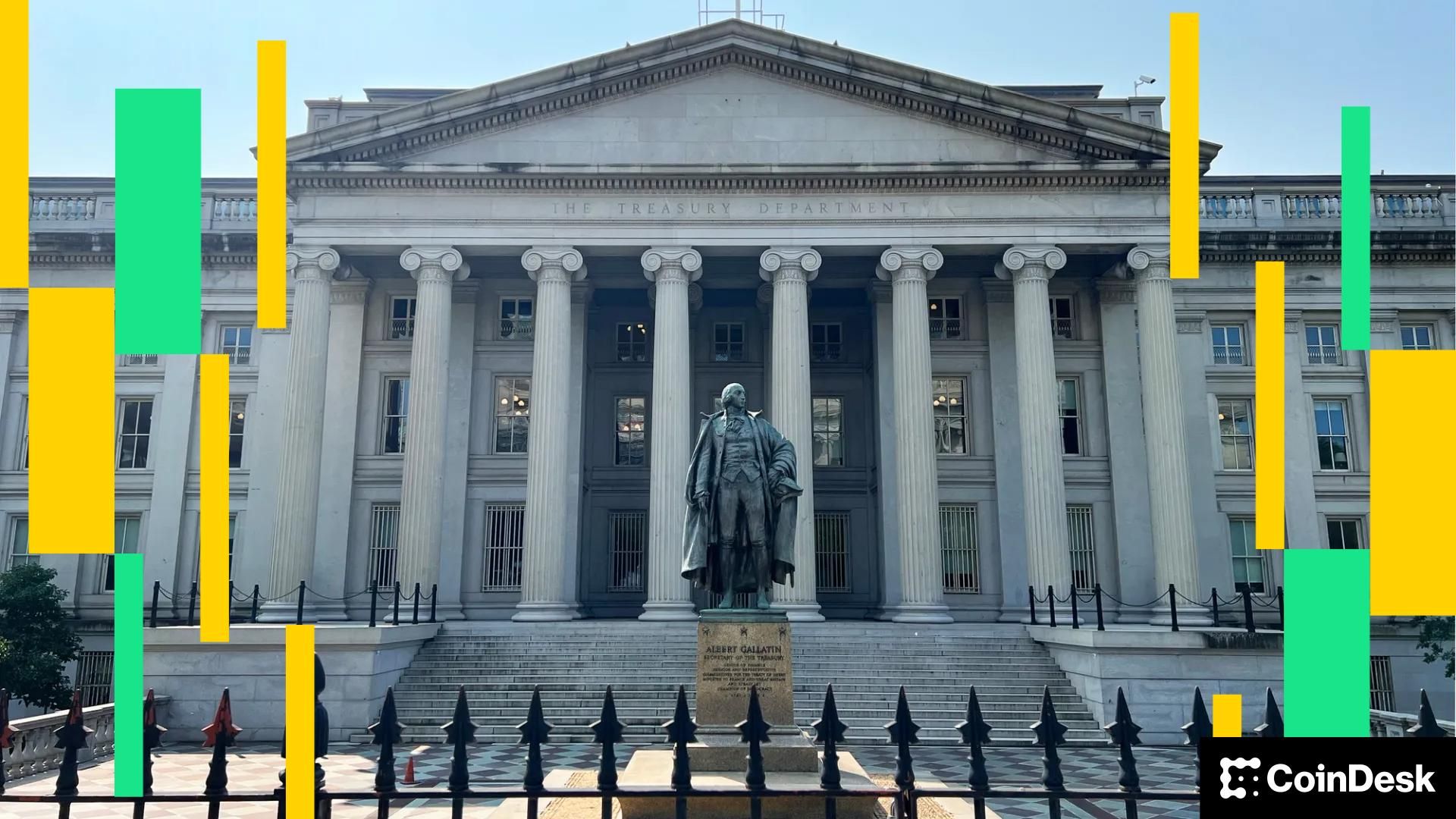
What to know : The U.S. Treasury, long opposed to crypto mixers because of criminal applications, said the services also have legitimate privacy uses on public blockchains. The Treasury said mixers may lawfully help shield personal, business and charitable transactions from public view when paired with safeguards such as record-keeping and other compliance measures. While reiterating that mixers are frequently used to launder stolen funds, the report urged Congress to clarify anti-money laundering obligations for DeFi, advance privacy-preserving digital identity tools and consider new powers to freeze suspicious digital assets.
After years of opposition to crypto mixers, the onchain services that obfuscate digital asset transactions, the U.S. Treasury Department now says they may have legitimate privacy uses as well as their much-trumpeted criminal applications.
In a report related to the implementation of the Genius Act, the Treasury acknowledged that mixing services can serve lawful purposes on public blockchains. These include shielding personal finances, business transactions and charitable donations from being publicly traceable. The department noted that privacy tools can coexist with compliance when properly designed, for example, through record-keeping or other safeguards.
“As consumers increase their use of digital assets for payments, individuals may want to use mixers to maintain more privacy of their consumer spending habits,” the Treasury noted in the report.
The mixers, which obscure the origin and destination of digital asset transactions by pooling users’ funds together, have long been controversial in Washington. In 2022, the Treasury’s Office of Foreign Assets Control (OFAC) blacklisted the Ethereum-based mixer Tornado Cash, accusing it of facilitating the laundering of billions in illicit crypto tied to North Korea’s Lazarus hacking group. The sanctions effectively barred Americans from using the tool and ignited one of the most contentious regulatory fights in crypto.
In 2025, the government removed Tornado Cash from the list following legal challenges and an appellate court decision questioning the Treasury’s authority to impose sanctions on open-source smart contracts. Although released on bail, Tornado Cash co-founder and developer Roman Storm still faces legal issues as prosecutors claim they have sufficient evidence to demonstrate he built features into the mixer knowing they would aid cybercriminals.
The report doesn’t abandon concerns about illicit finance. It highlights mixers as tools often used to obscure stolen funds and emphasizes the need for stronger anti-money laundering (AML) controls across digital assets. But it also states that privacy technology itself isn’t inherently illegal.
Beyond mixers, the report signals broader policy shifts. Treasury encourages Congress to clarify which decentralized finance (DeFi) actors should fall under AML obligations, explore digital-identity tools that enable compliance without excessive data collection, and consider new authorities allowing institutions to temporarily freeze suspicious digital assets.
免责声明:本文章仅代表作者个人观点,不代表本平台的立场和观点。本文章仅供信息分享,不构成对任何人的任何投资建议。用户与作者之间的任何争议,与本平台无关。如网页中刊载的文章或图片涉及侵权,请提供相关的权利证明和身份证明发送邮件到support@aicoin.com,本平台相关工作人员将会进行核查。


