Next week's global market will be torn between two forces. On one side is the Iranian conflict entering its second week, with the black smoke over the Strait of Hormuz directly threatening the lifeline of energy; on the other side, the U.S. CPI and PCE inflation data are set to be released in succession. With the shadow of "stagflation" lingering, every set of numbers could trigger a new market trend. When the sound of gunfire meets data bombs, where will the market head?
1. Strait of Hormuz: The "pipeline" of the global economy is choked
● On March 9, the Iranian conflict entered its second week, and the situation not only did not ease but became increasingly severe. The latest news indicates that an Iranian expert meeting has made a final decision on the new supreme leader candidate, while the Israel Defense Forces have firmly responded, stating they will continue to hold the successor accountable. This game has extended from military confrontation to political succession, exacerbating uncertainty.
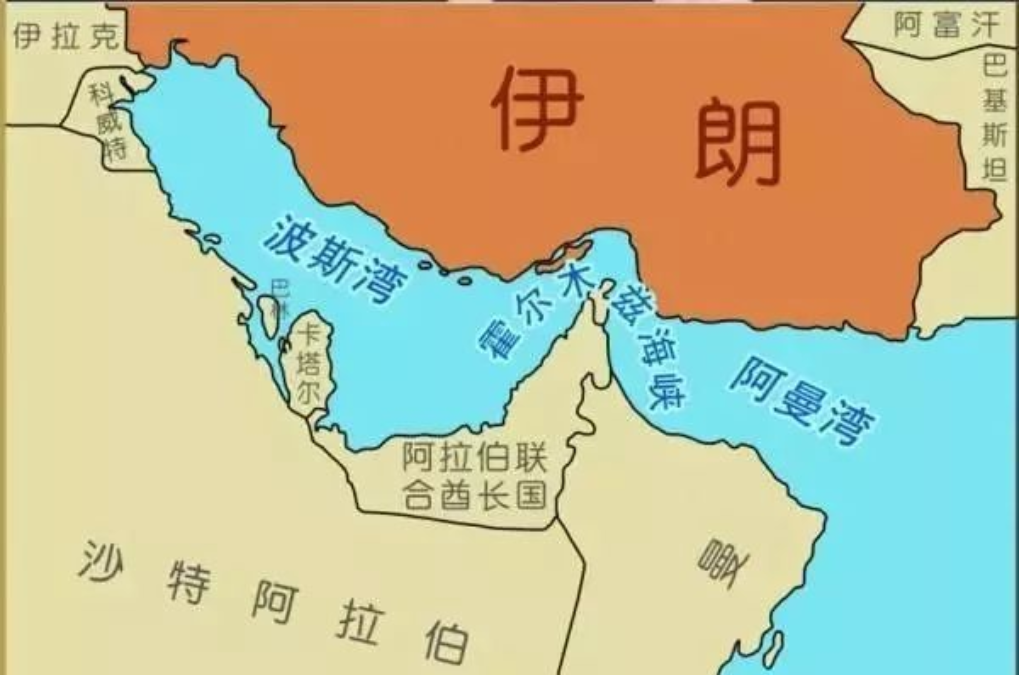
● What truly makes the global market hold its breath is the navigation situation of the Strait of Hormuz. The latest updates show that multiple oil tankers attempting to transit have been attacked, and the Strait has effectively been blocked.
● The Qatari Minister of Energy issued a stern warning on Friday: if oil tankers cannot pass, leading to uncontrollable surges in oil prices, it would "drag down the global economy." This is not an alarmist statement—nearly 20 million barrels of crude oil pass through here every day, accounting for one-third of global oil trade. Once a long-term disruption occurs, a price of $100 per barrel might only be the starting point, not the end point.
2. CPI Release on Wednesday: The "First Shot" of Inflation
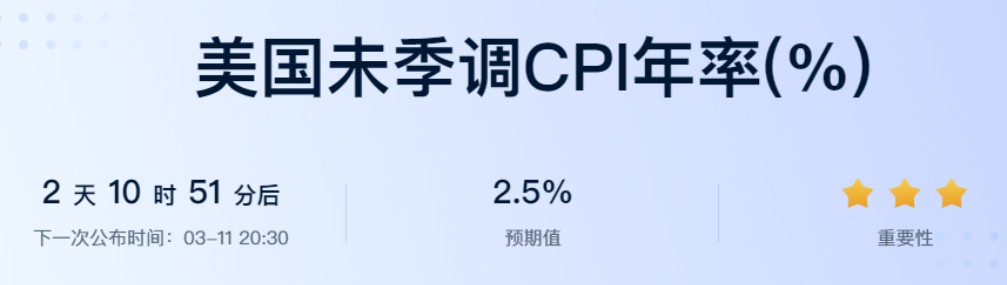
● On March 11 (Wednesday) at 8:30 PM, the U.S. will release the unadjusted CPI annual and monthly rate for February. This is one of the most closely watched data points this week and is an important basis for the market's judgment on the Federal Reserve's next moves.
● However, there is a notable detail: the CPI for February reflects price changes for the entire month, while the major price surges occurred mainly from late February to early March. In other words, this CPI data does not fully reflect the energy price increases caused by the current Middle East conflict. If the market relaxes vigilance simply because the CPI reading appears mild, it would be a dangerous misjudgment.
● Economists generally expect that the year-on-year increase in February CPI may slightly decline, but the core CPI will remain sticky. What truly needs to be monitored is the interpretation stance of Federal Reserve officials after the data is released—they will focus more on the impact of the ongoing war or on the outdated statistical numbers?
3. PCE on Friday: The Most Important Indicator for the Federal Reserve
● On March 13 (Friday) at 8:30 PM, the more significant PCE data will be released. As the Federal Reserve's most favored inflation indicator, the January core PCE price index annual/monthly rate will directly impact the tone of the March interest rate decision.
● Compared to the CPI, the PCE covers a wider range and better reflects actual changes in consumer spending. More importantly, this data will begin to partially reflect the transmission effects of rising energy prices. If the PCE monthly rate shows an unexpectedly sharp rebound, it would be a dangerous signal—indicating that the flames of war in the Middle East have begun to penetrate into U.S. inflation figures.
● On the same evening, the U.S. will also release the revised value of the fourth quarter real GDP, the January personal spending monthly rate, and a series of other data. This concentration of economic indicators will provide the market with a more complete picture of the U.S. economy: Is growth slowing? Is consumption weak? Is inflation rising? The answers to these three questions combined would generally outline how tricky the "stagflation" dilemma facing the Federal Reserve really is.
4. The Market's Bizarre Logic: Why Isn't Gold Rising?
● In this round of geopolitical conflict, a phenomenon has emerged that many veteran traders cannot understand: As the conflict escalates, gold has actually fallen. Last week, gold prices recorded their first weekly decline in five weeks, reflecting the current market's unique transmission mechanism.
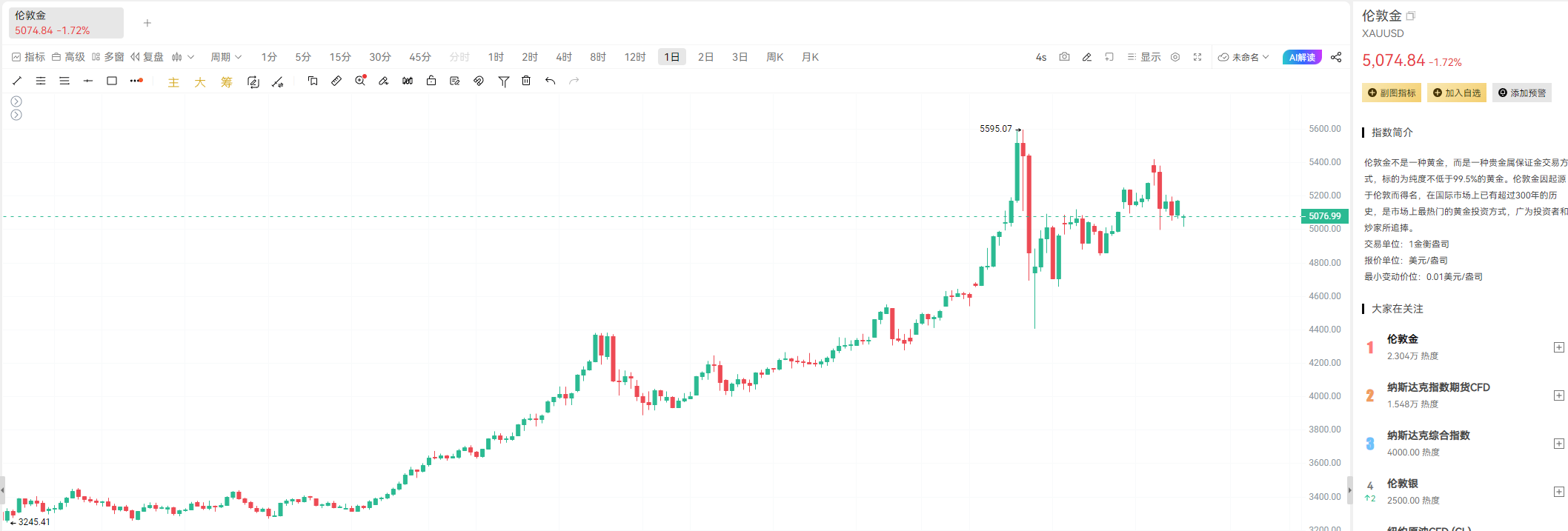
● The traditional logic is "buy gold during war," but the issue now is that this conflict is primarily impacting energy supply. Rising oil prices elevate inflation expectations, which push up U.S. Treasury yields, and as yields increase, this depresses non-yielding gold. More troubling is that the dollar has strengthened due to both safe-haven demand and interest rate hike expectations, further hitting gold prices.
● This distorted transmission mechanism has caused many investors to stumble. In the coming week, if the conflict continues to escalate, the market may reassess stagflation risks—only that extreme combination of "economic stagnation + high inflation" will allow gold to truly shine.
5. Other Highlights: Earnings Reports, Vulnerabilities, and Regulation
In addition to the macro theme, there are several other noteworthy highlights next week:
● On March 9, SharpLink will hold a conference call regarding its full-year 2025 performance. As a company deeply intertwined with the crypto market, management's attitude toward Ethereum holdings and their outlook for the future may influence sentiment in relevant sectors.
● On the same day, the cross-chain platform Neutron is expected to resume functions that were paused due to a vulnerability. Although the official statement assures funds are safe, such incidents remind the market that technological risks can trigger explosions just like geopolitical risks at any time.
● On March 11, the deadline for submitting opinions on the stablecoin investigation by the UK's House of Lords Financial Services Regulatory Committee will arrive. The UK’s regulatory direction may provide a new reference for global stablecoin rules.
● On Friday at 10 PM, the U.S. will release the preliminary value of the University of Michigan Consumer Sentiment Index for March and the one-year inflation expectation value. These data will inform us how anxious American citizens are about prices and how pessimistic they are about the economy.
Next week's market is bound to experience violent fluctuations amid the intertwining of warfare and data. The sounds of artillery in the Strait of Hormuz will determine where the oil price peaks, while the numbers of the CPI and PCE will determine where the Federal Reserve's bottom line lies. The place where the two lines ultimately intersect will be the direction for investors' next steps. Whether going long or short, in this special period, every step must be carefully thought out: are you betting on an escalation of war, or are you betting on a cooling of inflation?
Join our community to discuss and become stronger together!
Official Telegram community: https://t.me/aicoincn
AiCoin Chinese Twitter: https://x.com/AiCoinzh
OKX Benefits Group: https://aicoin.com/link/chat?cid=l61eM4owQ
Binance Benefits Group: https://aicoin.com/link/chat?cid=ynr7d1P6Z
免责声明:本文章仅代表作者个人观点,不代表本平台的立场和观点。本文章仅供信息分享,不构成对任何人的任何投资建议。用户与作者之间的任何争议,与本平台无关。如网页中刊载的文章或图片涉及侵权,请提供相关的权利证明和身份证明发送邮件到support@aicoin.com,本平台相关工作人员将会进行核查。


