What to know : The Bank of Canada and major lenders completed a test of issuing, trading and settling a C$100 million ($73 million) bond on a distributed ledger. The Project Samara experiment showed that a single blockchain-based platform could support the full lifecycle of a bond, including issuance, bidding, coupon payments, secondary-market trading and redemption. The pilot comes as Canada moves to tighten oversight of digital assets, with planned legislation for stablecoins and new custody rules to reduce crypto-related risks.
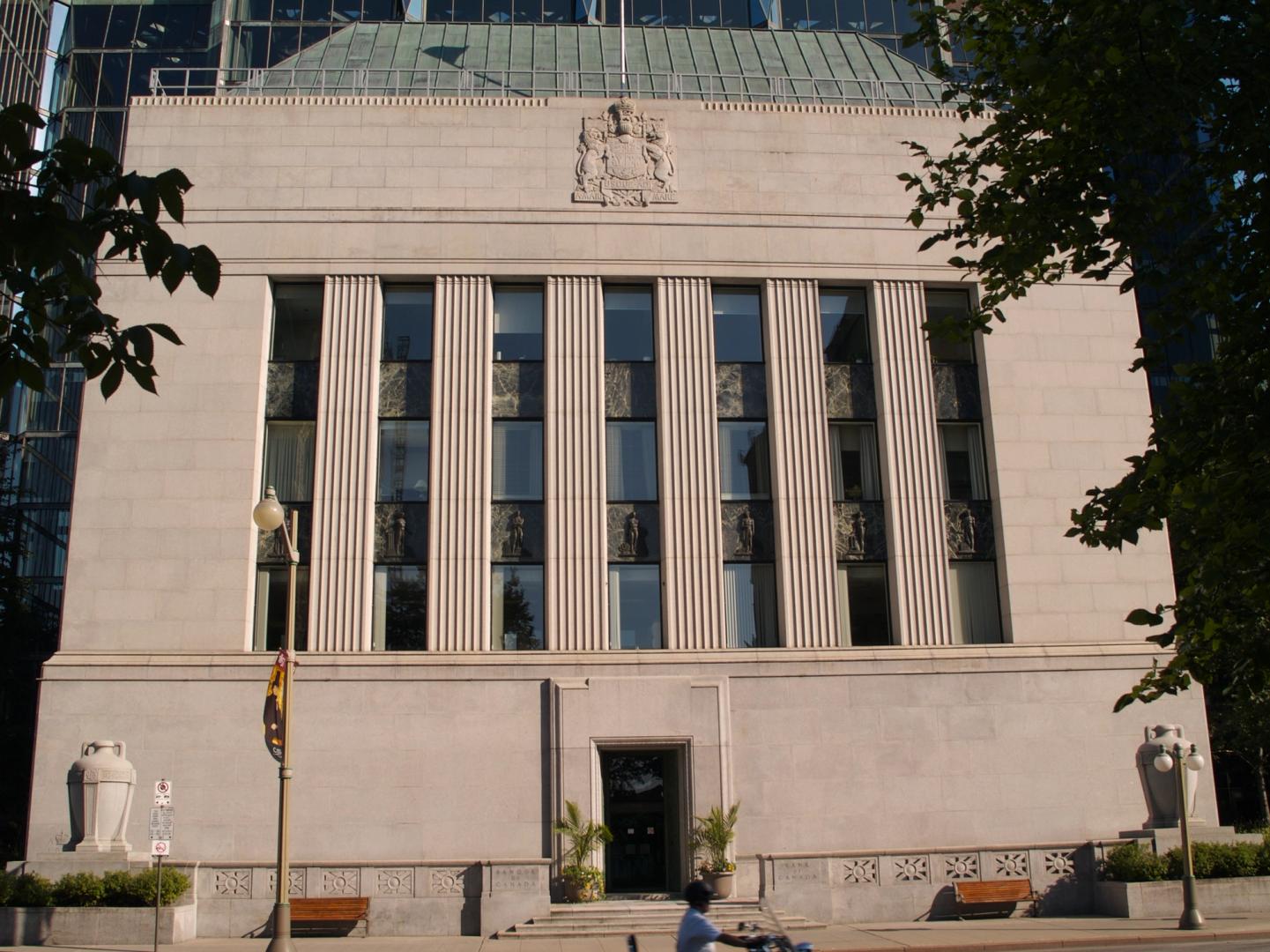
The Bank of Canada said it completed an experiment testing how tokenized bonds can move through financial markets in conjunction with a group of the country's largest lenders.
The government's Export Development Canada issued a C$100 million ($73 million) security with a maturity of less than three months, which was sold to a closed group of investors.
The test, known as Project Samara, also involved RBC Dominion Securities, RBC Investor Services Trust and the TD Securities division of Toronto-Dominion Bank. The group tested how bonds issued by EDC can be created, traded and settled using distributed ledger technology.
The platform, operated by RBC, supported the full lifecycle of a bond transaction. The bond was issued in tokenized form on the ledger, allowing participants to submit bids, process coupon payments, redeem bonds and trade on secondary markets through the same system.
The experiment also tested digital settlement using tokenized versions of wholesale Canadian dollars created and managed by the Bank of Canada. These digital funds moved on the same ledger as the bonds, allowing transactions to settle within the platform.
In its November budget, the federal government signaled plans to introduce legislation governing Canadian-dollar-backed stablecoins, with oversight expected to involve the Bank of Canada and rules focused on reserve backing, redemption policies and risk management.
Last month, the country's investment regulator, CIRO, introduced a digital asset custody framework aimed at strengthening how crypto assets are held by trading platforms, tightening standards to reduce risks such as hacking, fraud and insolvency following past industry failures.
免责声明:本文章仅代表作者个人观点,不代表本平台的立场和观点。本文章仅供信息分享,不构成对任何人的任何投资建议。用户与作者之间的任何争议,与本平台无关。如网页中刊载的文章或图片涉及侵权,请提供相关的权利证明和身份证明发送邮件到support@aicoin.com,本平台相关工作人员将会进行核查。


