Written by: Ryan Weeks, Todd Gillespie, Taylan Bilgic
Translated by: Luffy, Foresight News
On January 30, Turkish authorities announced the freezing of assets worth over $500 million belonging to Veysel Sahin, who is accused of operating an illegal gambling platform and money laundering. The Istanbul Chief Prosecutor revealed that an unnamed cryptocurrency company executed the freezing operation at the request of the Turkish government.
This company is Tether Holdings SA, which issues the stablecoin USDT with a market value of $185 billion. Recently, the company has actively assisted governments around the world in combating various cryptocurrency-related criminal activities, including money laundering, drug trafficking, and evading sanctions.
Tether CEO Paolo Ardoino stated in a recent interview with Bloomberg News: "Law enforcement reached out to us, provided relevant information, and after we verified the information, we took action in accordance with the laws of the respective country. We follow this process when collaborating with agencies such as the U.S. Department of Justice and the FBI."
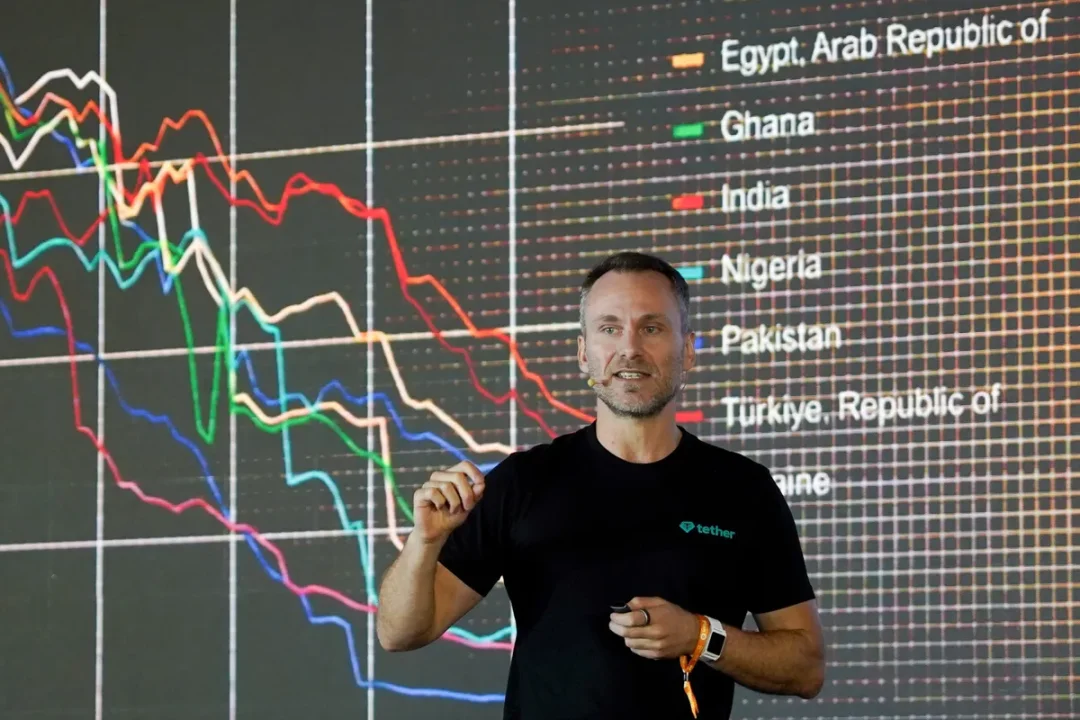
Tether has not further commented on the case. Bloomberg attempted to contact Sahin but was unsuccessful. A Turkish official also declined to disclose the name of the company mentioned in the prosecutor's statement.
The €460 million (approximately $544 million) in frozen assets is part of a large-scale law enforcement operation in Turkey, where the total amount of frozen assets involved has exceeded $1 billion. According to Turkish television NTV, days after the announcement of Sahin's asset freeze, another individual was investigated for money laundering and illegal gambling, with $500 million in cryptocurrency assets also frozen, although it is currently unclear whether this asset freeze involves tokens issued by Tether.
A Turkish official, who spoke to Bloomberg on the condition of anonymity regarding sensitive legal matters, revealed that authorities discovered "financial traces" of these suspected illegal revenues by tracking the flow of funds and analyzing cryptocurrency assets, and indicated that similar asset freeze actions would be implemented against individuals involved in illegal gambling and payment systems in the future.
For Tether, this freezing action is just one of its increasingly frequent asset freeze operations, highlighting that this cryptocurrency giant is continuously intensifying its cooperation with global law enforcement agencies.
A report released by analysis firm Elliptic in January showed that by the end of 2025, Tether and its competitor Circle Internet Group Inc. had blacklisted approximately 5,700 wallets, involving assets of about $2.5 billion, a number that was negligible two years ago. At the time of freezing, three-quarters of the wallets held USDT.
Arda Akartuna, head of cryptocurrency threat intelligence for the Asia-Pacific region at Elliptic, stated: "As the legitimate use of cryptocurrency and the integration of global payments accelerate, illegal usage has also increased, prompting stablecoin issuers to intervene more actively."
Tether often promotes its efforts to combat criminal activities, including in communications aimed at attracting potential investors, as the company seeks to raise funds at a valuation of up to $500 billion. According to its official website, Tether has assisted law enforcement in handling over 1,800 cases across 62 countries, freezing USDT worth $3.4 billion related to suspected illegal activities.
Nathan McCauley, co-founder and CEO of Tether partner Anchorage Digital Bank, stated in an interview: "They (Tether) have a very proactive attitude towards cooperation, and among stablecoin issuers, the company has 'the best recognized reputation' with law enforcement agencies."
Anchorage is the issuer of Tether's compliant USD stablecoin USAT, which was launched in late January, marking Tether's return to the U.S. market.
This represents a significant shift compared to the tense relationship between Tether and U.S. regulators a few years ago. After a conflict with regulators in 2018, Tether largely exited the U.S. market and reached a settlement in 2021, paying $41 million over allegations of misreporting reserves.
However, the Trump administration welcomed the cryptocurrency industry. Last year, Ardoino attended a ceremony where President Trump signed a stablecoin regulatory bill alongside several other executives.
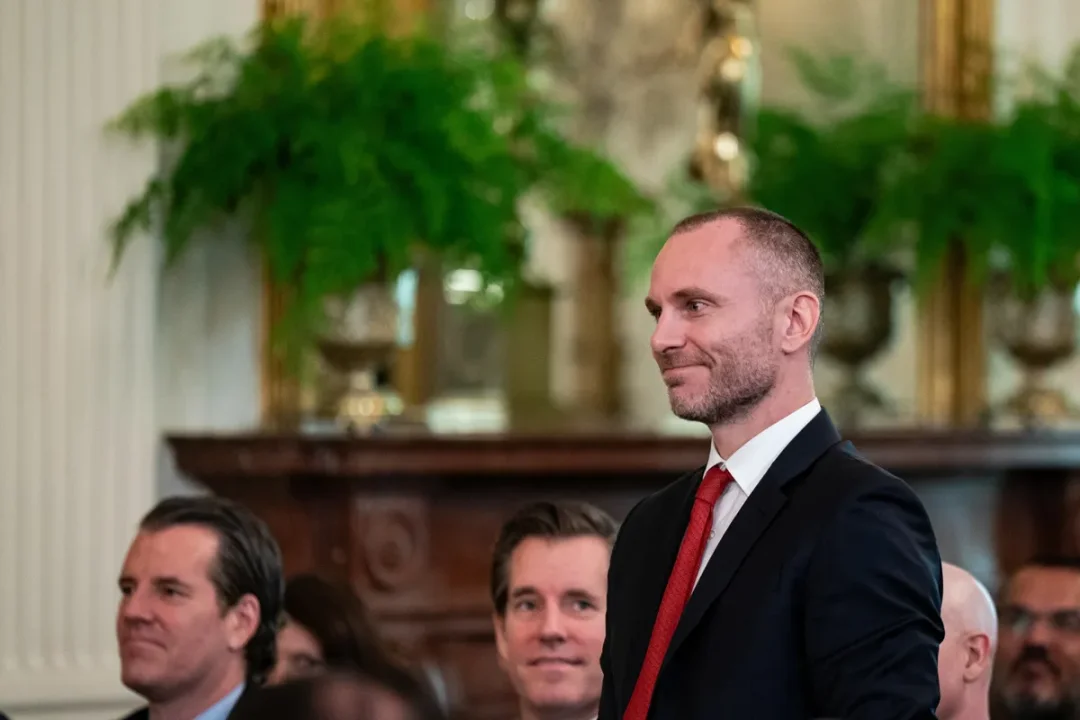
Even so, Tether's USDT continues to face scrutiny from regulators due to its widespread use by criminals.
On January 9, the U.S. Attorney's Office for the Eastern District of Virginia announced charges against a Venezuelan citizen for laundering $1 billion using USDT. A recent report from Elliptic indicated that the Central Bank of Iran had purchased over $500 million in USDT to alleviate a currency crisis and evade U.S. sanctions.
Fugitive Sahin is accused of leading an organization that launders money for illegal online gambling platforms. According to local media reports, Sahin was sentenced to 10 years in prison in 2017, released in 2023, and then sentenced to 21 years in prison a month later. His whereabouts are currently unknown, but the Turkish state news agency Anadolu reported on January 30 that "relevant authorities are advancing legal procedures to extradite him back to Turkey."
免责声明:本文章仅代表作者个人观点,不代表本平台的立场和观点。本文章仅供信息分享,不构成对任何人的任何投资建议。用户与作者之间的任何争议,与本平台无关。如网页中刊载的文章或图片涉及侵权,请提供相关的权利证明和身份证明发送邮件到support@aicoin.com,本平台相关工作人员将会进行核查。


