Author: Liang Yu
Editor: Zhao Yidan
On December 31, 2025, the People's Bank of China released the "Classification and Rating Management Measures for Non-Bank Payment Institutions," marking the official beginning of a profound transformation in China's payment industry. This new regulation, set to take effect on February 1, 2026, aims to reshape the survival logic of over two hundred payment licenses through a sophisticated "classification and rating" system.
However, the ripples of this transformation extend far beyond traditional QR code payments and online transfers. For the digital asset sector, which seeks deep integration with the real world, especially "Real World Assets" (RWA), the far-reaching significance of this new regulation is even more pronounced. A standardized, highly credible legal payment network is an indispensable "highway" for the compliant circulation and value realization of digital assets. The central bank's comprehensive "health check" and graded management of payment institutions essentially lay a solid foundation of compliance and trust for broader future digital financial innovations.
From now on, the results of the payment institutions' "annual examination" will not only determine their regulatory treatment and market space but will also indirectly define their reliability as "gateways to the digital world." Whether it is the tokenization of RWA, trading, or profit distribution, the compliant inflow and outflow of fiat currency behind it will increasingly rely on these rated and certified, highly regulated payment channels. Therefore, this is no longer just a competition within the payment industry; it is a critical infrastructure upgrade for whether digital assets can robustly connect with mainstream financial markets.
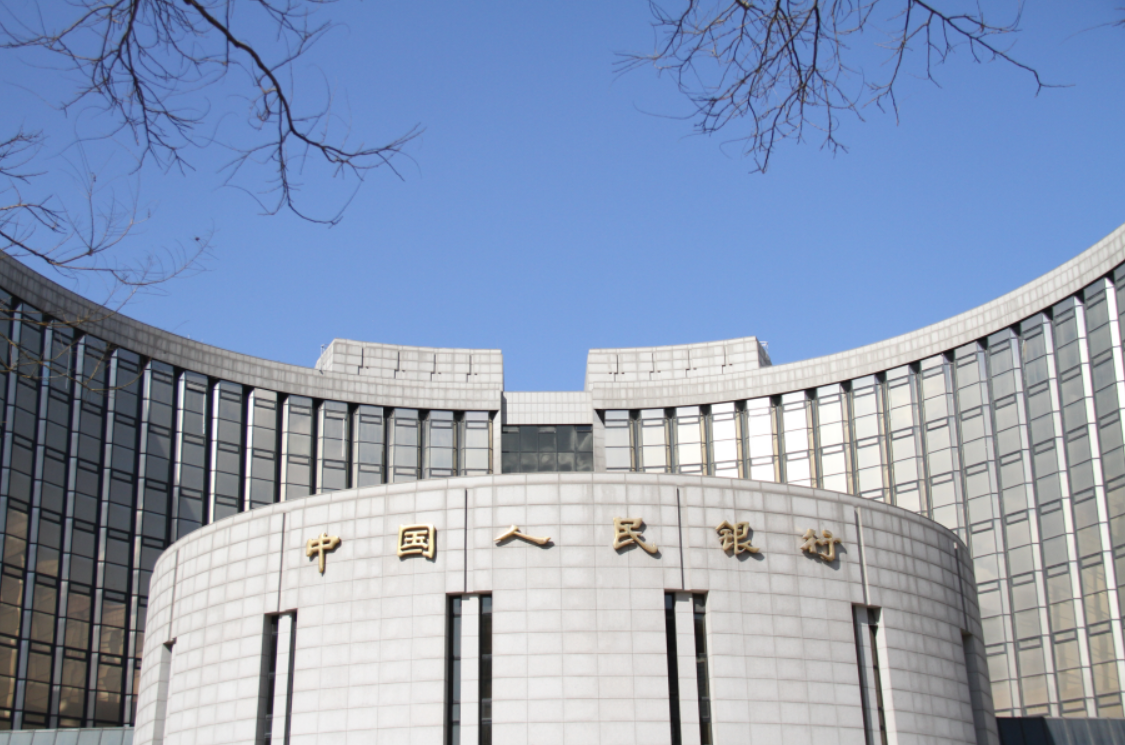
In short, the new regulation sets a new benchmark of "compliance and stability" for the payment industry, and this benchmark is also measuring out a clearer and safer route for the future of digital assets.
1. Regulatory Upgrade: No More "One-Size-Fits-All"
After years of rapid development, China's payment industry has become an indispensable part of daily life. For a long time, regulation primarily focused on market access and penalties for violations, much like traffic police mainly handling traffic accidents and violations. The introduction of the new regulation signifies a significant shift in regulatory thinking.
According to the notice from the People's Bank of China, starting from February 1, 2026, all payment institutions will undergo a comprehensive assessment annually. This assessment system resembles an annual health check for institutions rather than waiting until they are sick to treat them. The People's Bank of China will systematically evaluate the operational status and risk levels of each payment institution based on information gathered during daily supervision.
The assessment results will serve as the basis for implementing differentiated regulation. In simple terms, institutions that perform well will gain more development space, while those that perform poorly will face stricter regulatory constraints. The Shanghai headquarters of the People's Bank of China, its branches across the country, and the China Payment and Clearing Association will jointly participate in this work to ensure the comprehensiveness and fairness of the evaluations.
2. What Does the Rating Assess? Seven Modules Determine Scores
To understand the impact of this new regulation, it is essential to grasp its evaluation system. The system designed by the People's Bank of China sets seven compulsory subjects for payment institutions, each with different scores and importance.
In this system, which has a total score of 100, the "Business Compliance" subject is the most important, accounting for 25 points. This means that the compliance of payment business itself is the primary focus. Following closely are "System Security," "Anti-Money Laundering Measures," and "Operational Stability," each accounting for 15 points, totaling 45 points, reflecting the regulatory emphasis on risk prevention.
Additionally, "Corporate Governance," "Reserve Fund Management," and "User Rights Protection" each account for 10 points. Although these scores are relatively lower, every point is crucial. Particularly, "Reserve Fund Management" directly relates to whether payment institutions properly safeguard users' prepaid funds.
This evaluation system considers both hard indicators and soft performances. The People's Bank of China will clarify specific scoring standards before each rating to ensure that evaluations keep pace with the times and reflect the latest developments in the industry.
It is worth mentioning that there are additional bonus and penalty points in the rating. Payment institutions that excel in implementing regulatory requirements can earn up to 5 bonus points; however, severe violations, such as providing payment channels for telecom network fraud, may result in deductions of up to 15 points.
3. How Will the Rating Results Be Used? Different Levels, Different Treatments
According to the new regulation, the rating results of payment institutions will be divided into 5 categories and 11 levels, from the highest AAA level to the lowest E level. This is not just a simple ranking; it directly relates to the regulatory environment each institution will face.
Institutions scoring 90 points and above belong to Category A, regarded as "operating in compliance with strong risk prevention capabilities." For these "top students," regulation will mainly involve reminders and urging for rectification, without imposing excessive restrictions.
Institutions scoring between 75 and 90 points fall into Category B and will face stricter regulation. In addition to being required to rectify issues, the heads of these institutions will be subject to regulatory interviews at least once a year until the problems are resolved.
Category C institutions, scoring between 60 and 75 points, will see an increase in regulatory frequency, with their executives needing to have face-to-face communication with regulators at least once every six months. More importantly, these institutions are more likely to become key targets for the next year's inspections.

For Category D institutions, scoring between 30 and 60 points, regulatory measures will be even stricter. In addition to more frequent interviews, these institutions will become key targets for enforcement inspections and will be included in the daily key regulatory list, with relevant information reported to industry self-regulatory organizations.
The most severe case is Category E institutions, which score below 30 points or have serious violations. For these institutions, regulators will implement the most comprehensive measures, including thorough inspections, enhanced daily supervision, and requiring regular reports on rectification progress.
4. Industry Transformation: The End of Scale Wars, The Start of Quality Wars
The implementation of the new regulation is expected to profoundly change the competitive landscape of the payment industry. In the past, payment institutions focused more on expanding market scale and increasing user numbers; now, the focus will shift to improving service quality, enhancing risk control, and protecting user rights.
Leading payment institutions, with abundant resources and well-established systems, are more likely to adapt to the new rating system. These institutions may further consolidate their market position through high ratings, creating a virtuous cycle. In contrast, small and medium-sized payment institutions face transformation pressures and must establish competitive advantages in specific areas or seek differentiated survival spaces.
For the entire industry, the new regulation will prompt payment institutions to reassess their development strategies. Aspects that may have been overlooked in the past, such as internal management and user rights protection, are now key factors affecting ratings. This will drive institutions to invest more resources in improving internal governance and establishing more effective consumer protection mechanisms.
The allocation of regulatory resources will also become more scientific and efficient. The People's Bank of China can concentrate its limited regulatory power more on higher-risk institutions, achieving precise regulation. This differentiated regulation not only improves regulatory efficiency but also creates a fairer market environment for compliant institutions.
5. Global Perspective: The Global Wave of Payment Regulation
China's payment regulatory reform is not an isolated event but part of the global evolution of financial infrastructure. Especially in the context of the increasingly evident trend of digitizing real-world assets, the standardization of payment systems and asset digitization are mutually reinforcing.
Globally, traditional financial institutions are actively exploring the integration of blockchain technology with physical assets. For example, some international banks plan to launch digital platforms focused on private equity, credit, and other non-public market assets. These platforms will use blockchain technology to enhance asset liquidity and simplify transaction processes.
As an international financial center, Hong Kong is also promoting related innovations. According to the Hong Kong Financial Services and the Treasury Bureau, Hong Kong is exploring the "digitization" of physical assets that can generate stable cash flows, such as shipping rents, and plans to issue special licenses to regulate related activities.
These innovative practices require a secure, efficient, and fully compliant payment infrastructure as support. Whether for the purchase and redemption of digital assets or the distribution of profits, reliable payment channels are needed to facilitate the flow of funds.
6. Compliance as the Cornerstone: Digital Assets Need Trustworthy Payments
For the rapidly developing field of digitizing real-world assets, the standardization of payment infrastructure is of great significance. These projects often involve a large amount of exchange and settlement between traditional currencies and digital assets, making payment compliance a key factor in whether the project can gain market trust.
Digitalization projects for real-world assets typically involve the technological processing of traditional assets such as real estate and investment funds. This process not only requires technical support but also necessitates the establishment of funding flow paths that comply with regulatory requirements. Collaborating with highly rated payment institutions can provide compliant funding channels for these projects, significantly reducing overall compliance risks.
When exploring related innovations, Hong Kong particularly emphasizes that such innovations "are absolutely not tools for speculation," but rather aim to serve the real economy. This concept aligns with the internal logic of China's mainland payment regulation, which emphasizes "user rights protection" and "operational stability"—financial innovation must be built on a solid foundation.
As global regulations on digital assets become increasingly refined, payment compliance may become an important standard for distinguishing "compliant innovation" from "regulatory arbitrage." For projects hoping to attract traditional investors, demonstrating collaboration with payment institutions that meet high compliance standards will become a crucial way to establish market trust.
7. What Will Our Payment Life Look Like in the Future?
The implementation of the new regulation will ultimately benefit every payment user. As payment institutions place greater emphasis on compliant operations and risk prevention, the safety of users' funds will be better protected, and the payment experience will become smoother.
For ordinary consumers, in the future, when choosing payment services, they can pay more attention to the rating status of institutions. High-rated institutions often indicate stronger risk prevention capabilities and more comprehensive user protection mechanisms. Although users may not directly see the rating results, they will be reflected in safer services and more timely customer service responses.
For merchants, collaborating with high-rated payment institutions may mean more stable payment channels and lower compliance risks. This is particularly important when handling large transactions or cross-border transactions, where choosing compliant payment partners is crucial.
Looking ahead, the standardization of the payment industry will lay the foundation for more financial innovations. Whether it is the digitization of real-world assets or other fintech applications, a secure and reliable payment infrastructure is needed as support. From this perspective, the current regulatory reform is not only to prevent risks but also to pave the way for future financial innovations.
In 2026, when the first payment institution rating results are announced, the competitive landscape of the payment industry will undergo substantial changes. Institutions that rely solely on scale expansion may lose points due to insufficient user rights protection, while those that focus on service quality and risk control are likely to achieve higher ratings.
As the payment industry shifts from "scale competition" to "quality competition," ordinary users will become the ultimate beneficiaries. A safer payment environment, more reliable payment services, and more comprehensive user protection—these seemingly abstract goals will gradually be realized through each payment institution's "annual health check."
For the innovative field connecting traditional finance and the digital world, this regulation, which seems to raise the threshold, is actually a pathway to broader recognition. When the payment infrastructure becomes more robust, the financial innovations built upon it can proceed more steadily and further.
Sources of some materials:
· Notice from the People's Bank of China on the issuance of the "Classification and Rating Management Measures for Non-Bank Payment Institutions"
· The People's Bank of China issues the "Classification and Rating Management Measures for Non-Bank Payment Institutions"
免责声明:本文章仅代表作者个人观点,不代表本平台的立场和观点。本文章仅供信息分享,不构成对任何人的任何投资建议。用户与作者之间的任何争议,与本平台无关。如网页中刊载的文章或图片涉及侵权,请提供相关的权利证明和身份证明发送邮件到support@aicoin.com,本平台相关工作人员将会进行核查。


