In South Korea, approximately 90,000 people have downloaded the World App, of which about 30,000 have completed iris verification.
Author: MORBID-19
Translation: Deep Tide TechFlow
This week's keyword: Worldcoin
Worldcoin is a project that issues Worldcoin (WLD) tokens to individuals who prove they are human through iris scanning. Its goal is to ensure a basic income for humans in a future where AI may replace jobs. Created by OpenAI's Sam Altman, the project has gained widespread attention.
In South Korea, approximately 90,000 people have downloaded the World App, with about 30,000 completing iris verification. However, the project faces legal challenges in South Korea, having been fined over 1.1 billion won (approximately $800,000) for violating personal information protection laws.
According to a report by Yonhap News:
Investigations revealed that the Worldcoin Foundation and TFH, which was commissioned to process personal information, collected personal information, including iris data, without legal permission and failed to comply with the Personal Information Protection Act when transferring this data overseas.
It is noteworthy that the Worldcoin Foundation did not timely inform users of the purpose of collecting and using iris information, as well as the retention and usage period.
Iris codes are sensitive information that can identify individuals and cannot be changed, thus requiring separate consent and security measures, which were not met.
The investigation also confirmed that the Worldcoin Foundation and TFH transferred personal information collected in South Korea to foreign countries, including Germany, without notifying users.
Additionally, the Worldcoin Foundation did not establish a method for requesting the deletion or suspension of iris code processing, and TFH's age verification for children under 14 during the World App registration process was found to be insufficient.
This news is particularly significant as South Korea accounts for a large portion of WLD trading volume. As of October 6, South Korean exchanges accounted for about 16% of the total WLD trading volume. Most of this trading volume occurred on Bithumb, making it the second-largest exchange by trading volume after Binance.
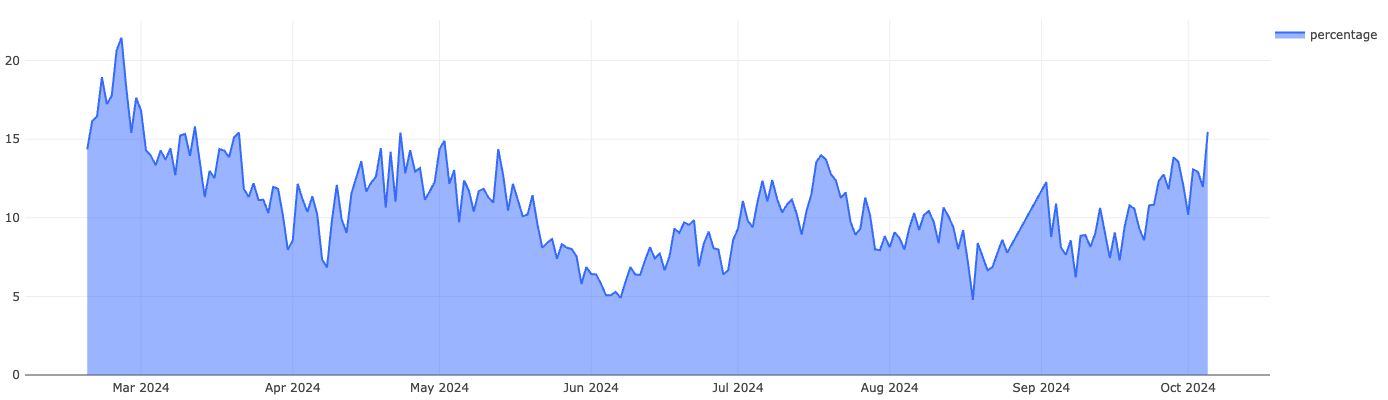
Percentage of WLD trading volume on South Korean exchanges
In July, @DefiSquared harshly criticized Worldcoin on Twitter, pointing out that the valuation of WLD was abnormally high, there were signs of price manipulation by the project team, and the tokenomics were extremely favorable to insiders. He warned that retail investors in South Korea could become "unfortunate victims," noting that while only 2.7% of the total WLD supply was in circulation, the fully diluted value (FDV) had reached $30 billion, with about 25% of the circulating supply held on Bithumb.
[…] Many of these individuals may not even be able to read enough English to understand the situation. As of the time of writing, nearly 25% of all circulating WLD is held on Bithumb, and although the unlocking of tokens is approaching, it continues to increase:
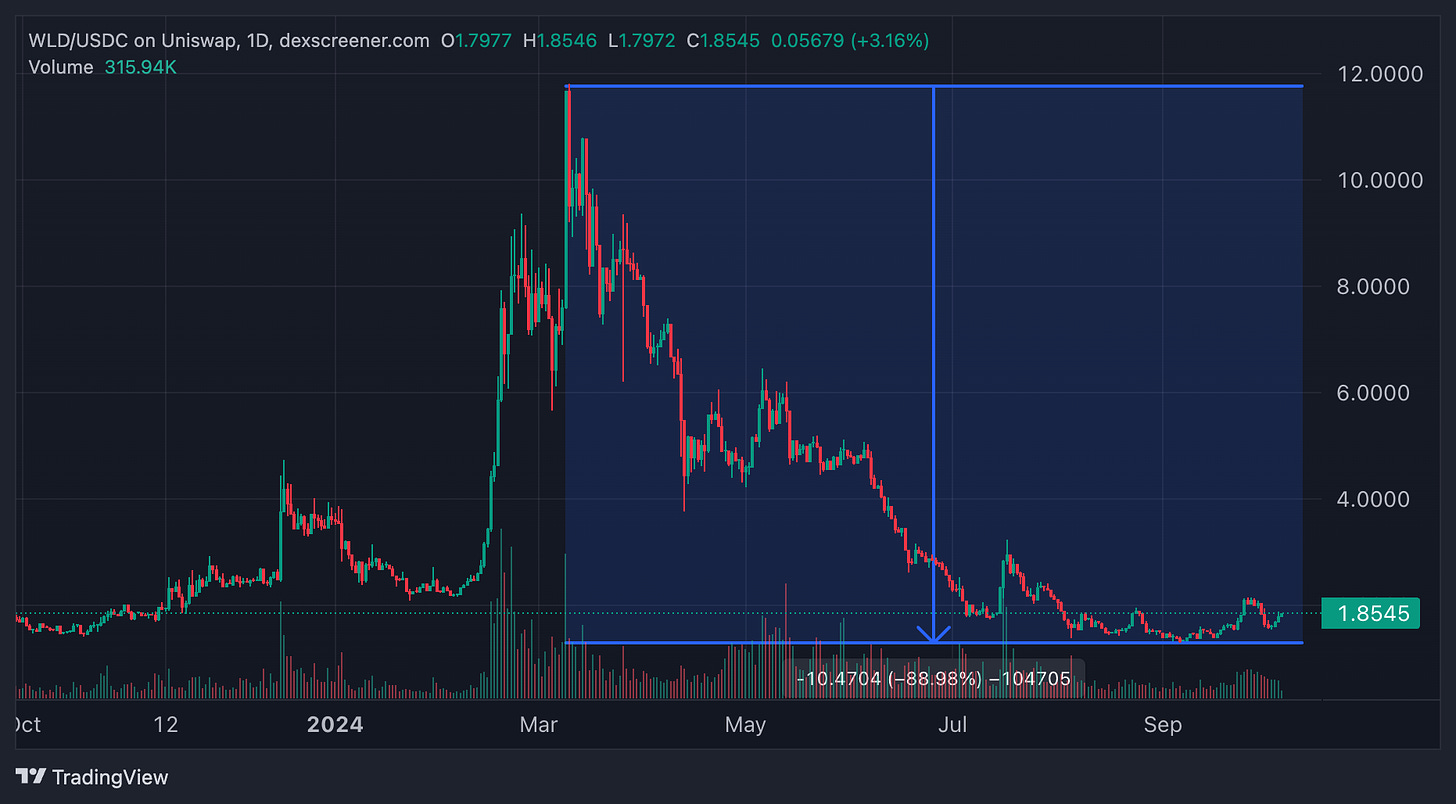
This is not a shitcoin chart
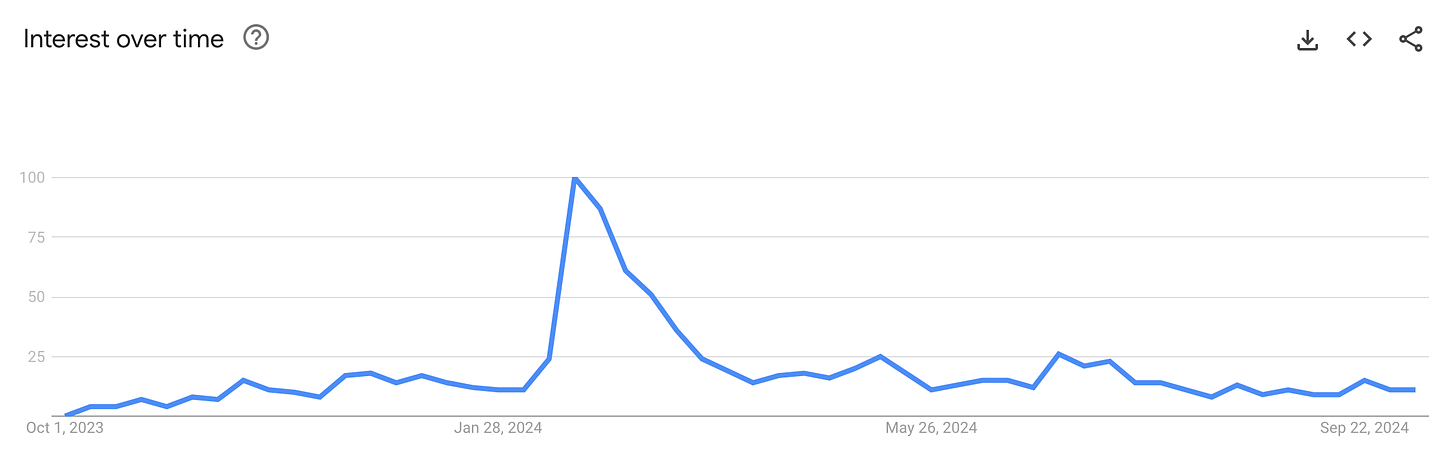
Google Trends also shows that the keyword "Worldcoin" (월드코인) in Korean is closely related to the price trend of WLD, indicating that Koreans are more likely to purchase WLD at its peak. WLD rose to about $12 and has since experienced a nearly 90% decline.
More regrettably, not only tech-savvy young people but even the elderly have been attracted to Worldcoin, going to Orb locations for iris recognition and obtaining WLD tokens. While it is unclear whether these elderly individuals purchased WLD tokens, if they did, they may have suffered significant losses.
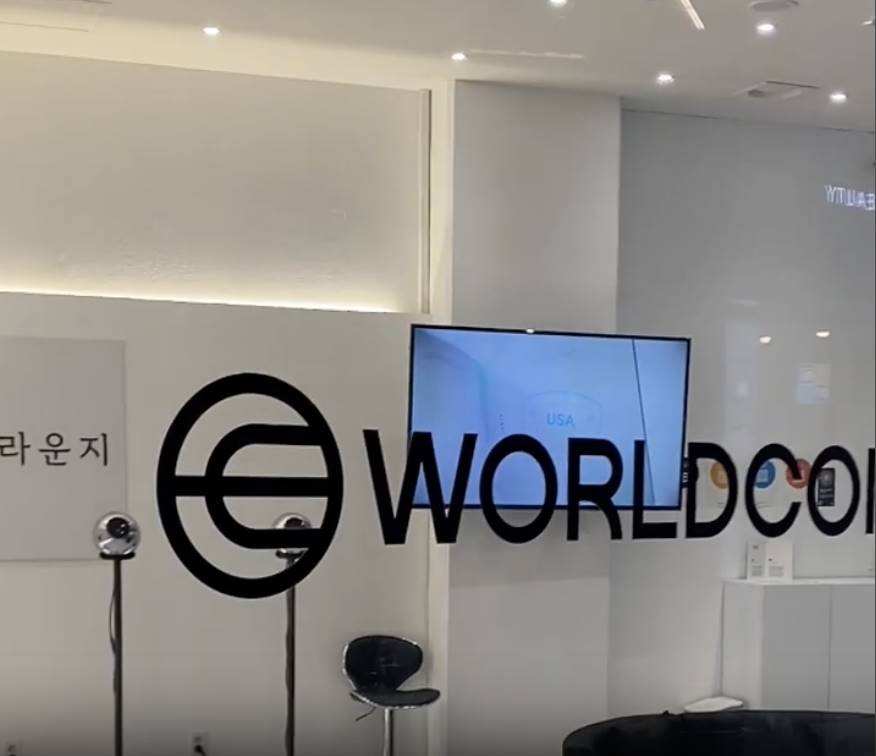
Orbs are installed at various locations in Seoul, particularly in dining establishments. The operators of these Orbs receive WLD as a reward for each new iris verification. This has led to a marketing strategy where venues encourage visiting customers to undergo iris verification to receive "free tokens."
This marketing approach has raised concerns about collecting iris information from unsuspecting elderly individuals. In March, when Worldcoin was at its most popular, South Korea's Personal Information Protection Commission began an investigation due to a large number of complaints.
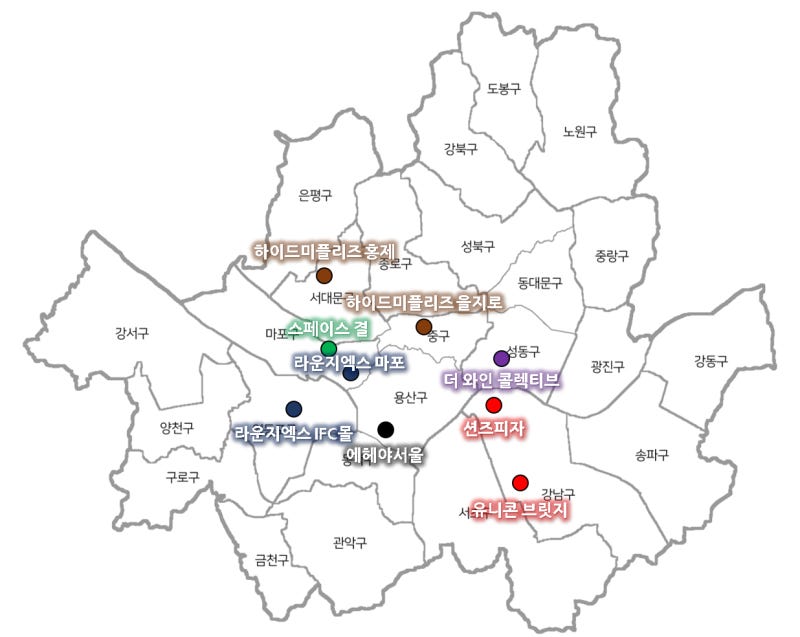
Distribution map of Worldcoin Orbs in Seoul
While it is theoretically impossible to reconstruct personal biometric information from the iris codes generated after scanning at the Orbs, most people cannot fully understand Worldcoin's technology. The act of scanning an iris may feel intrusive, which could be one of the reasons for the controversy.
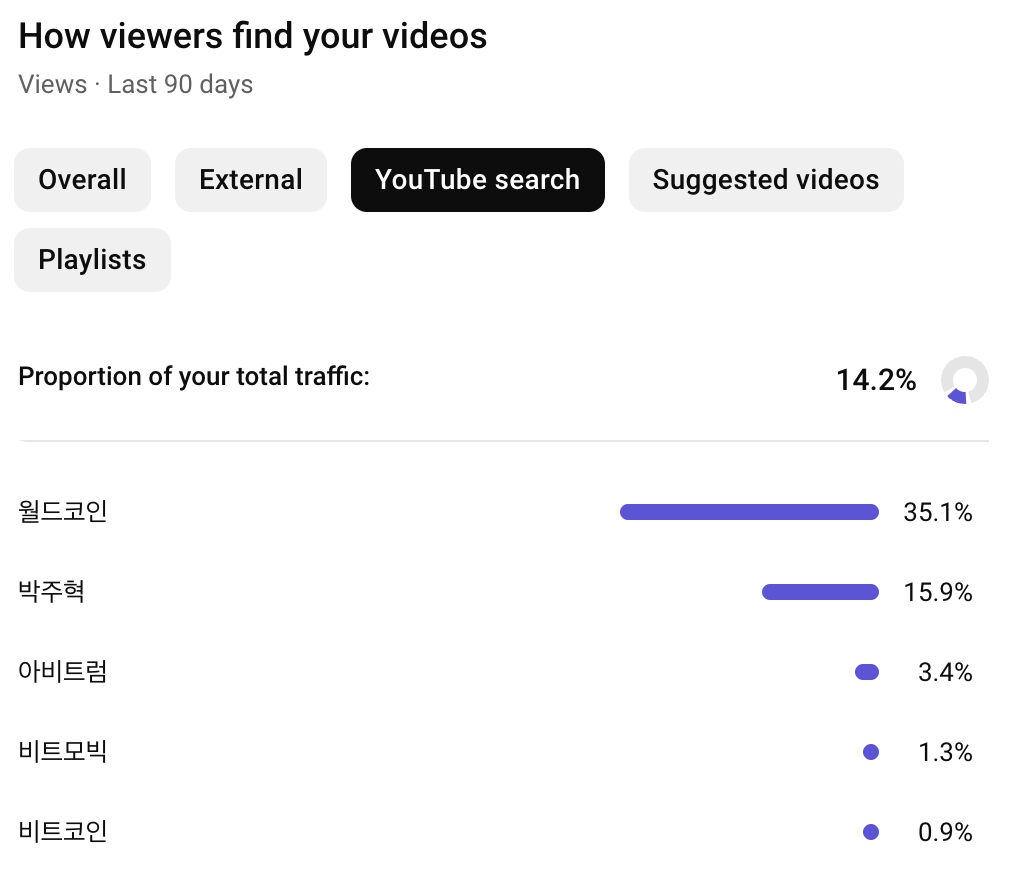
Search volume for Worldcoin (35.1%) exceeds the total of all other keywords combined
I noticed an interesting phenomenon: there is a high demand for Worldcoin-related content on YouTube. In the search statistics for my channel, the keyword "Worldcoin" accounts for about 35% of the search volume, more than double that of the second-ranking keyword.
A quick search for Worldcoin on YouTube reveals many videos predicting price increases and potential positive developments. This is not surprising, as YouTube is the second-largest platform for obtaining information in South Korea, after Naver.
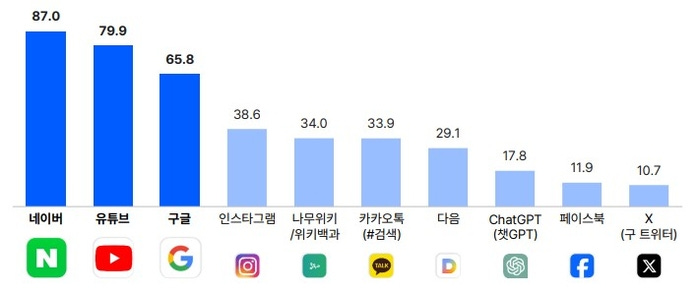
Ranking of search platforms in South Korea: Naver, YouTube, Google, Instagram, Namuwiki/Wikipedia, Kakaotalk, Daum, ChatGPT, Facebook, X
Koreans primarily rely on Naver for information searches, followed by YouTube, rather than Google. While English speakers mainly use Google, South Korea has unique communities like "Naver Cafes" that generate a wealth of information only found on Naver.
As a result, many individuals hoping to invest in cryptocurrencies often encounter misleading information or, in severe cases, become victims of pyramid schemes. The isolated environment created by the Korean language and Naver not only poses challenges for projects looking to enter the South Korean market but also makes it difficult for Koreans to discern accurate information.
免责声明:本文章仅代表作者个人观点,不代表本平台的立场和观点。本文章仅供信息分享,不构成对任何人的任何投资建议。用户与作者之间的任何争议,与本平台无关。如网页中刊载的文章或图片涉及侵权,请提供相关的权利证明和身份证明发送邮件到support@aicoin.com,本平台相关工作人员将会进行核查。


