This article's Hash (SHA1): 8656ff83d95af1de9dab2b925597cf72c6f63c66
Number: Chain Source Security Knowledge No.032
With the continuous development of blockchain technology, the financial industry is undergoing an unprecedented transformation. In this context, a new concept is gradually emerging: PayFi (Payment Finance). This term was first proposed by Lily Liu, the chairwoman of the Solana Foundation, at the 2024 EthCC conference, aiming to explore an innovative payment and financial model. The vision of PayFi is not only based on cryptocurrency payment systems, but also hopes to provide users with more secure, fast, and low-cost financial services through decentralized technology combined with the time value of money.
I. The core concept of PayFi: The time value of money and decentralized finance
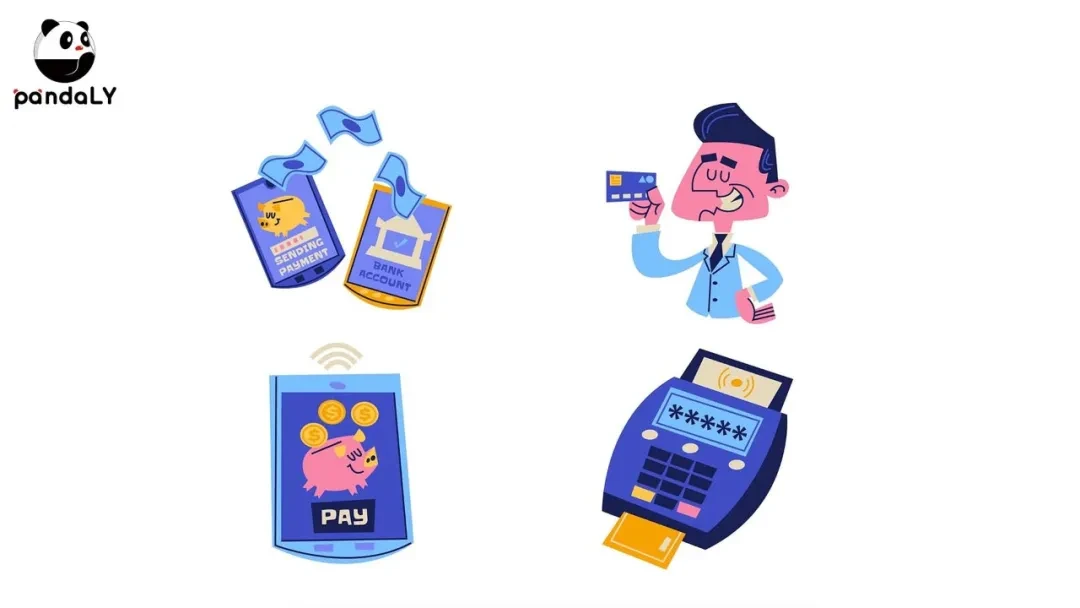
What is PayFi
Lily Liu mentioned that the core motivation of PayFi is to realize the initial vision of Bitcoin payment, which is to apply blockchain technology to the payment field and build an open, transparent, and intermediary-free financial system. Compared with DeFi (decentralized finance), PayFi focuses on creating new financial primitives around the "time value of money." The time value of money (TVM, Time Value of Money) is a fundamental concept in finance, emphasizing that money at present has a higher value than money in the future. The goal of PayFi is to allow users to maximize the time value of money through smart contracts and decentralized technology, achieving fast and efficient financial operations.
Vision of PayFi
The ultimate vision of PayFi is not only to realize Bitcoin's "peer-to-peer electronic cash system," but also to build an open financial system that gives users economic sovereignty and the ability to self-manage. Through smart contracts, the use of money will no longer be limited to traditional payment methods, but can automatically execute complex financial operations based on set rules without the need for third-party intervention. For example, with PayFi, users can automatically complete payments, loans, investments, and other operations without the need for third-party intervention, greatly improving the efficiency and transparency of financial activities.
II. Application scenarios and technical principles of PayFi

1. Buy Now Pay Never: Maximizing the time value of money
When discussing PayFi, Lily Liu often mentions three key application scenarios: "Buy Now Pay Never," "Creator Monetization," and "Account Receivable." Among them, the "Buy Now Pay Never" concept is particularly noteworthy, representing how to maximize users' purchasing power through the time value of money.
This model is different from "Buy Now Pay Later" (installment payments). The latter allows users to make installment payments through credit loans, but with certain interest payments. In the "Buy Now Pay Never" model, users deposit funds into DeFi or PayFi products and use interest income to pay for goods or services. For example, when you purchase a $5 cup of coffee, you can choose to deposit $50 into an interest-bearing account. When the account's interest accumulates to $5, it automatically pays for the coffee. This process does not require user intervention, and all transactions are automatically executed by smart contracts, without sacrificing too much cash flow for the user.
Case study: DeFi models of Compound and Aave
Taking the DeFi platforms Compound and Aave as examples, these platforms allow users to deposit assets into liquidity pools and earn interest through lending protocols. Users can deposit funds on these platforms and use the generated interest to pay for consumption. This "Buy Now Pay Never" model not only improves the efficiency of fund utilization but also reduces the financial burden on users.
2. Creator Monetization: Self-financial management for creators
In the content creation field, PayFi provides a new monetization model for creators. Traditionally, creators earn income through advertising, sponsorships, or subscriptions, often involving intermediaries (such as YouTube, Patreon, etc.), leading to platform cuts in creators' income. With PayFi, creators can directly interact with fans, building a payment system based on smart contracts, where fans' rewards, subscriptions, or purchases directly interact with the creator's digital wallet, without intermediaries. More importantly, creators can choose to deposit a portion of their income into interest-bearing products based on the time value of money to continue earning passive income in the future.
Case study: Steemit and Mirror Protocol
Platforms like Steemit and Mirror Protocol have already achieved success in this field. Steemit directly links user-generated content with token rewards through blockchain technology, while Mirror Protocol allows creators to earn income by tokenizing their content. The success of these platforms demonstrates the effectiveness of decentralized financial models in content creation.
3. Account Receivable: Blockchain solutions for accounts receivable
Accounts receivable financing is an important area in traditional finance, especially for small and medium-sized enterprises, as it can alleviate cash flow pressures. However, the traditional accounts receivable financing process often involves complex auditing, collateral, and liquidation processes, making it difficult for businesses to obtain funds in a timely manner. The emergence of PayFi provides an efficient solution for accounts receivable financing. Through blockchain technology, accounts receivable can be "tokenized," converting them into digital assets that can be traded on the chain, allowing businesses to quickly obtain funds while reducing credit risks. This process not only accelerates the efficiency of corporate financing but also enhances the transparency and security of the financial system.
Case study: Tradle and InvoiceFair
Platforms like Tradle and InvoiceFair have made initial successes in this field. Tradle has digitized and automated accounts receivable through blockchain technology, while InvoiceFair allows businesses to convert accounts receivable into liquid funds through blockchain technology. These platform cases demonstrate the potential application of blockchain in traditional financial fields.
III. Security challenges and solutions for PayFi
Although PayFi theoretically has tremendous potential, it also faces a series of security challenges in practical applications. Especially in a decentralized financial environment, ensuring the security of users' assets, preventing hacker attacks, and ensuring the security of smart contracts are issues that need to be thoroughly discussed.
Security of smart contracts
PayFi's operation heavily relies on smart contracts, and security vulnerabilities in smart contracts can lead to significant financial losses. In the past few years, the DeFi field has experienced multiple hacker attacks due to smart contract vulnerabilities, resulting in instant asset theft. Therefore, ensuring the security of smart contracts is crucial in the application scenarios of PayFi.
To reduce the risk of smart contracts, the development team must follow strict code auditing processes to ensure that smart contracts undergo thorough testing and auditing before going live. In addition, the PayFi platform can consider introducing technical measures such as multi-signature mechanisms and time locks to further enhance asset security. For example, when executing large payments or transfers, the system can automatically trigger a time lock, requiring users to confirm transactions within a specified time to prevent malicious asset transfers.
Case study: Balancer vulnerability attack event
In August 2023, the DeFi platform Balancer encountered a smart contract vulnerability attack, in which attackers exploited the system's contract vulnerability to steal approximately $900,000. Although the platform promptly took countermeasures, the incident highlighted the potential risks in smart contracts. Such events have prompted the DeFi industry to continuously improve in security auditing, monitoring, and response mechanisms to prevent potential future attacks.
Self-custody challenges for users
In a decentralized financial system, users need to safeguard their private keys, meaning that if the private keys are lost, users will be unable to recover their assets. To assist users in better managing their private keys, the PayFi platform can develop a range of user-friendly wallet management tools, such as hierarchical deterministic wallets, mnemonic backup tools, etc. Additionally, the PayFi platform can introduce security measures like multi-factor authentication (e.g., fingerprint, facial recognition) to ensure that users can recover their assets through alternative authentication methods in case of lost private keys.
Case study: BitGo and Ledger
Companies like BitGo and Ledger have already achieved success in enhancing user asset security. BitGo provides multi-signature wallet services, while Ledger offers hardware wallet solutions. These tools effectively enhance the security of user assets and reduce the risk of private key loss.
Hacker attacks and protection
As the PayFi ecosystem continues to develop, the risk of hacker attacks is gradually increasing. To effectively prevent hacker attacks, the PayFi platform must continuously enhance its technical defense capabilities. For example, the platform can counter hacker attacks by establishing firewalls, DDoS protection mechanisms, and real-time monitoring systems. Additionally, the PayFi platform can collaborate with professional blockchain security companies to conduct regular security testing on the system, promptly identifying and fixing potential security vulnerabilities.
Case study: Poly Network attack
In 2021, Poly Network suffered a record-breaking $60 million attack. This event exposed potential security risks in decentralized cross-chain protocols and prompted the industry to increase investment in security protection.
IV. International compliance: PayFi's path to globalization
As an emerging payment and financial model, PayFi is gaining increasing attention globally. However, with the rapid development of blockchain technology and decentralized finance, regulatory pressure is also increasing. In the process of promoting PayFi's globalization, ensuring compliance is an important issue.
Diversity of global regulatory environments:
Different countries have varying attitudes towards the regulation of cryptocurrencies and decentralized finance. For example, in the United States, the Securities and Exchange Commission (SEC) has strict regulatory requirements for cryptocurrency exchanges and DeFi protocols, requiring these platforms to comply with securities laws and undergo KYC (Know Your Customer) checks. In contrast, some European countries (such as Switzerland) have a more open attitude towards cryptocurrencies and decentralized finance, allowing these platforms to operate freely within a certain regulatory framework.
In the process of promoting globalization, the PayFi platform must fully consider the regulatory requirements of different countries to ensure the legality and compliance of its services within different jurisdictions. For example, the PayFi platform can collaborate with financial regulatory authorities in various countries to ensure that its products comply with local anti-money laundering (AML) and counter-terrorism financing (CFT) regulations.
Technical solutions for compliance:
To meet global compliance requirements, the PayFi platform can introduce a series of technical solutions. For example, the platform can ensure user identity verification and monitor suspicious transactions by integrating identity verification systems (KYC) and anti-money laundering tools. Additionally, leveraging the transparency of blockchain technology, the PayFi platform can conduct automated compliance checks to reduce human intervention and operational errors. Furthermore, the PayFi platform can develop compliance reporting tools to generate regular compliance reports submitted to regulatory authorities to ensure ongoing compliance with regulatory requirements.
V. Case study: Real-world applications of PayFi

To better understand the practical application of PayFi, we can refer to the following specific cases:
- Case Study 1: DeFi payment innovation
A well-known coffee chain introduced the PayFi payment system in multiple countries globally, allowing users to pay for goods without using cash. Instead, they deposit a portion of their funds into DeFi products on the platform and use the interest to pay for the cost of goods. Through PayFi, the chain achieved a reduction in user payment costs and increased customer retention.
- Case Study 2: Monetization solution for content creators
A prominent content creator directly interacts with global fans through PayFi, where user rewards and purchases go directly into their digital wallet without going through intermediary platforms. This new monetization model makes the creator's income more transparent and results in higher long-term returns.
- Case Study 3: Accounts receivable financing for small and medium-sized enterprises
A small and medium-sized enterprise utilized the PayFi platform to tokenize accounts receivable, enabling quick financing and reducing traditional bank review times and procedures, while also lowering credit risks, helping the enterprise solve cash flow challenges.
VI. Future prospects for PayFi
As an important innovation in the payment and financial fields of the blockchain era, PayFi has broad prospects for development in the future. With the continuous evolution of blockchain technology, the maturity of decentralized finance (DeFi), and the improvement of global compliance systems, PayFi is expected to make significant breakthroughs in multiple areas. The following are potential future development directions and trends for PayFi:
- Broader application scenarios
Currently, PayFi's application scenarios mainly focus on payment, accounts receivable financing, and content creator monetization. However, with the improvement of its technical architecture, PayFi is expected to play a role in more industries and fields. For example, traditional financial industries such as cross-border trade, supply chain finance, insurance, and real estate can benefit from PayFi's decentralized characteristics to improve efficiency, reduce costs, and decrease reliance on intermediaries.
Especially in the field of cross-border payments, PayFi can provide convenient, fast, and low-cost solutions for small and medium-sized enterprises. Through automated processes using smart contracts, users can conduct seamless transactions globally, eliminating traditional issues such as exchange rate fluctuations and payment delays. This undoubtedly provides significant convenience for businesses and individuals expanding their global operations.
- Deep integration with traditional financial systems
As blockchain technology gradually becomes more widespread, PayFi may not be limited to the internal decentralized financial system but will also achieve deep integration with traditional financial systems. PayFi can serve as an extension of traditional banking systems, helping banks improve the automation of payment and financial services. By integrating PayFi, banks and financial institutions can offer innovative financial products, such as decentralized savings accounts, automated loans, and investment tools, further enhancing user experience.
For example, banks in the future may offer financial products based on PayFi, allowing users to deposit assets into an account that combines the time value of money, earn interest through decentralized protocols, and automatically pay bills or purchase goods when needed. This seamless integration not only improves the efficiency of financial operations but also brings about entirely new business models for the traditional financial industry.
- Enhancing payment efficiency and liquidity
In the future, PayFi is expected to significantly improve payment efficiency and liquidity. Through smart contracts and decentralized technology, fund movement will become faster, more efficient, and transaction costs will further decrease. In the global market, PayFi has the potential to become a significant tool driving financial market liquidity, providing flexible and efficient payment and fund management solutions for businesses and individuals worldwide.
Especially in liquidity management, PayFi will help businesses optimize fund allocation and maximize the time value of money. For example, businesses can use the PayFi platform to deposit funds into interest-bearing accounts, using the generated returns for daily payments and operational management. This not only reduces cash flow pressure but also improves fund utilization.
- Driving innovation in decentralized finance
As an extension of DeFi, PayFi will continue to drive innovation in decentralized finance. Through the concept of the time value of money, PayFi can create new financial tools and products. For example, smart contracts can automatically execute complex financial operations such as time-weighted investment portfolio management and automatic reinvestment plans. These innovations will provide the financial market with more flexibility and possibilities, further disrupting traditional financial operating models.
Additionally, PayFi can also drive the development of cross-chain financial tools, achieving asset interoperability between different blockchain networks through cross-chain technology. For example, in the future, users can seamlessly make payments and transfer funds on different blockchain networks through the PayFi platform, no longer limited by the chains. This will greatly promote global financial market interconnection, bringing more cooperation opportunities for the blockchain industry.
- Social and economic impact and inclusive finance
PayFi will not only have a profound impact on the financial system but also contribute to the global socio-economic development. Especially in regions with weak financial infrastructure, PayFi can serve as the infrastructure for inclusive finance, helping more unbanked or underserved groups access payment, deposit, and loan services.
Through a decentralized financial service model, PayFi can eliminate the restrictions of intermediary institutions on users, allowing everyone to participate in the global financial market. This innovation will help millions of users gain financial autonomy, provide more opportunities for wealth appreciation, and ultimately promote social and economic equality and development.
- Challenges and opportunities
Despite the vast prospects for PayFi, it still faces many challenges in its development. Firstly, technical security is the foundation for its continued development. As the complexity of blockchain technology increases, the risks of hacker attacks and smart contract vulnerabilities will continue to exist. Therefore, strengthening the security audit of smart contracts and the overall protection of the platform will be an important issue for the development of PayFi.
Secondly, the uncertainty of the global regulatory environment is also an important variable for the future development of PayFi. Different countries have different regulatory attitudes towards blockchain payments, and the PayFi platform needs to find a balance between compliance and decentralization. In its future global expansion, PayFi not only needs to meet the regulatory requirements of various countries but also needs to establish a flexible compliance mechanism that can adapt to different market environments.
Despite these challenges, the development opportunities for PayFi cannot be ignored. With the continuous evolution of blockchain technology, the security and stability of smart contracts will be improved, and there may be more innovative financial products and application scenarios emerging in the future. Additionally, through collaboration with global regulatory agencies, the PayFi platform will further promote the compliant development of decentralized finance, laying a solid foundation for its globalization.
- Enhanced user experience and security
In the future, PayFi will also experience significant improvements in user experience. The process of managing funds and making payments will become more convenient and intelligent. For example, through more intuitive user interface design and smarter contract interaction processes, users can have a seamless experience in complex financial operations. PayFi may also introduce more advanced privacy protection and security tools, such as zero-knowledge proof technology, to ensure better protection of user transaction information on the chain.
At the same time, with the maturity of decentralized technology, the risk of managing digital assets for users will also be reduced. PayFi may help users securely self-custody assets by developing more comprehensive private key management and recovery tools, reducing the risk of asset loss due to operational errors or hacker attacks.
Conclusion
By combining decentralized blockchain technology with the concept of the time value of money, PayFi has provided an innovative path for the payment and financial industry. Looking to the future, PayFi is expected to not only address pain points in traditional financial systems but also have a profound impact on inclusive finance, payment efficiency, and fund liquidity. However, the platform's technical security, global compliance, and user experience still need continuous optimization to occupy an important position in the blockchain financial market. With the development of technology and the maturity of the market, PayFi is expected to become the core driving force for global payment and financial industry transformation, leading a new wave of financial innovation.
Chain Source Technology is a company focused on blockchain security. Our core work includes blockchain security research, on-chain data analysis, and asset and contract vulnerability rescue. We have successfully recovered stolen digital assets for individuals and institutions. At the same time, we are committed to providing project security analysis reports, on-chain traceability, and technical consulting/support services for industry institutions.
Thank you for reading, and we will continue to focus on and share blockchain security content.
免责声明:本文章仅代表作者个人观点,不代表本平台的立场和观点。本文章仅供信息分享,不构成对任何人的任何投资建议。用户与作者之间的任何争议,与本平台无关。如网页中刊载的文章或图片涉及侵权,请提供相关的权利证明和身份证明发送邮件到support@aicoin.com,本平台相关工作人员将会进行核查。


