
Image Source: Generated by Wujie AI
The OpenAI "Mafia" seems to have deep roots, with many former members leaving to start their own AI startups after gaining experience at OpenAI.
This artificial intelligence company was founded and sparked a cultural era spirit through ChatGPT a few years ago. Some employees began using this AI hype to start their own AI startups.
Let's get to know the members of the OpenAI Mafia, including one of the founding members of OpenAI, Matt Krisiloff, former COO Jeff Arnold, and many research and technical scientists (who are now running their own startups). It also includes the founding teams of Anthropic and Covariant AI, who had worked at OpenAI before founding these companies.
Former PayPal colleagues, including Elon Musk, Reid Hoffman, Keith Rabois, and Peter Thiel, were dubbed the "PayPal Mafia" after publishing a "Goodfellas"-style photo in Fortune magazine. Now, other major tech companies like Facebook and Oracle have their own mafia, as well as younger mafia organizations like Square, Stripe, and Instacart.
Top venture capital firms, including Andreessen Horowitz (A16z), Sequoia Capital, Index Ventures, Khosla Ventures, and Y Combinator, have supported the startups of OpenAI Mafia members. According to PitchBook and founder data, OpenAI Mafia members have collectively raised nearly $8 billion from investors.
Below is a list of 19 OpenAI Mafia members and the startups they are currently running. The list is arranged in alphabetical order of the startup names.
1. Anthropic Co-founders Dario Amodei, Daniela Amodei, Tom Brown, Jack Clark, Jared Kaplan, and Sam McCandlish
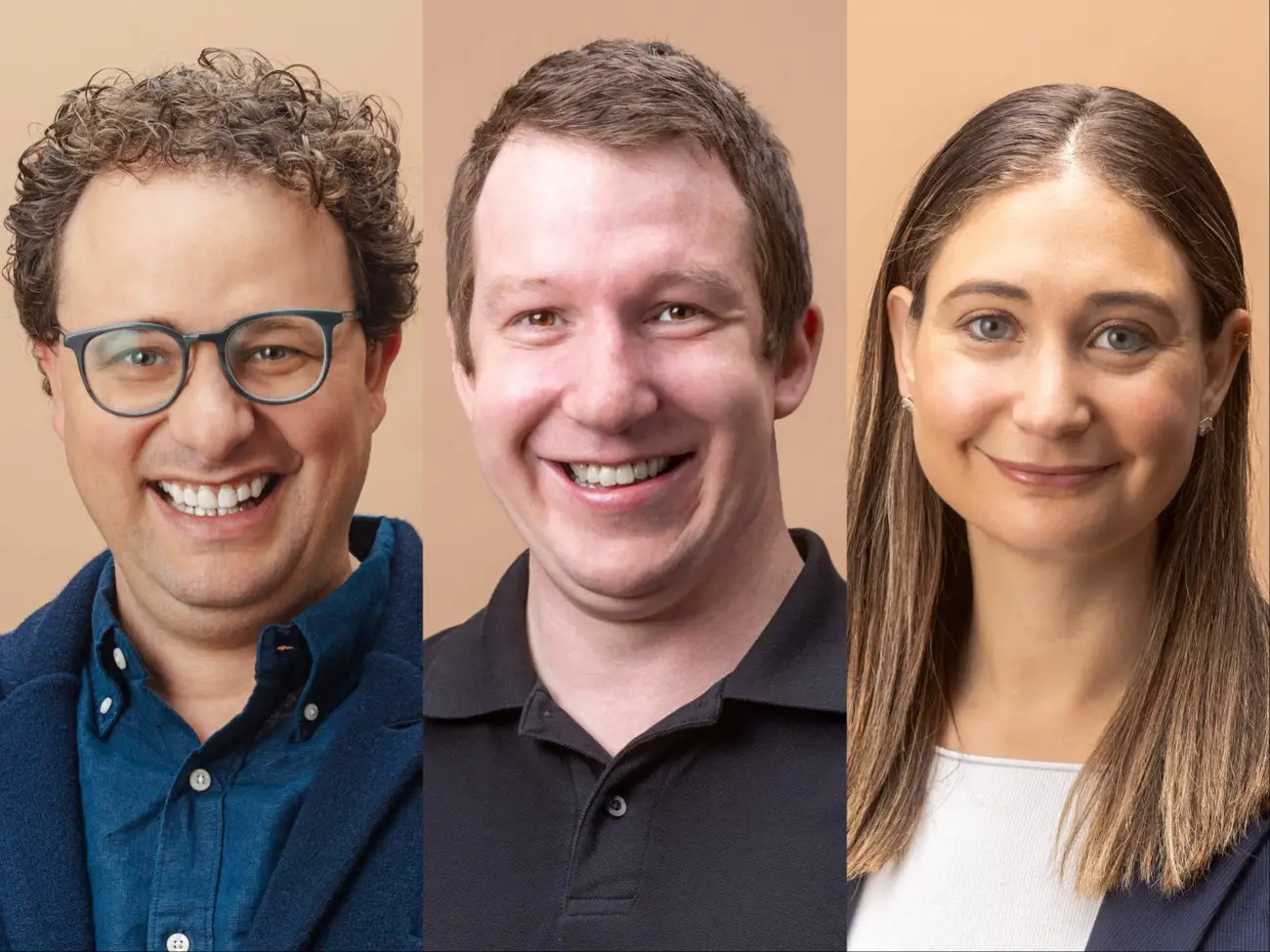
Dario Amodei, Jack Clark, and Daniela Amodei of Anthropic
Total Funding: $7.25 billion
Number of Employees: Currently 300 employees according to PitchBook data
Notable Investors: Google, Amazon, Menlo Ventures
Anthropic was founded in 2021 by a group of researchers from within OpenAI who believed in the potential good and evil of AI, thus forming an inexplicable bond. Since then, the company has received billions of dollars in funding from Google and Amazon, leading to what some have called an "AI arms race."
From its inception, the company has been outward-facing with the properties of large models, with security embedded in its DNA. CEO Dario Amodei, a former Google Brain researcher with a Ph.D. in computational neuroscience, has been writing about the catastrophic potential of AI since 2016. He and other co-founders of Anthropic, including former Bloomberg tech journalist Jack Clark, see exponential growth in AI and believe that AI companies need to start formulating a set of values to constrain these powerful programs.
Amodei spoke about himself and his co-founders at a Fortune conference last year, saying, "We really trust each other and want to work together, so we started our own company with this idea."
Anthropic is a public benefit corporation with an independent board that will control the hiring and firing of the company's leadership over time.
Amodei's sister, Daniela Amodei, is the company's president and was previously responsible for overseeing OpenAI's policy and safety team. She stated that Anthropic's safety-first policy is one of its main differentiating advantages.
Last year, Anthropic released a 22-page document outlining its so-called "responsible scaling policy," or a plan to prevent its technology from accelerating human extinction. The policy was reportedly overseen by Anthropic co-founder and theoretical physicist Sam McCandlish, who built a team to study the scaling laws of machine learning during his time at OpenAI and paved the way for GPT-3.
Anthropic's core pitch to enterprise clients is the so-called "Constitutional AI," through which the creators of language models imbue them with a conscience—a set of principles aimed at preventing the misuse of technology. Constitutional AI was the brainchild of two other OpenAI alumni and Anthropic co-founders, Tom Brown and Jared Kaplan. Brown, a former Google Brain researcher, and Kaplan, a former physics professor at Johns Hopkins University, provided consulting to OpenAI before leaving to found Anthropic.
Kaplan and Brown both participated in Anthropic's "red teaming" of its flagship language model, Claude, exploring the potential for abuse, including efforts last year to create a version of Claude that could lie. Kaplan expressed concern at a Bloomberg conference last October, saying he believes AGI—a form of artificial intelligence powerful enough to upend society—could be achieved in just 5 to 10 years.
"I'm worried about it, and I think regulators should be worried about it," Kaplan said at the conference.
2. Conception Co-founder and CEO Matt Krisiloff
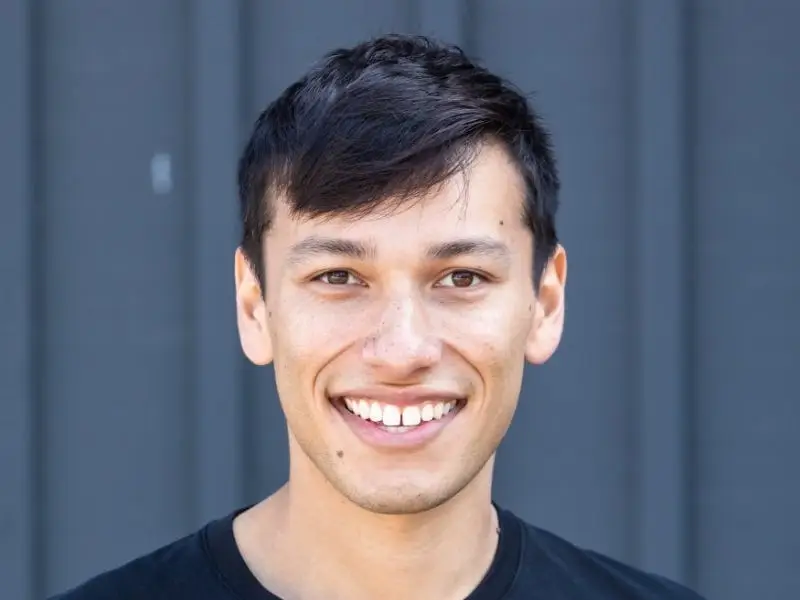
Matt Krisiloff, Co-founder and CEO of Conception
Total Funding: Claimed $40 million by the company
Notable Investors: Sam Altman, Laura Deming, Jaan Tallinn
Number of Employees: 43
Role at OpenAI: Founding member
As an OG team member of OpenAI, Matt Krisiloff initially led operations at the startup in 2014 and 2015, then moved to lead the research arm of Y Combinator's accelerator program. In 2018, he founded Conception, a health tech startup combating infertility by culturing human oocytes from stem cells.
Krisiloff graduated from the University of Chicago in 2014 and founded SciFounders in 2021, an organization that funds scientists and helps them run their own companies.
3. Covariant Co-founders Pieter Abbeel, Peter Chen, and Rocky Duan
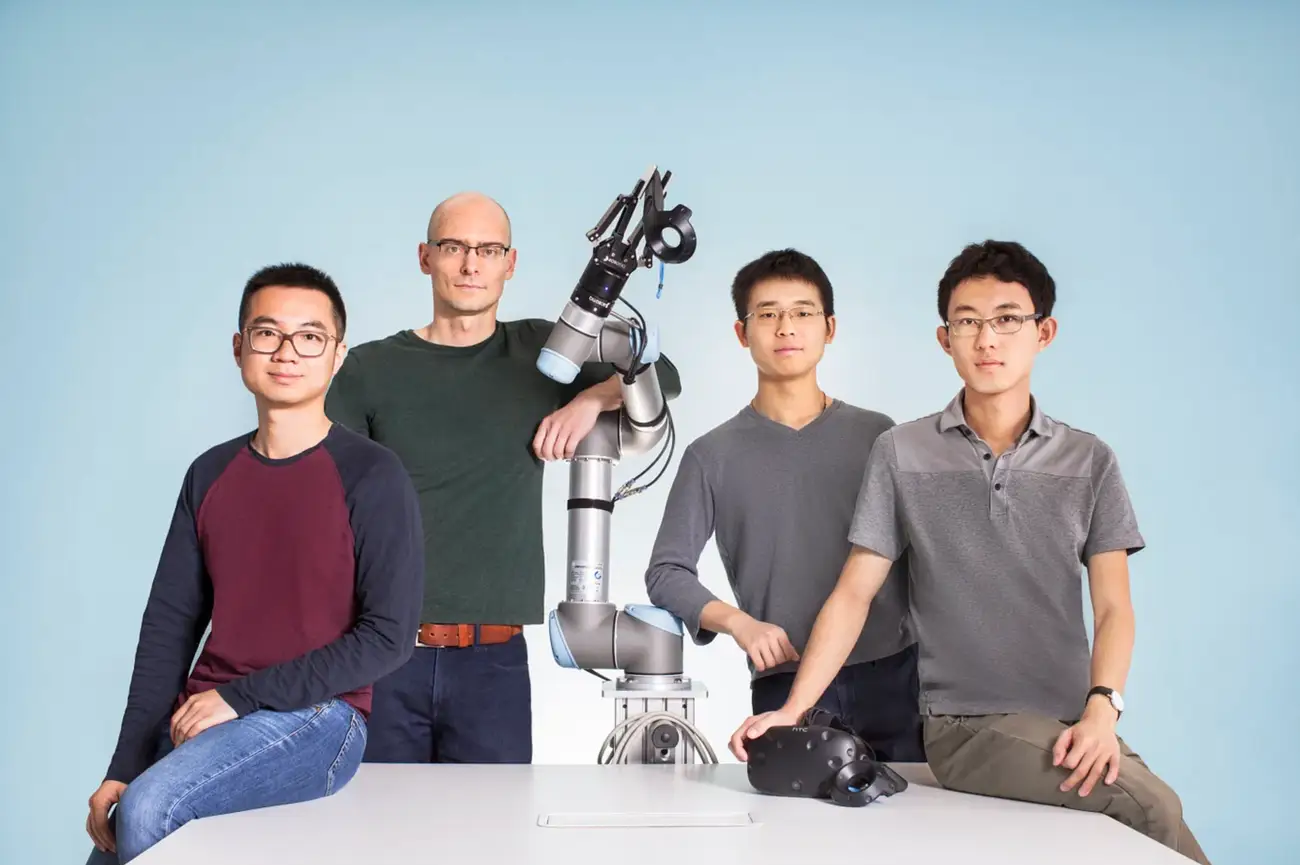
Left to right: Covariant founding team - CEO Peter Chen; President and Chief Scientist Pieter Abbeel; CTO Rocky Duan; Research Scientist Tianhao Zhang
Total Funding: $222 million
Notable Investors: Index Ventures, Industry Ventures, Temasek Holdings
Number of Employees: 200
Covariant aims to be a universal operating system for AI robots. Its model, called the "Covariant Brain," helps robots perform previously challenging tasks, such as folding clothes or picking and packing in warehouses.
The technology powering the Covariant Brain comes from the research conducted by co-founders Peter Chen, Rocky Duan, and Tianhao Zhang at the Berkeley Artificial Intelligence Lab in 2016. Another co-founder, Pieter Abbeel, was the director of the Berkeley Robot Learning Lab at the time and served as their doctoral advisor.
Before ChatGPT became a household name, they had been working at OpenAI, making significant strides in AI-driven robotics technology.
Chen told Forbes in 2023, "OpenAI brought together a group of ambitious and talented AI scientists and researchers with grand ideas and boundary-breaking." When Covariant was founded in 2017, its plan was to commercialize its robotic technology for specific enterprise use cases, which was different from OpenAI's purely research-oriented approach at the time.
Now, robots powered by the Covariant Brain are working in warehouses and fulfillment centers around the world.
4. Cresta Co-founder and CTO Tim Shi
Tim Shi, Co-founder and CTO of Cresta
Total Funding: Claimed $151 million by the company
Notable Investors: Sequoia Capital, a16z, Greylock, Tiger Global, angel investor Andy Bechtolsheim
Number of Employees: 200
Role at OpenAI: Technical staff
Tim Shi worked at OpenAI for a year, focusing on various projects including the open-domain platform World of Bits and OpenAI Universe, as well as training and evaluating AI software on games and websites. In 2017, he left the startup and co-founded Cresta with others, an AI coach aimed at improving employee efficiency.
Shi said that his experience at OpenAI made him appreciate working in a high-density talent environment and helped him manage talent at his own startup.
He stated, "OpenAI taught me the value of a high-talent-density environment and guided us to maintain high hiring standards, only recruiting the best talent." He added that some former employees had started their own generative AI companies in the past year.
Before joining OpenAI, Shi was a software engineer at file-sharing company Dropbox, focusing on machine learning. He graduated from Tsinghua University in Beijing and currently resides in San Francisco.
5. Daedalus Founder and CEO Jonas Schneider
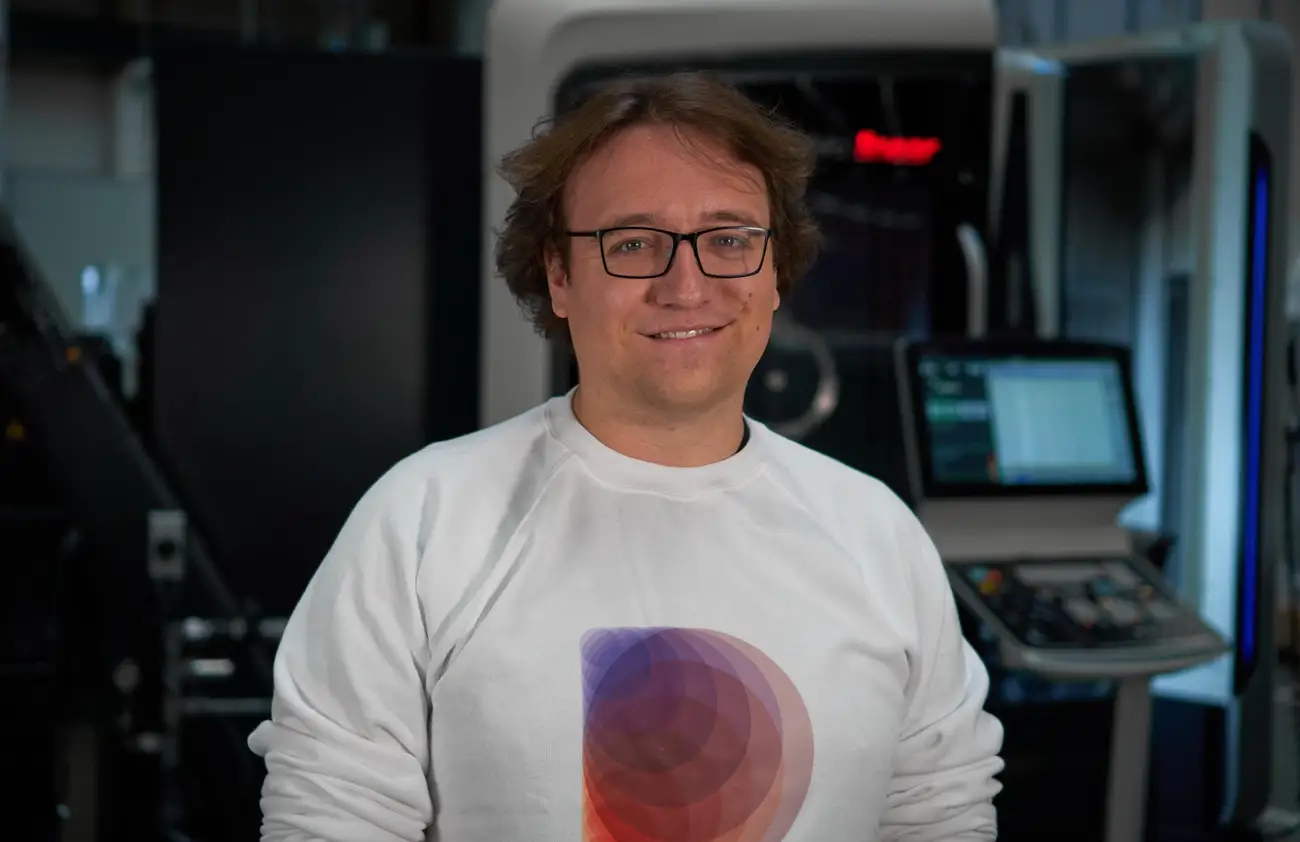
Jonas Schneider, Founder and CEO of Daedalus
Total Funding: $17.5 million
Notable Investors: Khosla Ventures, Y Combinator, LEA Partners
Number of Employees: 50
Role at OpenAI: Technical lead
After obtaining a degree in computer science from the Karlsruhe Institute of Technology in Germany, Jonas Schneider worked at OpenAI as a technical lead in 2016. During his three years at OpenAI, he co-founded and led the software engineering team for OpenAI Robotics.
With this experience, Schneider took a step forward and launched his own robotics startup, aimed at helping factories and their production robots improve efficiency. Daedalus was part of Y Combinator's Winter 2020 batch, and the company has raised $17.5 million from investors such as Khosla Ventures and LEA Partners, according to company representatives. The company uses its AI robotics technology to produce custom prototypes and parts series for global factory production.
As the founder and CEO, Schneider stated that Daedalus is filling a gap by constantly reprogramming production robots for new tasks or objects. "Currently, the work of programming them limits their use in mass-produced products, but our software-driven factories make high-precision manufacturing scalable and increase the efficiency of mass production in high-mix manufacturing."
6. Gantry Co-founders Josh Tobin and Vicki Cheung
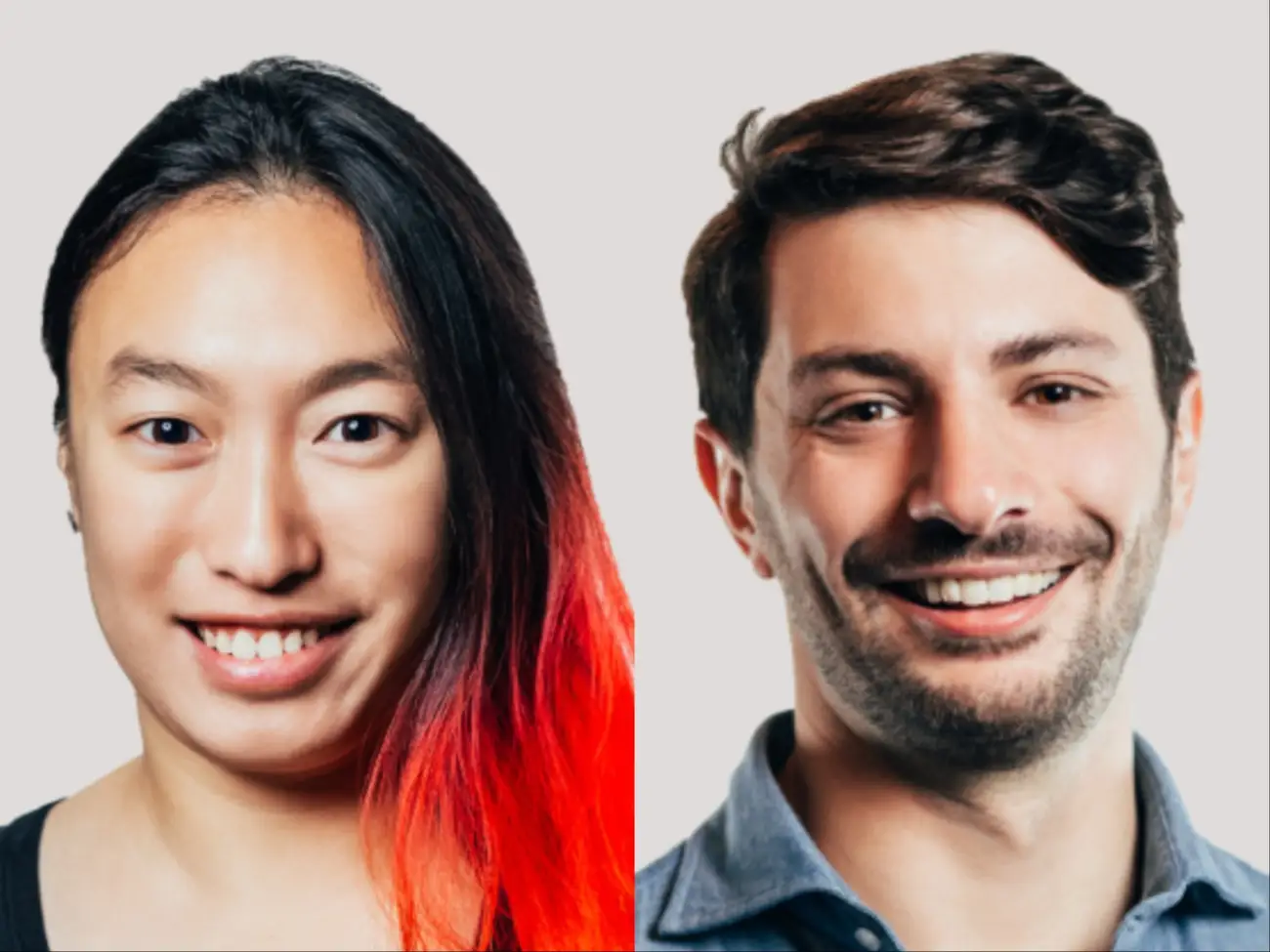
Josh Tobin and Vicki Cheung, Co-founders of Gantry
Total Funding: $28.3 million
Notable Investors: Coatue, Index Ventures, Greg Brockman of OpenAI
Number of Employees: 25
Role at OpenAI: Tobin is a research scientist, while Cheung is a founding engineer and infrastructure lead.
In 2019, former OpenAI research scientist Josh Tobin and OpenAI infrastructure lead Vicki Cheung were teaching a deep learning course at the University of California, Berkeley, when they realized the challenges of building supporting infrastructure for AI tools.
Cheung had previously served as a founding engineer at Duolingo and a senior engineer at Lyft, while Tobin holds a Ph.D. in computer science from the University of California, Berkeley.
In 2020, the two launched Gantry, which officially debuted in 2022. This AI startup works in the field of machine learning operations (MLOps), enabling teams to train their AI systems and assess which data to use when retraining. This allows companies to deploy AI systems more effectively to better interact with customers.
According to TechCrunch, Gantry has raised $28.3 million from OpenAI President and Co-founder Greg Brockman and Coatue, among others, to double down on customer acquisition efforts and expand its workforce.
7. Kindo Co-founder and VP of Product Margaret Jennings
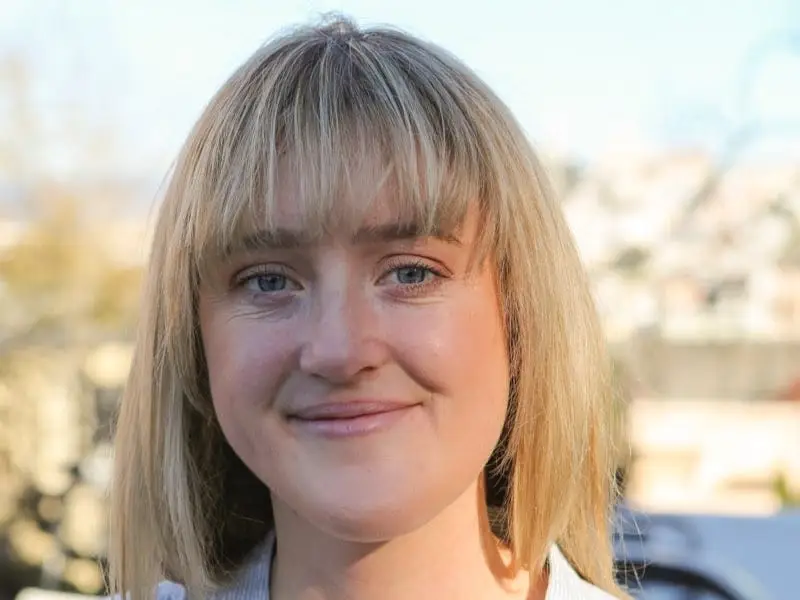
Margaret Jennings, Co-founder and VP of Product at Kindo
Total Funding: Claimed $7 million by the company
Notable Investors: Riot Ventures, Eniac Ventures
Number of Employees: 13
Role at OpenAI: Member of the Applications Team
Margaret Jennings worked at OpenAI for six months (from August 2022 to January 2023), during which time she was a member of the Applications Team, dedicated to bringing the startup's technology to consumers. According to CNBC, Jennings was involved in a project to provide ChatGPT to Morgan Stanley financial advisors, which was launched at the end of 2023.
Jennings' experience at OpenAI taught her "the importance of broader accessibility—especially in translating research goals into product design."
Now, Jennings is working for Kindo, an early-stage startup building secure and product-layered applications for enterprise-scale language models. Since its founding in February 2023, the startup has raised $7 million in venture capital.
Before Kindo and OpenAI, Jennings served as the VP of Product and AI at digital health startup Halodoc ID and as a Global Lead at Google. She graduated from Bard College in 2013 and holds a master's degree in computer science from University College London, where she is currently pursuing a Ph.D. in human-centered artificial intelligence.
8. Pilot Founder and COO Jeff Arnold
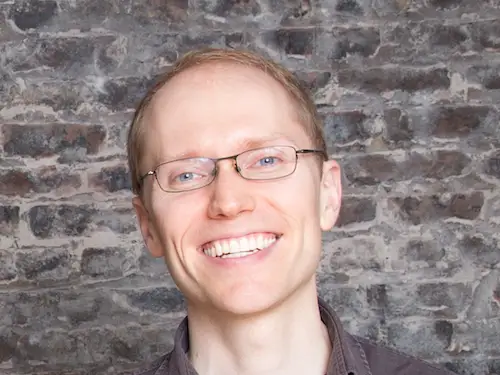
Jeff Arnold, Founder and COO of Pilot
Total Funding: Claimed $174 million by the company
Notable Investors: Sequoia Capital, Index Ventures, Bezos Expeditions
Number of Employees: 250
Role at OpenAI: Operations Executive
Jeff Arnold is a serial entrepreneur who worked at OpenAI for five months in 2016, overseeing operations, before founding his third startup, Pilot—a fintech startup that helps companies meet their accounting needs. He noted that when Pilot was founded in 2017, OpenAI was one of the company's first customers, and Pilot was also a customer of OpenAI.
"In the best-case scenario in Silicon Valley, technologists come together and collectively accomplish things that exceed people's expectations, and I can't think of a better example than OpenAI," he told Business Insider.
Before Pilot and OpenAI, Arnold co-founded enterprise chat application Zulip (acquired by Dropbox in 2014) and enterprise software startup Ksplice (acquired by Oracle in 2011). He holds bachelor's and master's degrees from MIT.
8. Perplexity Co-founder and CEO Aravind Srinivas
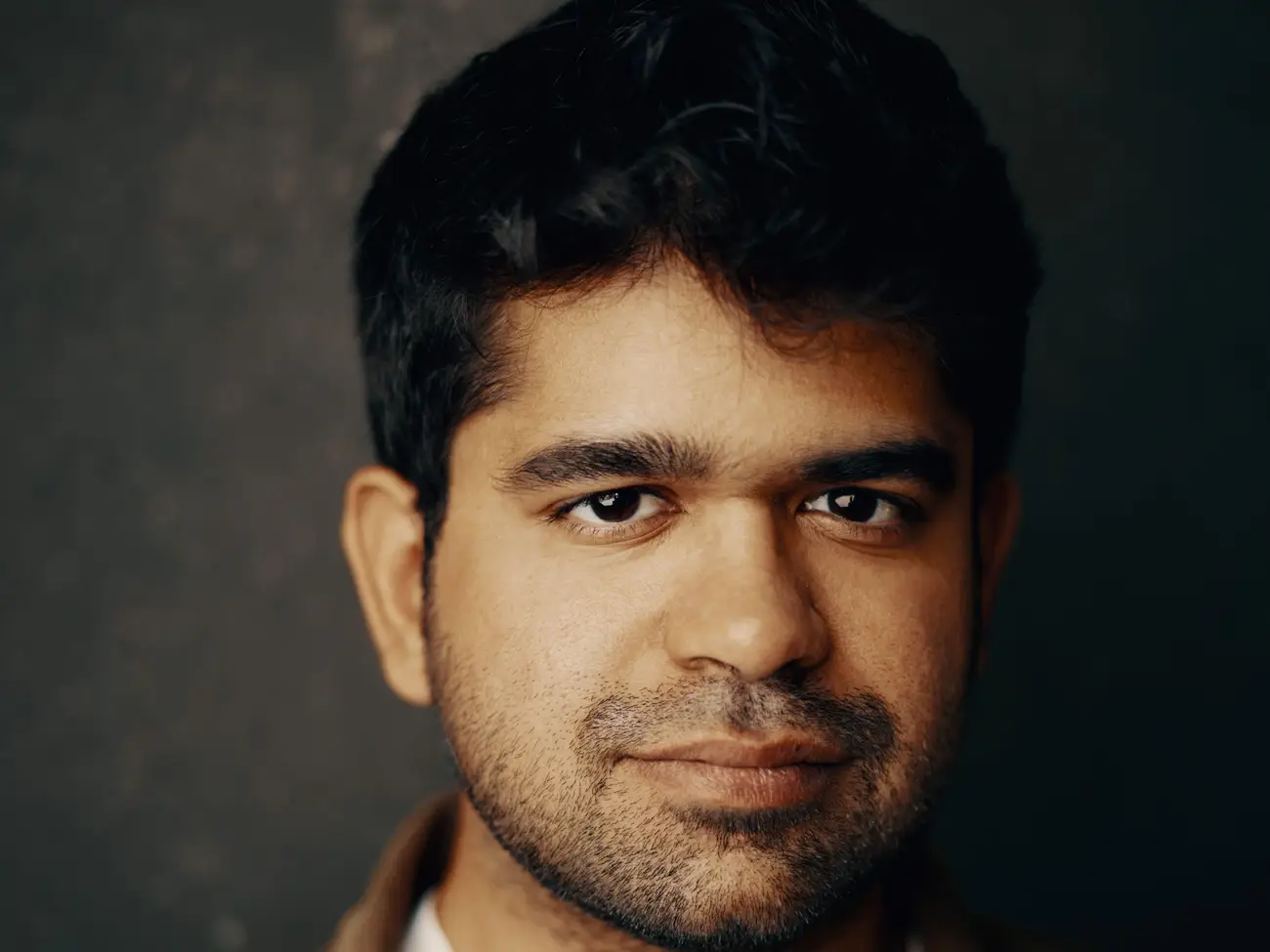
Aravind Srinivas, Co-founder and CEO of Perplexity
Total Funding: $102.3 million
Notable Investors: IVP, Jeff Bezos, Sequoia Capital, Nvidia
Number of Employees: 34
Role at OpenAI: Research Scientist
Located in San Francisco, Perplexity was founded by former OpenAI research scientist Aravind Srinivas in 2022, aiming to become the preferred AI search engine.
The startup uses a range of large models (from OpenAI's ChatGPT to Meta's Llama) to power its conversational search engine. Users can pose questions and conduct conversational queries using AI tools, which will primarily provide answers in the form of citations and sources.
Srinivas has successfully garnered support from numerous prominent investors, including Sequoia Capital, Databricks, GitHub founder Nat Friedman, and former YouTube CEO Susan Wojcicki.
He stated that his advice to founders is to "fully commit to the idea. When you're starting a company for the first time, there are a lot of opportunities, but you can easily fall into the trap of trying to do too many things. Pick an area you're good at, focus your efforts and resources, and do it well."
"It's risky, but in my view, if your idea isn't worth taking that risk, then it's not worth starting that company," he added.
8. Prosper Robotics Co-founder and CEO Shariq Hashme
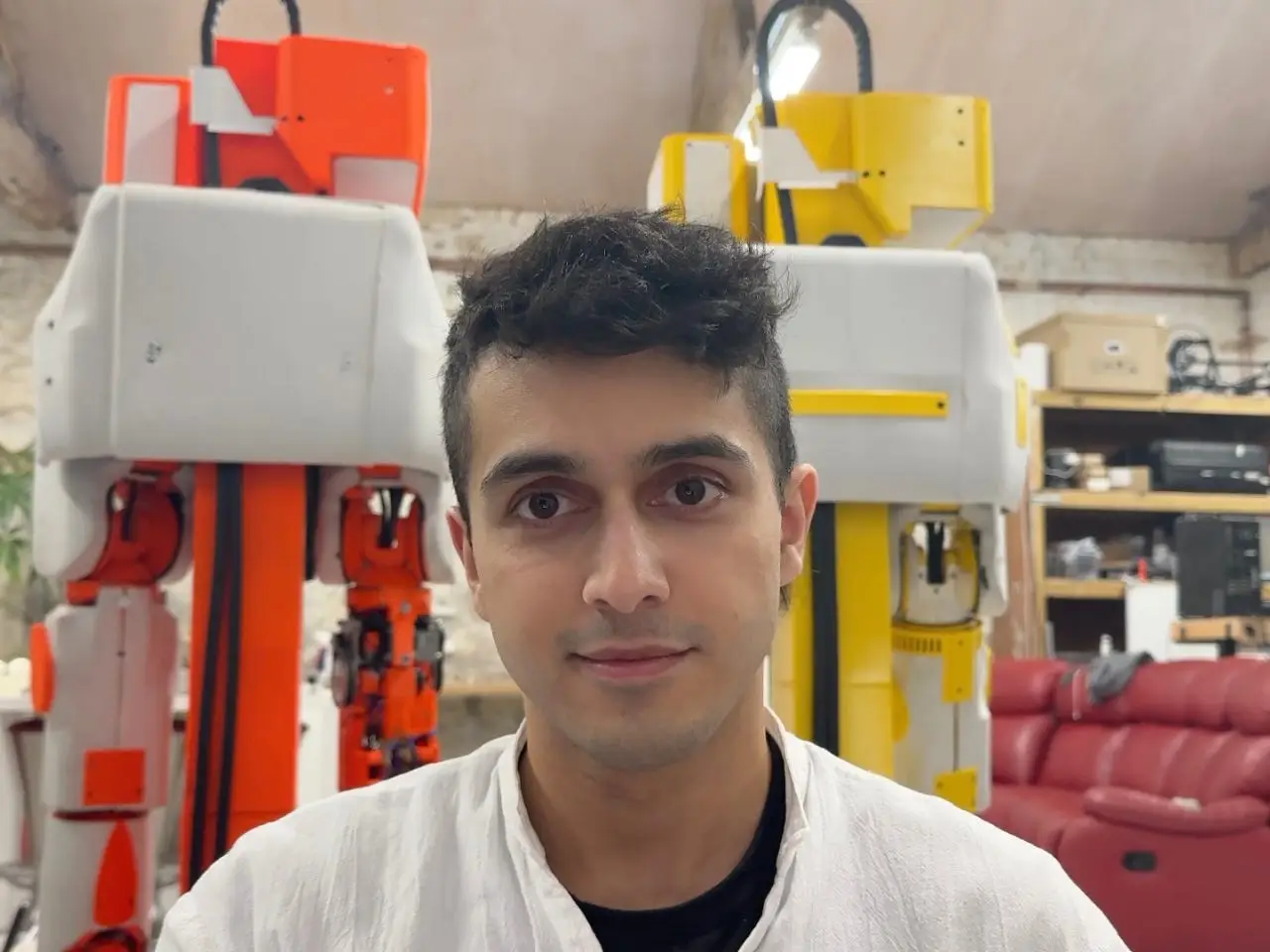
Shariq Hashme, Co-founder and CEO of Prosper Robotics
Total Funding: Not disclosed
Notable Investors: Scale CEO Alexandr Wang, Anthropic Co-founder Ben Mann, Notion Co-founder Simon Last
Number of Employees: 11
Role at OpenAI: Technical Staff
Shariq Hashme worked at OpenAI for 9 months as a member of the technical team before moving to AI newcomer Scale AI later that year.
With experience in artificial intelligence and an electrical engineering degree, Hashme launched the London-based robotics startup Prosper in February 2021. The company aims to manufacture a robot capable of performing basic household tasks, from doing laundry and dishes to cleaning rooms.
Hashme stated that the product is not yet ready for market. The team is focused on creating a robot that can perform multiple tasks, but at a price point that is still reasonable enough to attract customers.
While Prosper did not disclose the total amount of funding it has raised, the startup has garnered support from investors such as Anthropic Co-founder Ben Mann and Notion Co-founder Simon Last.
His advice for current employees of rapidly growing startups comes from his favorite movie "Cloud Atlas: The Revelation of Sonmi 451." "The nature of our immortal lives is in the consequences of our words and deeds, that go on and are pushing themselves throughout all time. Our lives are not our own. From womb to tomb, we are bound to others, past and present, and by each crime and every kindness, we birth our future."
9. Founder of Stealth Startup Ishant Singh
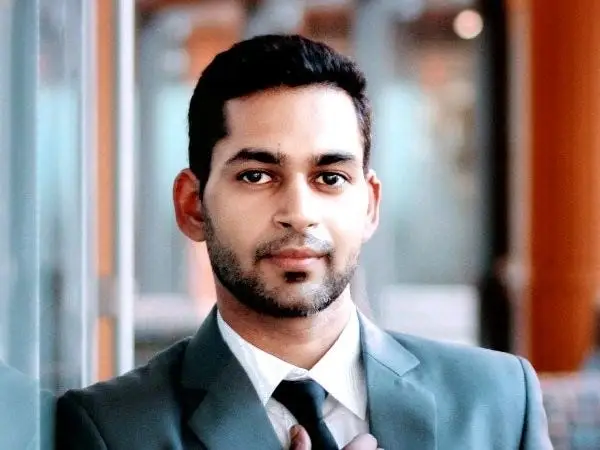
Ishant Singh, Founder of a stealth startup
Total Funding: Unknown
Role at OpenAI: AI Security Team
Ishant Singh worked in product for four years in New Delhi before pursuing an MBA at Arizona State University. During this time, he spent some time in Amazon's product team working on Alexa, before transitioning to OpenAI's Trust and Safety team in 2021, where his job was to ensure that any output of AI models is safe and secure for end users in accordance with OpenAI's safety guidelines.
In June 2023, he began building his own startup, which is currently in stealth mode but has completed the development of a minimum viable product and is currently raising seed funding.
The product is an AI platform similar to ChatGPT that connects every data source within a company, such as Google Drive, and becomes a context-aware ChatGPT. It is model-agnostic, so it is not limited to ChatGPT and disseminates guidance to employees based on their level and access to the information.
Singh stated, "I have the former OpenAI tag on my LinkedIn, which means I have been approached by over 35 venture capital firms." He added that this is a common feat for any OpenAI alumnus raising funds.
His advice to founders is to "learn from all the ups and downs in the workplace and always look for new opportunities in customer and product issues."
Reference: Business Insider
免责声明:本文章仅代表作者个人观点,不代表本平台的立场和观点。本文章仅供信息分享,不构成对任何人的任何投资建议。用户与作者之间的任何争议,与本平台无关。如网页中刊载的文章或图片涉及侵权,请提供相关的权利证明和身份证明发送邮件到support@aicoin.com,本平台相关工作人员将会进行核查。


