What is spyware?
Spyware is a type of malicious software that operates in the background, designed to track and record activities on infected devices and collect personal information about users. This information is then sent to attackers for malicious purposes such as selling data, identity fraud, and intelligence gathering.
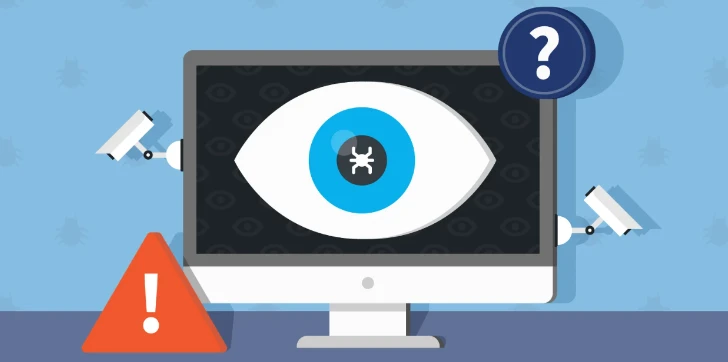
In the cryptocurrency market, hackers often use spyware to infiltrate computers, phones, and other devices to obtain private keys, login information, and steal user assets.
How does spyware enter devices?
Spyware can penetrate any device, from computers and laptops to phones and tablets.
Devices using the Windows operating system are often more vulnerable to attacks due to limited security features. However, attackers are constantly creating new methods and pathways to target iOS devices.
Common reasons why spyware can easily penetrate devices or systems include:
Bundled software: Spyware is installed within utility programs and software, such as disk cleanup tools, download managers, and new web browsers.
Suspicious emails: Spyware can spread through phishing emails containing strange files and links. When users open the files or click on the links in the emails, spyware enters their devices.
Spyware ads: Users inadvertently let spyware infect their devices by visiting unknown websites and clicking on ads containing spyware.
Security vulnerabilities: Attackers often exploit code and hardware vulnerabilities to gain unauthorized access to devices and systems, installing spyware on the devices.
USB and peripheral devices with spyware: When these USB devices are connected, users' devices may also be infiltrated and attacked by spyware.
Types of spyware
There are many ways to classify spyware based on its purpose and mode of operation. This article categorizes spyware into cryptocurrency spyware, system monitoring, trojans, and spyware.
System Monitors - Information Stealers
Spyware, also known as information stealers, in system monitoring primarily collects other users' information such as personal details, account login information, and sensitive data.
Here are some types of spyware and how they collect information on your device:
Keyloggers: Record the keys pressed on the keyboard by the user.
Screenloggers: Capture and record images on the device screen for a period of time.
Clipboard Monitors: Modify the information stored in the computer's clipboard. For example, when you send cryptocurrency and copy-paste the recipient's wallet address, the clipboard monitor software quickly changes the wallet address information, causing the funds to be sent to the attacker's wallet address.
Memory Scrapers: Scan the computer's memory to obtain important information and send it to attackers.
Web Injects: Inject malicious code into websites visited by users, then collect their important information and data.
Trojans and Spyware
Trojans and spyware (or trojans) are counterfeit software with a reliable interface and functionality, but internally contain malicious components such as movie, song, game download links, advertisements, etc. The name "Trojan horse" comes from the famous Greek fable - the Trojan horse.
Trojan software files typically use extensions such as .exe, .com, .scr, .bat, or .pif.
Example: Users download movies or songs from unfamiliar websites to their computers, unaware that it is actually Trojan software. When they click on the downloaded file, they inadvertently open a Trojan program harmful to the computer. This may result in malicious behavior such as erasing the computer's hard drive, controlling the machine, disabling the machine's security features, obtaining sensitive information and sending it to attackers, or becoming part of a zombie network participating in distributed denial-of-service (DDoS) attacks.
Spyware - Zombie Networks
A spyware zombie network (Bot) is a network composed of many devices infected with spyware, controlled remotely through public servers. Attackers can create spyware (trojans, keyloggers, screen recorders, etc.) to penetrate user devices through various forms (emails, ads, pop-up notifications, image files, videos, etc.) and create zombie networks.
Through spyware via zombie networks, attackers can:
Make phone calls.
Engage in large-scale property fraud based on information collected from the network.
Sell sensitive information on the black market.
How dangerous is Spyware in Cryptocurrency?
Spyware poses a threat to cryptocurrency users' assets as they can:
Obtain wallet private key information to control and use assets.
Monitor and track every transaction, violating user privacy.
Pave the way for other types of malware attacks on devices.
Obtain users' personal information for scams and identity forgery.
Unlike credit or debit cards, cryptocurrency transactions are based on blockchain technology. Once a transaction is completed, it is written into a block and cannot be reversed. The assets in the account are almost impossible to steal.
The Sky Mavis Ronin hack is a typical example of the danger of spyware.
Attackers first collected information about Sky Mavis employees, then designed a scam targeting a senior engineer at the company. They pretended to be a recruiter from another company (which did not actually exist) and sent the employee fake job opportunities and enticing salaries.
After the employee participated in a simulated interview, they began sending job opportunities in the form of PDF files (containing spyware). Once the file was downloaded, the spyware infiltrated Sky Mavis' network and began the attack.
The incident ultimately became one of the largest cryptocurrency thefts in history. Sky Mavis lost 173,600 ETH and 25.5 million USDC, resulting in total losses exceeding $600 million at the time.
Here are 10 signs of detecting spyware on a device:
Spyware running in the background may cause the following symptoms on the user's device:
Much slower device performance than before, lagging and stuttering during use.
Rapid battery drain and device temperature increase.
Strange sounds or crackling during calls.
CD-ROM drive opening and closing automatically.
Pop-up ads appearing on the screen when browsing the internet.
Browser history containing many strange activities not performed by the user.
Desktop wallpaper constantly changing and unable to restore automatically.
Automatic changes in font and other settings on the computer.
Confusion between left and right mouse buttons, or the mouse not displaying on the computer screen.
Checking for strange programs and applications that the user did not install or download.
How to prevent spyware in cryptocurrency?
As the cryptocurrency market continues to develop and gain widespread acceptance, hackers are increasingly dominant due to the lack of control and security in the market, making spyware a greater threat to user assets.
So how can spyware be avoided when participating in the cryptocurrency market? Some methods include:
Enable a firewall on the computer to prevent unauthorized access and issue warnings when dangerous programs, applications, or software attempt to infiltrate the device.
Use antivirus and anti-malware software such as Bitdefender, Panda Free Antivirus, Malwarebytes, Avast, McAfee, etc., to detect and remove spyware and malware from the device.
Use two-factor authentication (2FA) and password management applications such as Dashlane, Sticky Password, LastPass, Password Boss, etc., to enhance security and prevent attackers from accessing your cryptocurrency accounts.
When not using the computer, shut it down to avoid becoming a target for spyware attacks. Users often leave devices in "sleep" mode and do not close all tabs after use, making the device more vulnerable to being "discovered" by attackers.
Keep the operating system and software up to date with the latest security patches, as old versions may have vulnerabilities that hackers can exploit to launch spyware attacks.
Before accessing cryptocurrency websites, check the URL to ensure it is genuine and not redirected to a fake site.
Be cautious when downloading software, files, or clicking on unfamiliar links. Only download from trusted sources, such as the official websites of software providers, and be careful with free downloads from third parties, and carefully read before opening emails or clicking on unfamiliar links.
Conclusion
The above measures will help users reduce the risk of spyware attacks when participating in the cryptocurrency market. However, maintaining a vigilant and cautious mindset in all actions remains the most important thing to protect personal information and assets.
免责声明:本文章仅代表作者个人观点,不代表本平台的立场和观点。本文章仅供信息分享,不构成对任何人的任何投资建议。用户与作者之间的任何争议,与本平台无关。如网页中刊载的文章或图片涉及侵权,请提供相关的权利证明和身份证明发送邮件到support@aicoin.com,本平台相关工作人员将会进行核查。


