

Author: 1confirmation
Compiled by: Chopper, Foresight News
The reasons for corporate failures are varied, but poor timing is the most common. Most of the currently successful companies are not the first to venture into the industry. They rose to prominence only when infrastructure continued to improve and user behavior changed, making the timing right.
The cryptocurrency industry has gone through over a decade of various attempts aimed at ordinary users, leaving a large number of failures to analyze and learn from. The following types of previously frustrated directions now have the opportunity to give birth to phenomenal crypto consumption applications.
Internet Native Assets
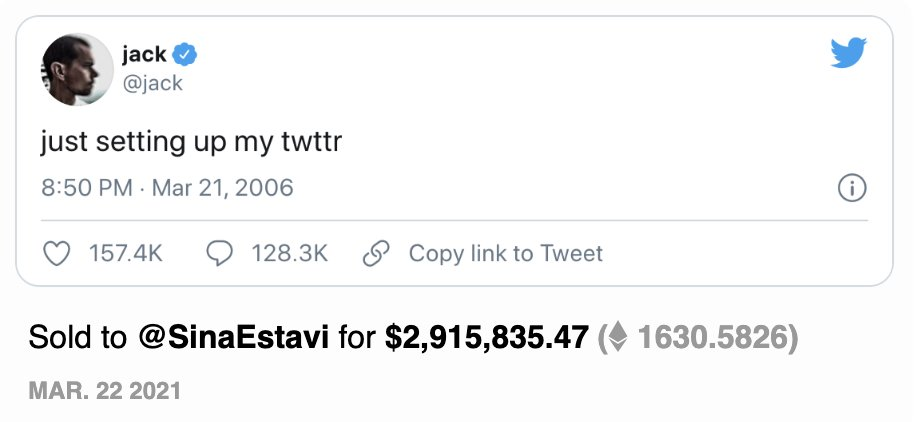
During the NFT frenzy in 2021, Cent created a market for tokenizing tweets. Jack Dorsey's first tweet was sold on March 22, 2021, for 1,630 ETH (equivalent to $2,915,835.47). NBA Top Shot also attempted to bring cultural moments on-chain, but ultimately turned those contents into products that closely resembled digital trading cards in form and gameplay.
To this day, the industry still lacks a mature solution that can effectively carry online buzz and cultural moments. Many people mention meme coins, but meme coins are more like derivatives of hype and do not truly anchor the cultural events behind them.
Currently, the whole industry is discussing RWA, aiming to transfer real-world assets like stocks, government bonds, real estate, and collectibles onto the blockchain. Perhaps a reverse approach holds greater opportunities: to create a new type of crypto-native asset that does not exist in the real world.
X-to-Earn
Projects like STEPN and Axie Infinity once thrived. They no longer required users to spend money to purchase crypto assets, but instead provided ways for users to earn tokens.
The lesson we should draw from this is not that the "earn while doing" model is unviable, but that indiscriminate issuance of liquidity tokens cannot sustain an economic system.
In the future, most people’s first exposure to cryptocurrency will likely be through earning, rather than direct purchase. The core question is: what are users earning? And why would they want to hold on to it long-term?
Metaverse
Nowadays, when the word metaverse is mentioned, many people feel it is out of place, especially since the last hype ended poorly. Projects like Decentraland and The Sandbox tried to replicate the real world in the internet, creating digital real estate including land and buildings. When Facebook rebranded as Meta, the company's market value reached $900 billion.
The current mainstream direction in the industry is to embrace offline reality. When everyone rushes offline to explore a new generation of online social forms, it may give birth to interesting opportunities.
The past mistakes of the metaverse may not necessarily lie in misjudging people's willingness to immerse themselves in digital spaces; the error might be the stubborn belief that the virtual world must replicate the appearance of the real world.
DAO (Decentralized Autonomous Organization)
It cannot be said that DAOs have completely failed, as many projects still exist today, but they have far from fulfilled the potential that people initially envisioned.
ConstitutionDAO is a representative experiment; its model is quite simple. A group of internet strangers raised about $47 million in just a few days to try to bid for a copy of the original U.S. Constitution.
Pooling funds to buy sports teams, invest in films, sponsor athletes, collect historical artifacts, save local shops, fund scientific research, purchase land... achieving what a single ordinary person might find difficult.
The DAO industry may be overly preoccupied with governance mechanisms, but the simplest need for users is just for people on the internet to pool funds and work together.
Personal Value Assetization
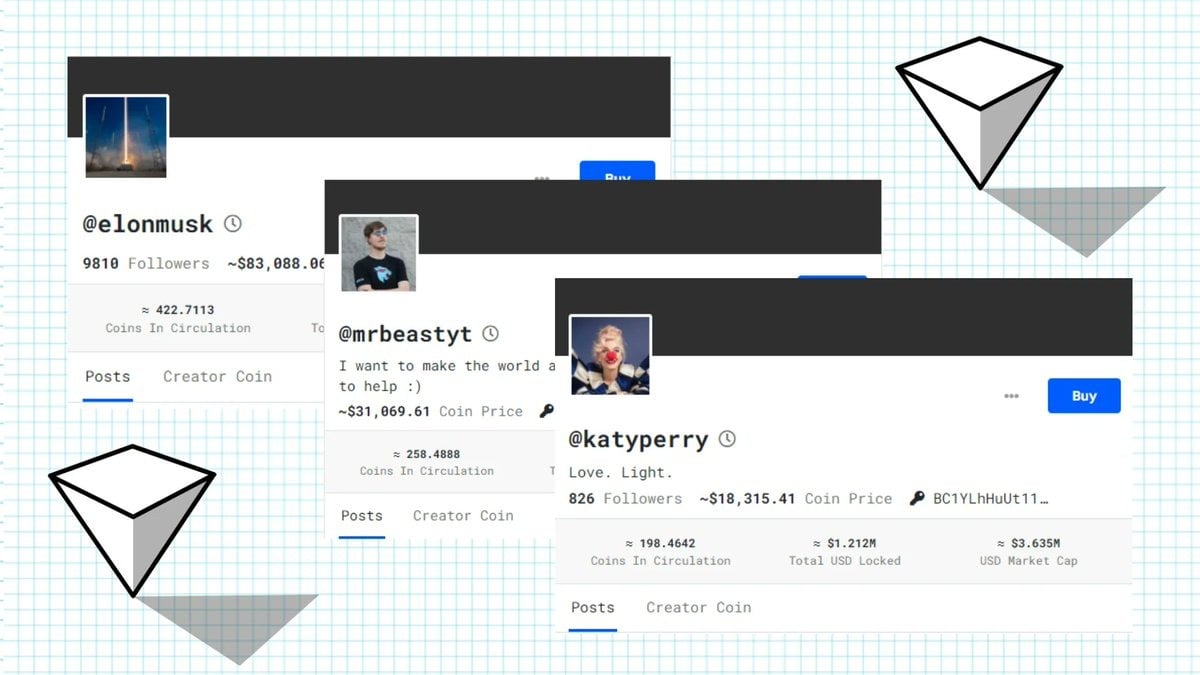
This is the most well-known track on the list. Products like Friend.tech, Rally, Roll, and BitClout constitute the "graveyard of projects" in the creator economy and SocialFi era.
The underlying approach has always been largely the same: to create corresponding trading markets for everyone. Sometimes the form is creator tokens, sometimes it's access passes, and sometimes it employs bonding curve pricing, but no product has been able to sustain over the long term.
In reality, people trade meme coins tied to individuals, bet on politicians' movements, buy athlete trading cards, and trade stocks based on founders. Thus, while the direction of "people as an asset" may not be wrong, the past implementation methods have had flaws.
Traders and fans may want to establish trading markets around individuals, but do creators themselves want to be treated as trading assets? If creators are reluctant, can a trading market be built around people without commodifying them?
The next phenomenal crypto consumption application will not be born in the crowded tracks everyone is currently developing. It will emerge from an idea that failed five years ago but now finally has the necessary infrastructure and timing for success.
免责声明:本文章仅代表作者个人观点,不代表本平台的立场和观点。本文章仅供信息分享,不构成对任何人的任何投资建议。用户与作者之间的任何争议,与本平台无关。如网页中刊载的文章或图片涉及侵权,请提供相关的权利证明和身份证明发送邮件到support@aicoin.com,本平台相关工作人员将会进行核查。


