


财经悟空|May 11, 2026 00:51
The curse of the Federal Reserve changing its leadership
In the nearly century long history of the Federal Reserve's monetary policy, the "curse of changing leaders" is not groundless. According to historical modeling analysis by institutions such as Barclays, since 1930, the S&P 500 index typically experiences an average significant pullback of 16% within six months of a new chairman taking office. This kind of fluctuation is essentially a "stress test" of the global capital market on the policy boundaries, communication style, and anti inflation determination of the new leader.
Market Records of Previous Presidents in Their Early Years of Office
Paul Volcker (inaugurated in August 1979)
Within the first three months of taking office, the S&P 500 index experienced a maximum drawdown of approximately
10.2%. Volcker demonstrated an extreme "iron fisted" style upon taking office, using violent interest rate hikes and controlling the money supply to combat hyperinflation, and the market suffered a severe baptism in the short-term liquidity depletion.
Alan Greenspan (inaugurated in August 1987)
Within two months of taking office, the market experienced an epic 33.5% crash. Less than two months after taking over, Greenspan experienced the 1987 "Black Monday", which became the most severe confidence test faced by new chairmen in history.
Ben Bernanke (inaugurated in February 2006)
Within four months of taking office, the index retreated by approximately 12.0%. At that time, the market had a misunderstanding of Bernanke's "inflation targeting system" and was concerned that the Federal Reserve would still excessively raise interest rates against the backdrop of an economic slowdown, which triggered a severe expectation correction.
Janet Yellen (inaugurated in February 2014)
Within 8 months of taking office, the drawdown rate was approximately 7.4%. Yellen's transition was relatively smooth, but with the official exit of quantitative easing (QE) policy, the market still experienced significant fluctuations in October of that year due to the tail effect of "tapering panic".
Jerome Powell (inaugurated in February 2018)
Within the first 10 months of taking office, the S&P 500 index experienced a maximum drawdown of
19.8%. Powell's tough tapering remarks in the early stages of his tenure led to an accelerated tightening of liquidity, ultimately triggering a deep correction close to a technical bear market in the fourth quarter of 2018.
This phenomenon of "changing commanders and withdrawing" mainly stems from two logics: firstly, the cost of establishing credit, and the new chairman often needs to adopt an early tough stance
(Hawkish Tilt) Establishing credibility in combating inflation; Secondly, the expected reshaping friction requires time for the market to digest the unique communication language of the new leader.
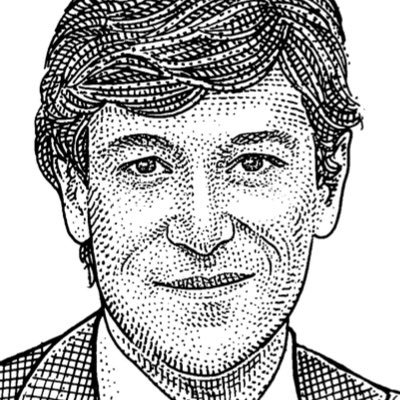
With Kevin Warsh expected to officially take over in mid May 2026, historical data suggests that investors may repeat this "first down, then up" volatility pattern in the next six months, given his hawkish policy stance on the balance sheet. While maintaining a long-term market bottom position, we need to be highly vigilant about the short-term impact of liquidity repricing.
Risk Warning: Historical performance does not represent the future. This report is for professional exchange only and does not constitute specific investment advice. Federal Reserve changes coach Kevin Powell


 +4
+4Share To
Timeline
HotFlash
APP
X
Telegram
CopyLink