


qinbafrank|2月 08, 2026 06:41
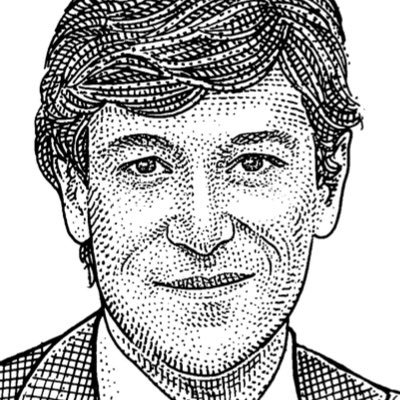
Why is Walsh silent? Since he was nominated by Trump as the new chairman of the Federal Reserve on January 30, Walsh has kept a relatively low profile, almost no public appearances or media interviews. This is in stark contrast to the tradition of nominating Federal Reserve Chair candidates in the past few decades - typically, after the nomination is announced, the candidate will quickly make a joint appearance with the White House, give an interview, or at least make a brief statement to showcase their qualifications and express gratitude for their support. He didn't speak, so everyone used his past speech views as a deduction for future policy proposals. They were very nervous about his "interest rate cut+balance sheet reduction" proposal, which was also a secondary factor in recent adjustments. Why is there silence? Please share your personal understanding:
1. This is also one of her past propositions
For many years, Walsh has repeatedly criticized Fed officials for speaking too much, believing that excessive communication can disrupt market expectations, amplify volatility, and involve the central bank in unnecessary political or public debates. He advocates that the Federal Reserve should "speak less and act more" and operate more quietly.
His silence may be the first manifestation of his "New Federal Reserve Era" signal: intentionally reducing "Fed speak" and practicing his vision for central bank reform from the nomination stage. This is considered intentional rather than passive avoidance. This is also one of the changes I mentioned in my previous repost of the tweet "Possible Policy Rhythm and Path of Walsh", which is to reduce the communication style of the Federal Reserve in the past.
2. The nomination process is highly politicized and obstructed:
The nomination of Walsh has not yet been formally submitted to the Senate (or at least a hearing has not been arranged), and the process has been stalled due to Powell's criminal investigation (involving Fed renovations or other allegations) and obstruction by some Republican senators (such as Thom Tillis). The Democratic Party demands a postponement of any deliberations until the investigation is concluded; Tillis has made it clear that it will not allow the nomination to proceed until the investigation is thoroughly resolved (which could result in a draw for the banking committee). Previously, here was https://((x.com))/qinbank/status/2010910644380581969? S=46&t=k6rimWSEbo2D2TXolYcM-A has been discussed in detail.
Under this sensitive background, the risk of Walsh's public speech is very high - it may be interpreted as intervention in the investigation, bias towards Trump, or giving more attack points to the opposition (such as questioning the independence of the Federal Reserve). Keeping silent can help avoid further politicization and wait for a breakthrough in White House/Senate negotiations.
3. Maybe Trump did it intentionally
Trump only announced the nomination on social media and did not arrange a joint press conference. When Powell was nominated in February 2018, a White House press conference was specifically organized and they met with the media together.
This time Trump estimated that under the circumstances of great controversy and Powell's criminal investigation, low-key is the best choice.
4. When will he make a public statement?
Judging from the current situation, it's probably time for Walsh's speech to receive a Senate hearing. And the timing of the hearing depends on how Powell's criminal investigation ends, as we discussed here before https://(((x.com)))/qinbafrank/status/2010910644380581969? S=46&t=k6rimWSEbo2D2TXolYcM-A is highly likely to end hastily.
If the hearing is initiated, he will publicly testify before the Senate Banking Committee, where he will elaborate on his views, as well as possible policy rhythms and paths.
5. How do you view Walsh's policy proposals?
Or is this tweet about the possible policy pace and path in Walsh this Monday https://((x.com))/qinbafrank/status/2018129305956729032? S=46&t=k6rimWs Ebo2D2TXolYcM-A talked about:
What can be done is much more important than what one wants to do;
The pace of policies has a greater impact on the market than policy proposals;
The direction in which the system will slowly move in the coming years determines the pricing of long-term assets.
Bitget buys US stocks: instant entry, silky trading http://(bitget. com)/markets/stocks


 +5
+5Share To
Timeline
HotFlash
APP
X
Telegram
CopyLink