Your RWA product, why is it only known in the crypto circle?
Written by: Zeus
Translated by: Chopper, Foresight News
I've been in the RWA (Real World Asset) tokenization space for several years, and one thing I've noticed repeatedly is that this industry has no shortage of good products. Many teams are creating products backed by real assets and addressing real problems, yet hardly anyone outside the crypto circle knows they exist. I believe this is largely a marketing issue.
Promoting an RWA product is completely different from promoting an L1, an AI token, or the latest trending meme coin. You are dealing with real assets and real money, and most importantly, the trust of people. So you can't just rely on exaggerating numbers and promising outrageous returns, then expect everyone to rush in. You need to educate users, clearly articulate the value, and give them a reason to care about it.
If you were to ask me to create an RWA product from scratch today, here's how I would do it.
First explain why, don't start with technology
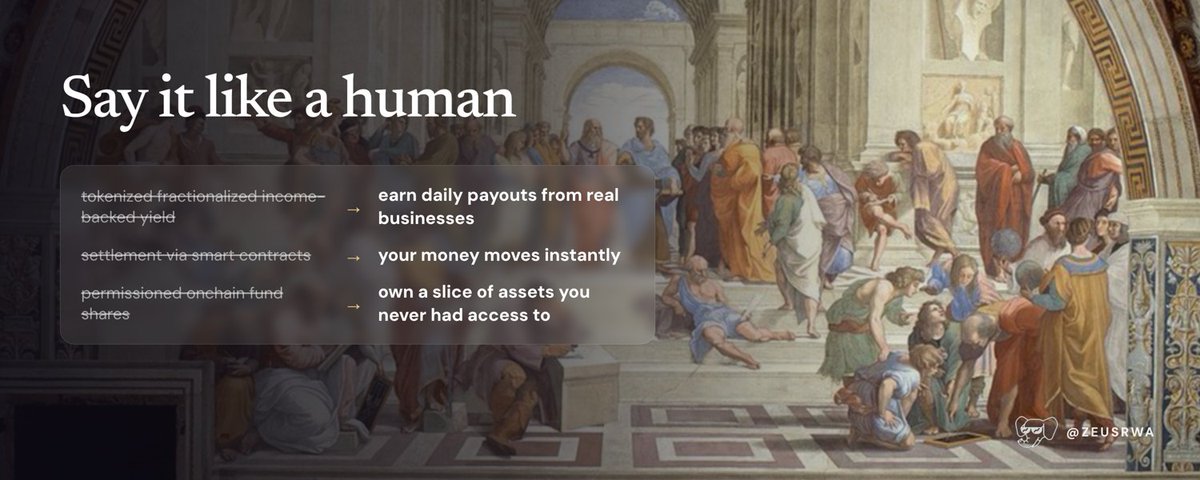
This is probably the biggest issue I've seen. Teams are busy explaining what they have "built," but forget to say "why should others care about this." It’s everywhere: piling up technical jargon, lengthy complex descriptions sound impressive in the crypto circle, but mean nothing to ordinary people.
I understand that founders want to show how clever and unique their product is. But you don't need to convince others that you are smart; you need to convince them that your product is worth using.
So keep it simple: what does it do, who does it help, what problem does it solve, and why should others use it instead of continuing with what they have now?
No one wakes up in the morning thinking, "I need a tokenized income stream" or "I need blockchain-based settlement." They think: earn a bit more money, access better investment products, and gain more control over what they hold.
Clearly explain the benefits of "on-chain"
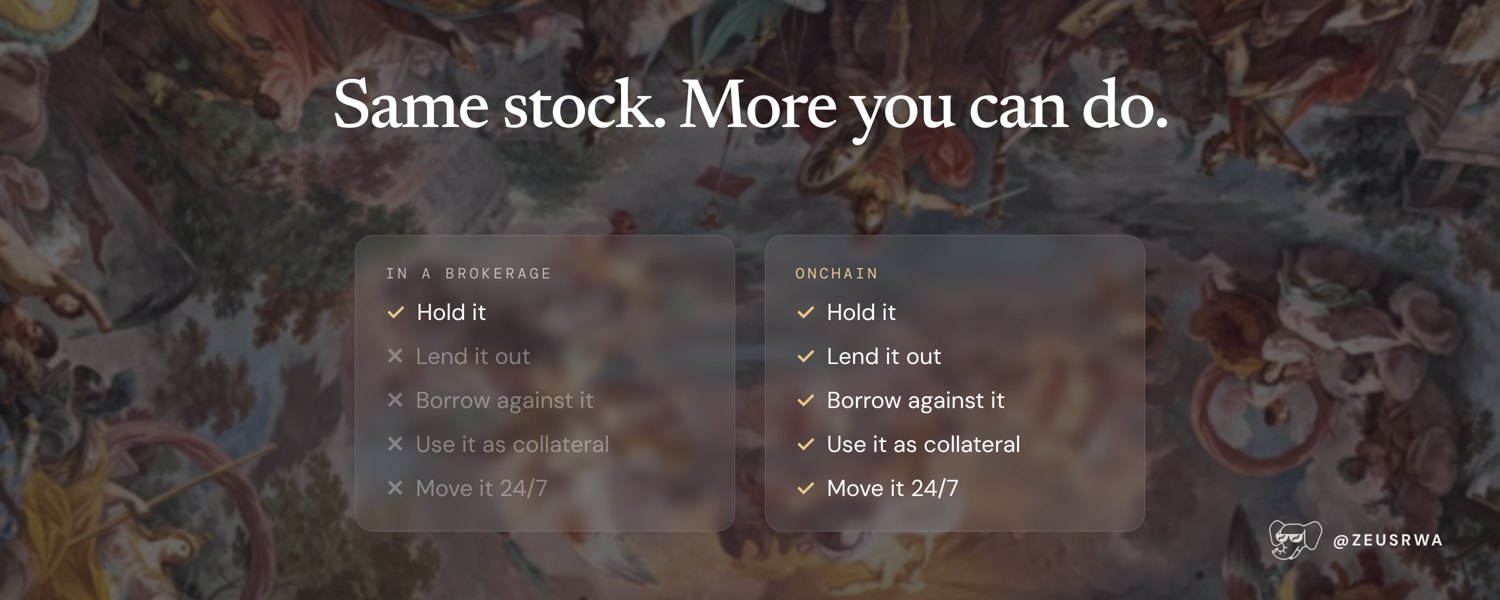
I often say this: anything going on-chain ultimately has to return to "why."
Why don't your relatives buy regular stocks directly from a broker, but instead opt for tokenized stocks? What are they gaining? Maybe they can access markets they couldn't before; perhaps the stocks can serve as collateral, can be lent out, be used for borrowing money, or transferred between different applications. This is the conversation you should be having—technology is just the underlying pipe; what people care about are the benefits.
An asset shouldn't go on-chain just for the sake of going on-chain. It must have a reason: better, easier access, more useful, or cheaper. If there isn't a reason, you should ask yourself why you are doing this.
Promote problems, not solutions
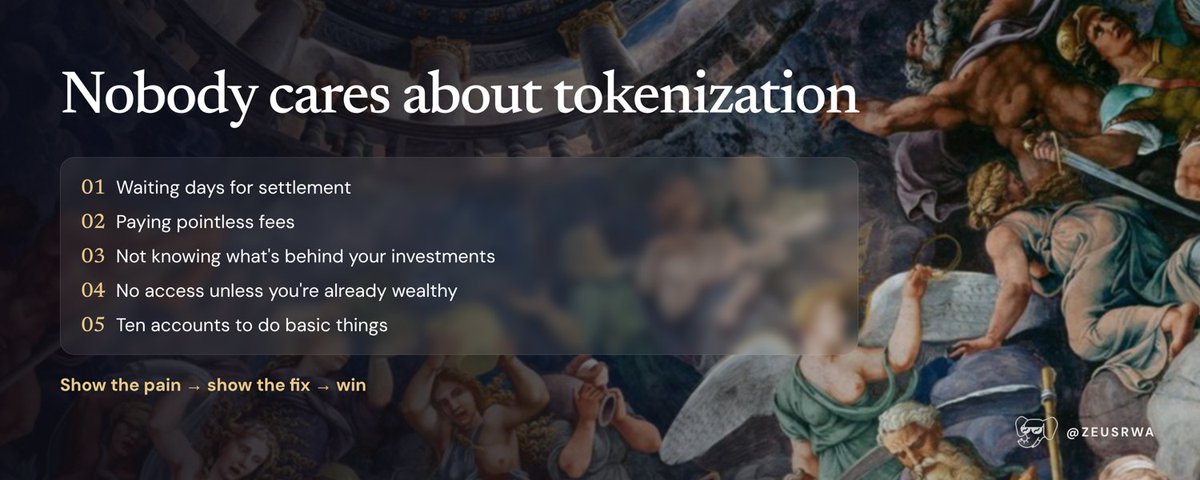
Most people don’t care about tokenization at all. To be honest, many couldn’t even explain what the term means, and that’s perfectly normal.
What they understand are the troubles they face with money and investments: being unable to buy certain assets, high fees, slow settlements, markets closing, cumbersome account opening processes, and having to switch between five apps to manage their money. These are relatable issues, and your job is to connect these problems with your product.
Don't start with "how my blockchain operates." Begin with "why this issue matters," and you’ll go much further.
Don't market only to crypto Twitter
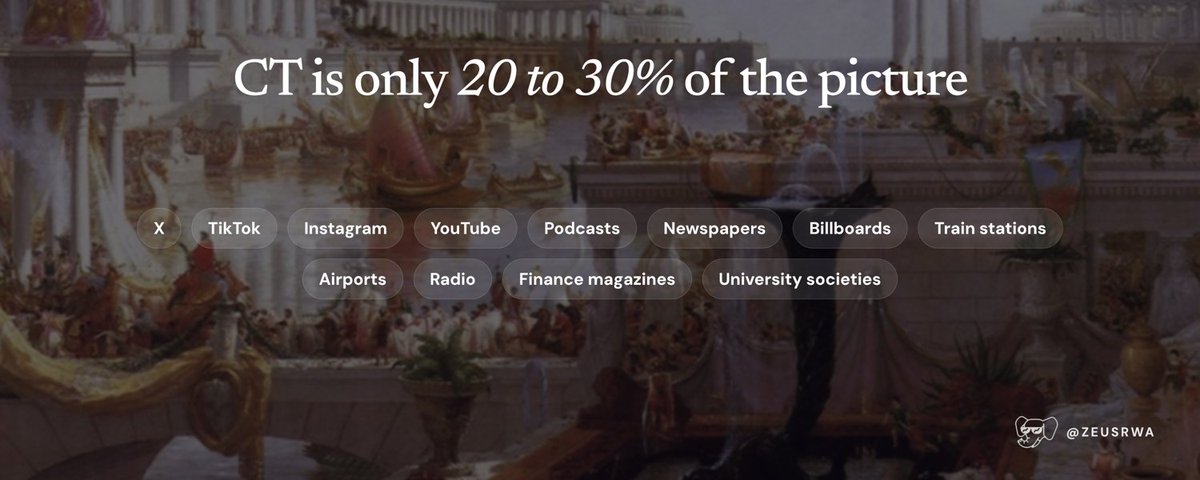
Crypto Twitter is great; many of our communities are built there, founders meet there, new products are discovered there, and industry support is found there. But to be honest, it's a very small bubble. You can post product updates all day and get thousands of impressions, but hardly reach anyone who could become a long-term user.
The real opportunity lies outside the crypto circle: those who are already using Revolut, buying ETFs, investing in stocks, looking at personal finance content, or figuring out how to make their money work for them. They already understand investing; they just don’t know why "putting part of it on-chain" might be better—that's your audience.
So go to where they are: YouTube, Instagram, TikTok, finance podcasts, traditional media, and creators who are already talking about investments, real estate, personal finance, and wealth accumulation. You don't need to convert everyone into crypto fans; you just need to help them understand why your product makes sense.
Collaborate with those who already have distribution channels
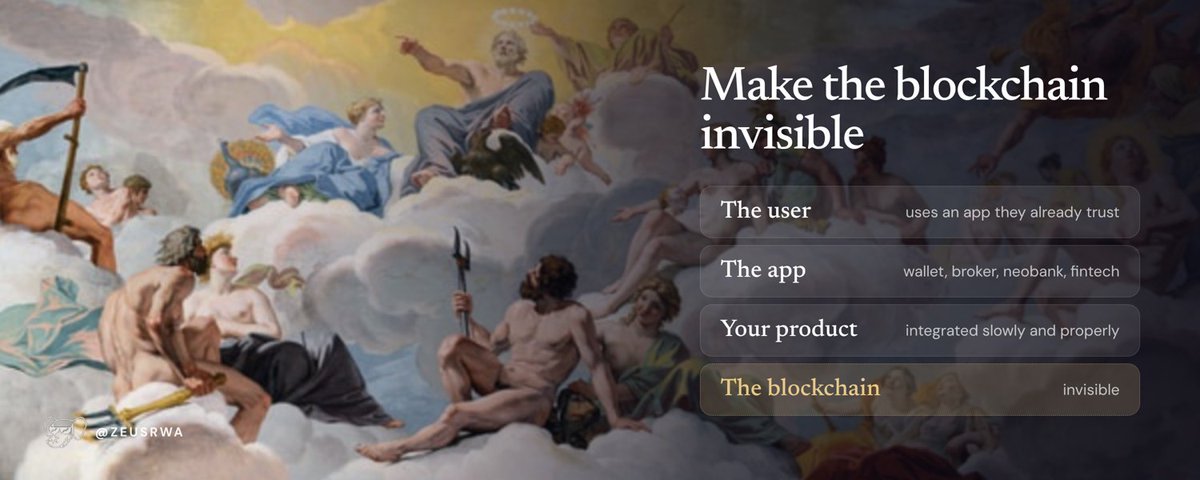
One thing that is often overlooked: you don't need to acquire every user from scratch. There are already fintech apps, digital banks, brokers, wallets, and financial platforms out there that have millions of users. Why not collaborate with them?
Instead of making others download another app, open another wallet, and learn an entire new world, let your product appear where they are already spending time. Distribution channels are extremely important.
The ultimate goal should be this: a user opens an app they already trust, buys an asset, uses a financial product, and doesn’t even think about the blockchain behind it. Nobody needs to understand the principles of the internet to send an email; I believe finance should ultimately feel the same way.
Put education at the core of your content
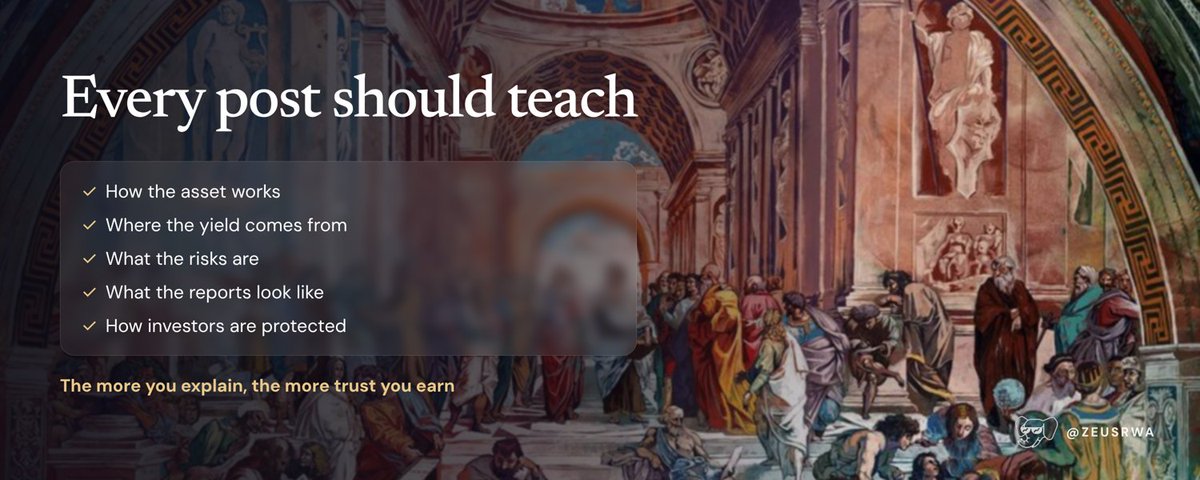
I probably have the most authority on this part. At RWA Foundation, we publish hundreds of content pieces weekly, covering companies, assets, products, and industry developments, and I keep noticing: people want to understand, not just see another post with an APY or a TVL number.
Be clear: where does the yield come from, what are the underlying assets, how does the structure work, what are the risks, what rights do holders have, and what happens if something goes wrong. Lay out the credentials for people to see.
Don’t hide negative information, and don’t pretend every product is perfect. You are marketing real financial assets, so you must be as transparent about risks as you are about the potential for growth. Because trust is not built by a viral post; it’s built through consistent appearances, ongoing education, and honesty about what is being offered, piece by piece. This takes time.
Connect marketing to real life
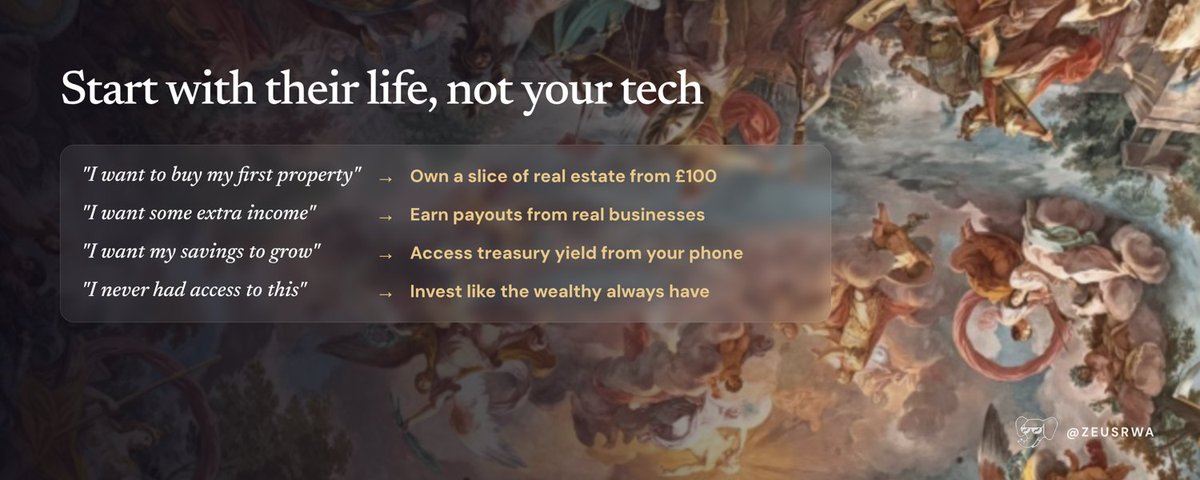
Most people are not sitting around thinking, "Should I allocate some tokenized real-world assets?" What they're thinking about is: buying their first home, earning a bit more side income, growing their savings, or investing in something they previously couldn’t afford. Your marketing should start from here.
Provide understandable examples: show how a person can use this product, walk through real scenarios, and explain how it’s better than the current method. Don’t just tell others, "Your product is the next big hit," make them see where it fits into their lives.
Also, please don’t assume everyone understands the terms we use in the crypto circle every day. They don’t, and they don’t need to.
Build trust before discussing marketing
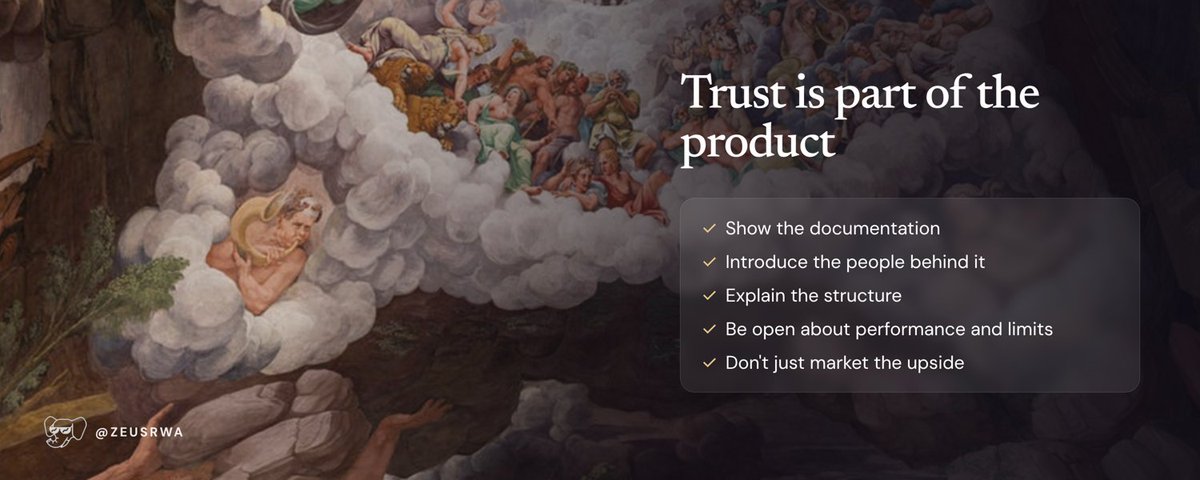
This is especially important in RWA. You are asking people to put money into a product tied to real-world assets, legal structures, issuers, and sometimes third-party custodians; this is a responsibility of another magnitude.
Users need to understand: what they are buying, what supports it, who is responsible, what rights they have, and what risks they face. So present the documentation, introduce the people behind the product, explain the structure, and be honest about performance and any limitations.
Don’t just market the upside potential. A product can offer the highest APY in the world, but if nobody can figure out where the yield comes from or whether the structure is trustworthy, it’s hard to build something sustainable. Trust is a part of the product.
Remember, we are still early
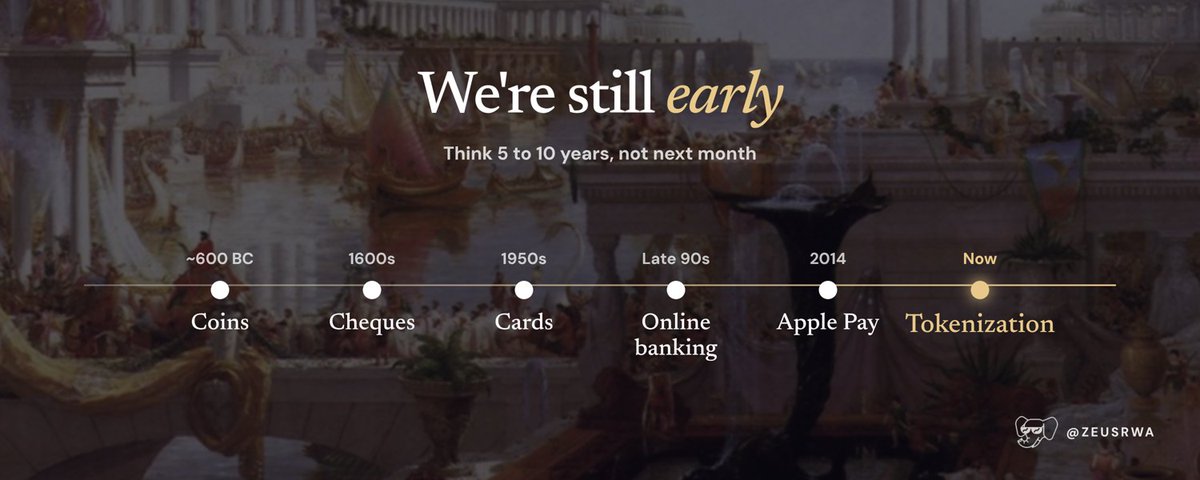
I will keep repeating this like a broken record: we are still very early. It’s easy for people to get caught up in this week's numbers or next month’s releases, but sometimes you have to take a step back and think about where we will be in 5 to 10 years, not just where we are today. This is a generational transformation and also a generational opportunity.
Look at how long currency itself has evolved. Coins have existed for over 2500 years, checks appeared in the 1600s, credit cards didn’t emerge until the 1950s, online banking didn’t really take off until the late ‘90s, and Apple Pay only launched in 2014. At the time, each of these changes felt slow, and now they have all become commonplace.
Tokenization is the next step in this storyline. It won’t happen overnight, and that’s okay. Teams that build, educate, and continually appear even when it seems slow will be the ones still present when it becomes the norm.
Conclusion
I truly believe that one of the biggest opportunities in this industry lies in how we talk about what we are building. There are plenty of good products out there, but if we continue to communicate using language that only insiders understand, don’t expect the outside world to pick up on it.
So keep it simple: clearly explain why, showcase the benefits, be honest about risks, make it relatable to life, continuously educate, and bring the product to the people who are likely to use it.
And remember: you are not trying to make everyone fall in love with blockchain; you are giving them a reason to use a better financial product.
免责声明:本文章仅代表作者个人观点,不代表本平台的立场和观点。本文章仅供信息分享,不构成对任何人的任何投资建议。用户与作者之间的任何争议,与本平台无关。如网页中刊载的文章或图片涉及侵权,请提供相关的权利证明和身份证明发送邮件到[email protected],本平台相关工作人员将会进行核查。