On November 24, the South Korean Financial Services Commission announced the draft of the "Digital Asset Industry Innovation and User Protection Act," which plans to allow consortiums with majority shares held by local banks to issue won-pegged stablecoins, while also exploring easing the ICO fundraising ban that has lasted for nine years. The draft also addresses the shareholder limits for trading platforms (generally no more than 20%, with approval up to 34%), the requirements for token issuance whitepapers, and information disclosure. Issuers must meet conditions such as minimum capital and 100% reserves; the draft still requires approval from the National Assembly.
In the past discussions about stablecoins, the focus often fell on which one had a larger market capitalization, USDT or USDC. Once banks begin to participate, the logic of competition may change: the first stage will be who can obtain issuance permits, the second stage will be who can attract users and merchants, and only in the third stage will it be about who can enter cross-border payments, corporate settlements, and financial institution fund circulation. The core competitiveness of future stablecoins may not solely be about the amount of reserve assets, but whether they can become a true payment infrastructure.
Bank-issued stablecoins may not directly replace USDT
The issuance of stablecoins by banks does not mean that USDT will be completely replaced. Banks have advantages in compliant issuance and local payments, leveraging existing bank account systems and regulatory frameworks to serve domestic merchants and corporate settlements. However, crypto-native stablecoins have already established exchange liquidity, cross-border transfer networks, and a global user base. The two are more likely to form a division of labor: bank-issued stablecoins will focus on local compliant payments and settlements, while crypto stablecoins will continue to handle cross-border transfers, trade hedging, and global liquidity functions.
For ordinary users, the usage scenarios, liquidity, and trading depth of different stablecoins vary. The coverage and depth of USDT in spot trading pairs determine its actual usability in trading scenarios; bank-issued stablecoins are more likely to play a role in local payments and compliant capital circulation. Understanding these differences is more important than simply comparing market capitalizations. The South Korean draft also mentions that if offshore stablecoins like USDT want to circulate locally, they may need to meet conditions such as establishing branches and registering, and actual implementation will still depend on final legislation and execution details.
For users interested in stablecoin trading
HTX is the platform following the Huobi brand upgrade, currently offering various stablecoin trading pairs, including USDT, as well as a spot market. For users who wish to observe or participate in stablecoin-related trading, it is advisable to first understand the trading depth, available trading pairs, and fee rules of different stablecoins on the platform. After registering and completing identity verification, users can view specific trading situations in the spot market. Available features may vary for users in different regions, and the actual experience will be subject to the platform's latest rules.
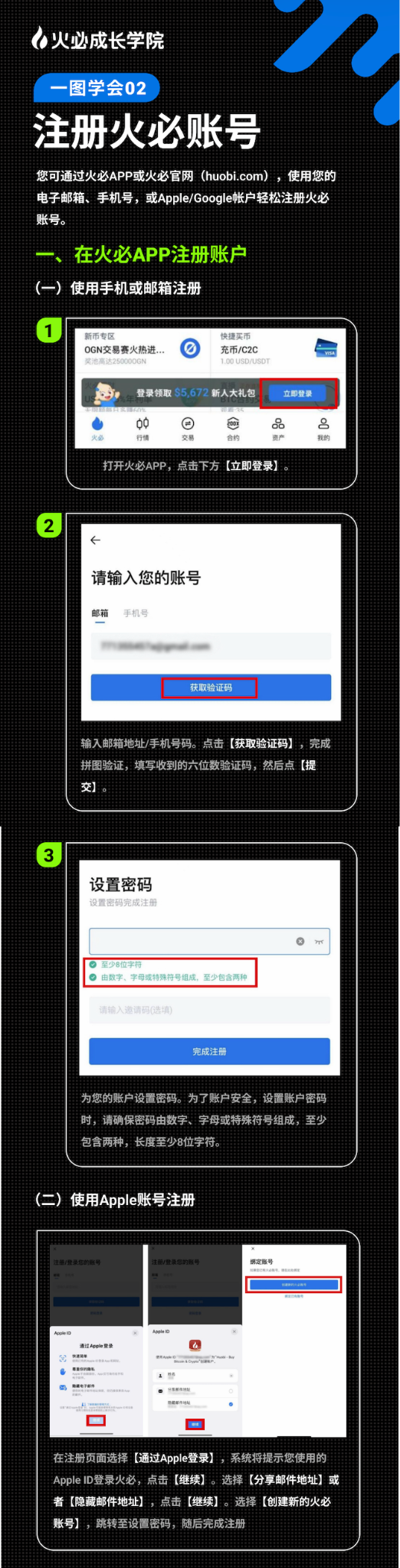
Interested users can follow the steps below to register for an HTX account and decide whether to participate after reviewing the currently opened stablecoin trading pairs. Price anchoring, reserve transparency, regulatory requirements, and liquidity of stablecoins will all affect the actual usage experience. Bank-issued stablecoins and crypto stablecoins may coexist and are not necessarily in a substitutive relationship.
This article is for market observation only and does not constitute any investment advice. Please assess risks based on your situation before making decisions.
免责声明:本文章仅代表作者个人观点,不代表本平台的立场和观点。本文章仅供信息分享,不构成对任何人的任何投资建议。用户与作者之间的任何争议,与本平台无关。如网页中刊载的文章或图片涉及侵权,请提供相关的权利证明和身份证明发送邮件到[email protected],本平台相关工作人员将会进行核查。