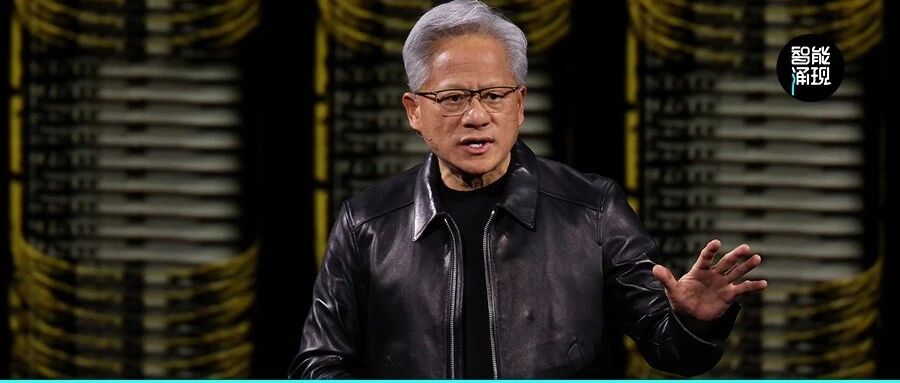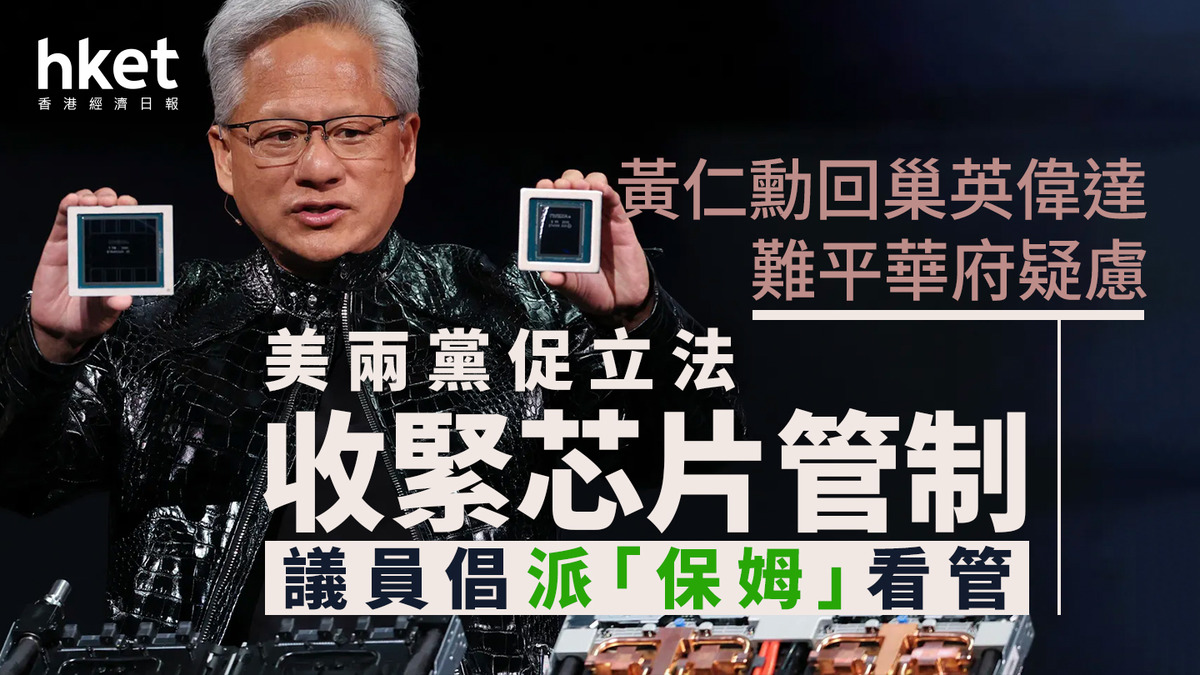
NVIDIA (NVDA) co-founder Jensen Huang received support from U.S. President Trump and resumed his position at the company on Monday (23rd), but he failed to assuage the national security concerns of Washington. According to foreign media reports, on Tuesday (24th), bipartisan members of the U.S. Congress continued to pressure NVIDIA and Jensen Huang, with Senate Democratic leader Chuck Schumer accusing Huang of violating U.S. export control laws, urging Congress to legislate quickly to tighten chip export restrictions to China; some Republican lawmakers also called for increased oversight, even suggesting that a “babysitter” might need to be arranged to closely monitor Huang.
Schumer condemns it as selling rocket engines to the Soviet Union; Republican lawmakers advocate for a "babysitter."
On Tuesday, Schumer posted on social media platform X, accusing Huang of exporting "extremely advanced chips" to China, allegedly violating U.S. laws that restrict advanced technology exports to China, and likened the behavior to "selling rocket engines to the Soviet Union during the space race," believing that such actions threaten U.S. national security. These accusations are currently only claims made by lawmakers and have not been confirmed by U.S. judicial or regulatory bodies as violations by Huang or NVIDIA.
Republican concerns about Huang's return have also not dissipated. Kevin Cramer, a member of the Senate Banking Committee and Republican Senator from North Dakota, stated in an interview with foreign media on Tuesday that stricter preventative measures must be established, even bluntly suggesting: "We may need to arrange a 'babysitter' for Huang... if he really cannot leave the facility, then there should probably be someone next to him on both sides to ensure he does not do anything that could jeopardize the United States."
Cramer added that he could accept the president's decision, but NVIDIA's board must take full responsibility for all reputation and security risks; any decisions made that could result in national security consequences ultimately have to be borne by the United States.
Trump claims to have facilitated the reinstatement; many Republican lawmakers are skeptical.
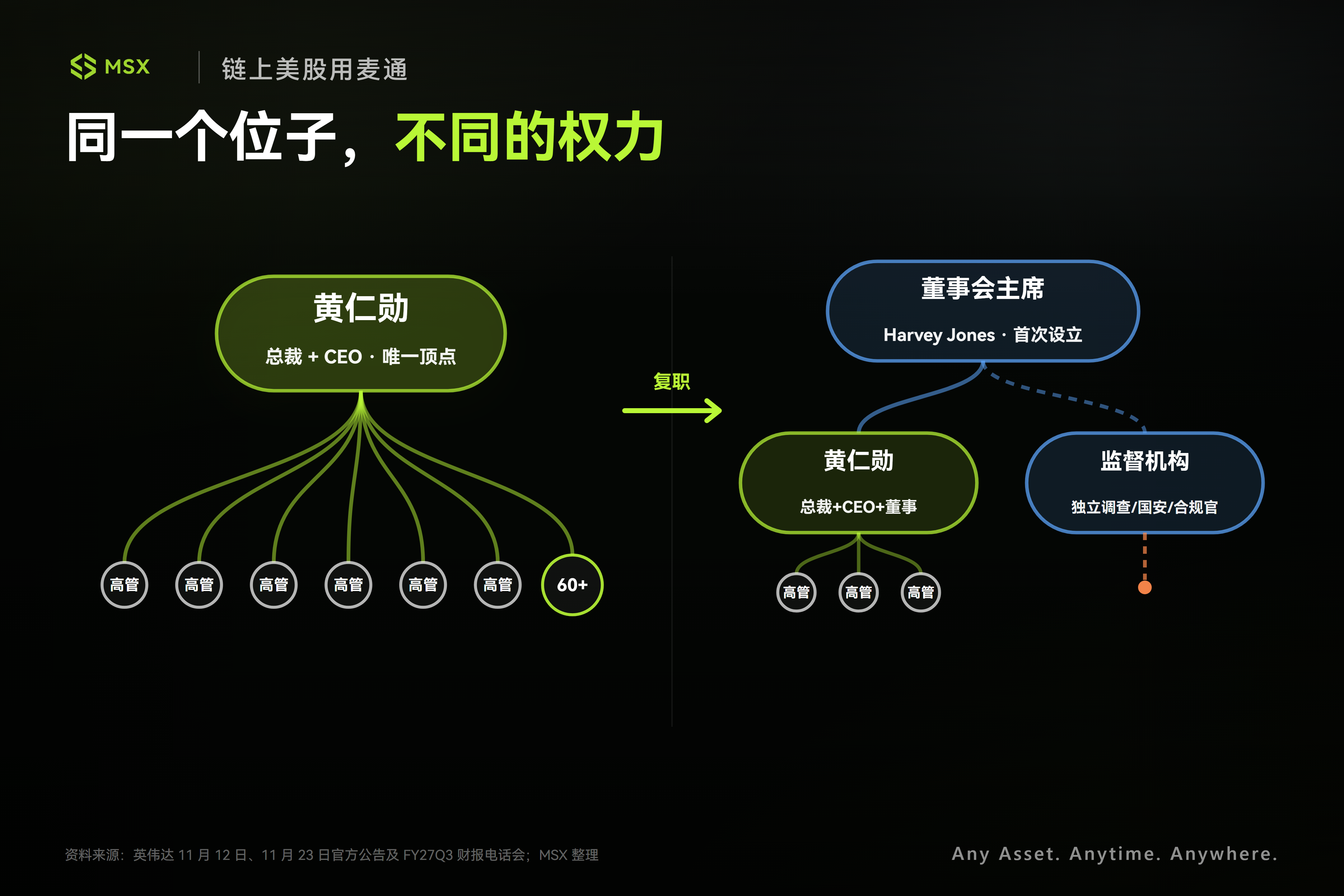
Huang resumed his roles as president, CEO, and director of NVIDIA on Monday, just 11 days after his resignation on November 12. Trump, in an interview with CNBC the same day, loudly claimed that he had pressured NVIDIA's board and "made the deal," believing that the board would not have made this decision without his intervention. Trump had earlier also defended Huang, stating that a "thorough investigation" showed he "did nothing wrong."
However, many Republican lawmakers did not back down because of Trump's endorsement:
Republican Congressman Pat Harrigan criticized Huang's reinstatement at this time as setting a "dangerous precedent," suggesting that allowing one individual's economic influence to override good corporate governance and legal compliance sends a troubling signal.
Republican Senator Pete Ricketts expressed that Huang's actions were insufficient to justify his reinstatement, and regaining control of the company does not exempt him from the responsibility to explain himself to Congress.
Republican Senator John Curtis called for clarification on which government official provided advice to the board and on what basis the board determined that Huang's return does not pose a national security risk.
Huang to testify before Congress in early December; both parties rush to legislate before year-end.
This controversy stemmed from a New York Times report in late October, which indicated that U.S. authorities discovered that Alice Huang, a former director of the Singapore data center operator Megaspeed and a Chinese business figure, illegally smuggled advanced artificial intelligence (AI) chips to China during a "close relationship" with Jensen Huang. Megaspeed previously stated that Alice Huang exited the company on August 30, 2025, and currently holds no position at the company. NVIDIA’s board stated that after consulting with senior U.S. government officials, they determined that Huang's return does not pose a national security risk, and an independent investigation led by former U.S. Acting Attorney Joon H. Kim and the law firm Wachtell, Lipton, Rosen & Katz will continue. The board also announced the establishment of a new "National Security and Export Control Committee," composed of entirely independent directors, and a Chief Compliance Officer position is currently being recruited.
Congressional investigations are also scheduled to begin. Jensen Huang is set to appear on December 1 before the House Intelligence Committee, the Foreign Affairs Committee, and the Special Committee on U.S.-China Strategic Competition for a closed-door interview; NVIDIA's General Counsel Tim Teter will attend the related closed-door questioning on December 2. Huang is also scheduled to appear on December 3 before the Senate Banking Committee at a public hearing titled "Protecting America's AI Edge: Oversight of U.S. Export Controls."
Members from both parties are currently working to pass a series of export control bills before the end of the year. Schumer has also indicated that if the Democrats regain control of the relevant congressional committees next year, they will use their investigative authority to probe any potential misconduct involving the Trump administration, Jensen Huang, and NVIDIA executives. Regarding the aforementioned accusations and controversies, neither NVIDIA nor the White House has provided an immediate response to media inquiries.
This article is reproduced from the Hong Kong Economic Journal, with copyright belonging to the original author and original media.
免责声明:本文章仅代表作者个人观点,不代表本平台的立场和观点。本文章仅供信息分享,不构成对任何人的任何投资建议。用户与作者之间的任何争议,与本平台无关。如网页中刊载的文章或图片涉及侵权,请提供相关的权利证明和身份证明发送邮件到[email protected],本平台相关工作人员将会进行核查。