In October 2026, Money in Motion arrived in Las Vegas and attended Money20/20 USA, completing a series of interviews with payment and financial infrastructure companies, and co-hosted The Pacific Table with partners, connecting industry builders from the Asia-Pacific and North America.
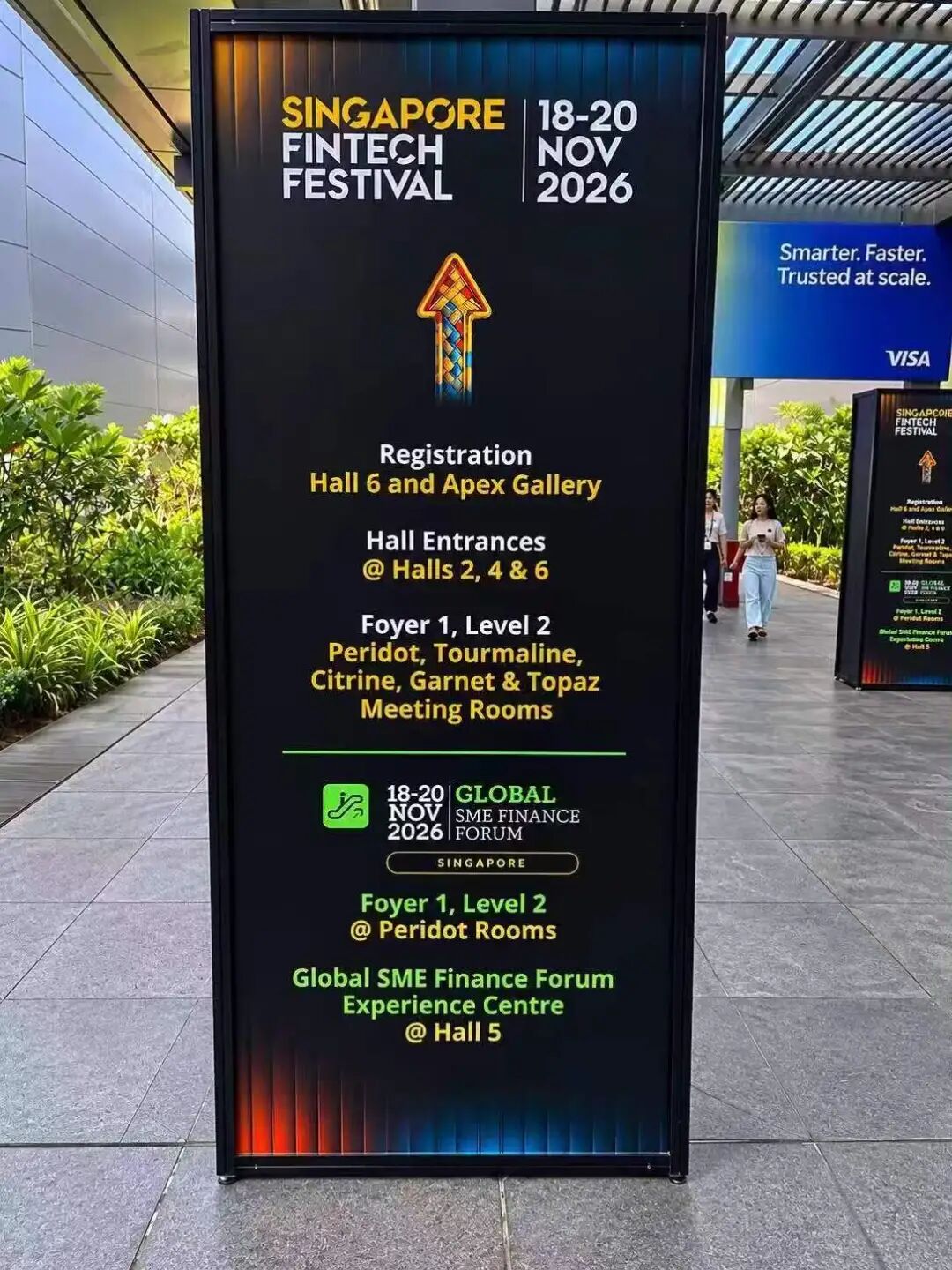
A month later, we joined the Singapore FinTech Festival (SFF), continued conducting on-site interviews, and also held two side events with our partners.
From Las Vegas to Singapore, we entered the venues with several questions. What role are Asia-Pacific companies playing in the global market when payment, stablecoin, and financial infrastructure companies gather? How do traditional payment networks connect with new on-chain tracks? What different futures do people at both ends of the Pacific see?
From Asia-Pacific Companies to Global Payment Infrastructure

Money20/20 USA is one of the most important offline gatherings in the global payment and fintech industry. Banks, payment companies, card organizations, stablecoin teams, tech service providers, and investment institutions gather, leading to many discussions that were previously scattered across different markets to happen in the same space.
At this year's Money20/20 USA, there was a clear visible force from payment and financial infrastructure companies from the Asia-Pacific.
From LianLian Global, PingPong, PhotonPay, Cregis and XTransfer, to StraitsX, Nium, Thunes, Aspire and Coins.ph from Singapore and Southeast Asia markets, and to Airwallex, which has established a global business layout, these companies brought their accumulated experiences from the Asia-Pacific market to the North American industry scene and participated in the next round of competition in global payment, stablecoin, and digital asset infrastructure from various directions.
Meanwhile, we also saw global payment and financial infrastructure teams like OpenFX, BVNK, Mesh, and Rain. Their positions vary. Some start from cross-border collections and corporate payments, some are building stablecoin settlement and liquidity infrastructure, some connect wallets, exchanges, card organizations, and global merchants, and others attempt to solve the problem of how digital assets can truly enter daily payments.
They all face the same change. Previously separate payment, banking, and digital asset systems are gradually connecting.
What Truly Enters the Production Environment
At Money20/20 USA, Money in Motion conducted face-to-face interviews with companies like Mesh, Rain, OpenFX, Nium, PhotonPay, and StraitsX.
Starting from new products and market plans, we traced the questions to the actual business.
How do stablecoins connect with bank accounts, local payments, and fiat settlements?
Why are companies beginning to simultaneously use traditional payment tracks and on-chain tracks?
How are liquidity, compliance, and localization issues resolved in cross-border payments?
How do digital assets move from "holding" to actual payments and fund management?
When AI Agents start participating in transactions, what capabilities are still lacking in the existing payment system?
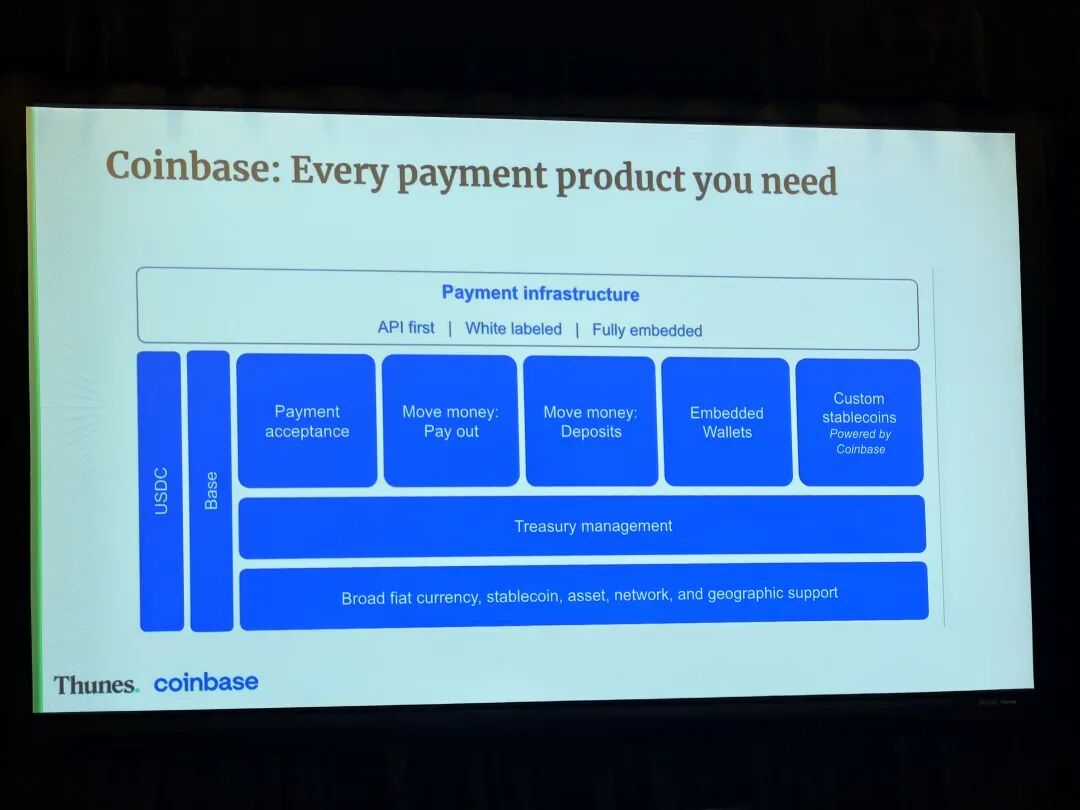
These interviews made one judgment increasingly clearer. In the next phase, stablecoins and fiat will appear simultaneously in more businesses. Companies need to know when to take which track and how a sum of money smoothly switches between two systems.
Crypto companies are connecting card organizations and local clearing networks, traditional payment companies are incorporating stablecoin capabilities, and card and account infrastructure are extending to wallets, fund management, and digital assets. The business boundaries of different companies are shifting.
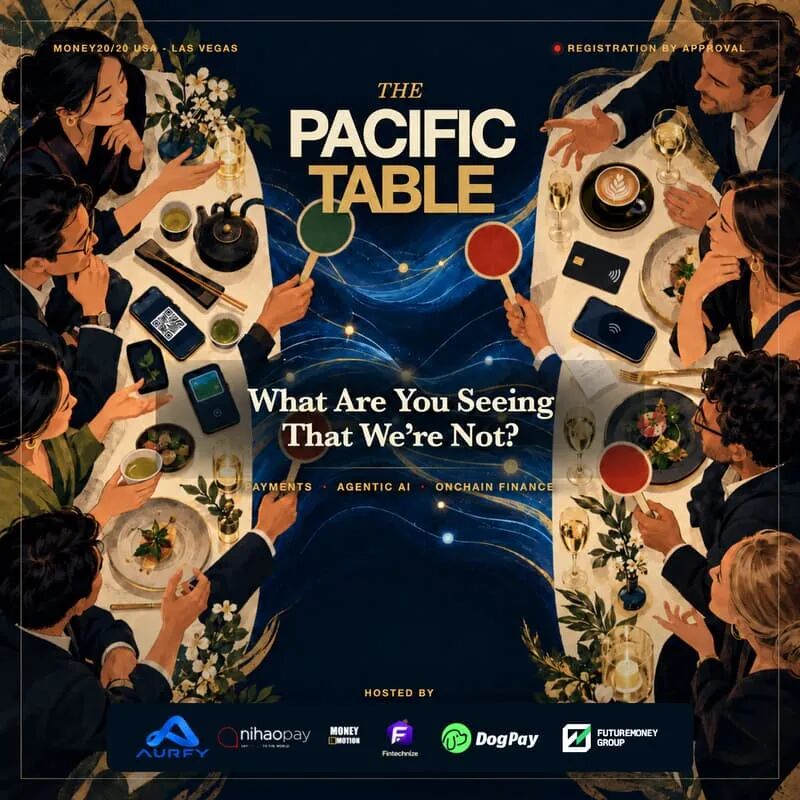
The Pacific Table | Bringing People from Both Ends of the Pacific to the Same Table
Outside the main venue, Money in Motion co-hosted The Pacific Table with AURFY, NihaoPay, Fintechnize, DogPay, and FutureMoney Group.
This was an invitation-only exchange event connecting industry builders from the Asia-Pacific and North America, focusing on Payments, Agentic AI, and Onchain Finance. We started with a simple question.
What Are You Seeing That We’re Not?
What do you see that we haven’t seen yet?
Entrepreneurs, payment practitioners, and industry builders from the Asia-Pacific and North America face different users, regulatory environments, and market rhythms. Even when discussing the same technology, the answers received on both ends could be completely different.
The Pacific Table brought these different answers to the same table. Which practices have been applied in real business? Which are still in early trials? Which are still in industry discussions? Clarifying the situation in their respective markets can lead to further discussion on what can be done together.
For Money in Motion, this event allowed experiences from the Asia-Pacific to enter global discussions, and enabled changes happening in North America to be understood more quickly and accurately by the Asia-Pacific market.
Singapore SFF | Interviewing During the Day and Continuing the Discussion at Night
At the Singapore FinTech Festival, we interviewed a dozen companies, including YiBao International, WIDTH, dtcpay, and PhotonPay, and visited several country and regional exhibition areas. In the same venue, we could see how companies handle cross-border payments, digital asset payments, and compliance, while also observing what issues different market teams brought to Singapore.
On the evening of November 18, Money in Motion and PhotonPay held After Dark with PhotonPay at Singapore’s SKAI Bar. Friends from banks, payments, and fintech gathered together to continue discussing topics which were not finished during the day in the venue.
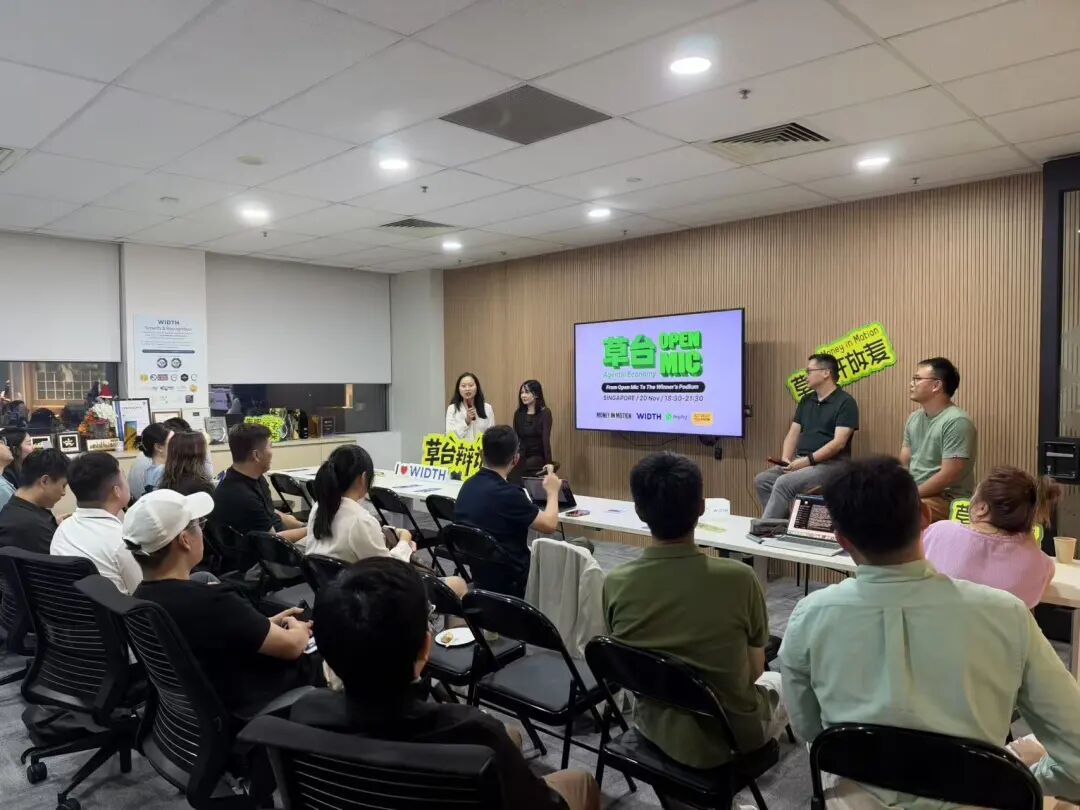
On November 20, we brought the Open Mic to Singapore, thanks to WIDTH and DogPay for their support for this stop. We first held a debate around AI × Payment, then handed the mic over to the audience. Some could discuss a product they are currently working on, share a pitfall they have encountered, or present a question they have yet to figure out. What couldn’t be finished in a few minutes on stage continued in the audience.
From Reporting on-site to Building Connections
Attending an industry conference, the easiest things to remember are booths, speeches, and company names. After completing these two stops, we wanted to document more specifically. What problems are these companies solving? How are their business boundaries changing? What practices that work in North America need to be adapted for the Asia-Pacific? What experiences accumulated in the Asia-Pacific market can bring to other markets?
This is also the reason for Money in Motion's journey from Las Vegas to Singapore. We hope to document how money is flowing through new tracks, who is building these tracks, and how Asia-Pacific companies are transitioning from regional markets to the center of global financial infrastructure.
Money in Motion is gradually publishing the on-site interviews from Money20/20 USA and will continue to share the content recorded in Singapore, tracking the progress of global payments, stablecoins, Agentic Payments, and Onchain Finance in real businesses.
免责声明:本文章仅代表作者个人观点,不代表本平台的立场和观点。本文章仅供信息分享,不构成对任何人的任何投资建议。用户与作者之间的任何争议,与本平台无关。如网页中刊载的文章或图片涉及侵权,请提供相关的权利证明和身份证明发送邮件到[email protected],本平台相关工作人员将会进行核查。