On the evening of November 23, the news of Jensen Huang returning to the CEO position of Nvidia stimulated the market, causing Nvidia's stock price to surge over 30%, and Bitcoin also saw a sharp increase. Within just a few minutes, the price repeatedly crossed integer thresholds. This kind of event once again raised a question: when traditional tech stocks and cryptocurrencies fluctuate violently at the same time, do investors have to switch back and forth between two completely separate accounts?
For a long time, U.S. stocks and cryptocurrencies have been almost two completely independent worlds. One opens accounts at traditional brokerages, subject to trading hours, capital inflows and outflows, and regulatory rules; the other trades on crypto exchanges, available 24/7, settled in USDT, with greater volatility. Many people focus only on U.S. stocks, keeping their distance from crypto exchanges, mainly because they feel "that's another world." The registration process, types of assets, and risks are all different. They worry about the compliance of crypto platforms and feel it's unnecessary to open an additional account just to trade Bitcoin.
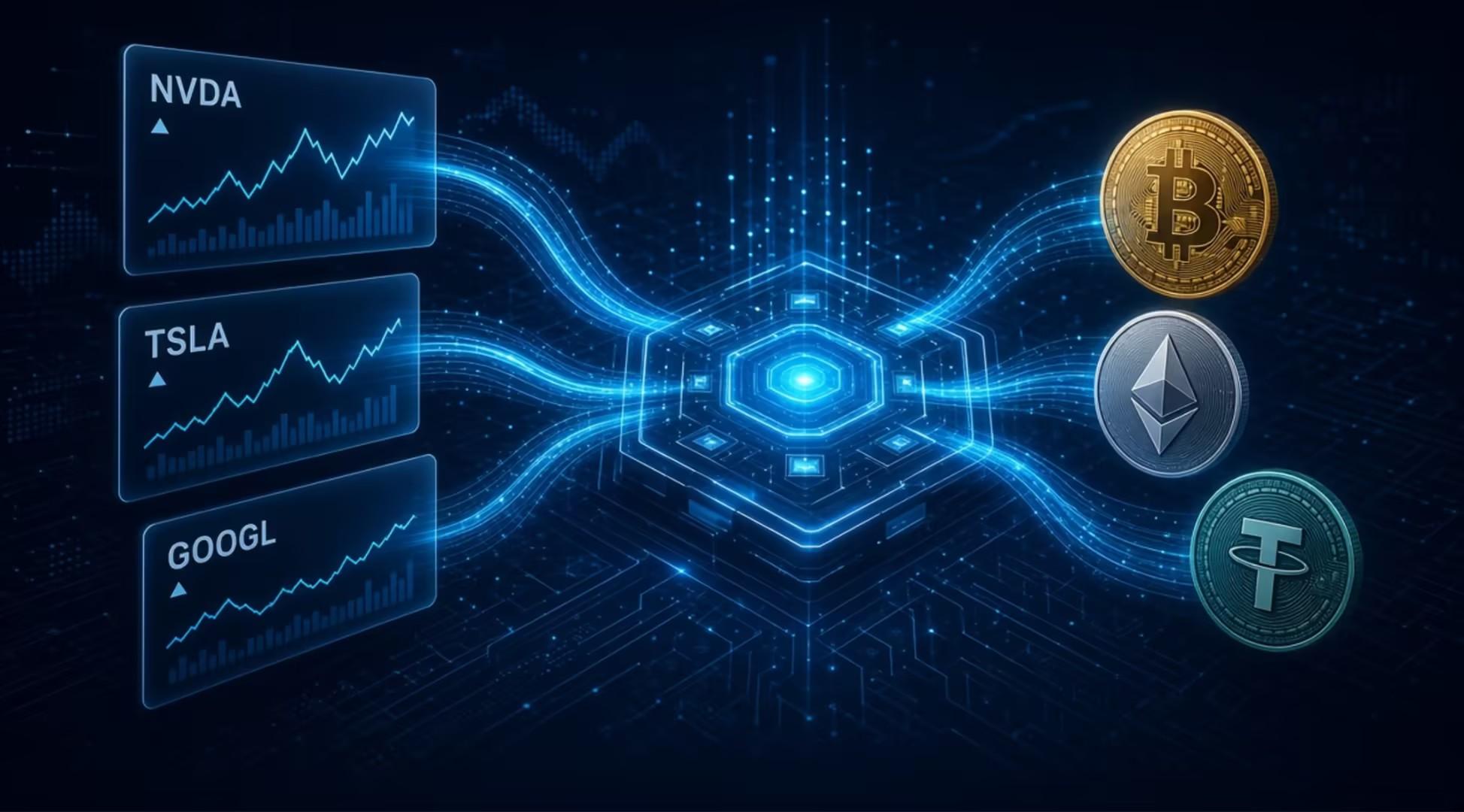
Recently, this situation has started to change. Huobi HTX has launched spot trading for 20 types of tokenized U.S. stocks and ETFs, covering underlying assets like NVDA, TSLA, GOOGL, MSTR, CRCL, QQQ, and supports trading pairs with USDT. The limit order activity with specified trading pairs is valid until February 9, 2027. For those familiar only with U.S. stocks, this provides a new observation window: if a platform can trade both crypto assets and tokenized U.S. stocks, does it mean that it's possible to observe and participate in both markets within the same account?
What exactly are tokenized stocks?
Firstly, it's crucial to clarify a key boundary: tokenized stocks do not equal directly holding U.S. common stocks. They are typically structured through compliant systems that map the performance of U.S. stocks or ETFs onto tokenized assets on the blockchain or platform, allowing users to trade with crypto assets (such as USDT). Users trade price exposure, not complete shareholder rights.
Specifically, tokenized stocks generally do not have the voting rights of traditional stocks, and the methods of dividend handling, whether they can be redeemed for real stocks, trading hours limitations, and regional availability must adhere to the product rules disclosed by the platform. They cannot simply be equated to the actual stocks bought through a brokerage account. The core value of this design lies in reducing friction for cross-market operations, rather than replacing traditional brokerages.
Several practical advantages of trading these assets on HTX
For those who already hold USDT or are simultaneously interested in both crypto and U.S. stocks, trading tokenized U.S. stocks on HTX offers several direct conveniences:
- No need to transfer funds across platforms: Existing USDT can be directly used to trade NVDA, TSLA, and other underlying assets, without needing to withdraw to traditional brokerages and then deposit again, reducing time and fees.
- Management of crypto assets in the same account: BTC, ETH, and tokenized U.S. stocks can be viewed and switched on the same platform, reducing the cost of operating multiple accounts, and it also facilitates a unified observation of asset allocation.
- Unified USDT pricing: Prices are labeled in USDT, making it easier to directly compare with crypto assets, and allows for flexible allocation of funds between the two types of assets while avoiding frequent conversions to fiat currency.
- Maker order activity: Specified trading pairs' limit Maker order activity continues until February 9, 2027, providing a certain cost advantage for users who prefer placing orders, suitable for investors who have the patience to wait for transactions.
- Liquidity and product completeness: Mainstream crypto pairs have sufficient liquidity, and the platform also supports tools like copy trading, grid trading, and Earn, suitable for users who want to balance both markets without needing to monitor them all day.
These advantages do not change the essence of the product. Tokenized stocks are still subject to the price fluctuations of the underlying stocks, platform operations, compliance structures, and liquidity. Cryptocurrencies themselves are more volatile, and slippage and liquidity risks during sharp rises and falls need to be particularly noted. Trading hours, depth, and redemption rules may also differ from traditional U.S. stocks, and brokerage experience cannot be directly applied.
Why are the two types of assets starting to appear on the same platform?
From the user's perspective, some investors are interested in both tech stocks and cryptocurrencies but struggle with having two accounts, two sets of processes, and two funding channels. When Nvidia's stock price surges due to news and Bitcoin fluctuates simultaneously, they need to switch back and forth between two platforms to understand their overall risk exposure. Tokenized stocks unite price exposure under USDT valuation, allowing funds to switch more flexibly between the two types of assets.
From the platform's side, by utilizing existing liquidity, matching, and risk control systems, the originally scattered demand can be centralized. For users already holding USDT, this lowers the barrier to participating in the price fluctuations of U.S. stocks; for users who are only familiar with U.S. stocks, this provides a low-friction observation window without requiring them to transfer all their funds into the crypto market immediately.
How can you start understanding on HTX?
If you want to further observe the actual trading situation of these tokenized U.S. stocks, you can complete the account registration according to the guidelines below, then enter the spot trading page to view relevant USDT trading pairs. The platform currently supports 20 underlying assets including NVDA, TSLA, GOOGL, MSTR, CRCL, QQQ. It is recommended to start with a small amount, focusing on verifying the rights explanations, redemption mechanisms, and applicable regions in the product rules, rather than participating with large amounts directly.
AiCoin exclusive HTX registration link
https://jump.do/zh-Hans/xlink-proxy?id=4
Or log in to the APP HTX directly and fill in the invitation code aicoin168, new users can receive up to 3100 USDT rewards for trading.
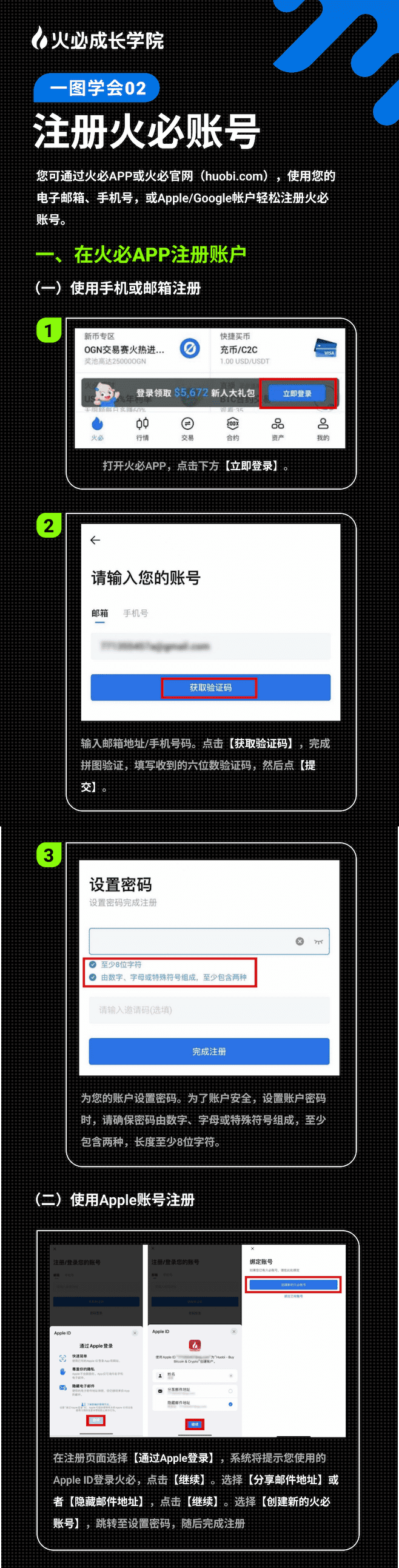
After registering, you can first observe order book depth, transaction conditions, and funding rates (if contracts are involved), before deciding whether to attempt small amounts. What's truly important is to first understand what you are actually buying, and then decide whether to participate. Tokenized stocks provide a new trading entry point, but they do not replace the understanding of the respective risks of traditional U.S. stocks and crypto assets.
Risk warning: Tokenized stocks do not equal directly holding U.S. common stocks; specific rights, trading hours, redemption mechanisms, and regional restrictions are subject to the platform's product rules. Crypto assets and tokenized products have drastic price fluctuations, which may lead to total or partial loss of principal. This article is for informational purposes only and does not constitute investment advice. Users should fully understand the risks and make careful decisions based on their own risk tolerance, and read relevant agreements carefully.
免责声明:本文章仅代表作者个人观点,不代表本平台的立场和观点。本文章仅供信息分享,不构成对任何人的任何投资建议。用户与作者之间的任何争议,与本平台无关。如网页中刊载的文章或图片涉及侵权,请提供相关的权利证明和身份证明发送邮件到[email protected],本平台相关工作人员将会进行核查。