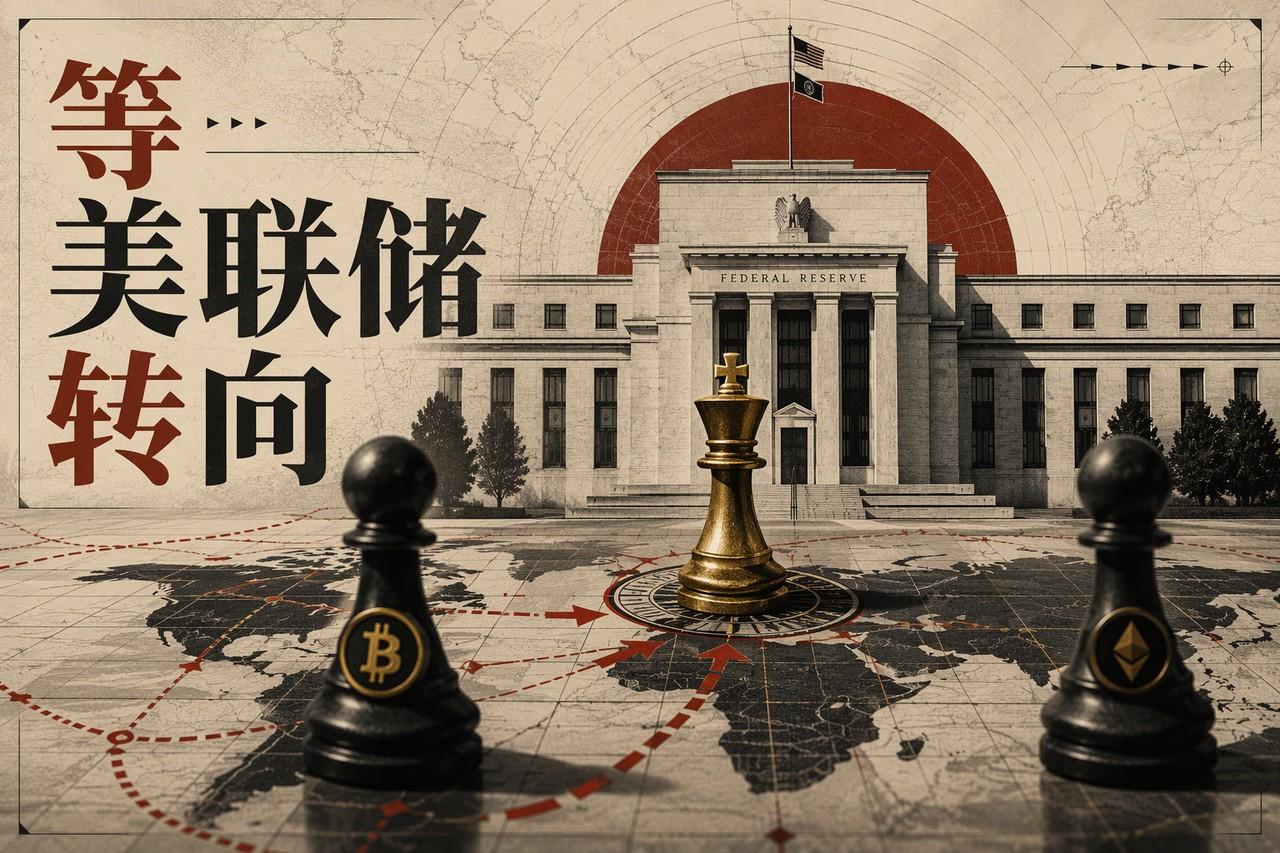
On November 23, 2025, news about the "Second TRUMP Holders Dinner" once again tied Trump's personal brand to on-chain assets. On Sunday evening local time, the dinner will be held at the Trump National Golf Club in Virginia, hosted by Fight Fight Fight LLC, which is associated with the TRUMP Meme coin. The seats are not allocated by the campaign office but are issued according to the average holdings of TRUMP between September 30 and November 16, 2025, with the top 185 holders automatically qualifying for entry. When the first dinner was held in May of the same year, the entry threshold required holdings worth approximately $55,000; now the token price has plummeted about 98.8% from its historical high, allowing an investor holding only about $518 in TRUMP to make the list for the second dinner, resulting in a dramatic reversal of the exchange rate from personal wallets to table seats. Behind the simultaneous collapse of price and threshold lies a fermenting fans' economy and regulatory concerns — during the preparation for the second dinner, several senators jointly wrote to the White House, demanding the disclosure of participants and questioning whether there was a risk of利益输送, while CFTC staff who previously attempted to investigate whether TRUMP tokens were involved in fraud failed to advance the investigation due to lack of support from higher-ups, placing the TRUMP dinner in a gray area between political donations, commodity trading, and paid lobbying. This seemingly fan welfare gathering is forcing the U.S. crypto regulation and political compliance framework to respond to a question that has previously been deliberately avoided: when tokens are used to buy face-to-face opportunities with presidential candidates, are they merely ordinary commodities or political chips that require tighter regulation?
From $55,000 to $518: The Collapse of TRUMP Dinner Threshold
The selection logic for the first TRUMP holder dinner was essentially a closed club-like system for high-net-worth individuals: only accounts with holdings worth about $55,000 were able to gain entry based on rankings. For the second dinner, the rules changed from instantaneous metrics to average holdings during the period from September 30, 2025, to November 16, 2025, and the number of seats expanded to the top 185 — against the backdrop of a price that had already dropped about 98.8% from the historical high, this algorithm directly pushed the entry "ticket price" down to the hundreds of dollars. Reports indicate that a holder with only about $518 in TRUMP also received a dinner invitation; the high-net-worth threshold, while formally still a "ranking filter," has effectively turned into small-scale access for retail investors.
The reduction of the threshold not only changed who could sit in the banquet hall but also altered the risk profile in the eyes of regulators. The price crash combined with the average holding rules quickly opened what was originally a political banquet composed of a few "heavyweight investors" to a large number of smaller holders — the top 29 can enter a closer VIP reception with Trump, and the top 120 will receive tangible gifts such as watches and perfumes. These differentiated treatments tied to holding amounts, in the eyes of electoral regulators, more resemble a tiered political contact approach based on financial contributions. Analysis by The Washington Post pointed out that despite more than 5,000 eligible TRUMP holders, most did not complete registration, and this rejection or wait-and-see behavior directly weakened the fundraising momentum of the event, also embedding footnotes for future compliance disputes: when the chain of "buy coins — ranking — dinner — benefits" is compressed from high-net-worth to a few hundred dollars for entry, regulators will have to face a more complex and sensitive group of retail investors when defining whether it is a commodity investment return or a political chip exchange.
The President and Personal Meme Coins: Conflicts of Interest Brought to Light
With the threshold compressed from tens of thousands of dollars to a few hundred, this chain of "buy coins — ranking — dinner — benefits" finally triggered a backlash at the federal level. Reports indicate that during the preparation for the second dinner, eight U.S. senators jointly wrote to the White House demanding the full disclosure of all participants of the TRUMP dinner and directly pointing out the core issue: when the dinner is hosted by Fight Fight Fight LLC associated with TRUMP Meme coins, and the dinner seats are directly tied to individual TRUMP holdings, what this arrangement of exchanging cryptocurrency holdings for close contact with the president and additional benefits represents — is it ordinary commodity consumption or an undeclared political resource transaction? The senators' concerns effectively elevated the controversies surrounding token investments to a political compliance review questioning whether the president is using personal Meme coins to construct a channel for利益输送.
Under U.S. federal election law and lobbying disclosure regulations, political donations, paid meetings, and policy lobbying all have clear monetary limits, identity disclosure, and registration obligations, while the TRUMP holder dinner precisely treads on the blurred lines of these rules: the eligibility for participation is not obtained through traditional donation channels but through holding rankings, the payee is the LLC entity tied to the token, and the return is face-to-face interaction with the highest political figures as well as symbolic gifts such as watches and perfumes. The eight senators questioned whether this structure constitutes "side-stepping" the existing regulatory framework — it is neither as transparent and traceable as traditional campaign contributions nor does it have a clear reporting path like registered lobbying activities, yet it substantively turns "using crypto assets to buy political resources" into an operable path. This conflict itself serves as an experimental sample that the future federal compliance boundaries must address.
CFTC Investigation Stalled: TRUMP Coin Navigating Regulatory Gaps
Within the Washington regulatory system, there has previously been a paused lead surrounding the TRUMP token. According to The New York Times, CFTC staff once attempted to examine TRUMP from a fraud perspective, focusing on its drastic fluctuations in price and trading volume — the drop of about 98.8% from historical highs provided an objective background for concerns over "pump and dump," misleading advertising, or market manipulation. However, when the investigation reached a point where subpoenas were needed to obtain more detailed trading and marketing materials, the regulatory body did not provide support, causing related leads to remain at the "preliminary concerns" level, leaving TRUMP on the watch list rather than as a formal enforcement target. This hesitation from technical staff to leadership represents the most tense moment for federal agencies when dealing with politically sensitive assets: staff see potential fraud patterns, while leadership weighs political risks against institutional boundaries.
The emergence of this "seeing the problem but unwilling to touch it" state is rooted in the inherently ambiguous structure of U.S. digital asset regulation. The CFTC traditionally regulates commodity futures and certain derivatives and spot market behaviors of digital assets, while the SEC focuses on the issuance and trading of what is classified as securities, leaving a lot of overlapping categories and blank spaces in between, with Meme coins being a typical representative: they are neither like traditional securities with clear paths for fundraising and information disclosure nor easily categorized as commodities suitable for direct CFTC intervention. The TRUMP token, highly tied to political figures, has been suspended in this gray area — lacking clear commodity or security labels, it absorbs funds and generates severe price volatility in actual markets while also being utilized as tickets for acquiring political resources. For project parties, the stalled CFTC investigation, in the short term, means no clear enforcement actions pressing down, allowing the dinner to continue preparations while related entities can operate in a "not yet categorized" interim. However, for holders and the broader industry, this lenience does not equate to real safety but instead represents a high degree of uncertainty: any subsequent legislation or inter-agency coordination tightening standards could see retrospective enforcement considered as "accountability after the fact" emerge at any time, with today's regulatory gaps potentially just the starting point for future narratives of accountability.
Lowered Threshold and Regulatory Concerns: The Multiple Risks for TRUMP Holders
With the threshold plummeting from about $55,000 to about $518, the second dinner directly pushed retail investors, who were originally only chasing topics on-chain, into identifiable real-world scenarios: the holdings of 185 holders are locked into time-based rankings, with the top 29 receiving closer access to Trump at a VIP reception, and the top 120 getting defined physical gifts; once these arrangements are re-examined by regulators in the future, they will no longer merely represent "community welfare," but could potentially be reclassified as political donations, paid interactions, or samples of利益输送 related to token issuance. U.S. tax laws generally view these types of assets as property, and the price drop of about 98.8% from historical highs indicates that many participants technically face significant losses and dual exposure to potential capital gains, while dinner spots, gifts, and even travel expenses may later be scrutinized by tax and compliance departments to determine if they constitute reportable gifts or economic benefits. For ordinary holders, the risk extends beyond mere price fluctuations to questions of "who am I, why was I invited, and am I unknowingly categorized as a subject of political and financial compliance investigations."
More than 5,000 eligible holders who chose not to register for the dinner, in the analysis by The Washington Post, have been regarded as a form of "voting with their feet" regarding compliance attitude: in the context of eight senators publicly demanding disclosure of the participant list and questioning利益输送, and CFTC employees previously attempting to investigate potential fraud involving TRUMP, many investors are evidently aware that if they leave behind real names, contact information, or even tax information, they might transform from a string of hard-to-identify wallet addresses into directly interrogable natural persons or institutional accounts if a cross-agency investigation is restarted in the future. The more realistic pressure is that even if there is currently no formal enforcement, this dinner, with an extremely low threshold and strong political connotations, has already provided a highly visible sample pool for regulators and legislators; once reclassification occurs, investors who participated in the dinner through holdings could face investigation, disclosure, and tax inquiry costs far exceeding price fluctuations.
The Next Red Line for Political Meme Coins: How Platforms and Projects Can Protect Themselves
From the fact that the TRUMP holder dinner was singled out by eight senators, to the CFTC's internal investigation attempting to issue subpoenas but ultimately halting, it can be seen that a personal token adorned with the glory of presidential status, once bound to offline selection, gift distribution, and private meetings, is no longer just a speculative story, but is rapidly pulled into a compliance framework of political donations, lobbying, and market fraud. For all subsequent political figures associated with Meme coins, the primary protection principle is to erect visible firewalls between identities, tokens, and investor activities: holders' rankings must not naturally evolve into "quasi-donation thresholds," offline interactions must not fall into the factual landscape of paid political contact, and it is crucial not to create unclear channels of funds and data between token issuance entities, campaign teams, and family businesses. Trading platforms dealing with similar assets should elevate political risk and reputational risk to a level of equal importance as securities attributes in listing decisions, and use methods such as increasing risk disclosures, limiting homepage recommendations and co-marketing, and extending due diligence periods to avoid being questioned by Congress and regulators in the future about "who provided liquidity and halo to these types of tokens." On a larger timeline, the U.S. Congress is promoting multiple crypto legislations, and the payment-focused GENIUS Act is expected to take effect on January 18, 2027; although there is no direct causal relationship with the TRUMP dinner, this legislation, combined with highly visible political token samples, is likely to prompt regulators to establish new hard boundaries on conflicts of interest, information disclosure, and token marketing. If participants and carrying platforms of political Meme coins do not establish internal compliance and conflict management mechanisms in advance, they will ultimately be forced to pay the price for past designs and promotions in the face of sudden regulatory inquiries.
Join our community, let's discuss and become stronger together!
AiCoin exclusive Hyperliquid benefits: https://app.hyperliquid.xyz/join/AICOIN88
AiCoin exclusive Aster benefits: https://www.asterdex.com/zh-CN/referral/9C50e2
On-chain Telegram community: https://t.me/AiCoinWhaleData
On-chain community: https://www.aicoin.com/link/chat?cid=N6OVMor5g
AiCoin on-chain Twitter: https://x.com/aicoinwhaledata
免责声明:本文章仅代表作者个人观点,不代表本平台的立场和观点。本文章仅供信息分享,不构成对任何人的任何投资建议。用户与作者之间的任何争议,与本平台无关。如网页中刊载的文章或图片涉及侵权,请提供相关的权利证明和身份证明发送邮件到[email protected],本平台相关工作人员将会进行核查。