Five years, with an annual revenue exceeding $80 billion, and on its first day of listing, the fully diluted valuation reached as high as $2 trillion. This is a growth curve that has almost never appeared in the history of human business.
Prophet, messianic complex, religious leader—these are labels that have rarely been seen in an industry known for technology and rationality. Yet now, they simultaneously apply to one company: Anthropic. Amidst great acclaim and controversy, Anthropic officially launched on NASDAQ under the stock code ANT on November 19, U.S. time.
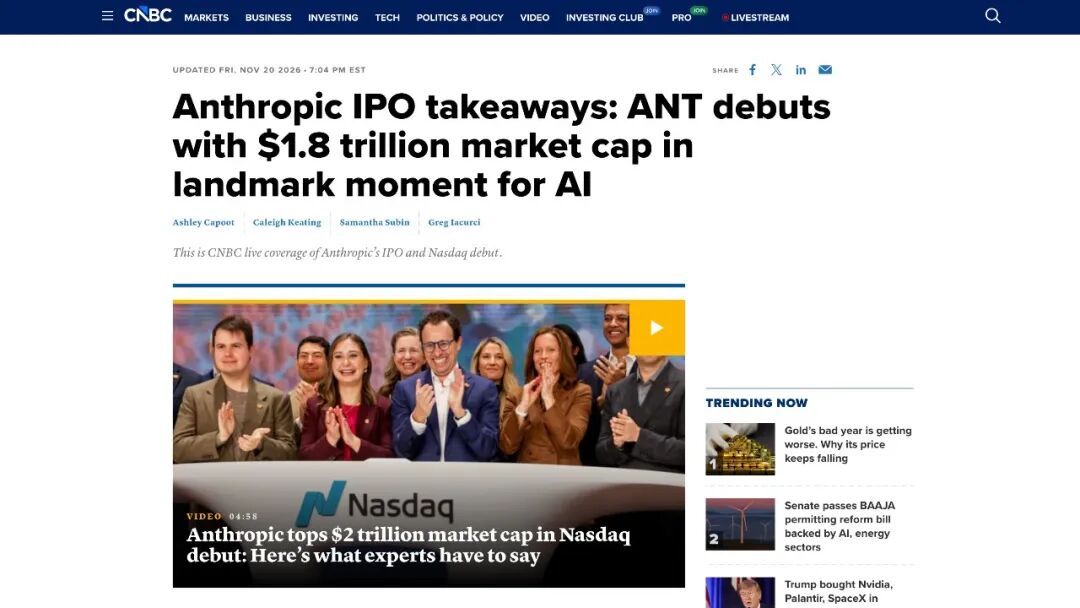
It has created numerous miracles in the history of human commerce, while also being deeply embroiled in a vortex of controversies surrounding AI safety, open source, and power.Some say that Anthropic is the only "conscience company" still adhering to the bottom line of AI safety in this AI frenzy era. Others argue that this is merely a carefully crafted missionary performance under the banner of "for all humanity."
So, how did an AI laboratory that once stood on the margins of the industry grow into an unprecedented giant in less than a few years? What are the critical nodes behind this crazy growth that cannot be ignored? Is Anthropic's success a persistence of idealism, or an unconventional business narrative? After the IPO, what kind of road and challenges will it face ahead?
With these questions, we interviewed investors, senior media personnel, lawyers, and professionals who worked with Dario Amodei in the early days, engaging in multiple anonymous discussions. We attempted to reevaluate each step the company has taken from various aspects including technology, capital, architecture, and cultural beliefs, presenting a complete history of Anthropic's rise.
This article is a rewrite of a video; everyone is welcome to watch the video below.

In November 2014, the revolution of deep learning seemed to be in its later stages. Turing Award winners, the "three giants of deep learning," Geoffrey Hinton, Yann LeCun, and Yoshua Bengio had already divided the territories. At that time, Dario Amodei, who would later become a household name in the era of large models, had just finished his Ph.D. and completed his postdoctoral work. Previously, he was a research scholar, initially at Princeton in computational neuroscience, and then at Stanford Medical School. The Baidu Silicon Valley AI Laboratory was his first real job.
Many years later, Dario Amodei had become one of Washington's most hardline hawks toward China, and what he experienced at Baidu has become an inside joke for many today. We learned from some of his interviews and conversations with early colleagues that many thoughts and technical judgments that later defined Dario and influenced Anthropic can be traced back to his year at Baidu.
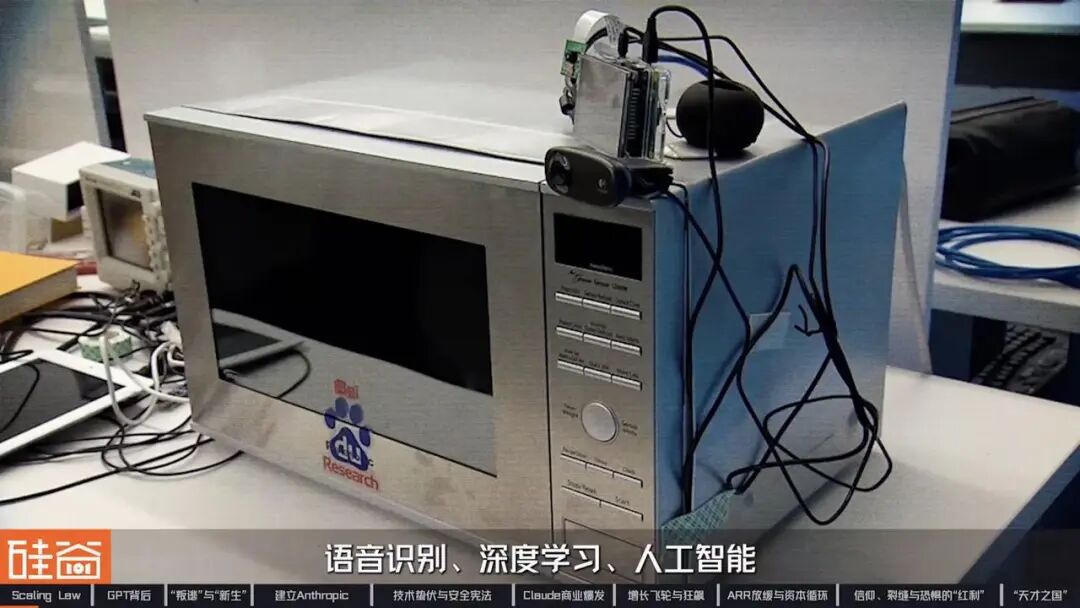
At that time, Baidu's AI laboratory was located in a single-story building in Sunnyvale, Silicon Valley, headed by Stanford Professor Andrew Ng, and initially had only about twenty people. They had a room full of GPUs, a heap of data, and a clear goal: to create the world's best speech recognition system.
Greg Diamos, one of the co-creators of NVIDIA's CUDA system, was also one of the first researchers recruited into Baidu's Silicon Valley lab by Ng. He told us in an interview with Silicon Valley 101 that Dario Amodei was almost blocked from entering Baidu, but he "broke through opposition" to hire him because Dario's code was exceptionally well-written.
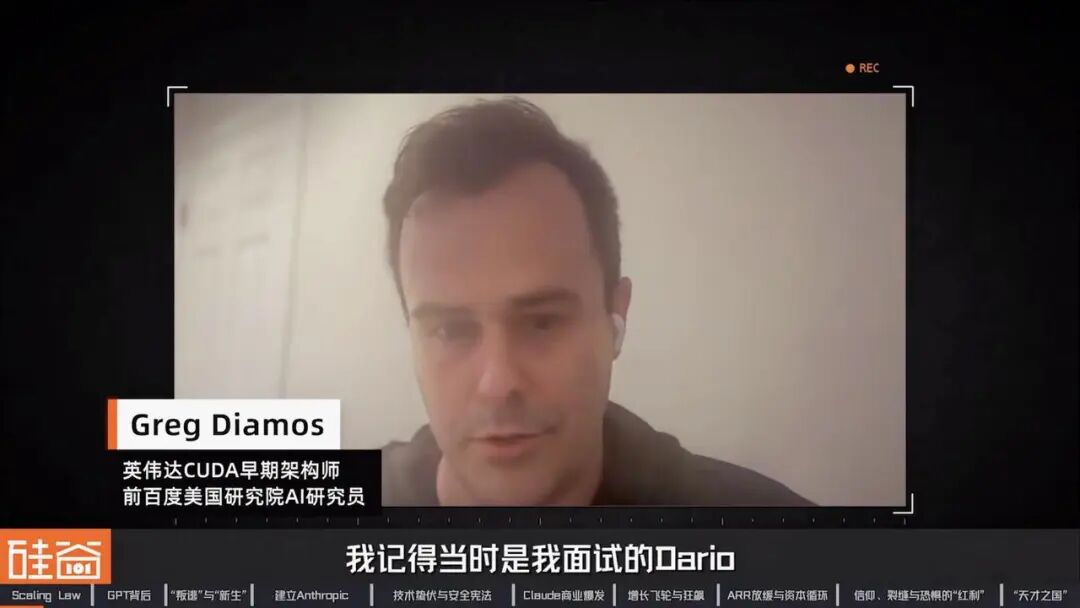
Greg Diamos
Early architect of NVIDIA CUDA, former AI researcher at Baidu's U.S. Research Institute
I remember I was interviewing Dario at that time. It was actually quite strange because Dario's background was in neuroscience and biology. He showed me a piece of code similar to computational biology simulations.
I looked at that code and thought it was one of the best pieces of software code I've ever seen. So I thought, well, I don't care what your background is; this person should be able to understand this problem.
But many other interviewers opposed it because he didn't have a GPU background, a clear computer science background, nor an AI background. So I really fought hard to advocate for him. But in the end, they said, okay, we have no objections.
After entering Baidu, Dario's work was not complicated. In his own words, he only needed to "turn knobs." He added a few layers to the recurrent neural networks, fed more data, trained a bit longer, and then sat there watching where the indicators would go. He found that the results pointed in the same direction every time: larger data led to better results. Smooth, stable, like an invisible hand constantly pushing a dial in the background.
This work eventually grew into Deep Speech 2, which was selected as one of the top ten breakthrough technologies of 2016 by MIT Technology Review. Before this, in speech recognition, acoustic models, language models, and pronunciation dictionaries all required manual tuning and processing, with every component taking years to build. But Deep Speech 2 allowed an end-to-end neural network to take care of all the work: just feed in the audio and text, and the rest was left for the network to learn on its own.
From the perspective of others, this was more of a product breakthrough; but in Dario's eyes,this was his first realization of the scaling law.
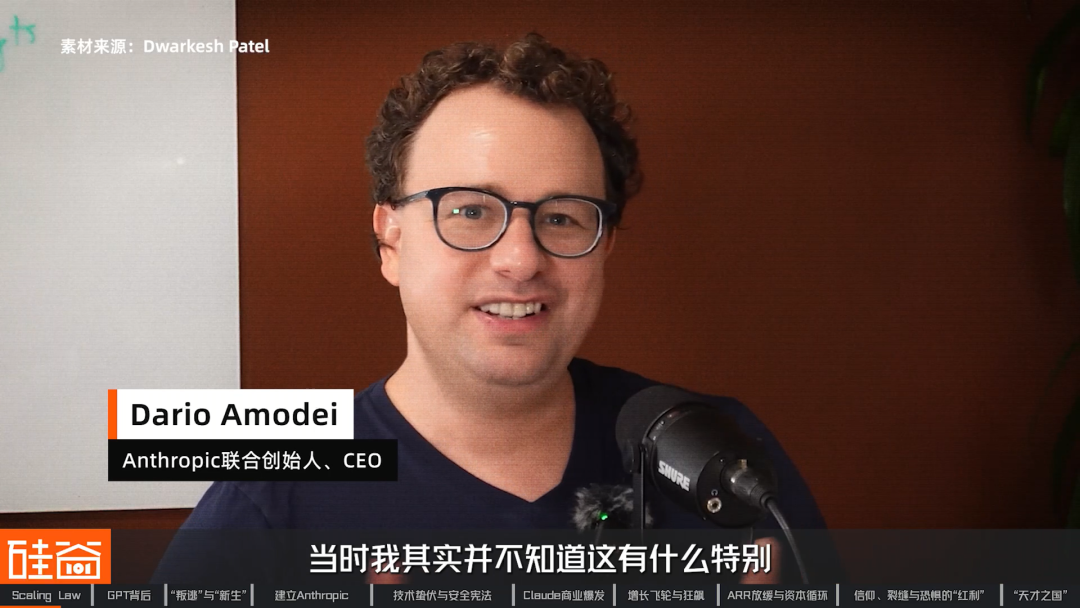
Dario Amodei
Co-founder and CEO of Anthropic
I just saw some very consistent patterns. At that time, I actually didn't know what was special about it, nor did I know that others didn't think this way. It was a bit like a novice's luck because it was my first time encountering this. And at that time, aside from speech recognition, I didn't think further. I just felt like, okay, I know nothing about this field, and there’s so much that machine learning can do.
But I felt it was strange that this pattern seemed to hold in the field of speech recognition.
The scaling law was just the first seed that Baidu planted for Dario, and there, another seed that would greatly influence the future was also planted—AI safety. While developing the speech system at Baidu, Dario discovered that the model performed nearly perfectly on clean, accent-free American English but dropped dramatically in accuracy when dealing with accented speech. The model was incredibly strong within the training distribution but extraordinarily fragile outside of it. The key was that he couldn't see into the internals and couldn't figure out why the model behaved this way or when it would suddenly fail.
So he also began to think about AI safety issues.The ability and risks might just be two sides of the same coin; this also became the foundation for Anthropic's establishment in the future.
And as we sorted through Dario's early experiences, another poignant discovery emerged: Baidu was actually once closest to GPT. Greg Diamos told us that when NVIDIA's GPUs were virtually unnoticed in the AI field, it was Baidu that first discovered their potential. Additionally, Baidu's Silicon Valley lab was among the earliest teams in the industry to discover and systematically summarize the scaling law.
Greg Diamos
Early architect of NVIDIA CUDA, former AI researcher at Baidu's U.S. Research Institute
If it weren't for Baidu, NVIDIA might not have become the highest-valued company. We never published that part about scaling law in Deep Speech, but it was always in our experimental records.
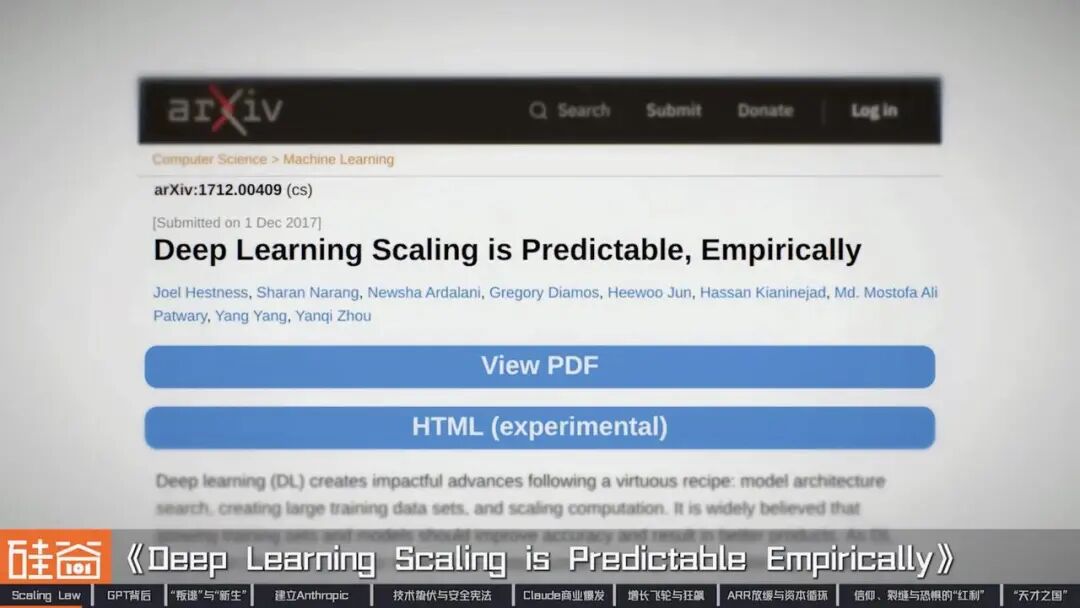
Years later, once we were completely certain that this pattern was correct, we published a paper titled "Deep Learning Scaling is Predictable." And of course, Dario later went to OpenAI and replicated this, which they called GPT.
In December 2017, the paper "Deep Learning Scaling is Predictable, Empirically" was published, with the key finding being thatmodel performance exhibits stable and predictable power-law growth as training data and computation scale increase.At that time, it was half a year before the GPT-1 paper was released. Dario, who participated in this research, has confirmed in interviews that the discovery of this paper reshaped, to some extent, his way of thinking and researching problems.
Dario Amodei
Co-founder and CEO of Anthropic
After I left Baidu, they continued to explore this direction, which later became the paper titled "Deep Learning Scaling is Predictable, Empirically."
This has always influenced my way of thinking. That is to say, once you know how to tackle a particular task and once all the conceptual things are sorted out, then as the scale increases, its performance tends to exhibit a very smooth pattern.
Unfortunately, Baidu ultimately missed out on GPT. Dario left Baidu about a year later to join Google.
In 2015, Dario joined Google Brain, where his computing power and data suddenly increased by several magnitudes. Shortly thereafter, he saw similar curves appear in chess, games, and robotics, just as in speech recognition.
At that time, a significant trend was emerging in Silicon Valley—the Effective Altruism (EA) movement. Initially arising in the realms of philosophy and charity, EA advocates for using rational and scientific methods to create maximum social value from limited resources. Among its important topics is the existential risk posed by superintelligent AI.
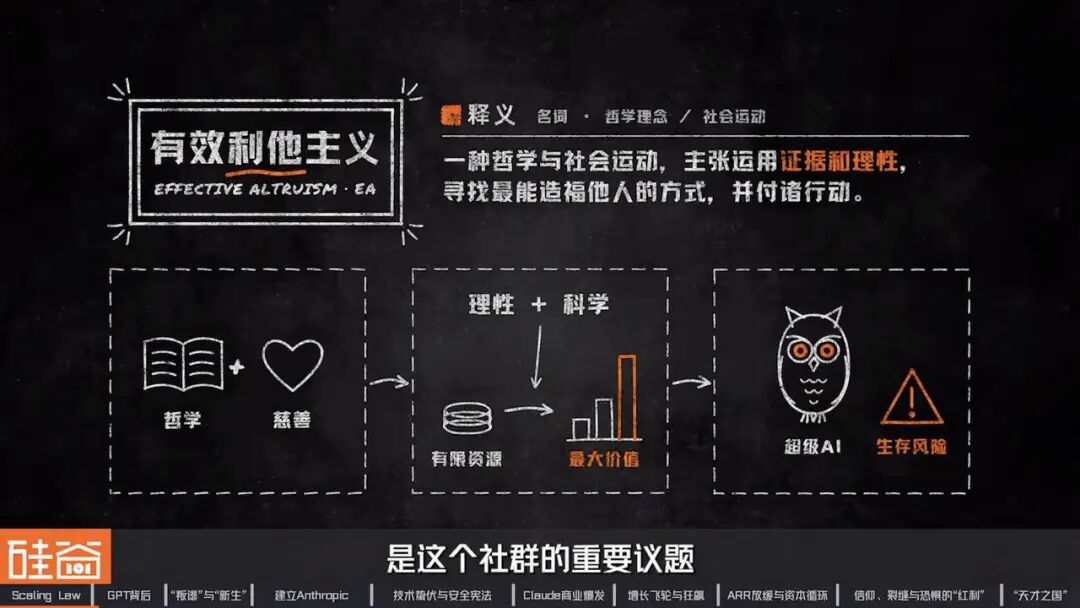
Around 2010, EA gradually gained influence in the technology circles of Silicon Valley, with many tech leaders, investors, and entrepreneurs becoming significant supporters and advocates of EA; Dario and Chris Olah, who sat next to him at Google, became engrossed in it as well.
Chris Olah, a self-taught individual who didn't finish college, was obsessed with dissecting the internal structures of neural networks. The discipline he studied was almost ignored at the time, yet it is now crucial in the AI industry: interpretability. He later joined Dario at OpenAI and co-founded Anthropic.
Chris and Dario worked closely and complemented each other; one focused on how things would look after the model grew, while the other focused on why it was that way internally. In 2016, the two collaborated to write one of the most influential papers in AI safety, "Concrete Problems in AI Safety." This paper provided a clear research framework for AI safety for the first time, directly pushing AI safety into a recognized important research direction in the industry.
Former New York Times technology columnist Kevin Roose told Silicon Valley 101 that it was the wave of EA that brought this group of brilliant young people together.
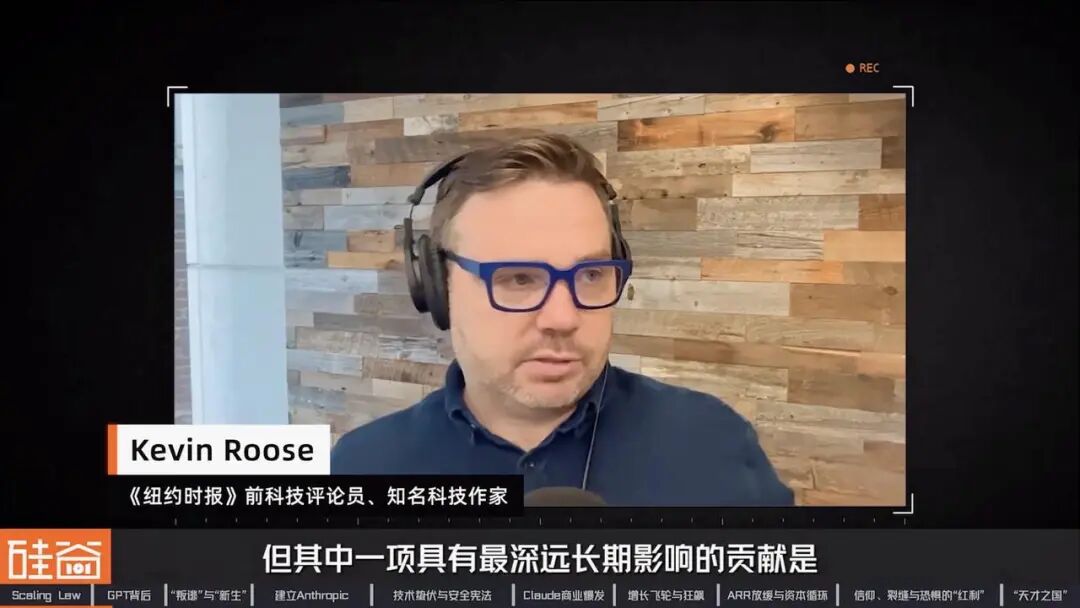
Kevin Roose
Former technology columnist for The New York Times, renowned technology writer
Over the years, EA has done well in many aspects, but one of the most far-reaching contributions is:it has inspired a group of very bright young people to develop a strong interest in “AI safety”and guided them in accumulating professional skills, pursuing PhDs, and ultimately diving into the field of AI safety. Because they believe this is the best way to make an impact.
While Dario was writing this paper, a Bloomberg reporter named Jack Clark came to him. Yes, he later also became one of Anthropic's co-founders. Jack Clark was closely tracking developments in the AI field at that time, sensing a powerful trend taking shape, but almost no one believed him.
Jack Clark
Co-founder of Anthropic
I remember in 2015, I tried to persuade Bloomberg to let me write a piece about NVIDIA because every AI research paper was starting to mention the use of GPUs, but they thought it was crazy. Later, when I left journalism to go into AI in 2016, I even received some emails saying, "You are making the worst mistake of your life."
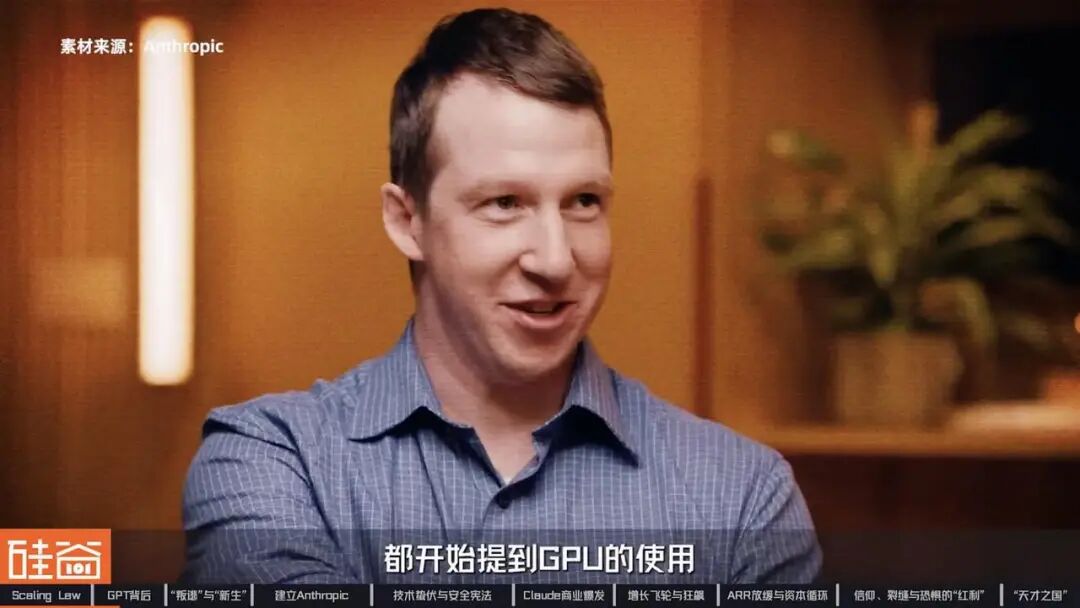
In October 2016, Jack Clark switched careers and joined OpenAI. Just months before Jack joined OpenAI, Dario Amodei and Chris Olah had also taken positions there. Thus, a team that would later change the AI landscape began to quietly assemble at OpenAI.
When they joined, OpenAI had just been established. As a nonprofit organization with a billion-dollar startup fund, its mission to "ensure AGI benefits all of humanity" attracted a large number of top AI researchers at the time. To explore the right path toward AGI, various directions like robotics, game agents, and generative models were pursued within OpenAI.
Frankly speaking, Dario initially held a position far from the spotlight. He was holding onto the paper he had just finished at Google, responsible for the safety team at OpenAI. The language model line was actually not related to Dario.
In 2018, the Google Transformer architecture was released, and Alec Radford quickly adapted the Transformer, training it with a dataset containing over 7,000 unpublished novels, around 117 million parameters. Subsequently, in June 2018, the paper "Improving Language Understanding by Generative Pre-Training" was published, which was GPT-1.
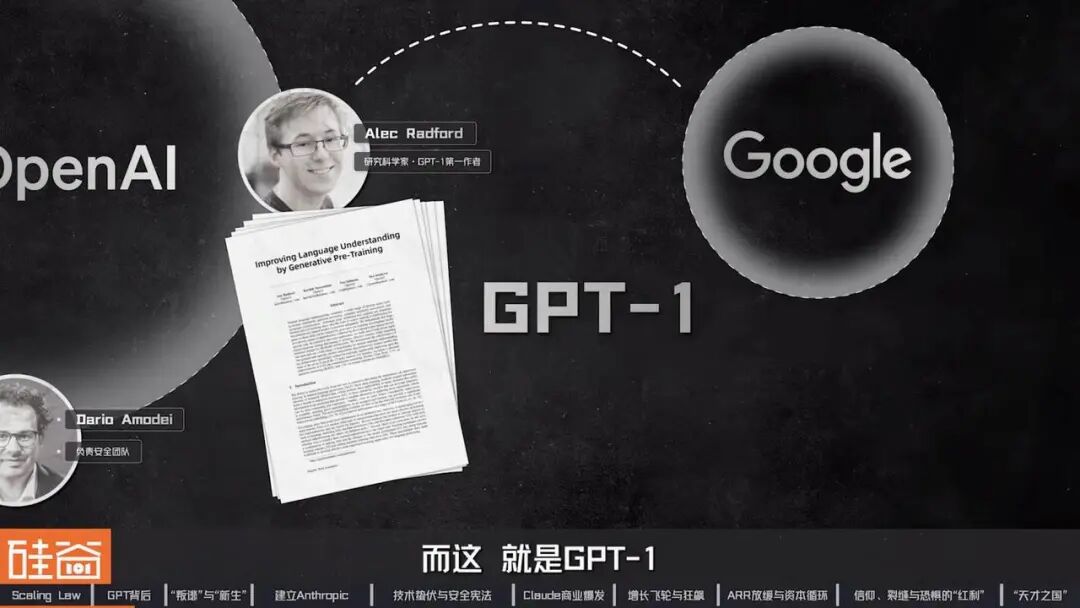
At that time, this paper was only a few pages long, with four authors, and within OpenAI, it was merely the size of an interest group. GPT-1 received a lukewarm response, but Dario saw something familiar in it: that curve he had seen at Baidu and Google had appeared again. He wrote this observation into a memo that later circulated widely within OpenAI, called "The Big Blob of Compute," the core argument being:The path to stronger AI is likely to be through massive computation.
In February 2019, the 1.5 billion parameter GPT-2 was released, and Dario Amodei's name first appeared in the author section of the GPT papers. GPT-2 could instantly write several paragraphs imitating the tone of news articles and novels, even displaying initial reasoning abilities, garnering more attention internally at OpenAI.
By the end of 2019, Dario was promoted to Vice President of Research at OpenAI, giving him more resources and capabilities to organize research on GPT. The first step was to convince the world that the scaling law was a worthwhile bet. Dario brought in his old friend from his PhD days, Jared Kaplan, a professor at Johns Hopkins, along with experiment designer Sam McCandlish and future lead author of GPT-3, Tom Brown.
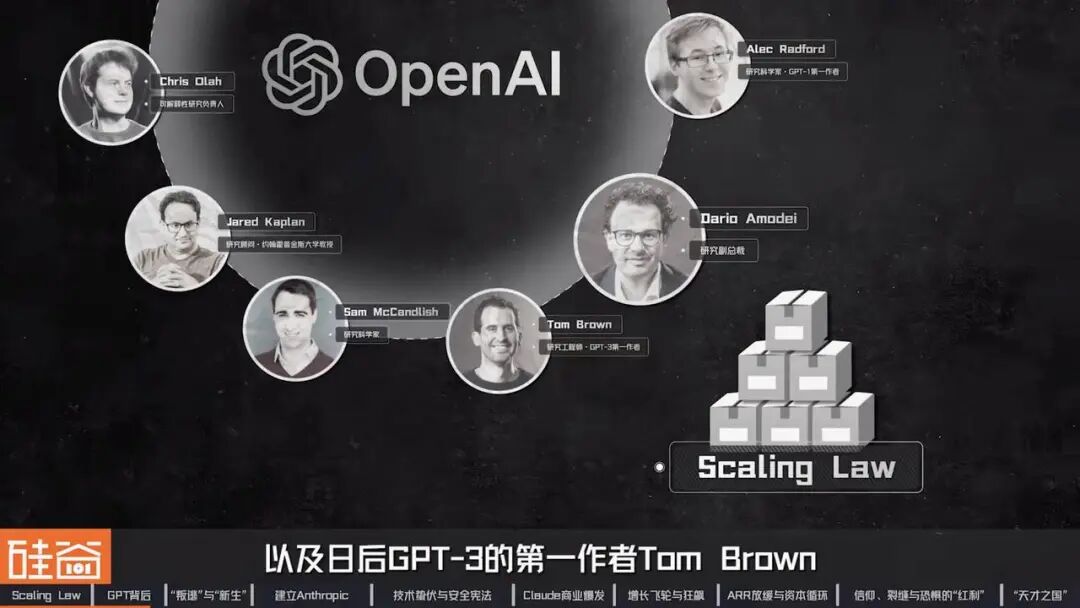
After they positioned different scale models alongside for analysis, they discovered that the ability of language models increased according to a very clear mathematical law: as model parameters, training data, and computation increased, model performance continuously improved in a predictable manner. Surprisingly, this law was very precise.
In January 2020, the paper "Scaling Laws for Neural Language Models" was published. At this point, the scaling law transitioned from an internal memo to a formal scientific principle complete with formulas. The remaining task was to plug in bigger numbers into this formula. Microsoft’s billion-dollar investment brought in a dedicated supercomputer, and in June 2020, the 175 billion parameter GPT-3 was released, shaking the entire AI industry.
GPT-3 could write code, translate, produce articles indistinguishable from real ones, and perform multi-step reasoning; it didn’t even need to be trained uniquely for each task; just a few examples in the prompt and it could replicate the results. Later, the co-founders and core scientists of Anthropic would almost all appear in this paper's author list.
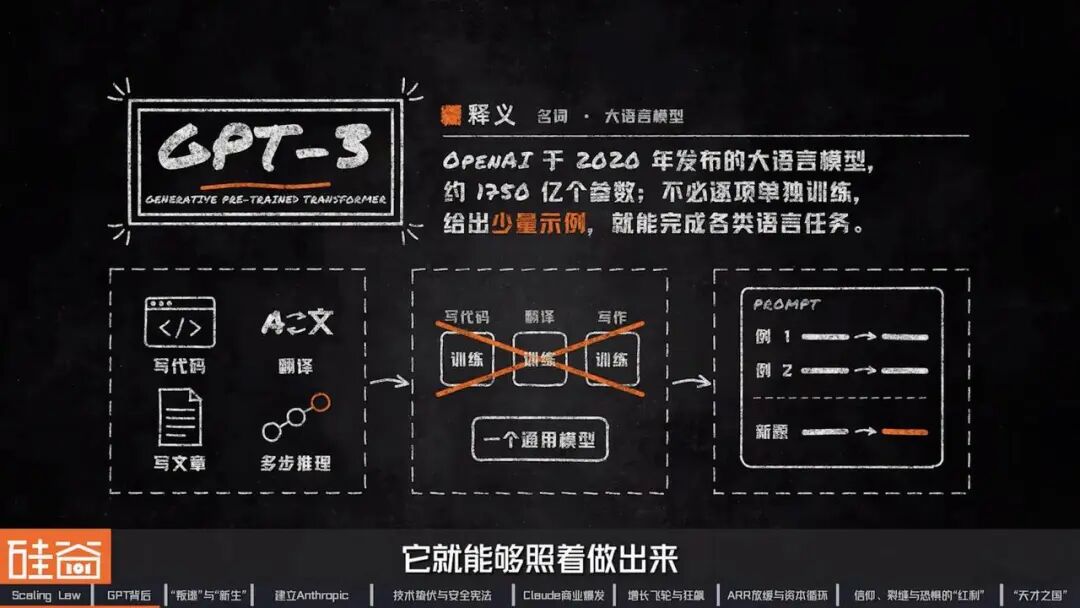
From GPT-1 to GPT-3, in just two years, the capabilities of large language models skyrocketed. But as it advanced, Dario, as a key mover, felt increasingly uneasy. He simultaneously recognized the other side of the coin:the focus on AI safety had not kept pace with the development of model capabilities.And the insistence on safety became a trigger for the key researchers to split from OpenAI later.

▍OpenAI’s Internal Division
By the end of 2020, OpenAI appeared to be basking in the supreme glory of GPT-3. But internally, a struggle over the future path of AI had quietly reached its boiling point.
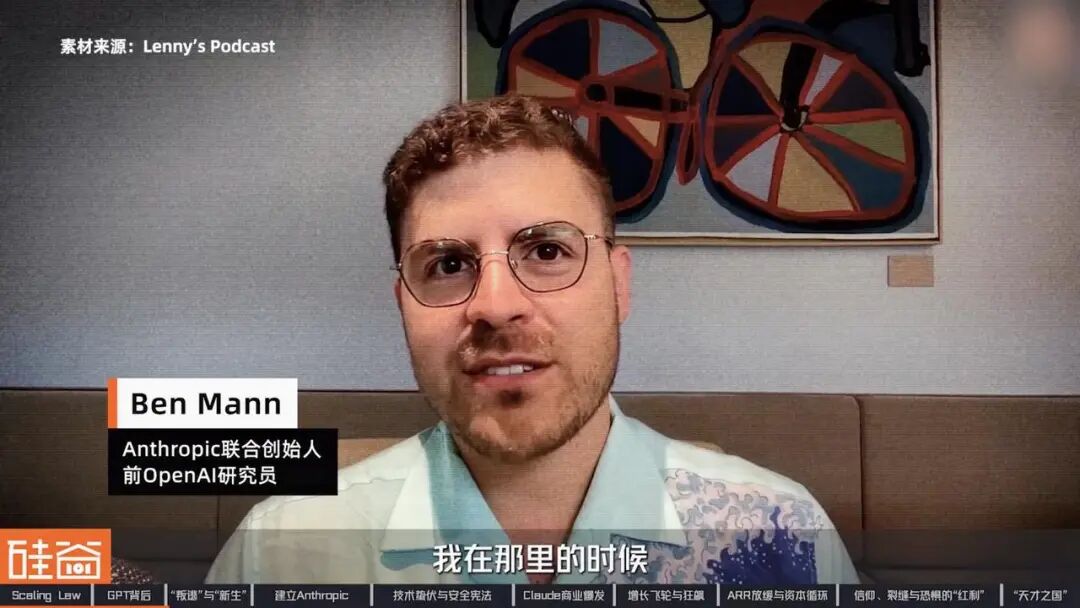
Ben Mann
Co-founder of Anthropic, former researcher at OpenAI
One strange thing about OpenAI is that when I was there, Sam mentioned that there were three factions within the company that needed to check each other: the safety faction, the research faction, and the entrepreneurial faction.
Within the company, the tension around these questions was omnipresent. When a true decision needed to be made, we felt that safety was not the main priority.
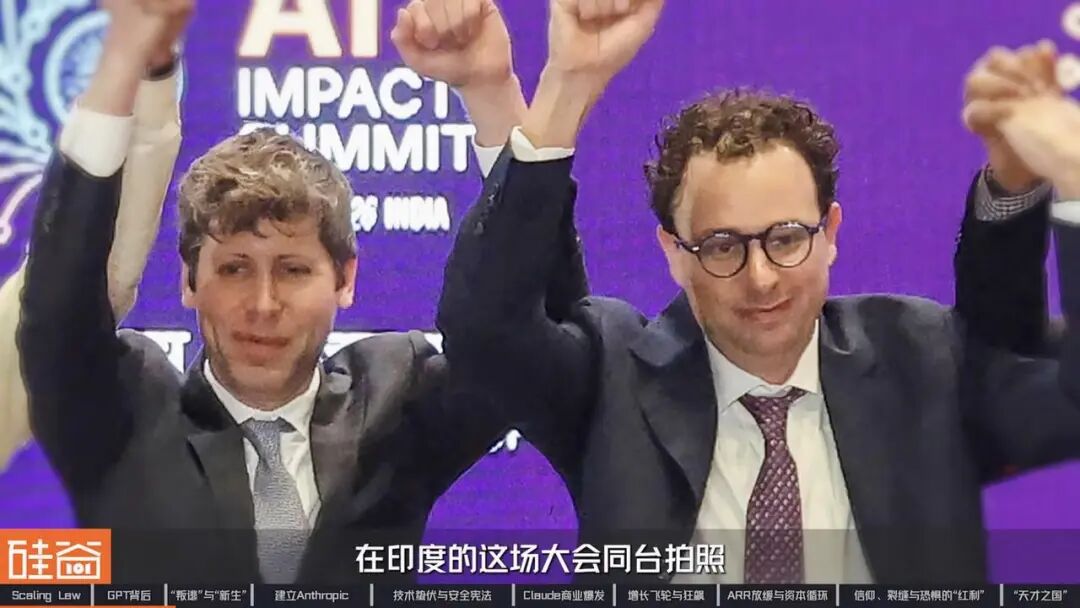
The “love-hate relationship” between Sam Altman and Dario Amodei is now a topic of much gossip in the tech world. Their relationship even became so tense that they were reluctant to maintain a facade of harmony in public: at a conference in India, they couldn’t even bring themselves to touch each other’s hands for a photo. In reality, the cracks between the two actually began during their time at OpenAI.
Kevin Roose
Former technology columnist for The New York Times, renowned technology writer
There has always been a narrative that the Anthropic team left OpenAI due to concerns about safety issues. This was the public explanation at the time, but the truth is that there had been extremely bizarre conflicts between Sam Altman, Greg Brockman, Dario, and Daniela Amodei for many years. These conflicts had very personal consequences for them.
The differences between the two sides can be traced through various incidents. In mid-2019, negotiations for Microsoft's $1 billion investment were nearing completion. Dario wanted to retain some significant safety constraints in the agreement, and Altman agreed.
But on the eve of the agreement being finalized, Dario discovered that Microsoft had gained veto power over those relevant clauses. Dario confronted Altman, only to be denied. So he simply opened the contract and read the relevant content aloud. He eventually brought in another colleague for personal confirmation before Altman reluctantly acknowledged it. Dario later recalled, "80% of the OpenAI charter was betrayed that day."
When preparing for the release of GPT-3, similar conflicts arose again. At that time, OpenAI was preparing to open GPT-3 to external customers via APIs. Dario was concerned about model misuse and specifically confirmed the test customer list with Altman. But later he found out that there was a longer version internally, which Altman had not disclosed to him.
Sam Altman even casually suggested giving access to the still highly confidential GPT-3 internal test version to singer Kanye West.
Kevin Roose
Former technology columnist for The New York Times, renowned technology writer
Sam Altman met Kanye at a party and suggested he could give him access to the GPT-3 internal testing privileges. Later, when Sam Altman returned to OpenAI, he asked whether we could find a way to let Kanye West join the internal testing. Everyone was stunned and quite displeased. They thought, has this guy lost his mind? We can’t let him join the internal testing.
Dario and the others were very suspicious that in order to push commercialization, management was bypassing them and the originally planned safety mechanisms. As these incidents accumulated, the differences between both sides became increasingly irreconcilable. Subsequently, Dario and his sister Daniela began forming their own core circle within OpenAI. They set up private Slack channels, held separate meetings to discuss AI products and safety. Employees at OpenAI who were not invited into this circle began to feel that these people were becoming more closed off and distant, making cooperation increasingly difficult.
Initially, Dario considered switching to DeepMind, but Jared Kaplan gave him another suggestion—that they all go out together to establish their own venture. However, Dario did not leave immediately; he decided to negotiate with Altman first.
In 2020, he secretly created a Slack group with several core members called "BATNA" (Best Alternative to a Negotiated Agreement), which essentially meant: what is the alternative if negotiations fall through?
This Slack group initially included the seven founders of what is now Anthropic—Dario Amodei, Daniela Amodei, Jack Clark, Sam McCandlish, Tom Brown, Chris Olah, and Jared Kaplan. These individuals helped build GPT-2 and GPT-3, shaping the technical core of OpenAI's entire research culture.
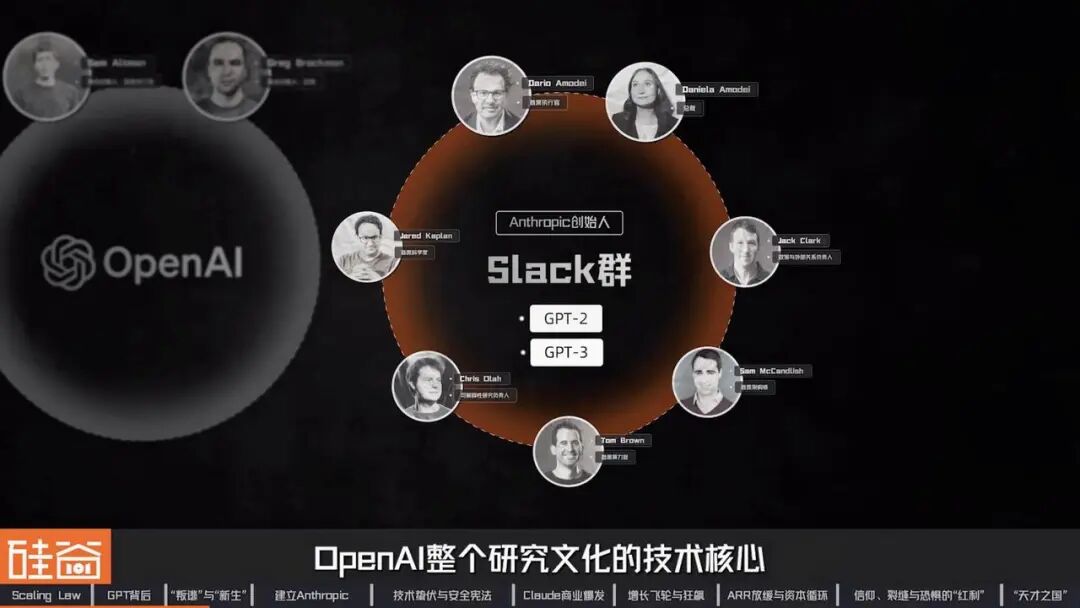
At that time, Dario thought that perhaps their group of core talents was crucial enough to OpenAI that there was a possibility OpenAI would compromise. They drafted a series of conditions, including giving the safety team veto power over new product launches, and that Dario could directly report to the OpenAI board. However, in the end, OpenAI’s management did not accept their requests. So the seven brought in lawyers and named this departure "The Divorce."
Dario Amodei
Co-founder and CEO of Anthropic
People say we left because we were unhappy with that Microsoft deal, but that's not true. Some also say we left because we opposed commercialization, but that’s not accurate either. We contributed to GPT-3, and I was personally involved in promoting its commercialization. The core issue remains: how to do it.
Human civilization is heading toward a very powerful AI era. What is the correct way to proceed down this road? How can we be cautious, transparent, and honest to genuinely build trust, both at the organizational and individual level? How can safety be more than just a slogan we use to attract recruits?
In December 2020, OpenAI held an all-hands online meeting. After Sam Altman finished discussing the company’s progress as usual, he turned the time over to Dario. Dario then announced that he and six other core members would leave OpenAI, and the chat box was instantly flooded with shocked expressions and messages.
Jack Clark left the last message: “I love you all,” and the seven were then removed from the meeting. Their email and Slack permissions were immediately revoked, and their computers were remotely locked. Just a few hours later, these seven appeared in another video meeting discussing the establishment of a new company.
The story of Anthropic officially began here. At that time, it was the peak of the COVID pandemic, and most of the initial incorporation work was completed over Zoom. Once the stay-at-home orders were lifted, these early members moved their base to Precita Park in San Francisco, bringing chairs from their homes, along with hot dogs and pizza, to discuss hiring, computing power, and the future of AI on the grass.
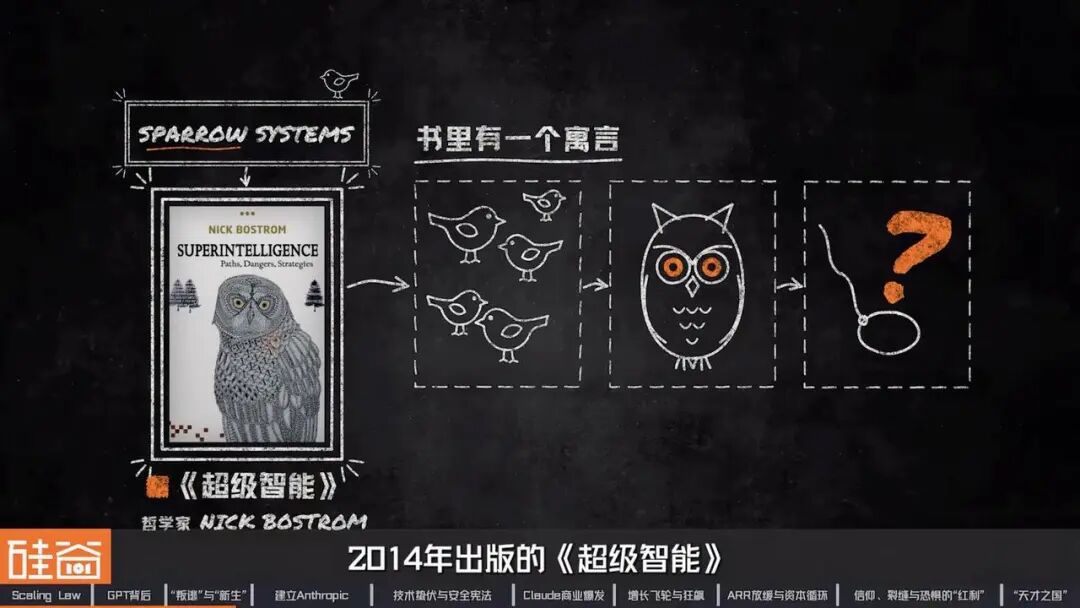
Initially, they considered naming the company "Sparrow Systems," derived from the philosopher Nick Bostrom's "Superintelligence". In this book, there is a fable stating that a group of sparrows sought to find a powerful owl but had not figured out how to control it. Published in 2014, "Superintelligence" was one of the most influential works in the early AI safety field and had a significant impact in the effective altruism (EA) community.
Kevin Roose
Former technology columnist for The New York Times, renowned technology writer
Several co-founders of Anthropic have explicitly stated they are effective altruists. I believe they are, to some extent, affected by the ideas of EA. Other companies also have people influenced by it or have some links to the movement, but its impact on Anthropic is deeper than any other company.
So, in a sense,the establishment of Anthropic is also a critical point where the AI safety ideological movement that has persisted for more than a decade transitions into commercial practice.
EA not only impacted the founding team of Anthropic but also brought significant early funding to it.
Though everyone liked Sparrow Systems, the domain was already taken, so they ultimately chose Anthropic.
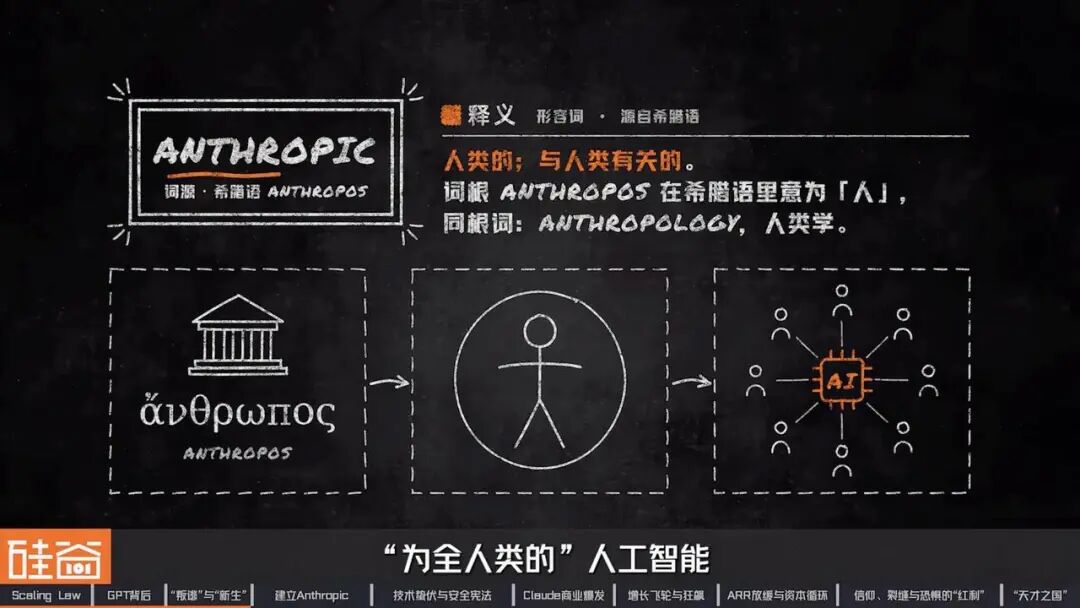
The word "Anthropic" is derived from Greek, meaning "human" or "related to humanity," signifying that they are building AI "for all of humanity." Anthropic was officially established on January 26, 2021.
▍Founding Anthropic
Learning from the lessons of OpenAI, the founding team of Anthropic designed a very detailed governance structure from the very beginning. Firstly, they chose an organizational form called a "Public Benefit Corporation" (PBC).
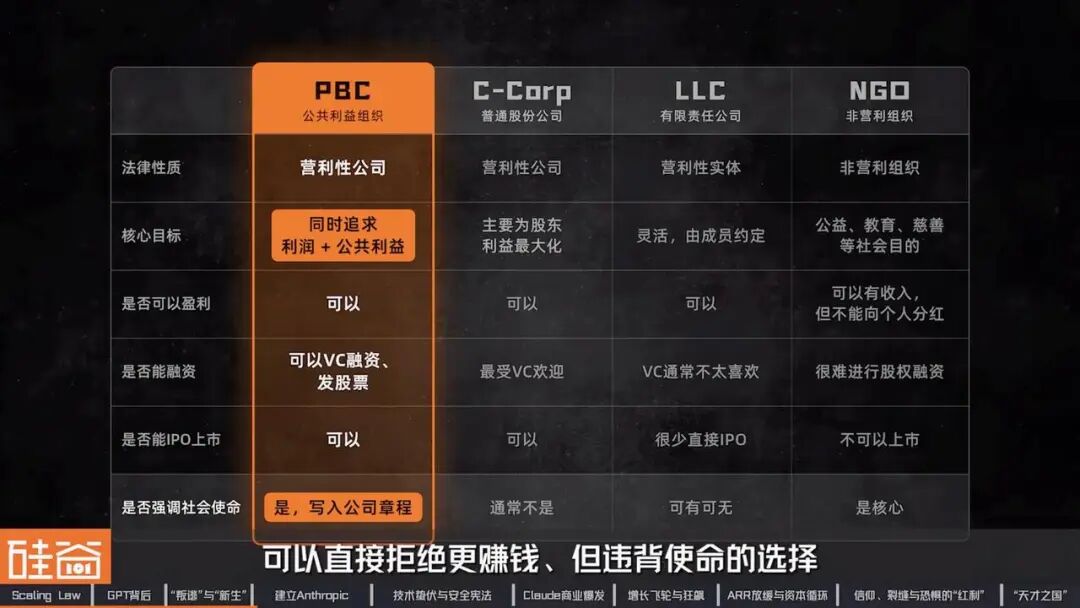
A PBC is essentially also a for-profit company that can raise funds and go public, but unlike ordinary companies that generally focus on shareholder returns, PBCs allow boards to consider both commercial interests and public missions, even rejecting choices that yield higher profits but violate the company's mission.
At first glance, this structure seems quite appealing: it can establish an image of valuing public missions without affecting financing and listing. However, in terms of operational efficiency, PBC may not be the optimal choice for startups.
Liu Xiaoxiao
Silicon Valley corporate lawyer, equity structure expert
Adopting a PBC structure makes the registration process of the company, as well as each subsequent voting process, more complex than most companies. If purely from the perspective of development efficiency, it’s not very favorable.
Every shareholder meeting resolution and board resolution requires a justification similar to a thesis. Since it’s all internal, can we cut corners? Actually, there is no way to cut corners. If you don’t follow the rules, one day when you need to, you’ll find the cost of compensating for it is extremely high, or even impossible to compensate at all.
However, for Anthropic, writing the public mission into the company’s charter was just the first step. The more critical question is: who decides the company’s development direction? When the interests of investors and management collide, who will have the final say?
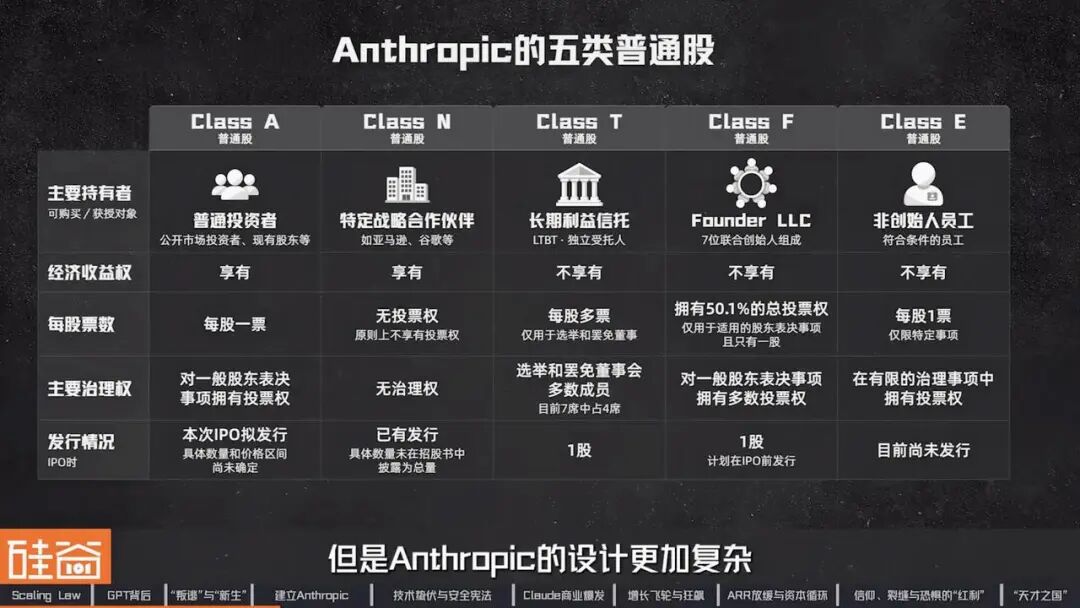
To address this, Anthropic designed a fairly complex equity and governance structure. According to the latest IPO prospectus, Anthropic has divided its common stock into five classes: Class A, N, T, F, and E. Among them, Class A is the stock issued to the public in this IPO, with each share possessing one vote and enjoying economic rights such as dividends; Class N is mainly aimed at strategic partners, who enjoy economic rights but, in principle, have no voting rights.
The other three classes of stock are more special; they carry little economic benefit but are granted different governance rights. Class T shares are entrusted to an independent body named the "Long-Term Benefit Trust" (LTBT); Class F shares are given to the Founder LLC made up of the seven co-founders; and Class E shares are offered to non-founder employees, granting them limited voting rights on specific governance matters.
In fact, it’s not uncommon for Silicon Valley companies to adopt multiple classes of stock. Companies like Google and Meta have used different classes of stock to allow founders to retain control of the company even after their ownership percentages decrease. However, Anthropic's design is more complex: it further separates economic rights, shareholder voting rights, and board election rights, delegating each to different groups. Among them, Classes T and F are particularly notable.
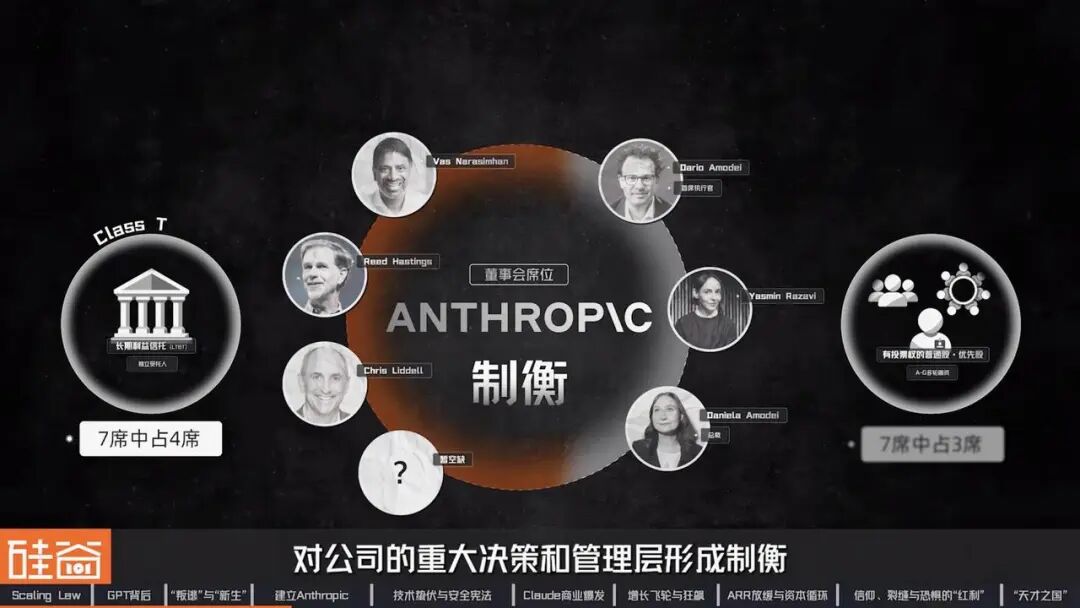
The institution behind Class T is the "Long-Term Benefit Trust" (LTBT). This is an innovative system that Anthropic began designing from the outset and officially implemented in 2023. The LTBT consists of five trustees with professional backgrounds in AI safety, national security, public policy, and more. By holding Class T shares, it gains a very special power: to elect and remove the majority of board members. The board can decide major operational directions for the company, appoint, supervise management, including deciding who serves as CEO.
Currently, of the seven board seats at Anthropic, four are elected by the LTBT, while the other three are generated through other shareholder voting mechanisms. This means that even if Anthropic goes public and its equity becomes more dispersed, the LTBT can still use its majority board seats to check the company’s significant decisions and management.
But just having the LTBT is not enough. Major matters such as amending the company charter and company mergers still require shareholder votes. Therefore, just before this IPO, Anthropic established a new Founder LLC. This entity is composed of the seven co-founders who collectively control special Class F shares. In applicable shareholder voting matters, these shares hold 50.1% of the total voting rights.
In addition, this 50.1% voting power will be dynamically maintained. The prospectus cites that even if Anthropic issues another million Class A shares in the future, Class F will automatically increase by about 1.004 million votes to ensure its voting power remains at 50.1%. In other words, as long as the special rights of Class F remain valid, no matter how many common shares the company issues in the future, other shareholders cannot dilute the founding team’s majority voting rights just by issuing new shares.
As for how the voting rights of these shares will be exercised, this is collectively decided by the seven founders according to internal rules. Thus, the LTBT holds the election rights for the majority of board seats, while the seven founders possess the majority votes on shareholder voting matters.
The intention of this structure is very clear:to institutionally sever the conventional logic that “money can buy a voice,” allowing Anthropic to maintain strong governance even after financing and going public, without having to hand over the steering wheel to investors.
Liu Xiaoxiao
Silicon Valley corporate lawyer, equity structure expert
When studying this company structure, we believe they must have found a very good lawyer on the first day to help them create the company structure. Moreover, although Dario and Daniela say publicly that this is their first startup, from our perspective of over a decade of working on equity structures, they must have had many quiet, failed startups to understand just how important equity structure is.
These top companies have all experienced setbacks and taken wrong turns, to some extent, in their equity structuring. But Anthropic’s equity structure can be regarded as a perfect answer sheet up until now. We believe they have thought ten or a hundred steps ahead from the very beginning.
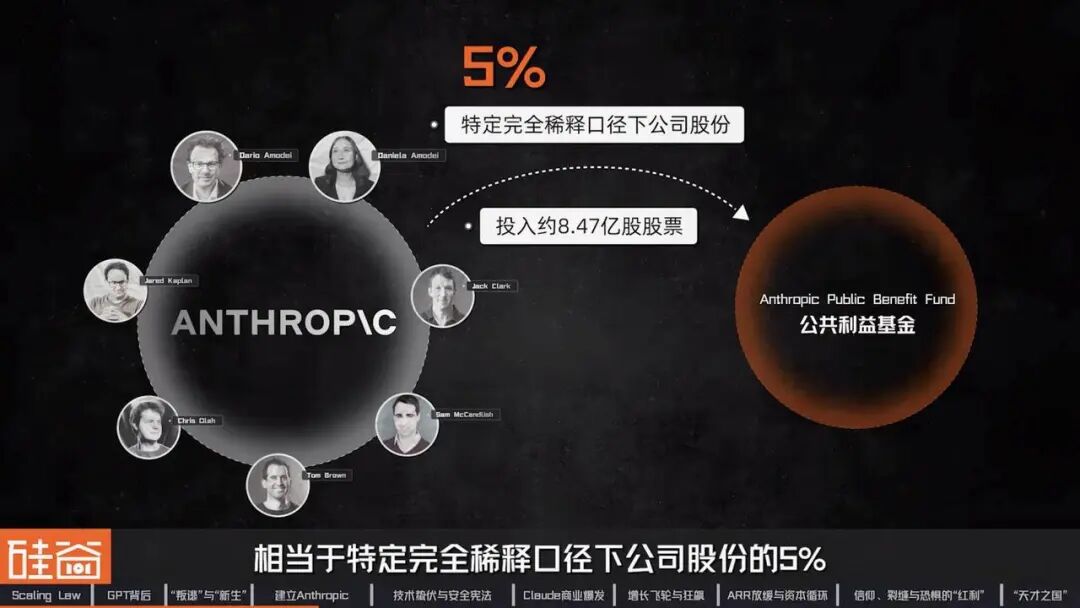
Another particularly noteworthy detail is that the seven co-founders of Anthropic received nearly equal founding equity. Moreover, they collectively committed to donate 80% of their personal wealth for AI safety and public welfare, with the donation proportions completely consistent. Just before the IPO, Anthropic also announced the establishment of a new "Public Benefit Fund," investing approximately 847 million shares into this fund, equivalent to 5% of the shares of the company under specific fully diluted metrics.
According to Anthropic, combined with the charitable commitments of the founders and employees, about 20% of the company’s shares will be dedicated to public interest purposes.
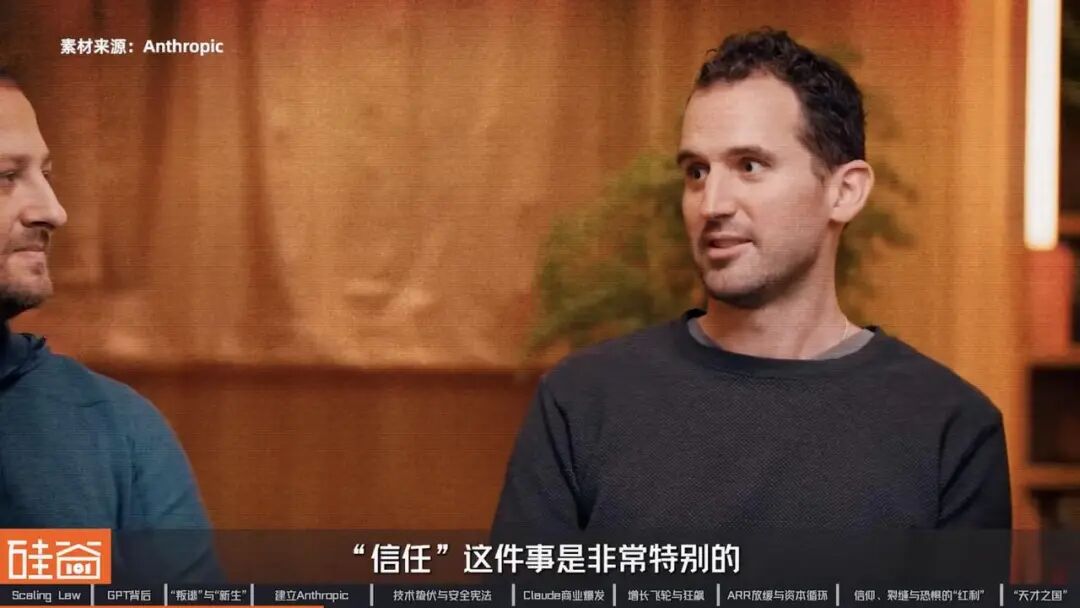
Tom Brown
Co-founder of Anthropic
I think each of us is quite aware that we entered this field to do something for the world. We also made the "80% commitment," which was almost unanimously agreed upon as "Yes, of course, that is what we should do." And I genuinely believe that "trust" is very special and extremely rare.
For ordinary startups, having seven co-founders could be seen as a “disaster.” However, Anthropic's team structure has remained remarkably stable, and to this day, these seven continue to play irreplaceable roles in the company's core positions. While most of these founders have already been introduced, there is one who, despite not having a technical background, is crucial to the founding and later rise of Anthropic.
She is Dario Amodei’s sister—Daniela Amodei.
▍Business Navigator, “Versatile Talent,” and Stripe
Although they are siblings, Daniela has preferred literature and art since childhood. Compared to Dario’s academic path, Daniela’s experience is much richer. She has worked in related electoral campaigns in Pennsylvania, communicated for lawmakers, handled operations at an organization affiliated with Doctors Without Borders, and managed poverty project grants at a research center at the University of Maryland.
After several twists and turns, she did not enter the tech industry until 2013, joining the payment company Stripe as its 40-something employee. She initially handled recruitment and later shifted to risk management. Her diverse experiences often led Daniela to joke about being a "jack-of-all-trades."
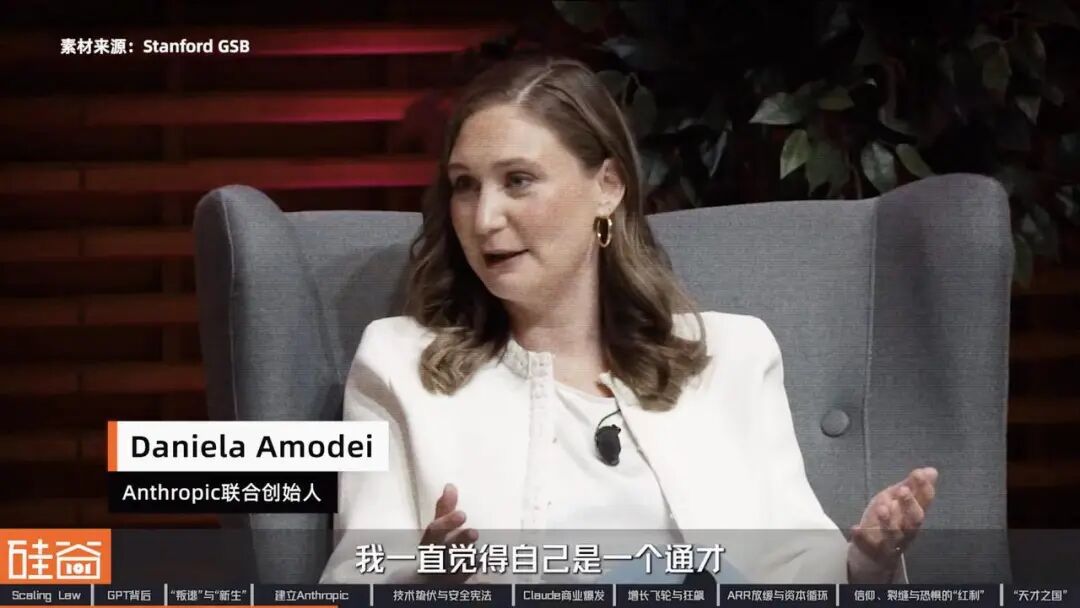
Daniela Amodei
Co-founder of Anthropic
This is actually quite interesting; to some extent, I’ve always felt like a generalist.
If you look back at my experiences, you might wonder, “What is this woman really good at?” But I believe the ability to maintain curiosity and learn across many different fields, along with the strong starting point of wanting to have an impact no matter which field you work in, is often an underestimated skill.
It is this personality and background that complete the part of Dario's capability that he lacked the most. Dario could focus on a curve, envisioning the world five years later, but he lacked the patience for routine matters like hiring, finance, and processes that would “actually get things done.” Daniela, on the other hand, is all about collaboration among a group of people and breaking down grand ideas into tangible, operable daily tasks. This division of labor became even more significant once Anthropic truly began operations.
As the company expanded from dozens of employees to thousands and its valuation soared to hundreds of billions, Daniela, as Anthropic's president, became the central hub ensuring the entire machine operated smoothly. Now, as CEO, Dario has only one direct subordinate in the company, Chief of Staff Avital Balwit. All other executives report to Daniela, and the daily operational management of the company is mainly coordinated and decided by her.
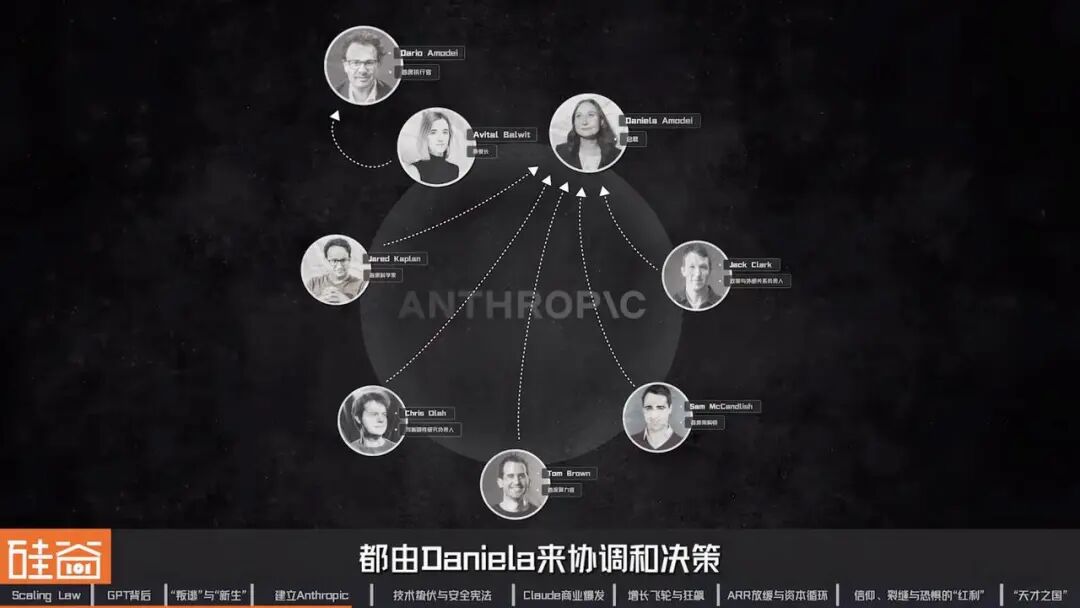
Daniela’s significance to Anthropic is not only reflected in later operational aspects. When the company was founded, she brought in a critically important capability—commercialization. Behind that lies another important company: Stripe. The initial core team of Anthropic mostly came from research backgrounds, with undeniable technical strengths but lacking experience in large-scale commercialization and organizational operations. Daniela’s work experience at Stripe precisely filled this gap.
When Daniela joined, Stripe was still an obscure startup. Now, its valuation has soared to $159 billion, making it one of the leaders in the global fintech industry. OpenAI co-founder Greg Brockman was Stripe’s first engineer and later became its CTO. The commercialization challenges faced by Anthropic are, in a way, very similar to those encountered by Stripe: both companies are essentially selling technological infrastructure targeted at enterprise customers.
How to build an organization, serve customers, establish a sales system, and drive strategic partnerships—these are all lessons Stripe pioneered from zero to one. Daniela successfully brought much of this experience to Anthropic. LinkedIn data shows that as of June 2026, hundreds of former Stripe employees have joined Anthropic, many playing important roles in recruitment, operations, and commercialization.
On one side is the technical capability to build cutting-edge AI models, and on the other is the commercial ability to quickly turn research into products.From its inception, Anthropic possessed such a mutually reinforcing system, which has become a solid foundation for its subsequent rapid development.

After splitting from OpenAI, Anthropic’s rise has followed a remarkably clear path with gradual progression, which can be roughly divided into four stages:
The first stage is from its founding in 2021 to March 2023, before the release of Claude 1, termed the "technical dormant period";
The second stage is the "product unveiling and trial phase" occurring after the release of Claude 1 and before the release of Claude 3 in March 2024.
The third stage is from the release of Claude 3 to the launch of MCP at the end of 2024, referred to as the “building the product system and accelerating commercialization phase”;
The fourth stage is from 2025 onwards, termed the "leading technology and super growth period."
Following this timeline, we can see a series of key decisions and turning points in Anthropic's fate.
▍Technical Dormancy
After its establishment in early 2021, Anthropic remained in a prolonged state of "intentional low profile." For two whole years, they did not release any products. In fact, as early as the summer of 2022, the first version of the Claude conversational model had been trained, even months earlier than ChatGPT. But at that time, Anthropic actively hit the brakes.
Dario Amodei
Co-founder and CEO of Anthropic
By 2022, we already had the early version of Claude, which was Claude 1. At that time, ChatGPT hadn’t been released yet. But we chose not to release it because we were concerned it might trigger an arms race, leaving us not enough time to ensure these systems could be safely developed.
During that time, they devoted considerable energy to several issues that seemed to show little commercial return. Firstly: how to make language models not only smart but also good? Initially, the team applied RLHF (Reinforcement Learning from Human Feedback); human annotators scored the model's behaviors and answers, allowing the model to learn based on those evaluations.
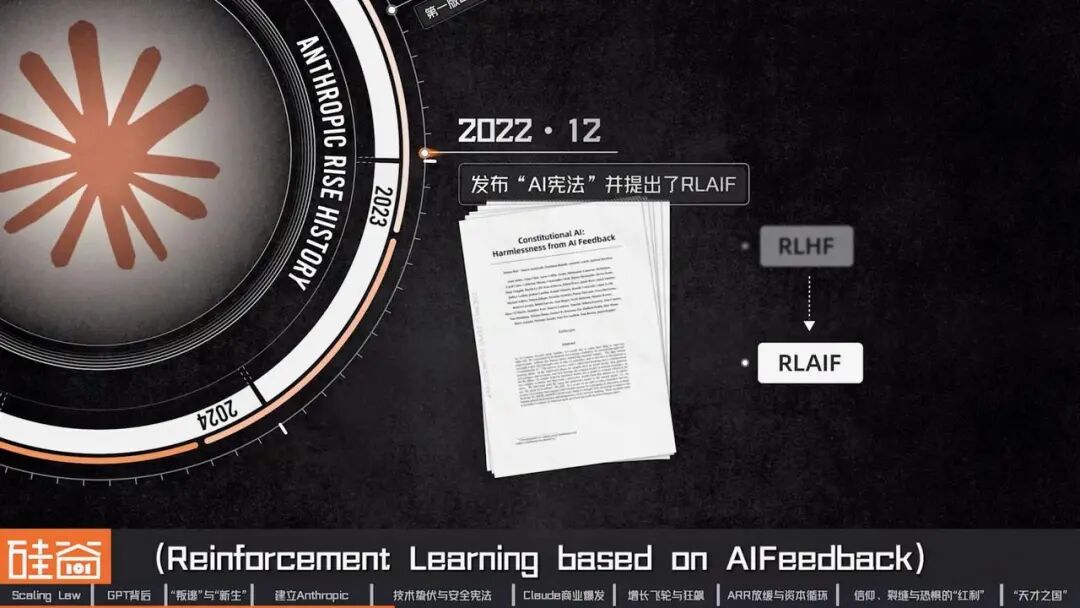
But RLHF was both slow and costly, and while human reviews could judge the outcomes as good or bad, they were less effective at explaining exactly where the issues lay. Thus, Anthropic moved a step further: in December 2022, they released "AI Constitution" (Constitutional AI) and proposed RLAIF (Reinforcement Learning from AI Feedback).
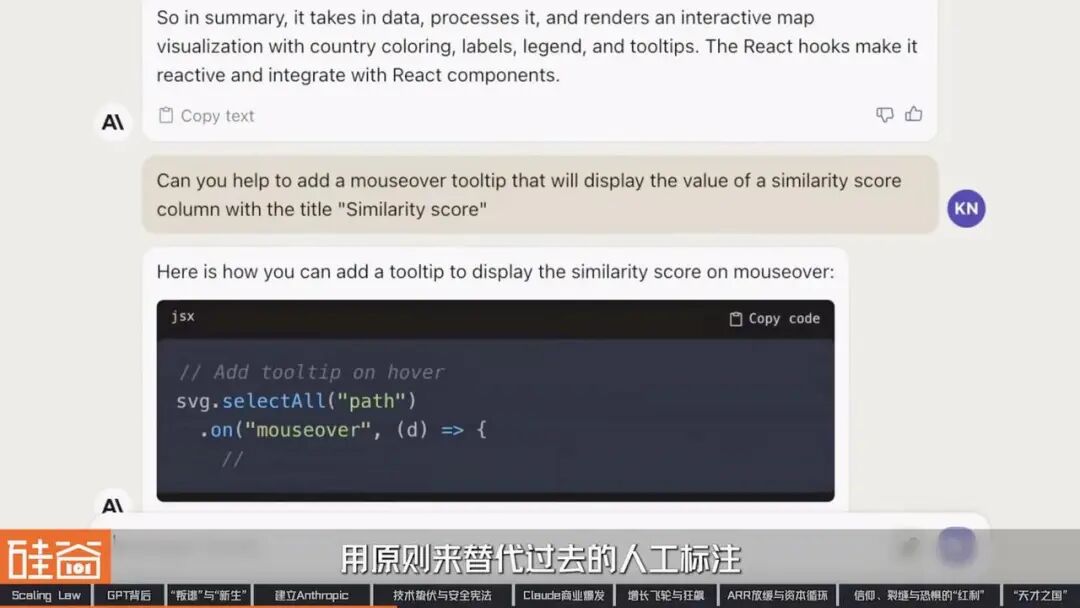
The so-called "AI Constitution" involves writing a set of high-level principles and values for the model, allowing it to assess, critique, and revise its own responses based on these guidelines.It attempts to replace some human annotations with principles, enabling the model to still know where the boundaries are at times of unsupervised learning.This approach of allowing AI to monitor AI later influenced research directions like "AI self-improvement" and "super alignment," and was widely followed by Google and OpenAI.
Daniela Amodei
Co-founder of Anthropic
In fact, we provided Claude with a framework for thinking about ethical issues. We trained it on various different documents. I remember the most famous inclusion was in the initial "constitution," where we added the "Universal Declaration of Human Rights" and Apple's terms of service. We essentially wanted the model to understand a broader ethical framework.
Constitutional AI can be considered the concrete realization of Anthropic's safety philosophy, and it became a key factor in forming Claude's unique "model personality," distinguishing it from competitors. Dario later likened the "AI Constitution" to "a letter from deceased parents to their child, opened only when the child is of age." You cannot forever hover over the model’s shoulder; all you can do is write down what you value and why, trusting that the model can remember these principles during unsupervised periods. The whole process resembles nurturing the character of the model.
Today, the importance of Constitutional AI has gained wider recognition. But at the time of its release, it stirred little excitement because everyone’s attention was focused on ChatGPT, which had launched just 15 days earlier. On November 30, 2022, ChatGPT emerged, shaking the global landscape overnight.Anthropic watched its early lead evaporate. Years later, Dario would admit thatthe cost of that foot on the brake was extremely high.
After ChatGPT fired the first shot, the AI race commenced. Google, Meta, Microsoft, and xAI all joined in the fray, but Anthropic didn’t rush to enter the arena, only launching Claude 1.0 in March 2023, and it was only available to enterprise partners.
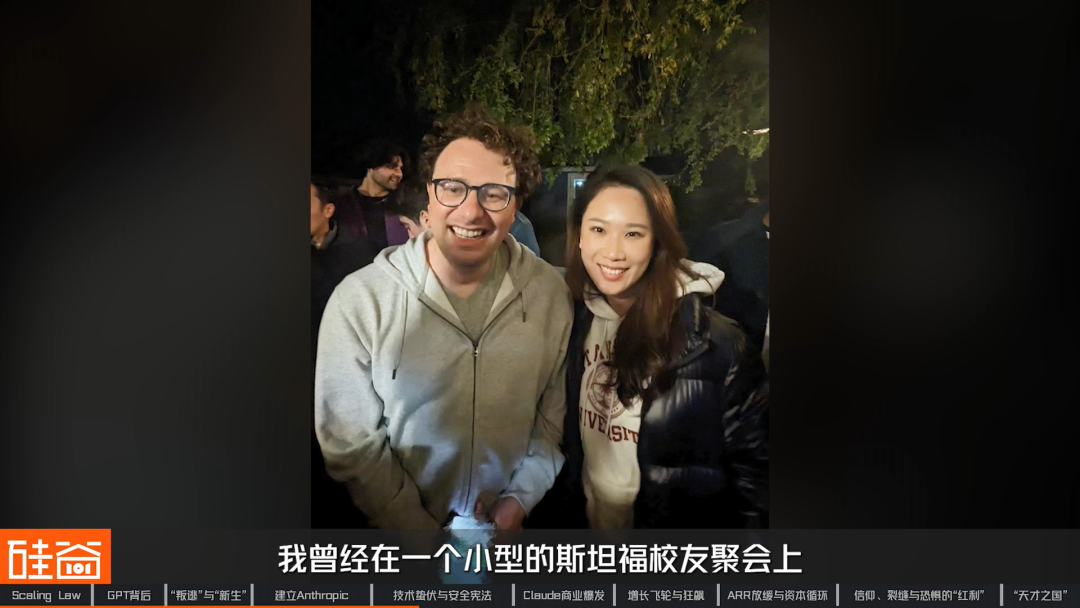
In April 2023, we encountered Dario at a small Stanford alumni gathering, where he shared research regarding explainable models with attendees. At that point, we asked him how he planned to monetize large AI models. He expressed that they would not bet on charging for subscriptions or ads to end consumers. Perhaps by then, Anthropic had already made the decision to adopt a different product positioning and commercial path from OpenAI and others.
Kevin Roose also told us that when he visited Anthropic around the start of 2023, the entire company seemed to have little thought about making money and felt more like a pure laboratory.
Kevin Roose
Former technology columnist for The New York Times, renowned technology writer
I first visited Anthropic in 2023 when they had about 150 employees. They barely had any revenue, and the chatbot had just launched. They seemed hardly interested in making money. I felt at the time they could easily focus on safety because it was all they had to offer.
▍Lay the Groundwork: AI Red Lines (RSP) and Capital Influx
After the release of Claude 1, while other companies were intensively rolling out new products, Anthropic spent significant time contemplating another matter: the Responsible Scaling Policy (RSP). Dario stated he personally spent three months dedicating 10% to 20% of his work energy repeatedly drafting this document. Other founding members of Anthropic were also deeply involved in the modifications and iterations of the RSP.
The RSP established a framework for "AI Safety Levels" (ASL), inspired by biosafety levels. From ASL-1 to ASL-4, each level linked hazardous capabilities with corresponding mandatory protective measures. The RSP originally stipulated that once a model's capabilities approached a certain red line, and corresponding protections were not yet in place, model development must cease until the safety measures were complete.
Jared Kaplan
Co-founder of Anthropic
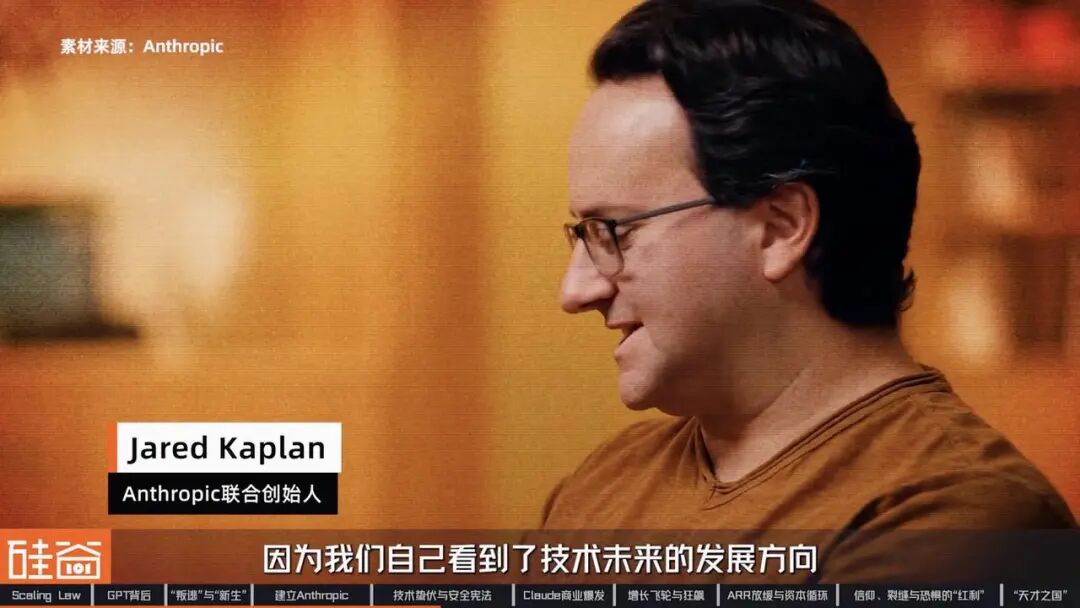
I think it was important to get the RSP right because we saw the future direction of technological developments ourselves. We need to find a way to ensure AI is both practical and innovative while also providing a pleasant experience for users. Furthermore, we need to clarify what truly necessary and sustainable limits we need to impose to ensure these systems' safety.
However, this document, once considered crucial by the Anthropic team, was later revised and became a significant trigger for the company's divided reputation. The specific controversies will be discussed later. But at least in its first two years, Anthropic devoted almost all its resources to establishing a "safety and alignment" large model, didn't rush to release products, and did not participate in the early user acquisition battle.
The foundation that allowed Anthropic to "slow down" was consistent capital infusions. At the initial founding stage, it only garnered $124 million in Series A funding, involving figures like former Google CEO Eric Schmidt and Skype co-founder Jaan Tallinn. While this amount sounds substantial, it could be depleted within months of training a cutting-edge model. Dario and others estimated that at least $10 billion would be needed to sustain the company.
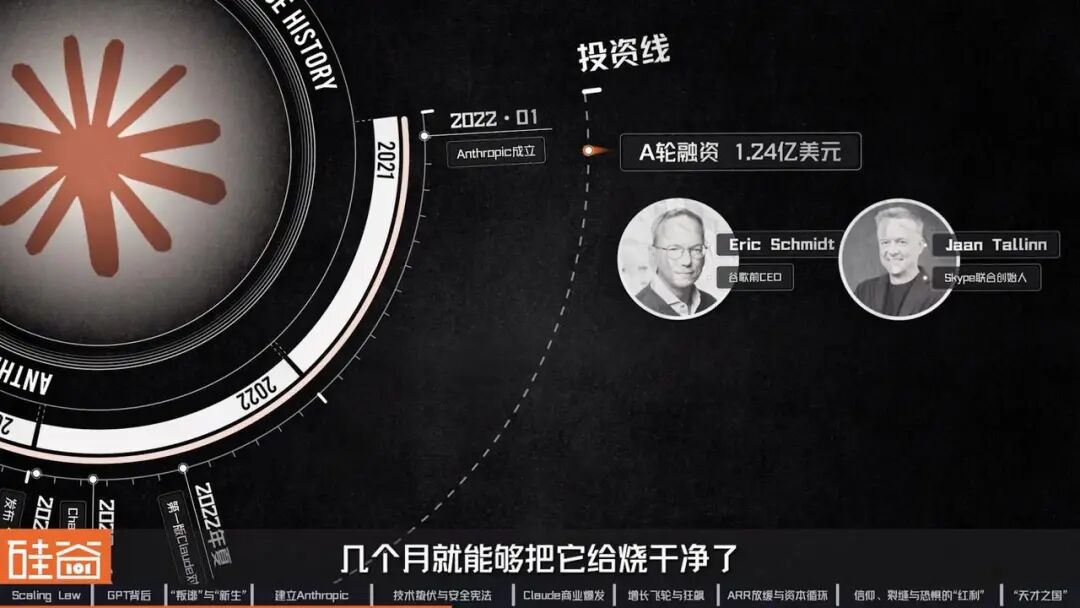
The central issue before Dario and the others was money—Anthropic needed money, a lot of it. The forthcoming large capital influx came from one of the wealthiest and most prominent figures in the EA circles: FTX founder Sam Bankman-Fried. In April 2022, Anthropic announced it had completed a $580 million Series B financing round, approximately $500 million of which came from SBF. In return, he secured about 13.5% of the company's shares.
However, merely six months later, the FTX empire collapsed. According to allegations from the U.S. Department of Justice, SBF had long misappropriated FTX customer funds for high-risk investments, debt repayments, political donations, etc., ultimately misappropriating over $8 billion in customer funds. In 2023, SBF was found guilty of fraud, leading to a 25-year prison sentence. The $500 million investment in Anthropic also originated from misappropriated FTX customer funds.
Previously, we discussed this segment of history in detail regarding SBF; interested readers can refer to the video below.
This scandal severely damaged the reputation of the effective altruism (EA) movement, as SBF's name became inextricably linked to EA. Suddenly, EA, which had been a highly regarded ideological movement in Silicon Valley, turned into a highly controversial label. In this context, Anthropic also began to downplay its relationship with EA.
Kevin Roose
Former technology columnist for The New York Times, renowned technology writer
I believe both Dario and Daniela were very close to the EA circle. Of course, people joke that ever since FTX collapsed and Sam Bankman-Fried was imprisoned, no one claims to be effective altruists anymore; they only say they have some connections to that circle.
Dario and Daniela clearly have deep ties to the movement. Daniela’s husband, Holden Karnofsky, is a co-founder of GiveWell, one of the earliest charitable organizations in effective altruism that helped foster the rise of this movement. Dario has also spoken at EA conferences and signed the Giving What We Can pledge.
So their narratives have changed a bit now, because, in my view, Sam Bankman-Fried and FTX dealt a significant blow to the reputation of effective altruism. After the incident, I feel that many people distanced themselves from the movement.
However, SBF's imprisonment has not substantially affected Anthropic. On one hand, the investment had already been finalized; on the other hand, Dario was wary of SBF from the very beginning. Faced with this investor known for being high-profile and aggressive, he only granted him non-voting shares and did not allow SBF into the board, thus preempting potential governance power. But there is a certain irony to this:the company founded with "safety and integrity" as its goals found itself in need of funding from one of the largest frauds in the tech circle during its most difficult early stage.
Later, SBF's stake was diluted to around 7.8%. After his arrest for fraud, these shares came under the bankruptcy liquidation team and were sold in two batches in 2024, recovering about $1.3 billion. If held until now, the return on this investment would exceed hundreds of billions of dollars. There are even rumors that SBF was furious to learn that the shares were sold off before he was released.
After the FTX incident, Anthropic’s financing also became more cautious, and virtually all subsequent investments came from tech giants.
In February 2023, Google made the initial investment of $300 million in exchange for about 10% of equity, while also becoming Anthropic's cloud provider. After Claude 1.0 was made available to enterprises for over a month in May 2023, Anthropic secured an additional $450 million in "ecosystem" financing from major corporations including Google, Salesforce, and Zoom, opening up more application scenarios for enterprise clients.
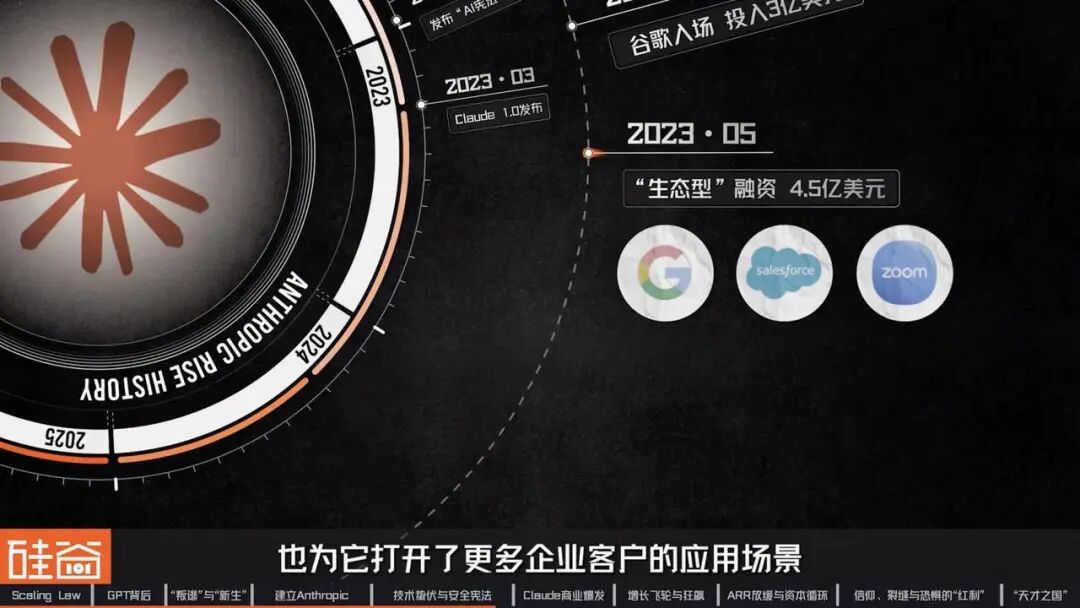
With this funding and Google’s training platform, Anthropic had gained certain capabilities to compete with OpenAI in the consumer product market. Yet, it still chose to focus on the B-side, i.e., enterprise business.
Dario Amodei
Co-founder and CEO of Anthropic
We chose a very different path from other players. From the very beginning, Anthropic has placed a strong emphasis on the safety and reliability of AI systems. Later, we realized that, compared to the consumer market, this aspect matched very well with the needs of the enterprise market. Because enterprises value reliability and trust, and establishing long-term cooperative relationships with customers. So we decided to focus on developing enterprise business. Of course, we also have consumer-facing products, but that is not our main focus.
Of course, we have heard another industry perspective: Anthropic once considered entering the C-end chatbot market, but ChatGPT had firmly occupied the user's mind and ecological niche, leaving little space for Anthropic; thus, the company was forced to focus on the enterprise side. Regardless of the explanation, Anthropic has indeed gradually formed a different market positioning from OpenAI.
In July 2023, Claude 2.0 was released, bringing a highly impactful capability at the time, which was support for approximately 100,000 tokens in context windows. This meant Anthropic could handle texts at the level of entire books, thus entering the use cases of "long documents and complex tasks." At the same time, the 웹 version of Claude.ai was launched, providing Anthropic with its first direct user entry point.
In November 2023, Claude 2.1 was further optimized for enterprise scenarios. By then, Anthropic's growth flywheel had started to spin.

Following the launch of the Claude 2 series, Amazon was the first to smell opportunity. In September 2023, Amazon announced a strategic investment of up to $4 billion in Anthropic. This not only represented a massive financing amount but also meant an entire set of infrastructure binding: AWS became Anthropic’s core cloud platform, with AWS Trainium and Inferentia chips prioritized for supply, and Claude being directly integrated into AWS Bedrock for distribution to enterprise customers. Capital, computing power, and distribution channels were seamlessly connected in Amazon's bet.
A month after Amazon's move, Google swiftly followed up, announcing an additional $2 billion investment in October 2023. The endorsement from two cloud computing giants allowed Anthropic to obtain the infrastructure and funds necessary for scaling. Following this, the iterations of Anthropic's models noticeably accelerated.
In March 2024, a significant technological watershed appeared: Claude 3 was released.
▍Claude 3’s Comeback, Claude Code Sparks Growth
Claude 3 surpassed OpenAI's GPT-4 for the first time in several key benchmark tests, making the entire industry realize that Anthropic, which had previously remained on the fringe of the AI race, had transformed into a contender that could vie for the top spot. In terms of model design, Claude 3 introduced three tiers: Haiku, Sonnet, and Opus, covering different performance and cost requirements. This approach was later emulated by OpenAI, Google, and other companies, becoming the mainstream direction for large model product design.
Simultaneously, the APIs of this generation of models were opened up to 159 countries and regions, marking Anthropic’s full entry into the global market. The warmth from Claude 3 had not yet faded, and the subsequent launch of Claude 3.5 Sonnet placed Anthropic firmly at the forefront of the stage. Sonnet 3.5 broke the industry’s assumption of “bigger is stronger, more expensive is better,” achieving “flagship performance at a mid-range price” for the first time.
Zhang Lu
Founder and Managing Partner of Fusion Fund
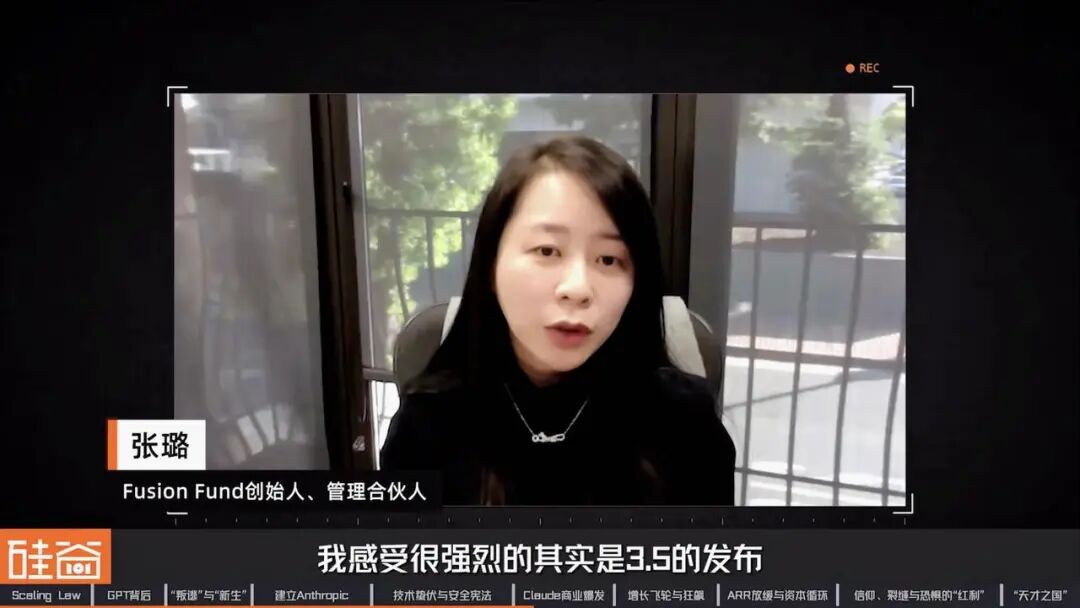
I felt very strongly about the release of 3.5. It not only performed better, but I remember it was better than both GPT-4 and Gemini, and what’s more important is that the cost decreased fivefold. This revealed that it could not only be done with high safety, but also with substantial capability and lower costs. With the drop in costs, it immediately became a company able to achieve enterprise-level profitability.
Sonnet 3.5 also had an important characteristic: it surpassed major competitors in programming scenarios. Internal programming tests at Anthropic showed that it could solve 64% of problems, while Claude 3 Opus could only solve 38%. Meanwhile, its execution speed was twice that of Opus, and the API price was also lower. Therefore, developers began to significantly shift towards Anthropic, directly driving the emergence of a batch of AI programming startups like Cursor and Windsurf.
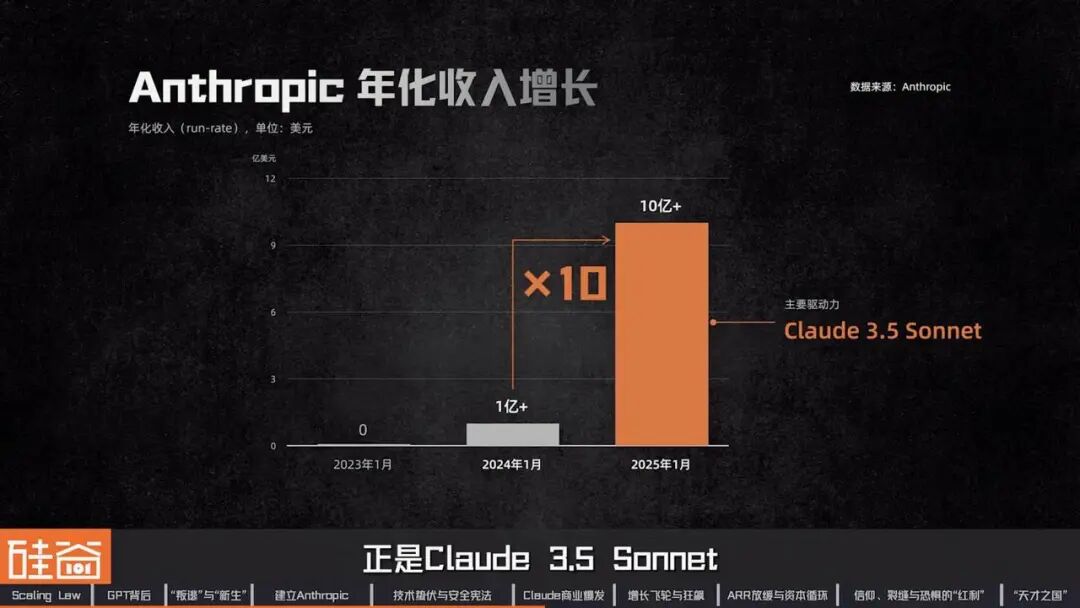
Data shows that Anthropic's revenue was just over $100 million at the start of 2024, but surged tenfold to $1 billion by the end of the year. The main driving force behind this was indeed Claude 3.5 Sonnet. After the release of Sonnet 3.5, Anthropic made several significant moves in the second half of 2024: it launched Computer Use and the Model Context Protocol (MCP), becoming the first to advance into the Agent market and laying the groundwork for the soon-to-appear Claude Code.
Someone tracked Anthropic's product releases from February 1 to March 23, 2026: in just 52 days, the company released a total of 73 products or new features, averaging about one release every 0.7 days. This speed is astonishing. Among the most pivotal products on this acceleration line is Claude Code. Initially, Claude Code was a small experiment conducted by Anthropic engineer Boris Cherny.
In an effort to familiarize himself with the company's API, Boris took two days to write a command-line tool. The first demonstration involved getting Claude to identify a song playing on a computer. He posted the tool on an internal Slack channel and received only two likes. However, as Boris gradually integrated capabilities for reading and writing files, executing commands, and so forth, this little tool suddenly went viral: just five days after the internal launch, half of the engineering team began using it; a few weeks later, the entire company couldn't do without it. At that time, it was still called Claude CLI.
In February 2025, Anthropic decided to launch it alongside Claude 3.7 Sonnet. Once it went live in May, Claude Code began to experience explosive growth: in three months, the annualized revenue surpassed $500 million; in six months, it broke the $1 billion mark; by February 2026, this number exceeded $2.5 billion. Such speed, from nothing to an independent business line with annualized revenue exceeding $2.5 billion, is extremely rare in the history of technology.
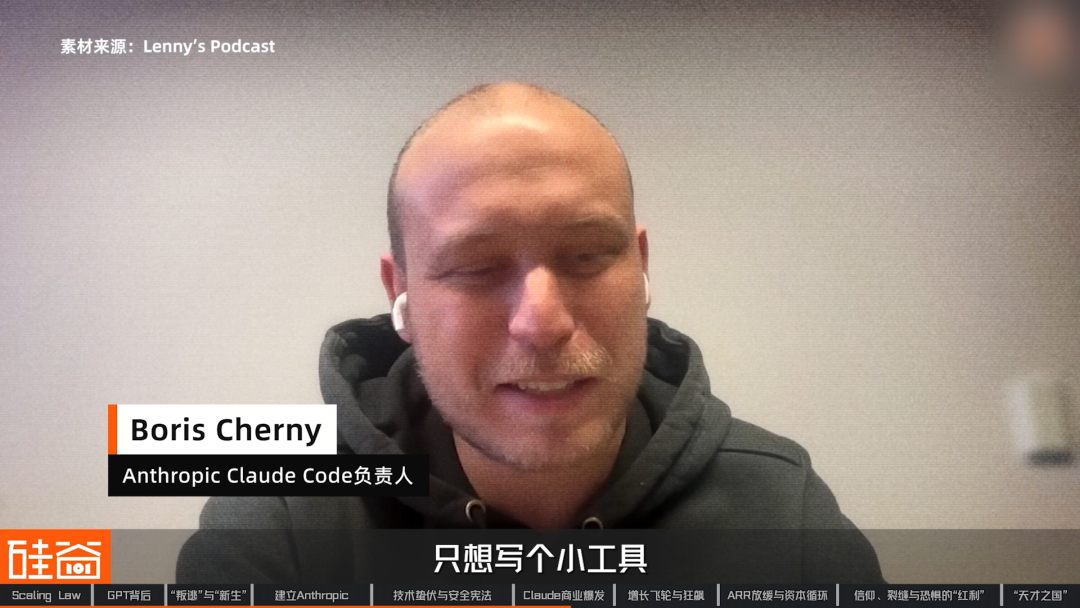
Boris Cherny
Head of Anthropic Claude Code
When I first started working on Claude Code, I just wanted to create a small tool. I think the most remarkable thing isn't just the current figures, but our growth rate. The numbers are still rising, and they're increasing faster and faster.
Claude Code opened up a more imaginative and immense market for Anthropic—Agents. Its success verified a replicable model for Anthropic:packaging model capabilities into vertical tools often creates a larger commercial space than simply selling APIs.
This logic also directly led to the creation of a series of products such as Claude Cowork, Claude Design, Claude for Science, Claude Tag, and Claude Duet. These agents gradually infiltrated various fields of daily work, directly reshaping the competitive landscape.
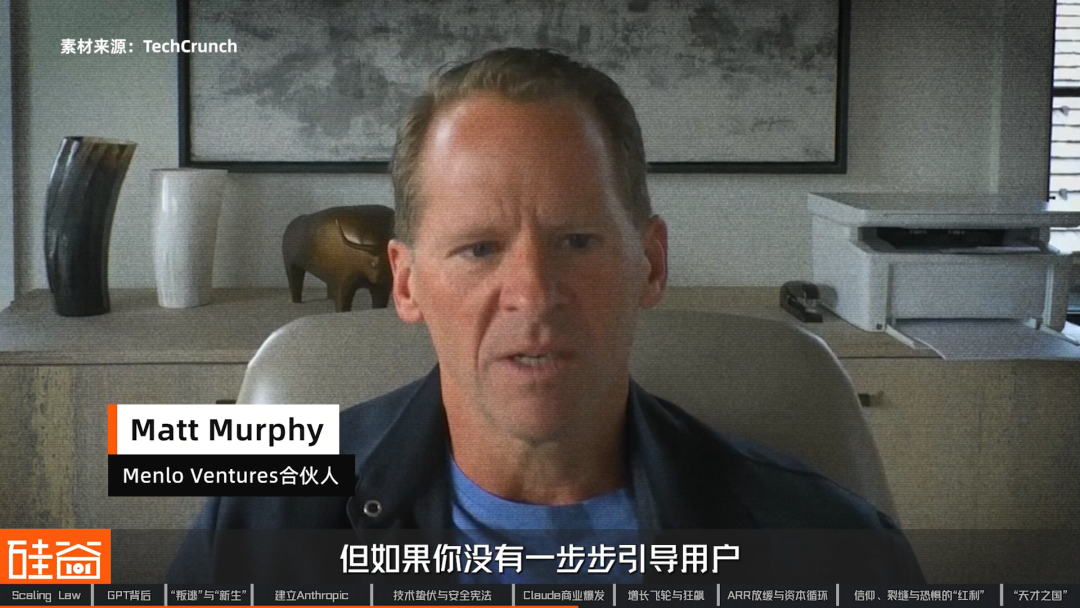
Matt Murphy
Partner at Menlo Ventures
Having a powerful model is one thing, but if you don’t guide users step by step and don’t provide them with ways to use the model, you basically can only wait for users to remigrate and refactor all their applications to use the API.
What Anthropic did exceptionally well was to launch products like Claude Code, Claude Code for Life Sciences, and Cowork. So, besides Claude Code, it’s these offerings that sparked the explosive growth in the entire market. They made these technologies more accessible and easier to use.
In the first half of 2026, as major software companies saw their stock prices collectively plummet—some even halved—significant amounts of cash began to flow from their customers into Anthropic. However, Anthropic's ambitions obviously extended beyond taking traditional software companies' business. It was also continually breaking through the limits of AI capabilities at the forefront of foundational models. In April, Anthropic showcased its model Mythos, which was touted as "the most powerful model ever built," initially opened only to a few partners. After the public launched Mythos 5 and the public-facing Fable 5, the potential cybersecurity risks raised concerns that even led to export controls from the U.S. government.
Following that, from Sonnet 5 at the end of June to Opus 5 in July, and then to Fable 5.1 in September, Anthropic completed multiple rounds of significant model upgrades within just a few months. Now, Anthropic has established a complete AI business ecosystem. The latest prospectus divides its business into three tiers.
The bottom tier comprises models, including the four main series: Mythos, Opus, Sonnet, and Haiku, each tailored to different capability, cost, and speed requirements. The next tier entails a platform where enterprises and developers can access Claude’s capabilities through APIs and development tools, building their own AI applications and agents. The top tier contains user-facing application products, including the Claude chat assistant and software development tools like Claude Code, and everyday office aids like Claude Cowork.
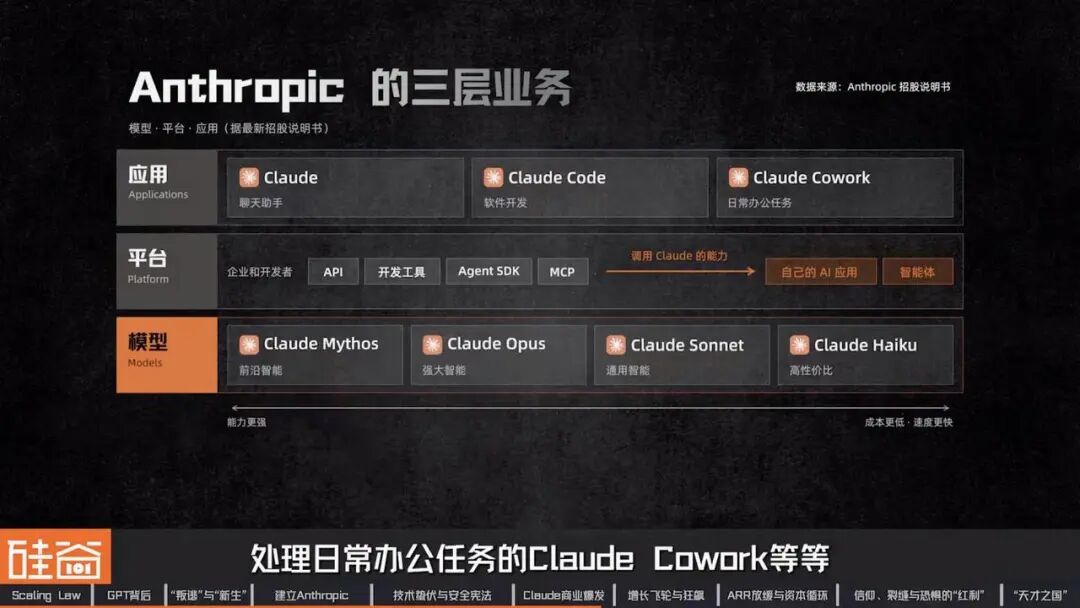
Therefore, while many previously viewed Anthropic as merely a foundational model company, it has now built a complete integrated ecosystem. Anthropic has even coined a term for its business model: Pay-for-intelligence. In simple terms, customers pay corresponding fees based on how many models they use and how many tokens they consume. In the first half of 2026, this consumption-based income accounted for about 80% of the company’s total revenue, with the remaining 20% from various subscription services.
Compared to the subscription model, the biggest advantage of pay-for-intelligence is the ability to
免责声明:本文章仅代表作者个人观点,不代表本平台的立场和观点。本文章仅供信息分享,不构成对任何人的任何投资建议。用户与作者之间的任何争议,与本平台无关。如网页中刊载的文章或图片涉及侵权,请提供相关的权利证明和身份证明发送邮件到[email protected],本平台相关工作人员将会进行核查。