The most important thing to pay attention to in business is sometimes not what customers bought, but what they initially intended to buy and ultimately gave up on. A neighborhood home goods store noticed their moisture-proof products were selling well, so the owner planned to restock; however, the online store's backend showed that many people placed storage products in their shopping carts but left at the checkout stage. These unfinished transactions often hide another type of unmet customer need.
In the past, small shops relied on the owner's years of accumulated experience to do business. The owner generally knows what regular customers like and which types of products sell well in which season; this sensitivity cannot be easily replaced by any computer system. However, today's consumer habits are changing, with locals accustomed to seeing physical items in stores before comparing prices or placing orders online at home; a business that ultimately did not close may not simply be due to high prices.
Take the example of online store customers abandoning payment at the last step; is it because shipping costs exceeded expectations, the checkout process was too complicated, or there was a lack of familiar electronic payment methods? If only the total monthly revenue is observed, these details cannot be detected at all. With the evolution of technology, today's AI assistants or AI agents are no longer limited to one-way question answering; they can assist store owners in actively organizing transaction and website usage data to analyze reasons from different angles, making operational issues no longer just a vague "why is business down."
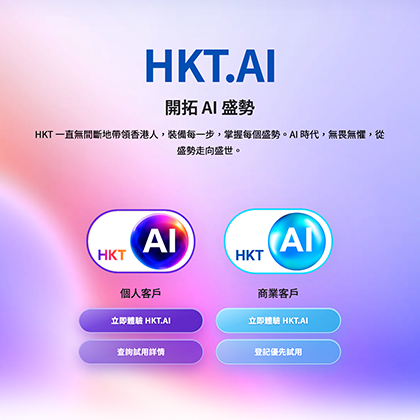
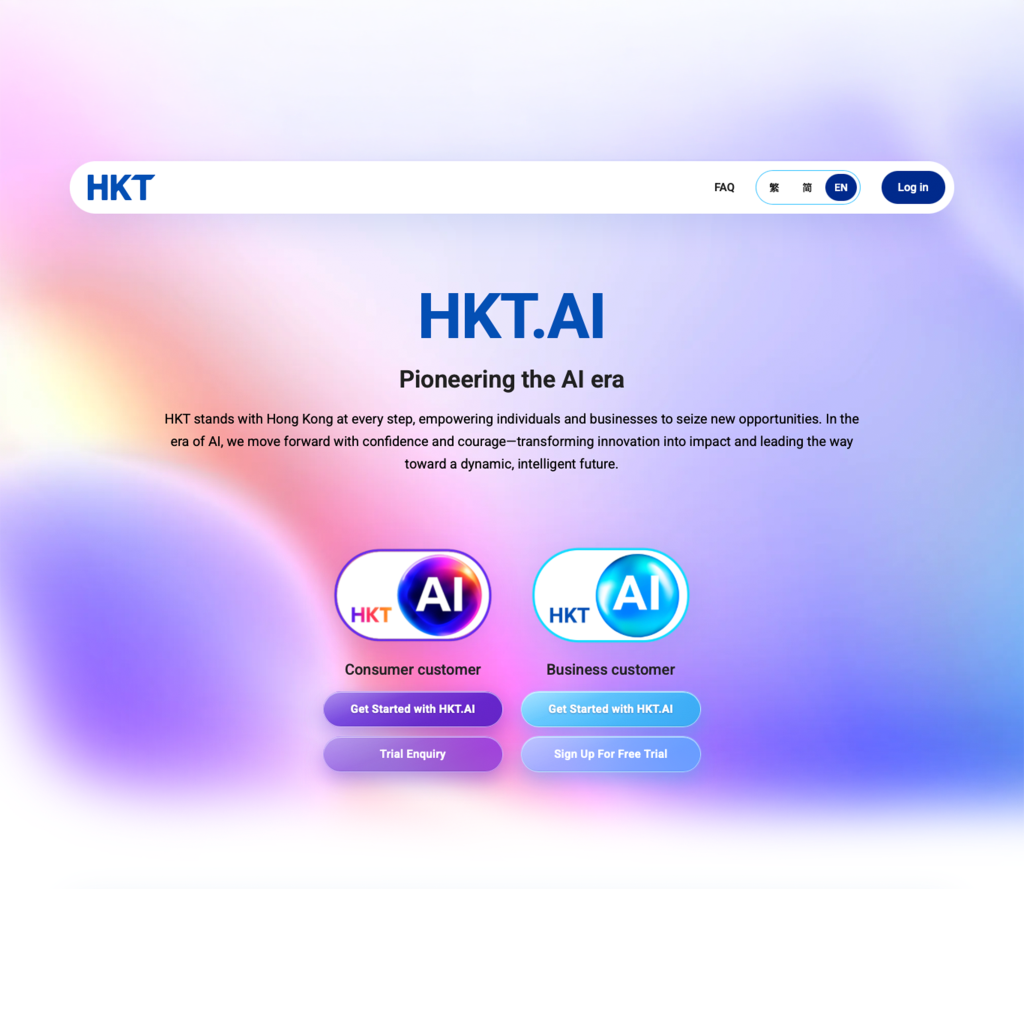
HKT.AI launched by Hong Kong Telecom (06823) is integrating various specialized AI assistants, among which the "WordPress E-commerce Expert" can provide specific recommendations for online store product management, payment integration, and checkout processes. If the store owner finds that the shopping cart abandonment rate is high, they can hand over the non-personal customer data related to the checkout process and operational situation to the AI assistant, which will actively diagnose which steps can be simplified and whether discount or shipping information should be displayed earlier. Although it cannot automatically read customer intentions, it can help the owner ask more precise key questions.
Furthermore, neighborhood shops can better utilize AI assistants to cross-reference in-store sales and online orders. For instance, if a certain product is very popular in the store but receives little attention online, it might relate to product images, size descriptions, or delivery arrangements; on the other hand, if another product is frequently inquired about online but not displayed in-store, have they missed out on community demand? These are not opportunities created out of thin air by AI, but clues worth revisiting from the store's existing data.
Apart from optimizing online store operations, AI can also assist small shops in exploring new sales channels. HKT.AI's "Live Stream E-commerce Operations Strategist" can offer practical advice to owners interested in trying live streaming sales, from selecting suitable products, designing the live streaming process, to planning limited-time offers and audience interaction segments, helping small shops systematically launch live selling. For example, a neighborhood food store operating for many years eager to attract young customers through live streaming can utilize AI to plan themes, organize product selling points, and even conceive ways to enhance purchasing intent through taste demonstrations and bundle offers. Even without a professional live streaming team or rich online marketing experience, small shops can use AI to lower the barrier for attempting new sales models, converting years of accumulated product knowledge and local reputation into opportunities to reach more potential customers.
Large chain stores have dedicated teams studying consumer behavior, while small shops may not have equal resources but excel in being nimble. Once issues are discovered through AI assistance, the owner can quickly conduct small-scale tests—first adjusting the checkout page, optimizing product information, or trying out a few new products, then observing actual market reactions, which is far more reliable than making large purchases based on instinct.
Of course, data analysis is just the starting point, not the final conclusion. Customers abandon purchases sometimes due to temporary issues; a product that is momentarily popular may not indicate long-term demand. Owners must still combine daily interactions and feedback from the community to gradually validate the system's judgments.
The most interesting contribution of AI assistants for small shops is not to teach owners to speak in terms of beautiful data like large corporations but rather to make the daily overlooked consumer clues clear and visible. Previously, doing local business relied on "knowing customers," and today, if they can have an intelligent partner who also "understands data," small shops may have the opportunity to see customers' next needs earlier.
This article is reproduced from Xinhua News Agency, with copyright belonging to the original author and original media.
免责声明:本文章仅代表作者个人观点,不代表本平台的立场和观点。本文章仅供信息分享,不构成对任何人的任何投资建议。用户与作者之间的任何争议,与本平台无关。如网页中刊载的文章或图片涉及侵权,请提供相关的权利证明和身份证明发送邮件到[email protected],本平台相关工作人员将会进行核查。