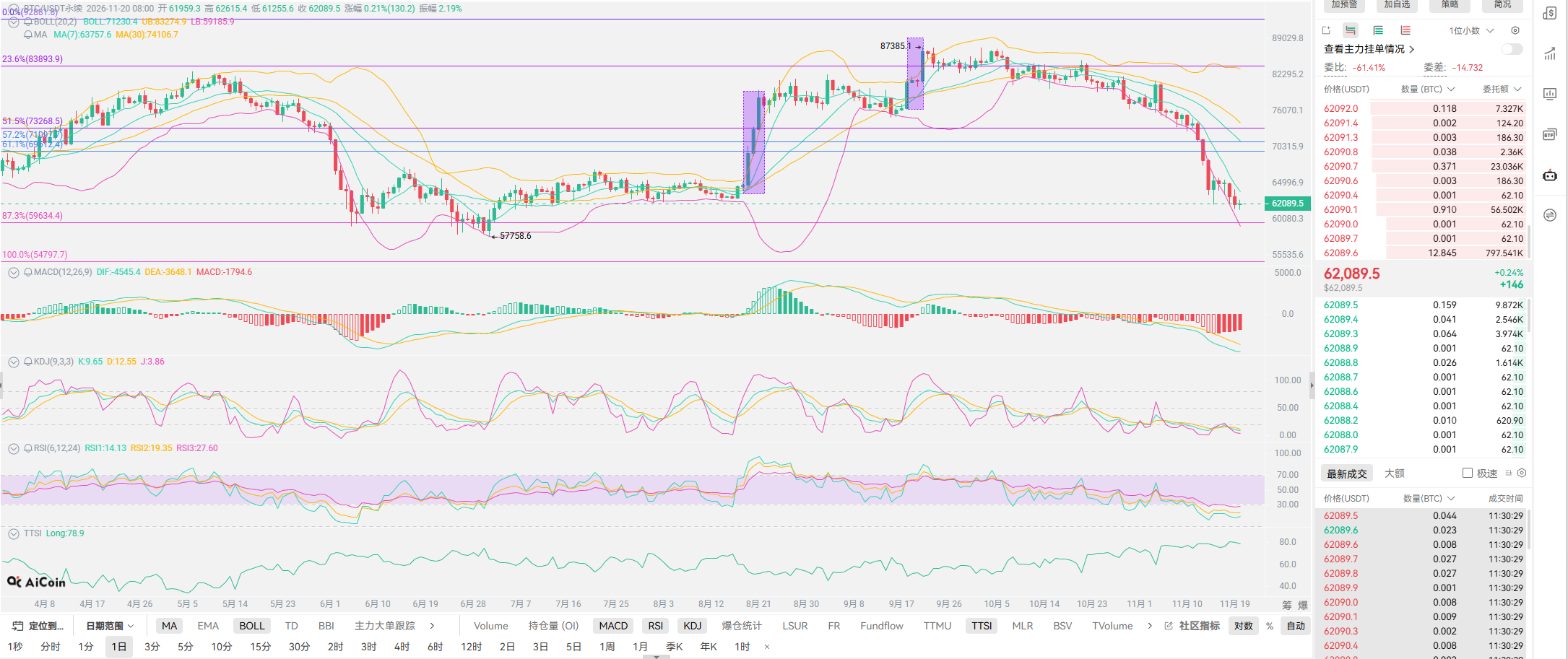
The market is descending again, continuously hitting new recent lows, with Bitcoin also testing the momentum at the 60,000 mark, dropping too quickly beyond expectations. It was merely a small piece of negative news that triggered this, with the initial jobless claims for the week at 203,000, higher than the expected 197,000, and the previous value revised up to 202,000. Under the pressure of the trend, any small straw will bring about a new wave of selling; fortunately, there are no major issues in the medium term. Constantly talking about the bear market is quite disheartening; today, let's talk about the bull market of small coins to inject confidence into all spot users. The crypto space is different from traditional financial markets. In traditional finance, the bear market is often created by capital selling off first, then suppressing prices. In the crypto space, it belongs to the awakening of ancient whales, with handover leading to price declines. In this respect, it is similar to the early stages of the securities market; fundamentally, there is no difference, but the handover time will be longer, with a longer period before capital concentration leads to price stability.
Recently, I have seen many discussions about the bull market in crypto, but there is one prediction about SOL that I particularly agree with, so I will share it for everyone to judge. Bitwise provided a forecast indicating that SOL could reach 1,000 USD by 2031, alongside an objective estimate of a bear market price at 80 USD. I believe that being objective obviously requires data support, and the core is anchored on-chain payments and tokenized data, which aligns with my thoughts. However, their calculation method is a bit more refined, after all, it's a regulated institution and more detailed than my singular approach. To directly discuss data support, to achieve 1,100 USD, 5% of global stocks need to complete the tokenization process. Based on this premise, SOL needs to capture a 65% share, with a corresponding annual transaction volume reaching 30.7 trillion USD, and the crypto trading business must achieve an annual growth rate of 50%, while the scale of on-chain payments needs to expand 15 times; ultimately, the SOL on-chain network needs to handle 3.6 billion transactions daily, which is 23 times the current SOL transactions.
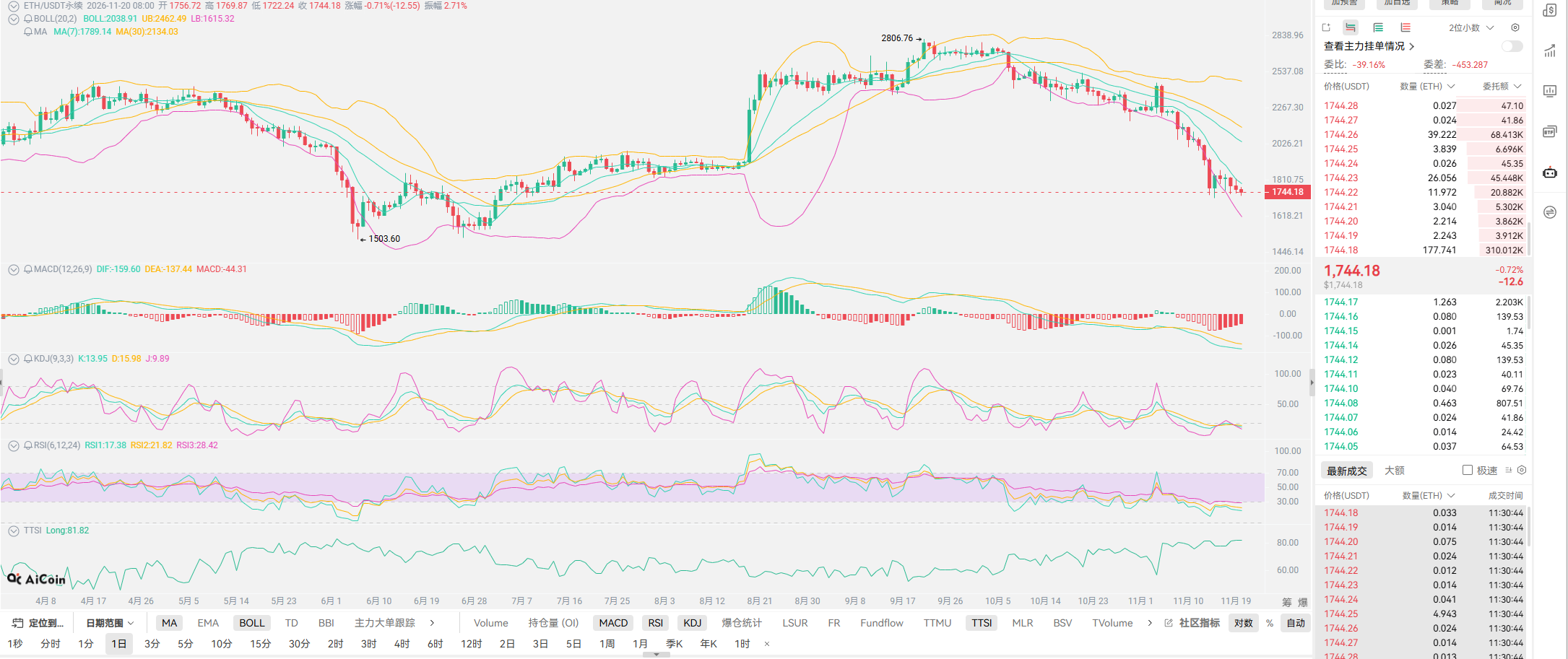
At the same time, the revenue side's growth is also clear: SOL, through growth, must achieve on-chain transaction fees of 128.3 billion USD, with the market giving a valuation of 60 times, resulting in a total network valuation of 770 billion USD. The conversion method is quite straightforward; based on the average of 700 million coins, one can derive the 1,100 USD price. This kind of estimate is a part of my daily work. 1,100 USD, if I'm being sincere, is somewhat too high, as the prerequisites are extremely harsh and nearly impossible to achieve. So I agree more with the latter estimate, which is the baseline expectation; it aligns better with my thoughts, with more relaxed conditions. The baseline expectation is that only 4% of global stocks are tokenized, and the Sol network captures an average share, corresponding to an annual transaction volume of 15.7 trillion USD. This is a fundamental comparative issue; the simplest comparison is the gap between market share and industry penetration. If this only reflects the expectations of a bull market, I naturally find it not objective enough, and it's worth mentioning that this article highlights the bear market expectations.
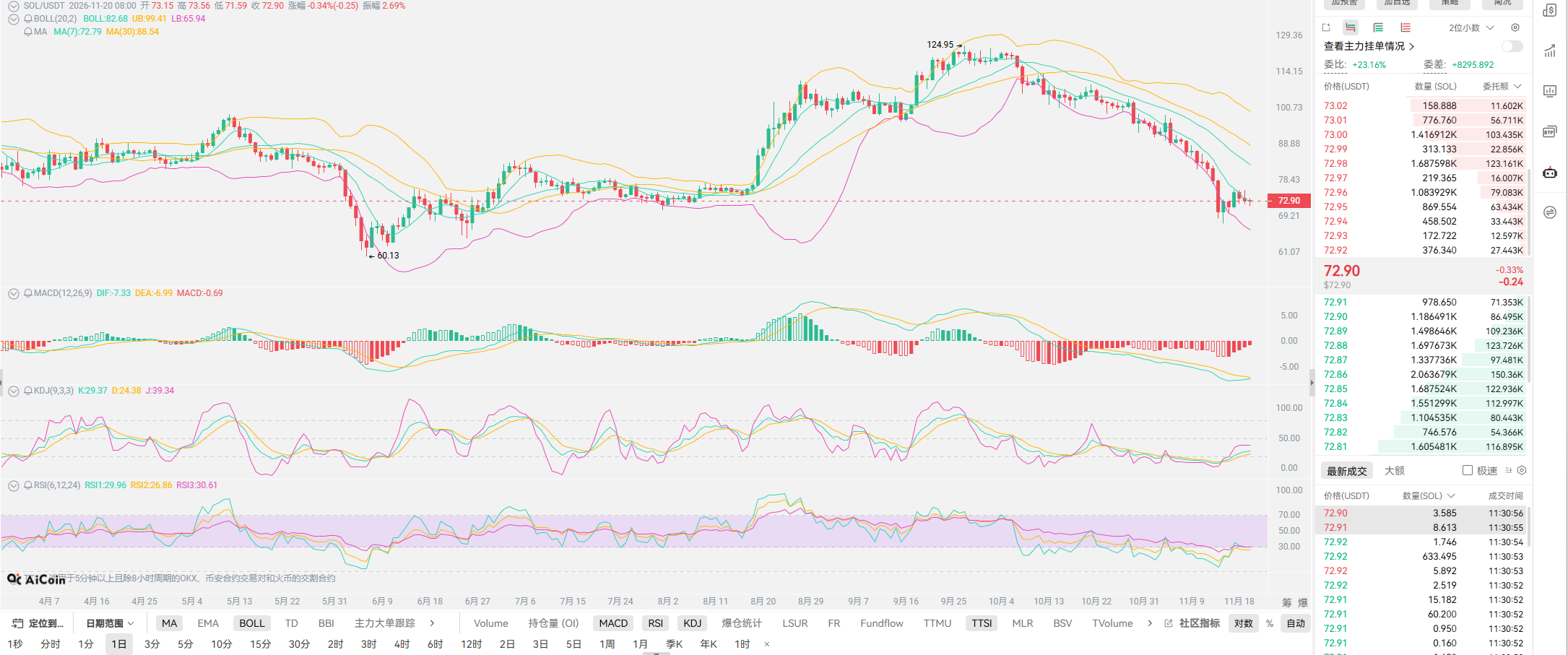
Optimistically forecasting the bull market in a good manner is natural; however, the current situation is that the penetration rate of tokenized stock markets is currently below 2%, with more tech stocks choosing the Ethereum network, which is currently the undisputed leader. This means the current SOL is more like a challenger, and the variables include: industry policies and legislative progress. The foundation of the tokenization process is a global supportive regulatory framework. Currently, the main economies still maintain a relatively conservative restrictive strategy. Next, there is the competition among public chains of the same level. The 1,100 USD estimate requires SOL to maintain multiple surpassing prerequisites; it needs to completely overtake the Ethereum ecosystem in the tokenized stock market and surpass Tron to become the core public chain for stablecoin payments. Additionally, it needs to compete with NEAR for on-chain AI market share. A public chain needs to defeat leading competitors in three tracks simultaneously, which is too difficult. The last variable is the reality of network technology capacity and financial model risks (SOL has a history of outages).
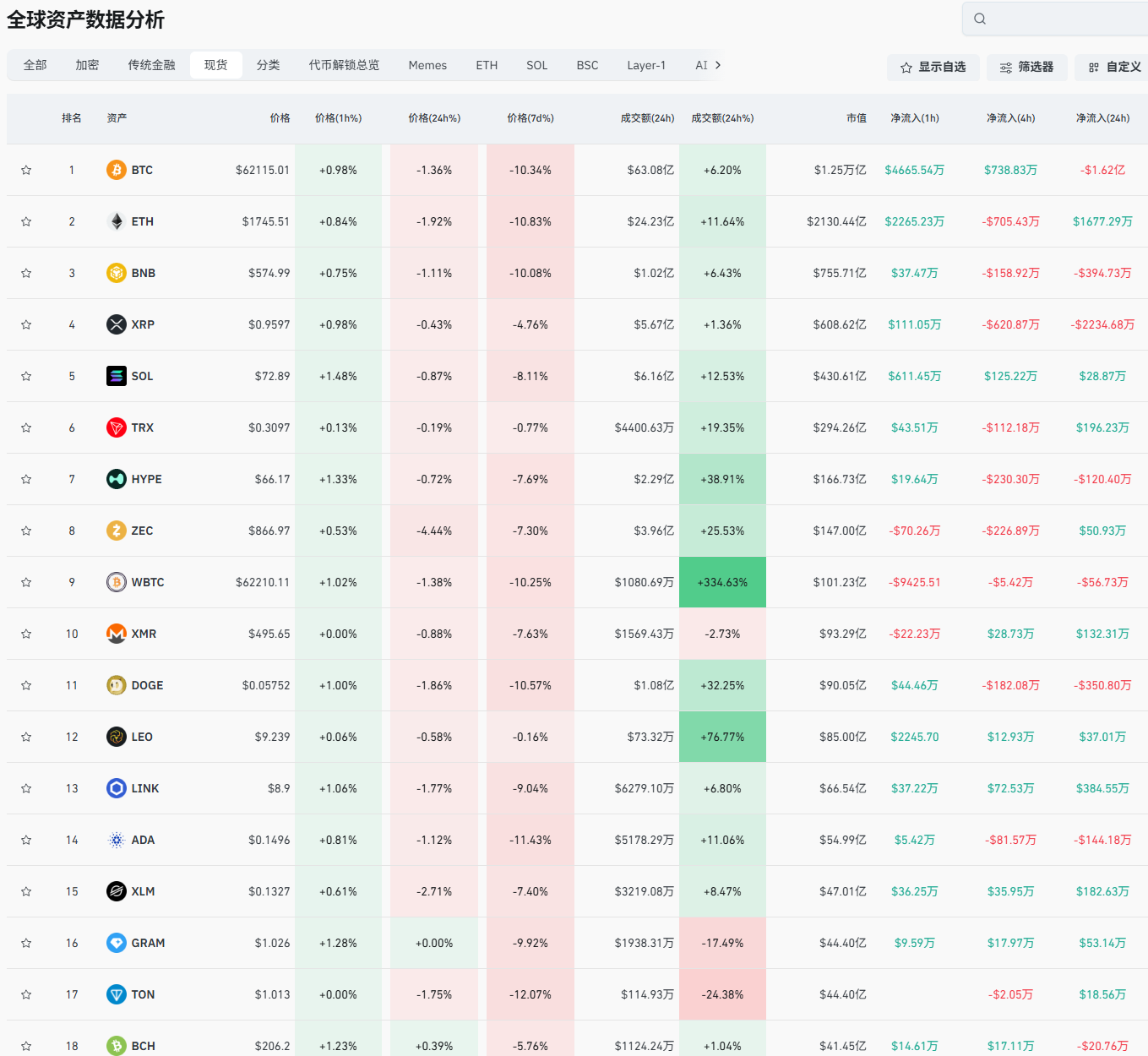
In summary, this report is a very distinct and typical financial simulation model, rather than a buy guidance. The optimistic price of 1,100 USD is almost an impossible target, while I somewhat agree with the baseline forecast, which is around 430 USD by 2031. My prediction at the beginning of the year was in the range of 300-500 USD. The valuable aspect is the data level, which clearly indicates that a massive amount of effort was spent on calculations; it tells everyone the future value of public chains and the future price assessment in the crypto space, which will ultimately be priced based on real on-chain economic activities and continuous cash flow from transaction fees. For us investors, rather than focusing on the highest forecast price, it is more pragmatic to continuously track several messages worth waiting for. Among the variables they provide, if we can avoid all of them, the upper limit can be assessed at over 400; if not achievable, we should assess it based on the lower limit. Using investment institutions' data reasonably to create our own reference guide is something we all need to learn.
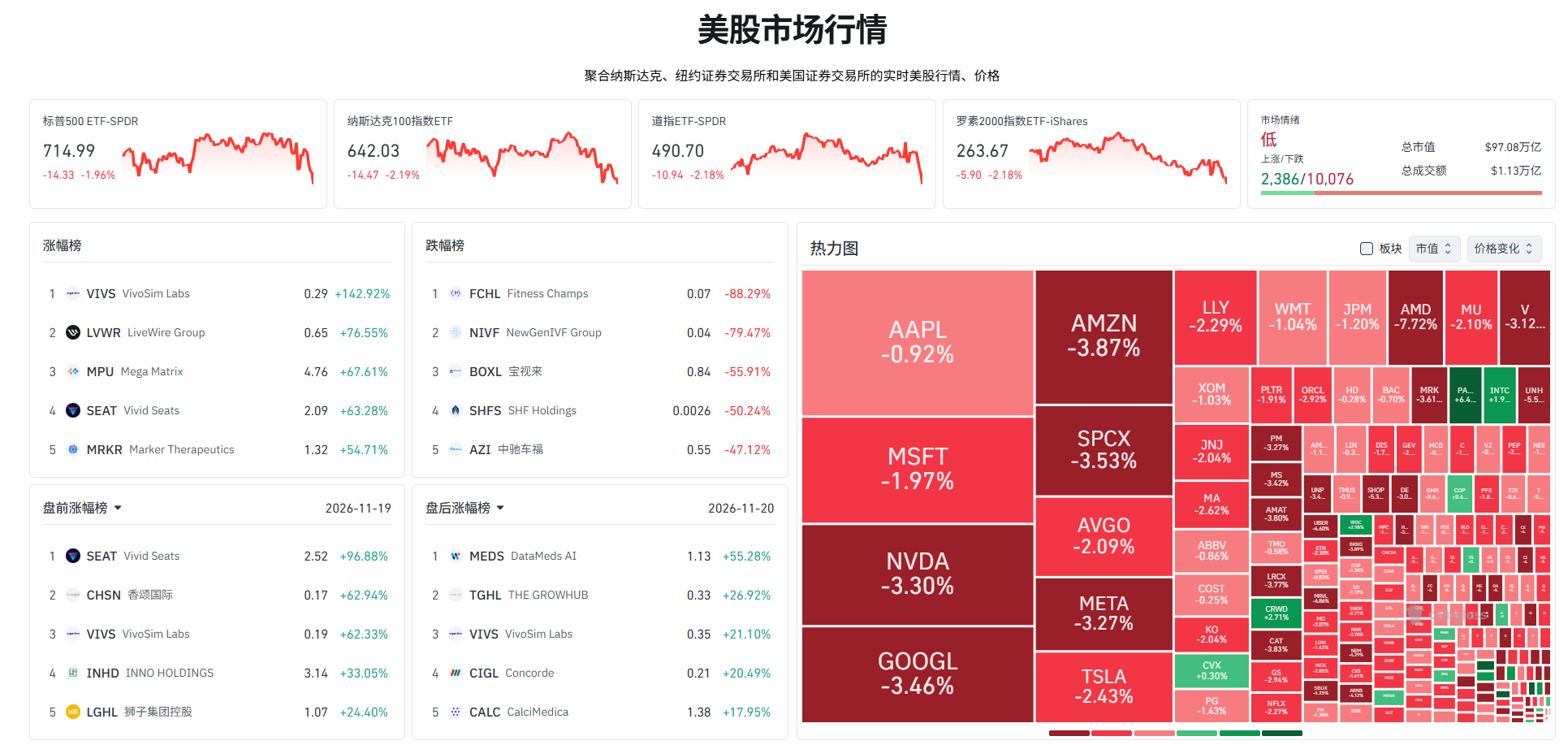
At the end of this text, a side note: Recently, my predictions have not encountered significant issues, and I have gained a group of users who are perhaps a bit too superstitious about my insights. Let me remind everyone that the accuracy of predicting a trend is not a criterion for measuring an analyst's level. I hope that everyone can cultivate the habit of independent thinking. The market is moving in the direction we predicted; at this moment, my role is not too significant. I have been laying the groundwork for a long time, and I'm planning to take a two-day break this weekend, that is, tomorrow and the day after. Of course, users on hand can still consult if they have questions; even during my vacation, I will keep an eye on the market. If there are risk issues, I will continue to remind everyone in my friend circle. The bearish market is not particularly friendly to spot users; so I borrow a phrase from the financial legend John Templeton to encourage everyone: “The most pessimistic moment is the best time to act; it takes great courage to act when everyone is in a panic to leave.”

Original creator WeChat public account: On-chain Science. For assistance, please contact directly.
免责声明:本文章仅代表作者个人观点,不代表本平台的立场和观点。本文章仅供信息分享,不构成对任何人的任何投资建议。用户与作者之间的任何争议,与本平台无关。如网页中刊载的文章或图片涉及侵权,请提供相关的权利证明和身份证明发送邮件到[email protected],本平台相关工作人员将会进行核查。