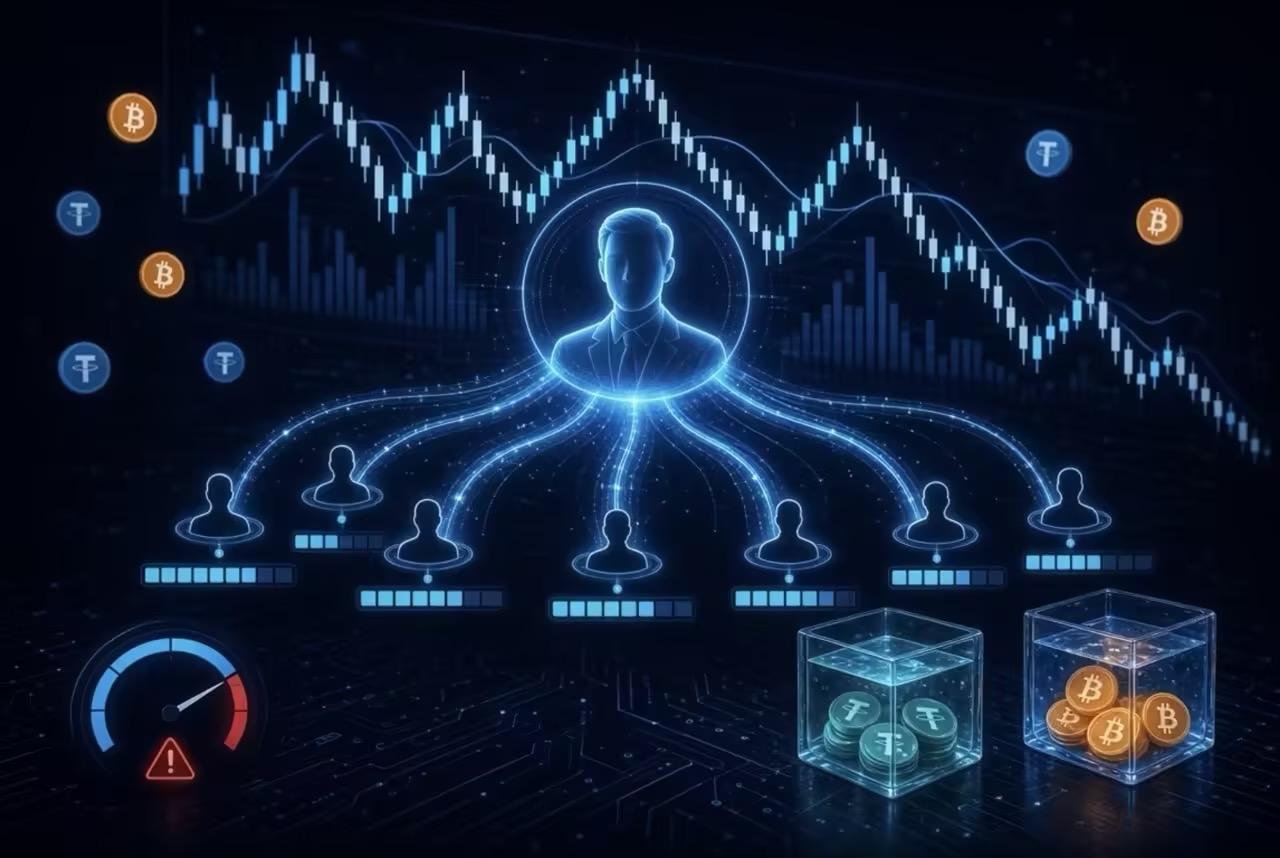
In mid-November 2026, the price of Bitcoin fluctuated around $64,500, having dropped nearly 49% from the historical high of $126,080 in October 2025. Within the last month, the decline exceeded 20%, and market sentiment remained cautious, exacerbated by periodic net outflows from ETFs and frequent events of leveraged liquidation. In such an environment, many first-time users of crypto assets only have around 300 USDT in funds, facing a fundamental question: should they buy all at once or buy in multiple smaller transactions?
From historical data, the answer is not absolute, but for beginners, buying in batches (either through dollar-cost averaging or active batch buying) is usually the more prudent choice.
Historical Case Comparison: One-Time vs Batch Buying
Multiple backtests based on the real price of Bitcoin show that one-time buying outperforms in most rising windows, but at high points or during the early stages of declines, the drawdowns are significantly larger.
Taking the peak in November 2021 as an example (when BTC was around $65,000):
● Investors who put all their funds in at once experienced a maximum drawdown of over 70% during the subsequent bear market, with the average holding cost locked in at a high point.
● In contrast, investors who employed monthly batch buying during the same period managed to significantly lower their average cost by buying at low prices throughout 2022, ultimately ending up with more holdings and a shorter time to break even. Some backtests show that the final value of batch buying during this phase exceeded that of one-time buying by more than 100%.
Now looking at the entire year of 2022:
● Those who made a one-time purchase at the beginning of the year lost about 64% by year-end.
● Conversely, those who bought in batches (DCA) managed to narrow their losses to about 38% during the same period, as they continuously averaged down their costs amid the price decline.
In contrast, 2023, a rebound year, saw better performance for one-time buying (some calculations showed returns exceeding 150%, while batch buying yielded approximately 59%). Over the long term (rolling windows from 2014 to present), one-time buying outperforms batch buying in about 60%-70% of cases, as Bitcoin generally trends upward, and entering the market early allows for greater participation in the uptrend. However, the key point is this: when the buying point is close to a cycle peak or the market is in a high-volatility adjustment phase, batch buying effectively reduces the risk of "buying at the top."
At the current point in time (November 2026, with prices having fallen nearly half from historical highs and short-term volatility being severe), the situation leans more toward the latter. For a newcomer with only 300 USDT, a one-time purchase means concentrating all risk at a single price point; if the price subsequently drops another 20%-30%, the account will directly suffer the same proportional loss, creating significant psychological pressure and increasing the likelihood of panic selling at the lows.
Why Batch Buying is More Suitable for Newcomers
1. Reducing Timing Pressure: Beginners often cannot accurately judge the bottom. Buying in batches (for example, purchasing 50-100 USDT weekly or biweekly) can automatically build positions at different price levels, bringing the average cost closer to the market average over a period.
2. Controlling Psychological Fluctuations: By spreading purchases over time, the impact of a single drop on total funds is smaller, making it easier to hold onto investments.
3. Protection Against Historical Worst-Case Scenarios: Multiple backtests show that in the worst annual windows, the maximum loss from batch buying is typically 15-25 percentage points less than that of one-time buying.
4. Matching Capital Thresholds: With 300 USDT itself being a small amount, splitting it into 3-6 transactions avoids excessive fragmentation while still covering short-term volatility.
Practical Operation Suggestions for HTX
HTX offers a spot investment feature that can automatically execute fixed amount purchases daily, weekly, or based on a custom period without requiring manual operation each time. For newcomers with 300 USDT, consider:
● First, use 50-100 USDT to experience a one-time purchase and feel the fluctuations in holdings;
● Set up weekly batch purchases with the remaining funds, continuing for 2-3 months.
● Alternatively, split the 300 USDT into 4-6 transactions and either manually buy in batches on the platform or use the investment tool.
The platform has ample liquidity for spot trading, manageable slippage for small transactions, and also supports the route of buying USDT first then exchanging for BTC, lowering the entry threshold.
It must be emphasized that whether purchasing all at once or in batches, there exists the possibility of significant drawdowns or long-term plateauing for Bitcoin. Batch buying merely reduces the risk of "buying at a single high point" and does not guarantee profits. Historical backtests are based on past prices and do not represent future performance. The 300 USDT should only be idle funds that one can afford to lose.
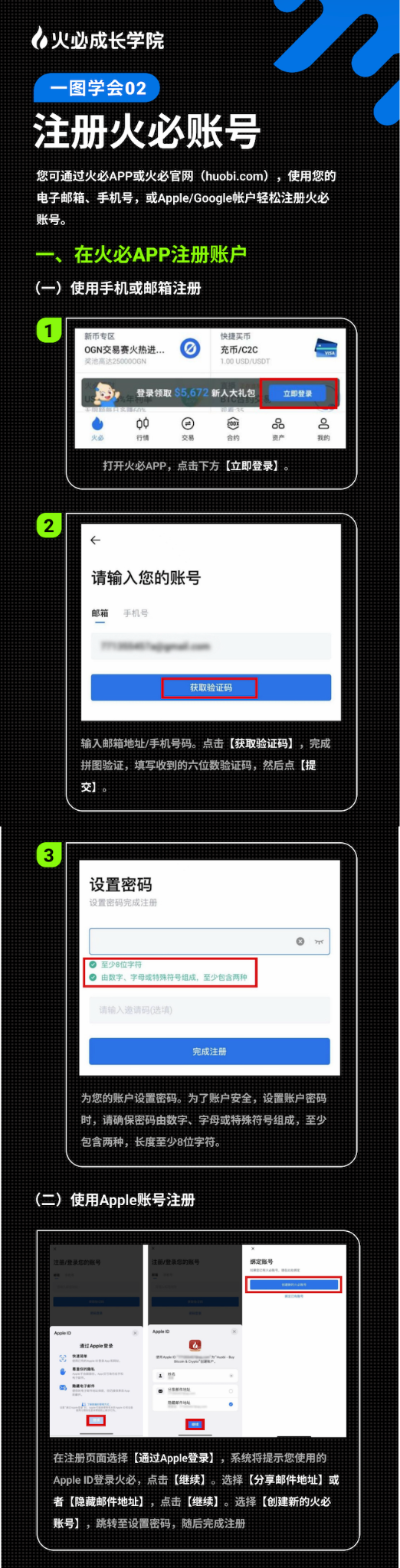
For first-time buyers of BTC, choosing batch buying or dollar-cost averaging during the current adjustment period is a relatively reasonable approach to balancing risk and participation opportunities. For those looking to experience it directly, you can register an account on HTX and start practicing using the spot investment function with a small amount.
HTX registration link:
https://jump.do/zh-Hans/xlink-proxy?id=4
Or log into the HTX APP and directly fill in the invitation code aicoin168, new users can receive up to 3100 USDT in rewards.
Risk Disclaimer: The prices of digital assets are highly volatile, and investments may result in total or partial loss of principal. This article is based solely on publicly available historical data and product features for educational purposes and does not constitute any investment advice or profit guarantee. Users should fully understand the risks, make careful decisions based on their own risk tolerance, and read relevant platform agreements.
免责声明:本文章仅代表作者个人观点,不代表本平台的立场和观点。本文章仅供信息分享,不构成对任何人的任何投资建议。用户与作者之间的任何争议,与本平台无关。如网页中刊载的文章或图片涉及侵权,请提供相关的权利证明和身份证明发送邮件到[email protected],本平台相关工作人员将会进行核查。