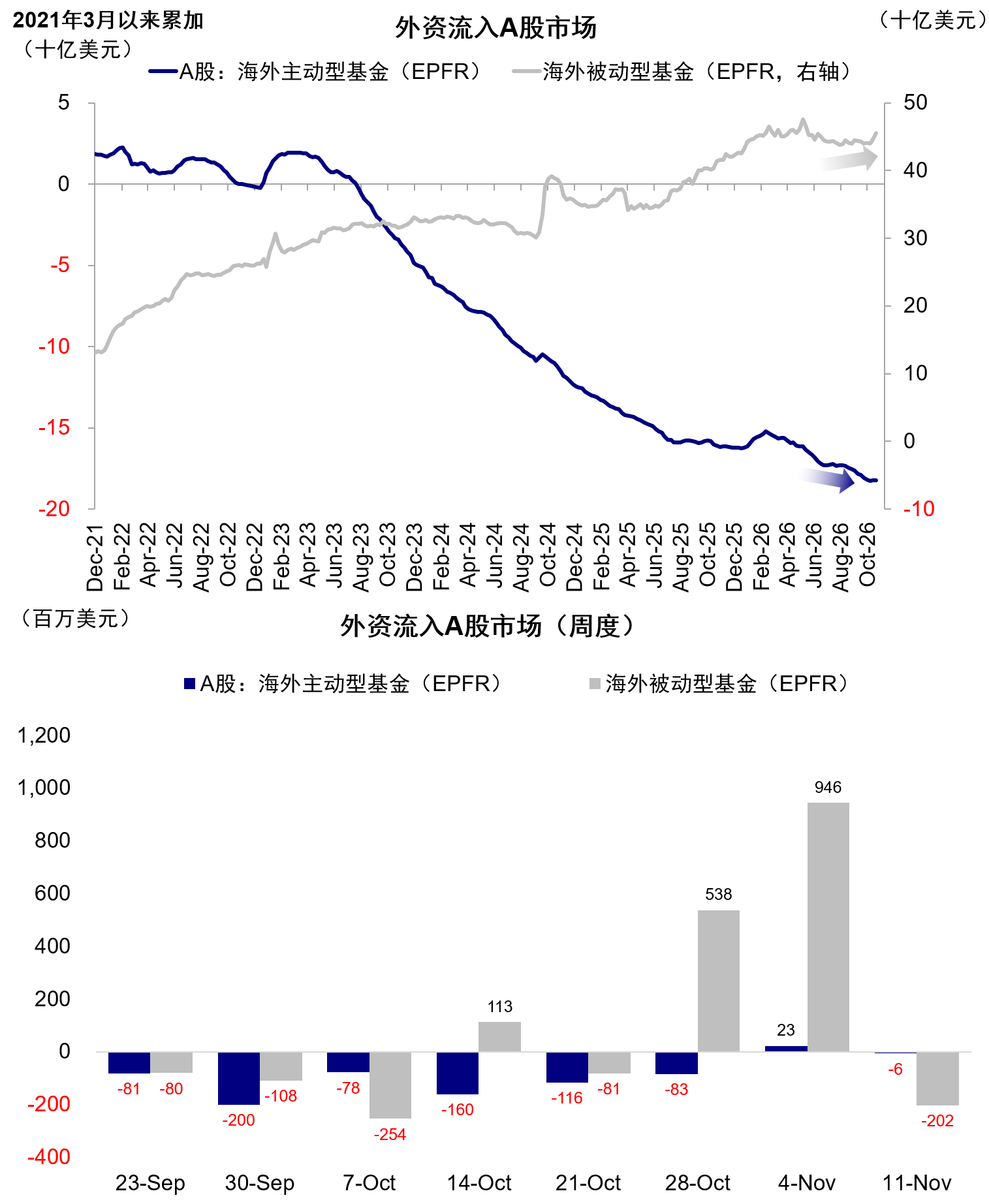
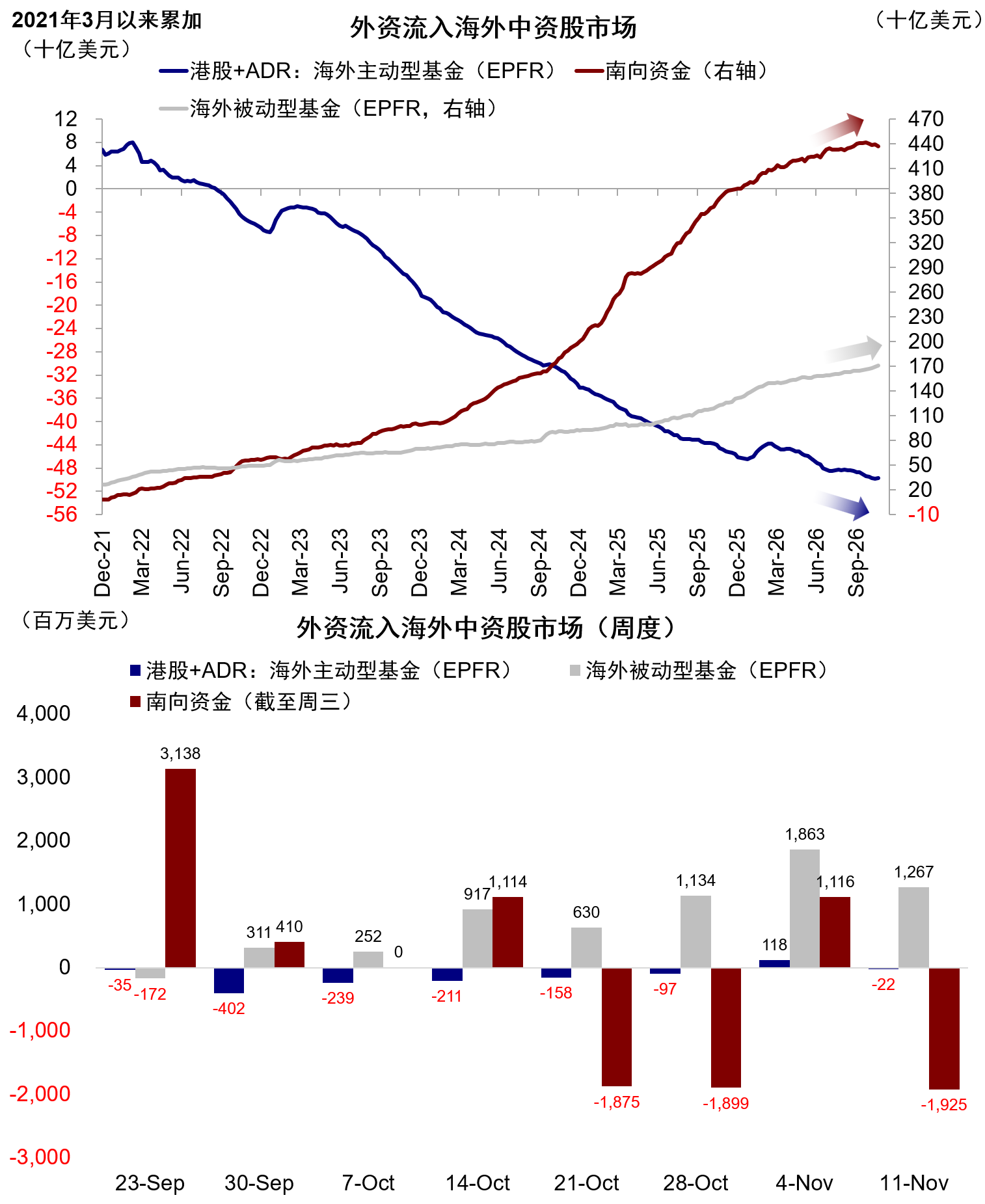
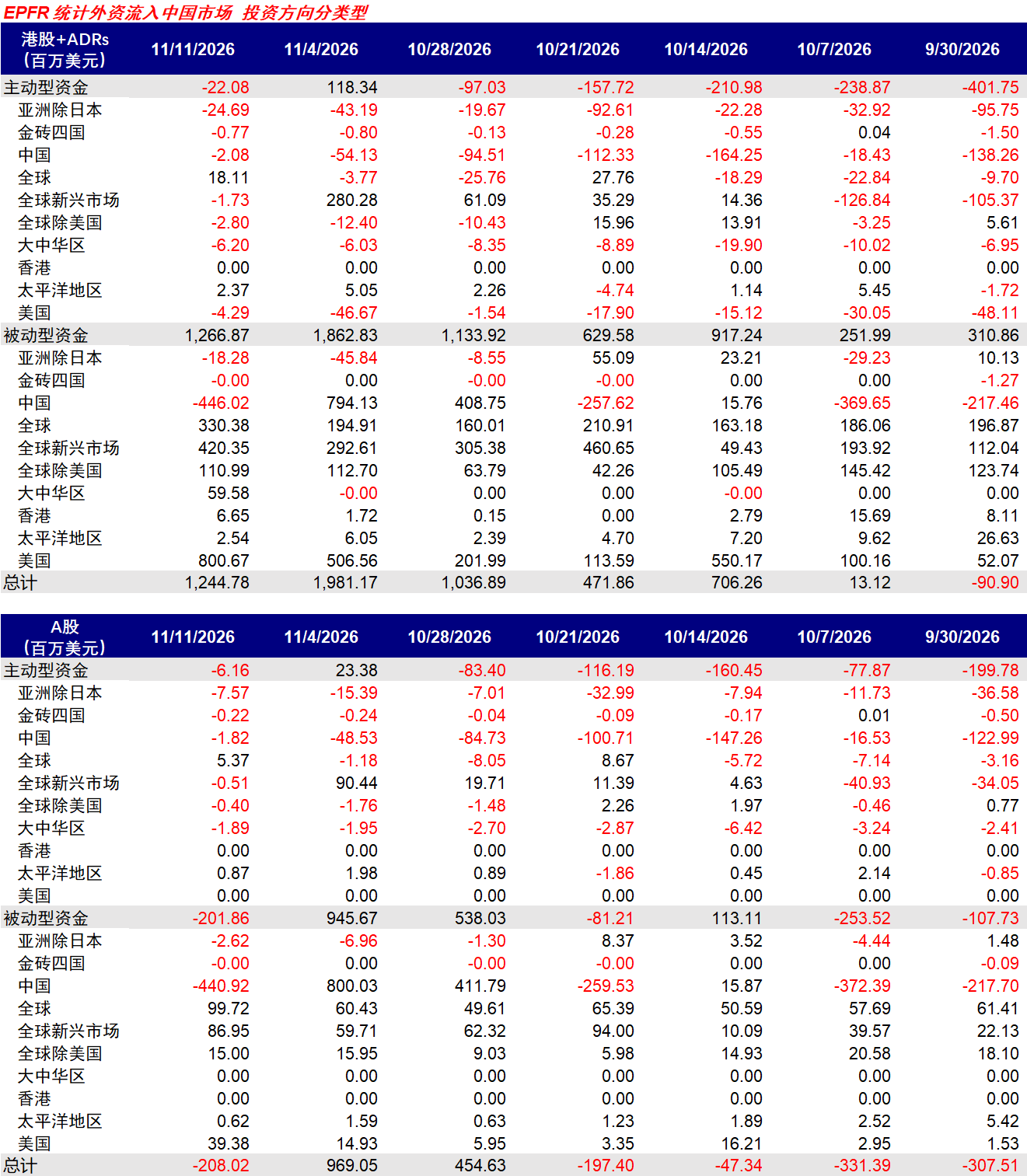
1️⃣ Foreign Capital: Active foreign capital outflow from Hong Kong stocks is 20 million USD (vs. inflow of 120 million last week), outflow from A-shares is 10 million (vs. inflow of 20 million last week). Passive foreign capital inflow into Hong Kong stocks is 1.27 billion (vs. inflow of 1.86 billion last week), outflow from A-shares is 200 million (vs. inflow of 950 million last week) Figures 2, 3, 4.
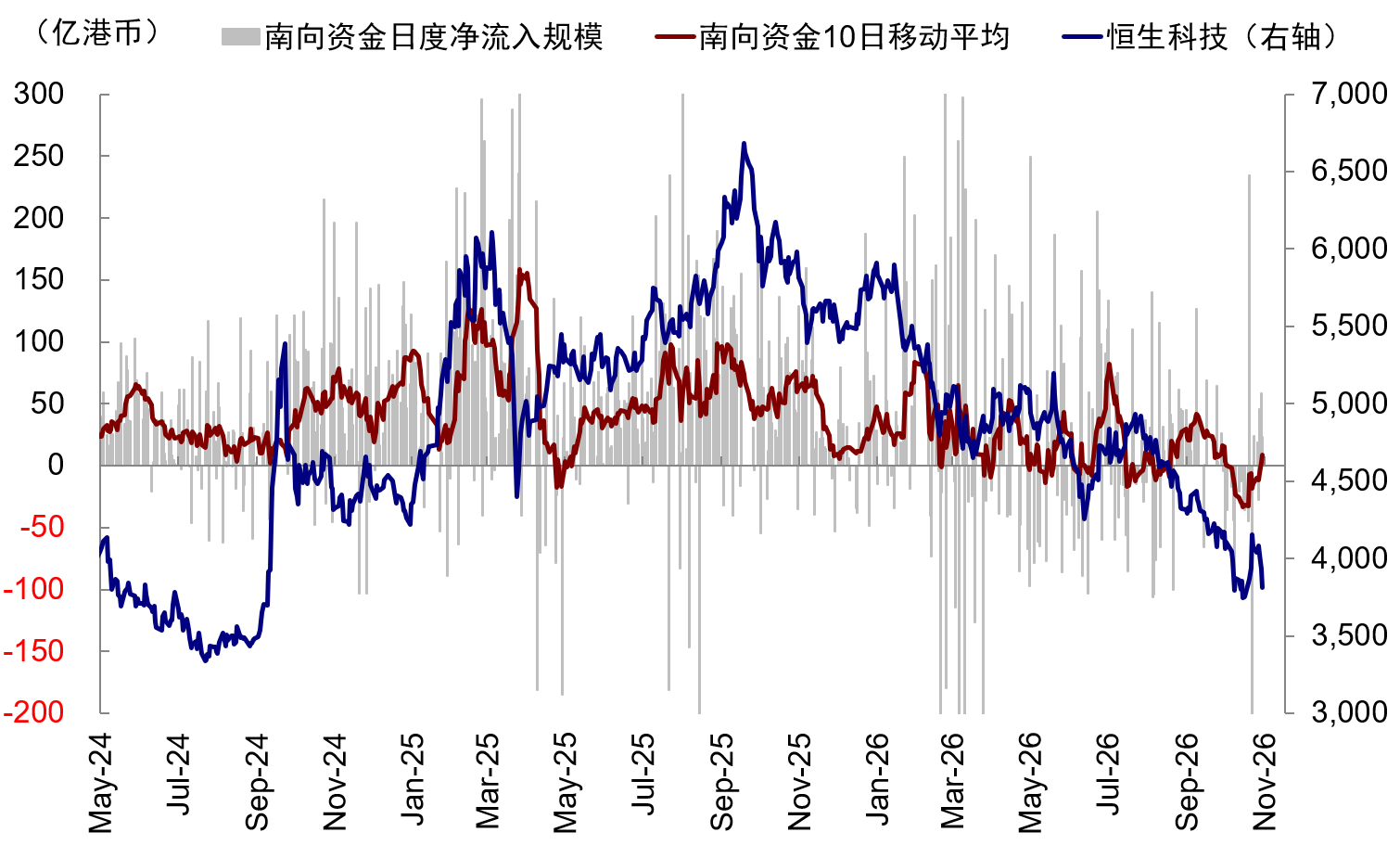
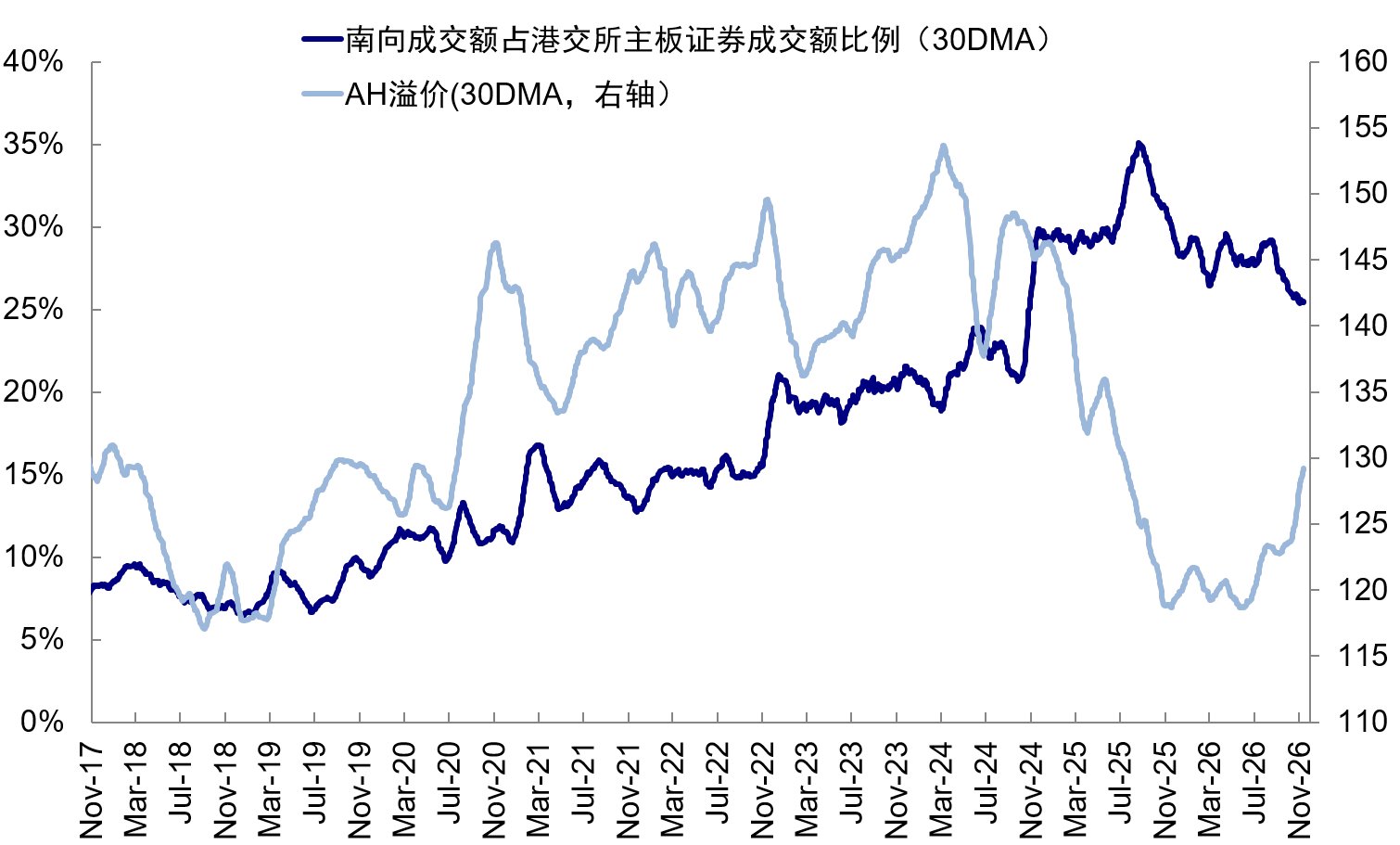
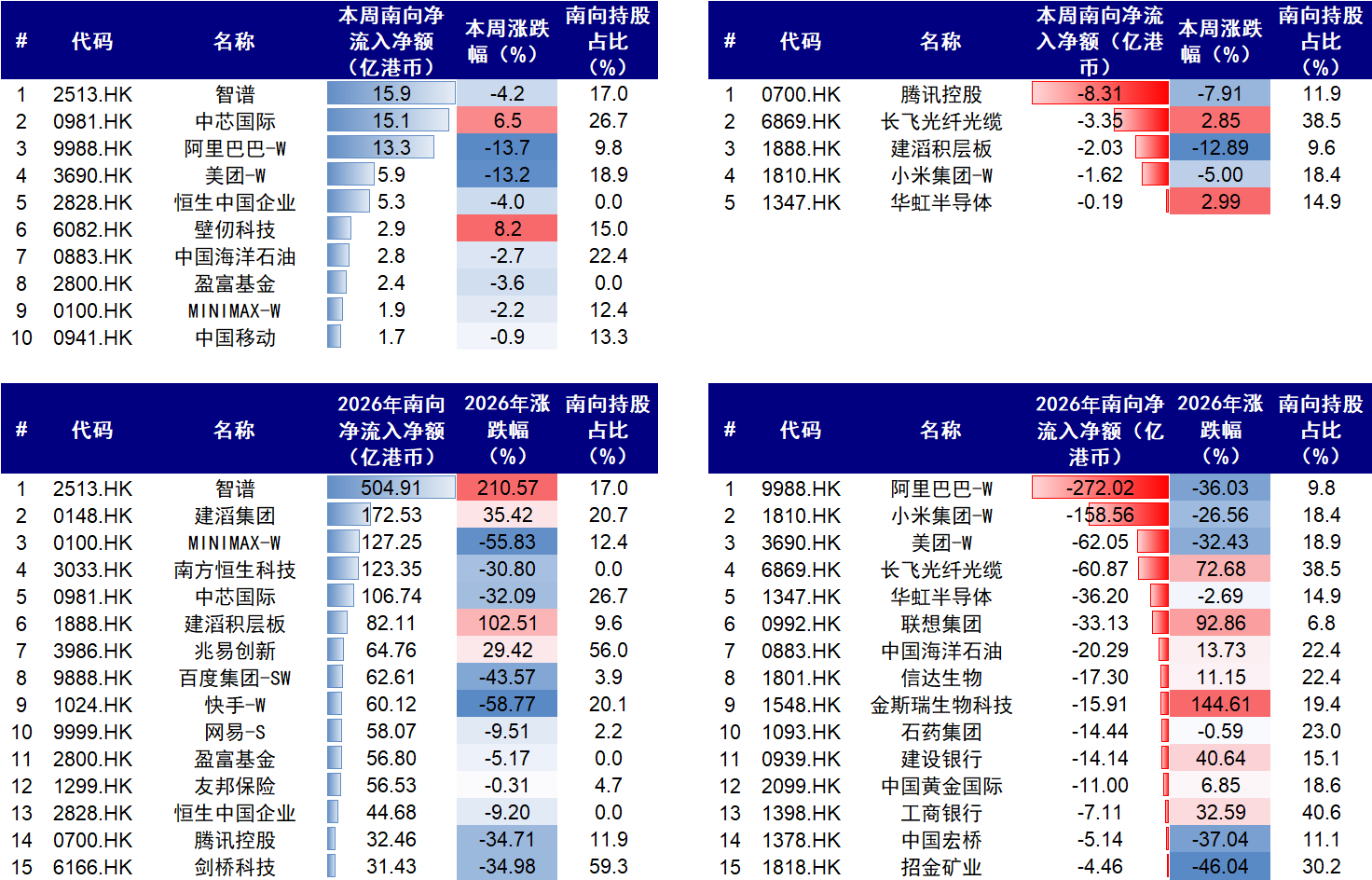
2️⃣ Southbound: Inflow of 11.87 billion Hong Kong dollars (vs. outflow of 650 million last week), daily average inflow of 2.37 billion (vs. outflow of 130 million last week) Figure 5. Buying Zhihui, SMIC, and Alibaba; selling Tencent, Changfei, and Jiantao Figure 7.
🏵️ Last week, the market was influenced by the intertwining of technology and interest rate hikes.
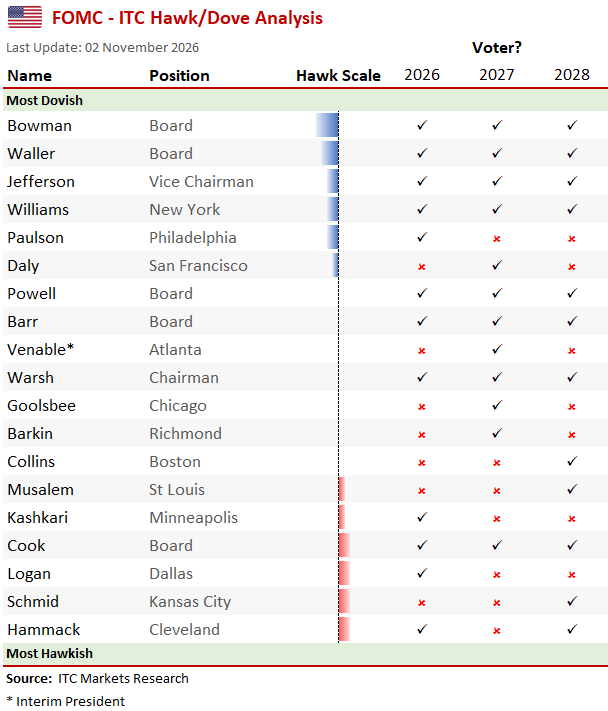
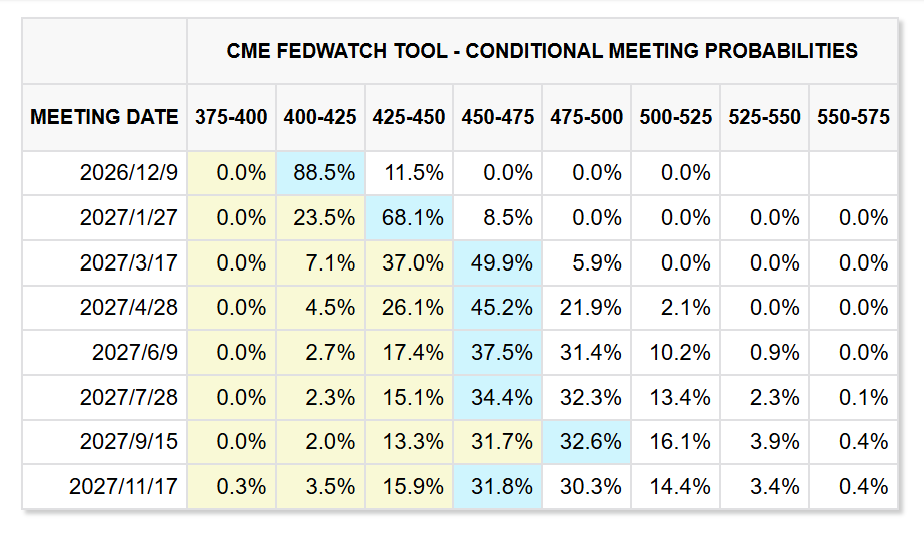
Inflation exceeded expectations, raising the probability of interest rate hikes, even the usually dovish Waller suddenly turned hawkish (uncertain if it is influenced by elections Figure 8), U.S. Treasury rates and the dollar rose sharply, gold plummeted, all of which are “normal reactions” to the warming of interest rate hikes, no need to elaborate.
However, this also highlights the “abnormal” strength of U.S. stocks, likely fueled by the enthusiasm for Anthropic's IPO being oversubscribed 6-8 times and CoreWeave’s performance exceeding expectations.
Some believe that there may be reasons to “escort” Anthropic's listing, fearing a reversal after the listing on 11/19. Next week also includes NVIDIA's earnings (11/17) and congressional hearings (11/18).
🏵️ Regarding the path of interest rate hikes, we still believe that short-term pressures shouldn't lead to linear extrapolation.
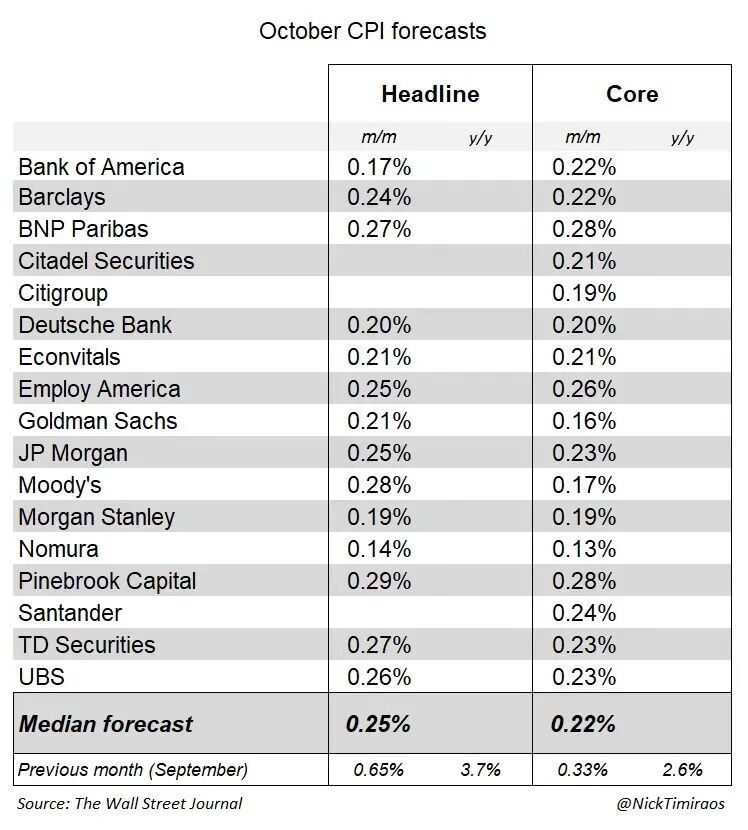
The October CPI was somewhat “strange,” significantly exceeding most Wall Street predictions and our own forecasts. The median market prediction was 0.25%, but the actual was 0.35%, and some major investment banks predicted even below 0.2% Figure 9. It's termed strange because, unlike non-farm payrolls, CPI has reliable leading indicators, so widespread significant overshooting is rare.
But short-term pressures have indeed increased, with core services exceeding 0.3% for three consecutive months, making a rate hike in December understandable Figure 10. Our previous assertion that there's no basis for significant and continuous hikes does not mean there will only be one hike (as reductions were made three times in both 2024 and 2025).
However, this is not enough to change our judgment on the future path, because: inflation is expected to drop rapidly early next year, traditional demand is already under pressure, especially if AI cools down again. But we need to wait a bit longer.
🏵️ This is also the reason we urge caution in U.S. stocks. The chances depend on two catalysts: progress in AI, or the Federal Reserve ending tightening, with early next year being critical; the odds valuation is not expensive, but it’s also not extreme Have U.S. stocks dropped “to the right level”?
The rebound in Hong Kong stocks seems “ephemeral,” as the market has expectations for hedging AI, but as interest rate hike expectations rise and AI trading recovers, it immediately falls back. Pure hedging inherently lacks endogenous support, which is key. The renewed outflow of foreign funds and increased short selling also reflect divergence. There will also be another peak of locked shares lifting early next year, with earnings being revised downwards, and the key is that policy strength remains restrained, so patience is still required.
Hong Kong stocks can still lead A-shares in bottoming out, but whether they have reached their own bottom is still lacking a bit of policy timing; more will first be reflected in dividends How does the market see the bottom?
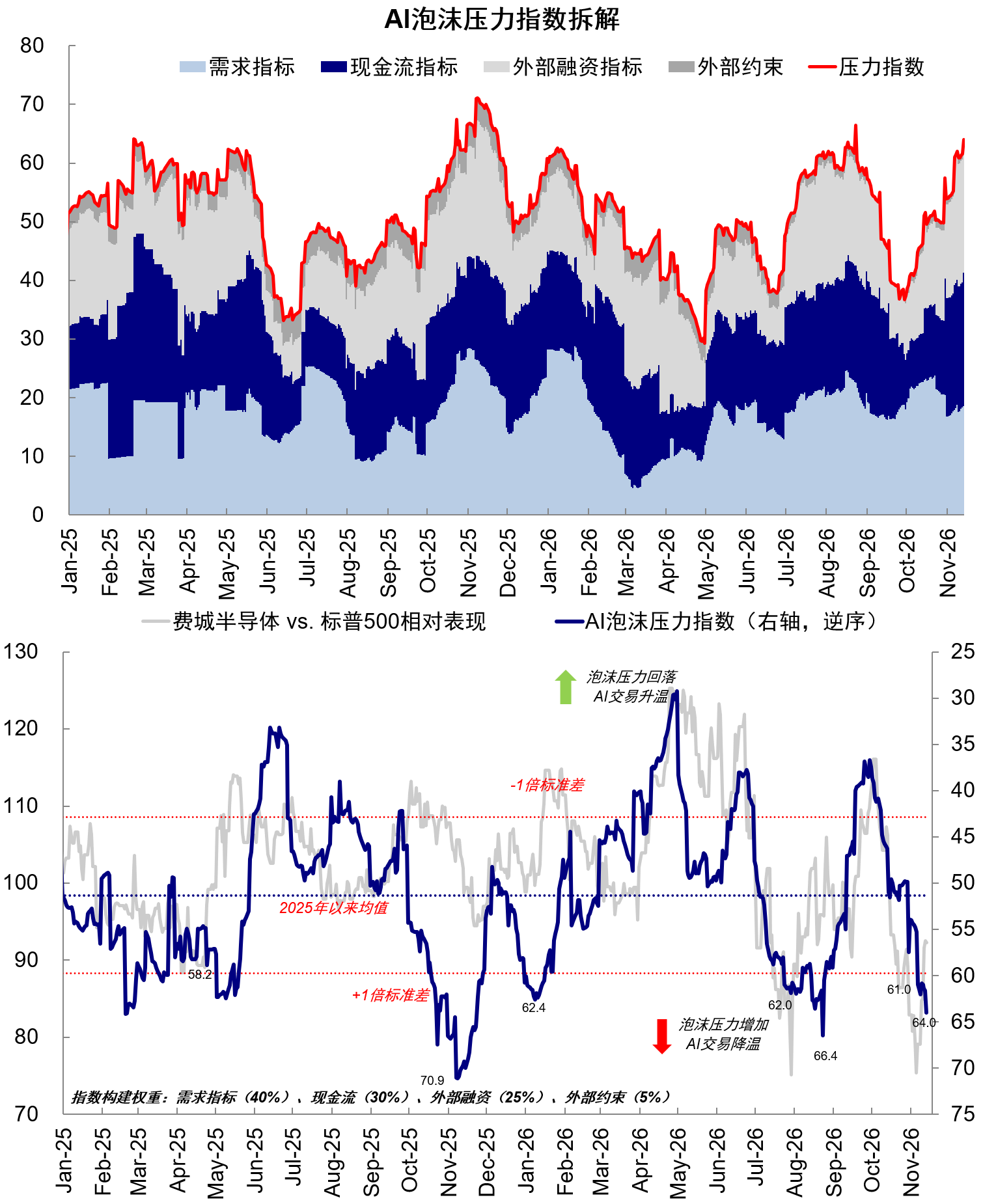
🏵️ This week, the AI pressure index continues to weaken, approaching extreme levels from August Figure 1.
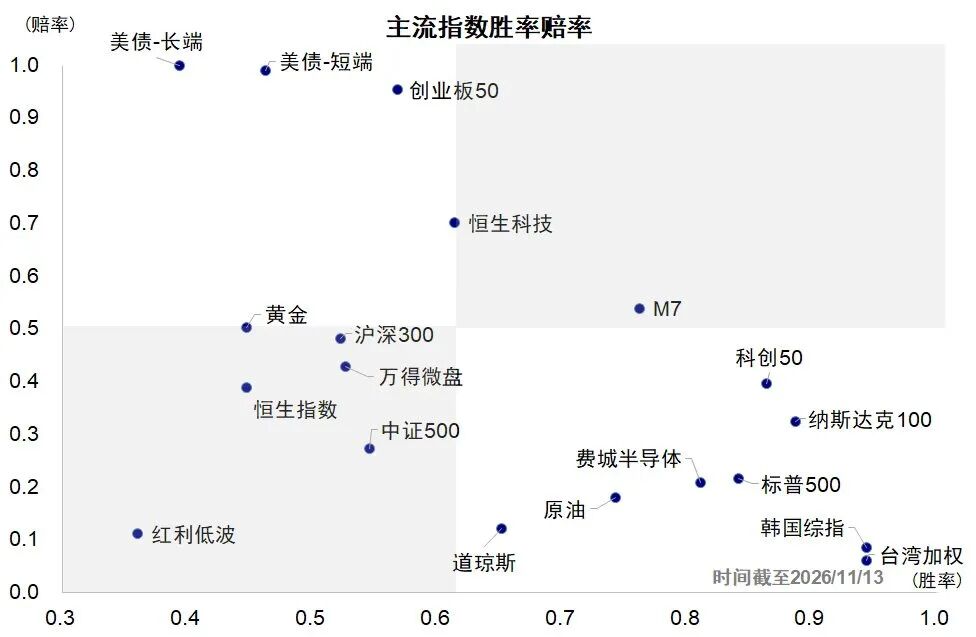
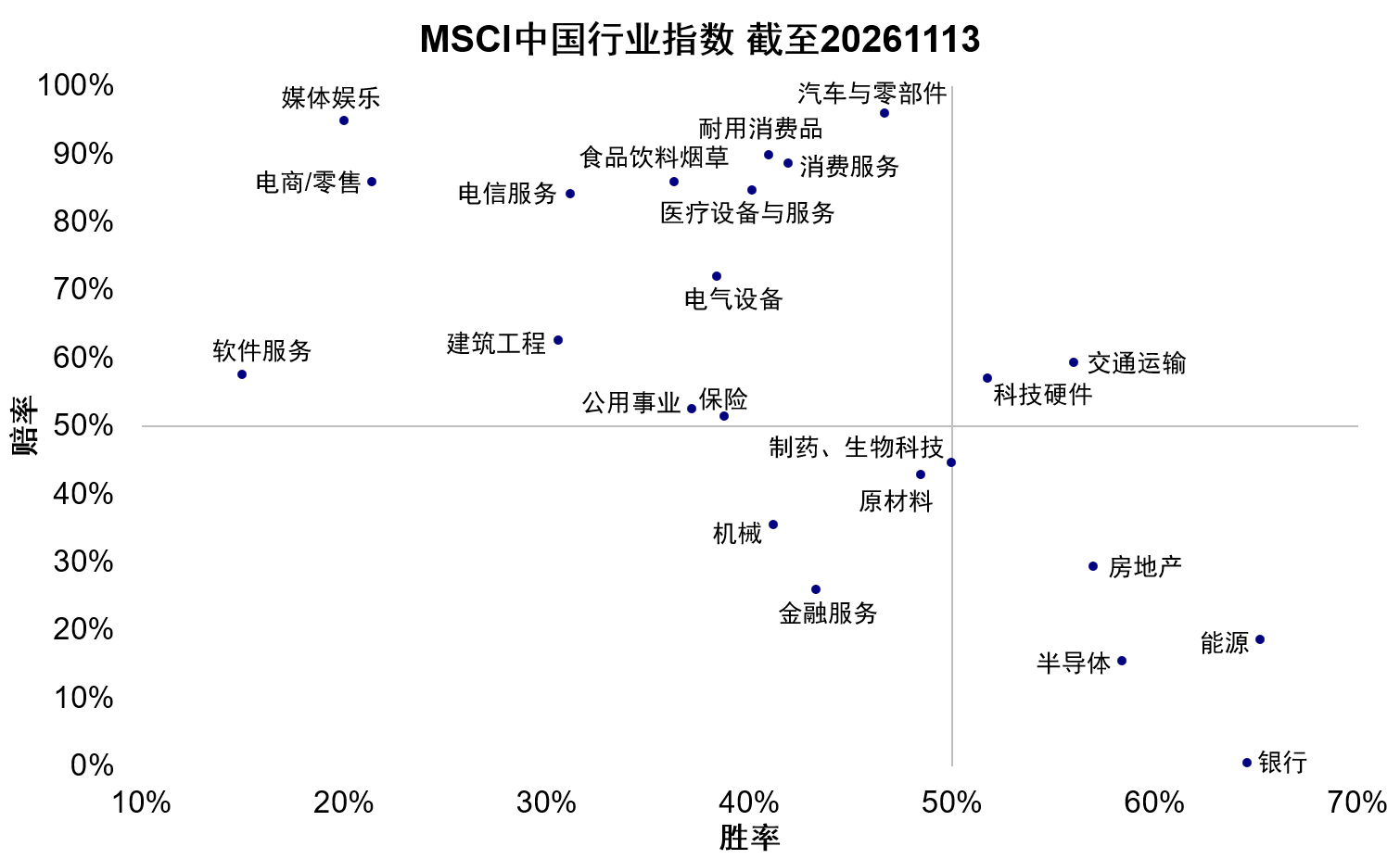
Win rate odds: 1) Taiwan Weighted, Nasdaq 100, M7, Sci-Tech Innovation 50, and Korean Composite Index are at the forefront, M7 included Figure 11; 2) Transportation, automotive and components, energy, technology hardware, and banking are at the forefront Figure 12
免责声明:本文章仅代表作者个人观点,不代表本平台的立场和观点。本文章仅供信息分享,不构成对任何人的任何投资建议。用户与作者之间的任何争议,与本平台无关。如网页中刊载的文章或图片涉及侵权,请提供相关的权利证明和身份证明发送邮件到[email protected],本平台相关工作人员将会进行核查。


