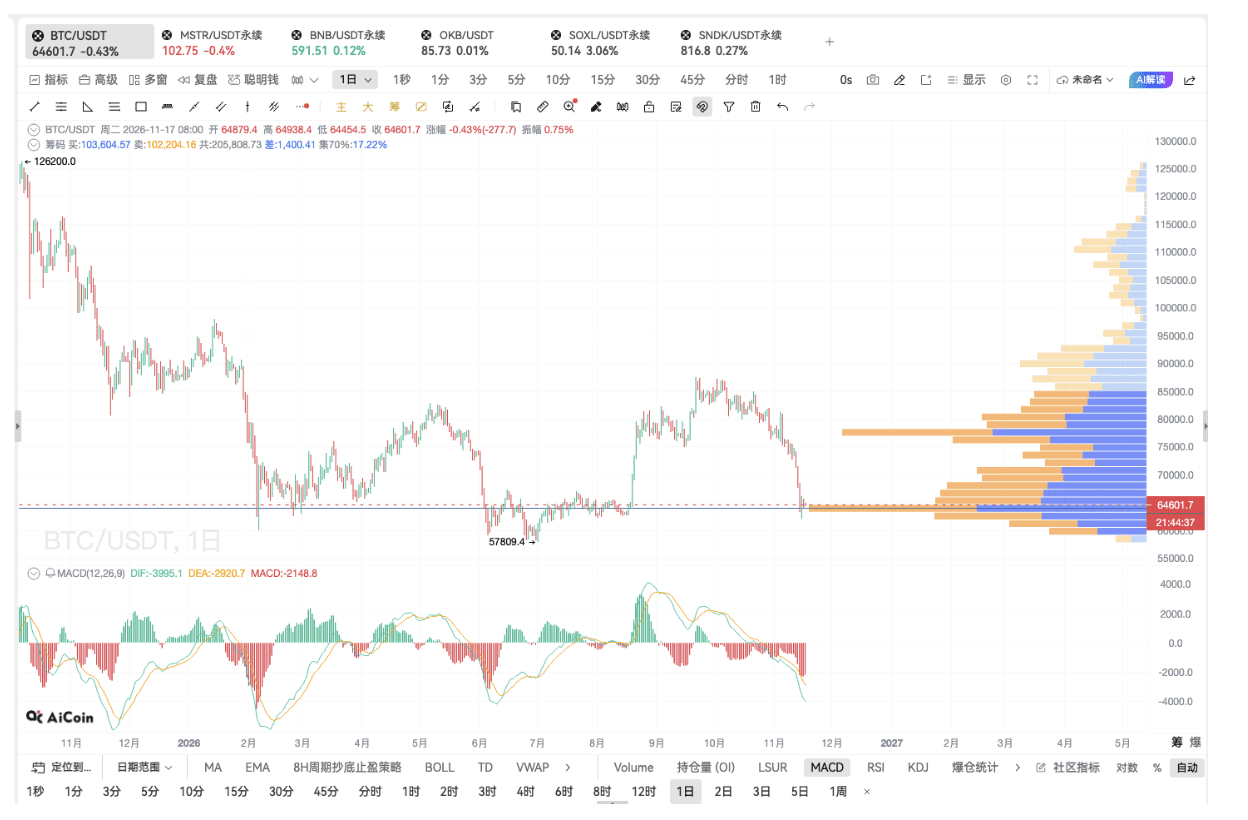
Recently, Nvidia's earnings guidance has prompted a renewed discussion in the market regarding the pace of AI capital expenditure. As stock price volatility has increased, many previously active investors have begun to hesitate: have tech stocks reached a stage that requires reassessment, and has the necessity of continuing to trade diminished? This sentiment is understandable, but the fluctuations of a single company will not halt the entire US stock market's operations. What really needs distinguishing is whether the current adjustment is an emotional short-term disturbance or a trend change.
From a broader perspective, the core issue currently facing US tech stocks is not just the performance of Nvidia, but whether the entire AI capital expenditure cycle can continue to translate into actual revenue and profits. The market is shifting from "rapid growth in capital expenditures" to "focusing on input-output ratios." Meanwhile, interest rate trajectories, corporate profit quality, and capital flows remain key variables determining the mid-term trend of US stocks. If the interest rate environment is relatively stable, and the commercialization progress of AI-related companies can keep pace with earlier investments, tech stocks may still seek a new balance amidst volatility; if the returns on capital expenditures are continually questioned, valuation pressure will persist.
Against this backdrop, some investors have begun to refocus on index-related tools instead of individual stocks. On November 16, HTX opened USDT spot trading for QQQ, TQQQ, and SOXL, and also supports related grid trading. These three products have similar names but very different underlying logic. It's easy to misjudge risks in volatility by simply viewing them as "all related to the Nasdaq" or "all leverage tech stocks."
The core differences among the three products
QQQ tracks the Nasdaq-100 Index and primarily reflects the overall performance of large non-financial companies listed on Nasdaq. It provides a relatively broad exposure to the index, and its volatility mainly comes from the ups and downs of the index itself, making it suitable as a tool to observe the overall trend of the Nasdaq.
The aim of TQQQ is to achieve three times the daily return of the Nasdaq-100 Index. SOXL aims for three times the daily return of the semiconductor index. Both are leveraged products, but they track different underlying indices: one is closer to the overall Nasdaq, while the other focuses more on the semiconductor sector, making it more sensitive to the AI hardware cycle.
The actual differences brought by daily resets
A point that beginners often overlook is that the three times refers to daily targets, not a long-term cumulative increase of three times.
To illustrate with a simplified example. Suppose the index rises by 10% on the first day and falls by 10% on the second day. The cumulative result over two days does not simply return to the starting point, but is approximately back to around 99%. Leveraged ETFs, due to daily resets and compounding effects, will have a final result that significantly differs from "simply multiplying by three." The greater the volatility and the longer the holding period, the more pronounced this path dependence usually is. This is commonly referred to as volatility drag. Therefore, QQQ is closer to broad index exposure; TQQQ and SOXL fall under high volatility, high-leverage products, where short-term fluctuations are magnified, and long-term holding requires additional risk from daily reset deviations.
For users interested in US stock-related trading
HTX is the platform after the upgrade of the Huobi brand, currently offering USDT trading pairs including QQQ, TQQQ, and SOXL. For users who have used cryptocurrency accounts or wish to expose themselves to US stock prices via USDT, it provides an entry without the need for a separate broker account or cross-border fund transfers. The platform regularly publishes Proof of Reserves, and users can access relevant data themselves. However, any centralized platform carries operational risks, and historical records remind users to evaluate independently; it is recommended to only store funds needed for trading and not keep large amounts of assets on a single platform for the long term.
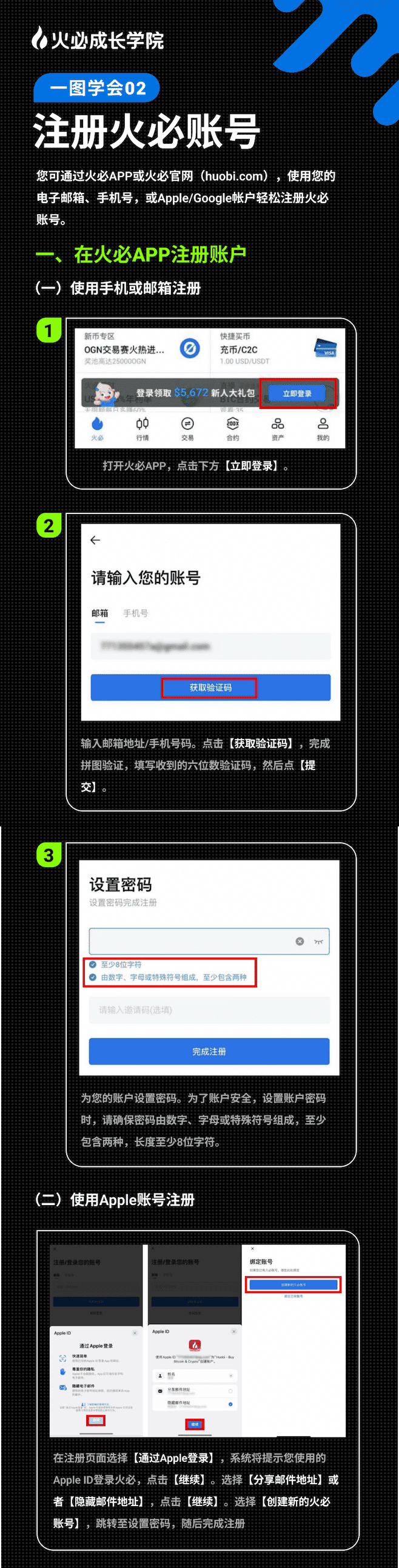
Interested users can register for an HTX account, complete identity verification, search for the corresponding USDT trading pairs in the spot market, and view the specific trading rules and current liquidity situation. The platform supports grid trading, but grid strategies also depend on price volatility ranges and do not eliminate the daily reset risks of leveraged products.
HTX registration link
https://jump.do/zh-Hans/xlink-proxy?id=4
Or log in to the HTX APP directly and fill in the invitation code aicoin168, new traders can receive up to 3100 USDT rewards.
Products can be traded, but that does not mean they are suitable for everyone. Especially with 3x leveraged products, one must first understand daily resets and volatility risks before deciding whether to participate. The available features may vary for users from different regions, and actual experiences are subject to the platform’s latest rules. This article is only for market observation and does not constitute any investment advice. Please assess risks based on your situation before making a decision.
免责声明:本文章仅代表作者个人观点,不代表本平台的立场和观点。本文章仅供信息分享,不构成对任何人的任何投资建议。用户与作者之间的任何争议,与本平台无关。如网页中刊载的文章或图片涉及侵权,请提供相关的权利证明和身份证明发送邮件到[email protected],本平台相关工作人员将会进行核查。