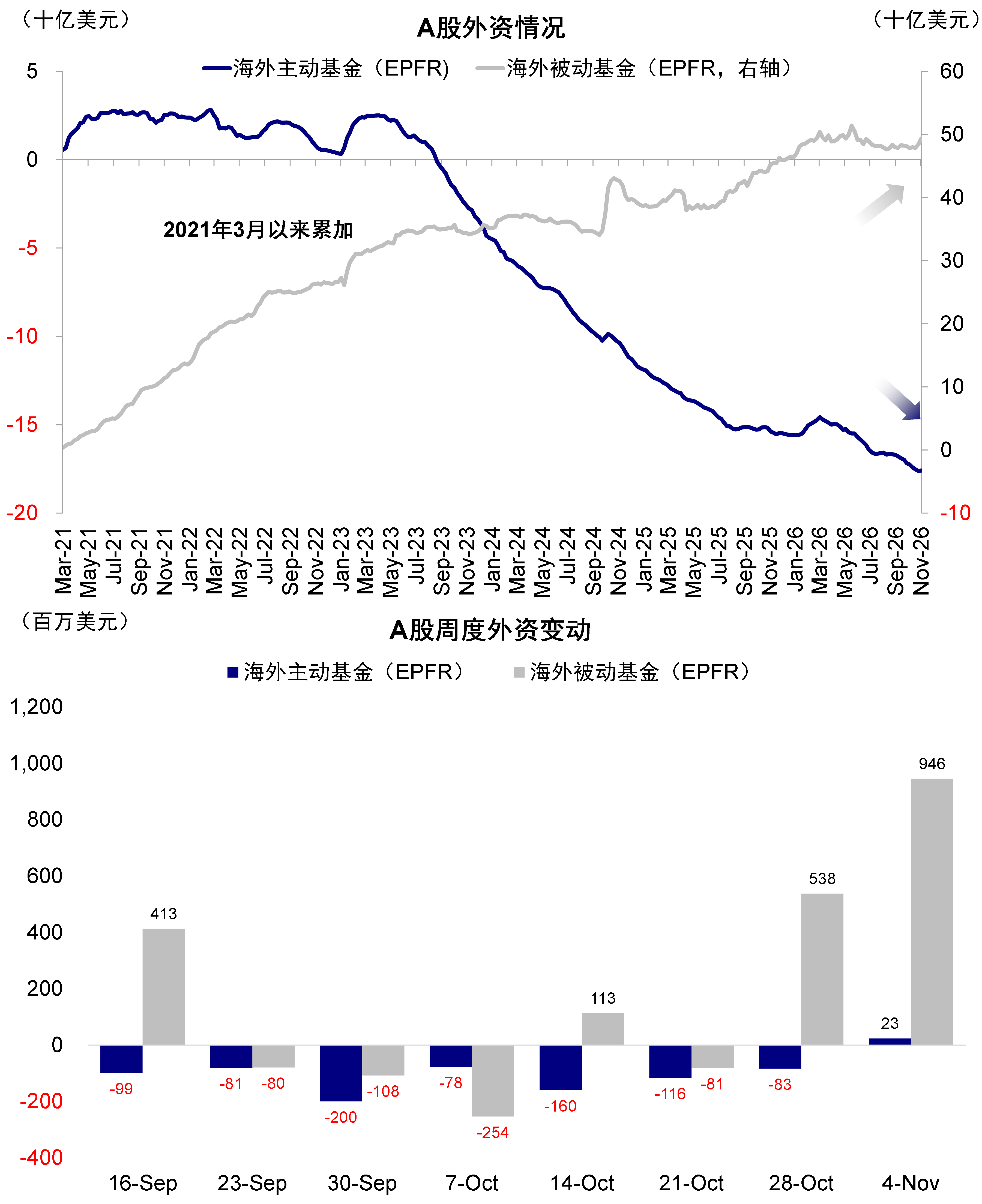
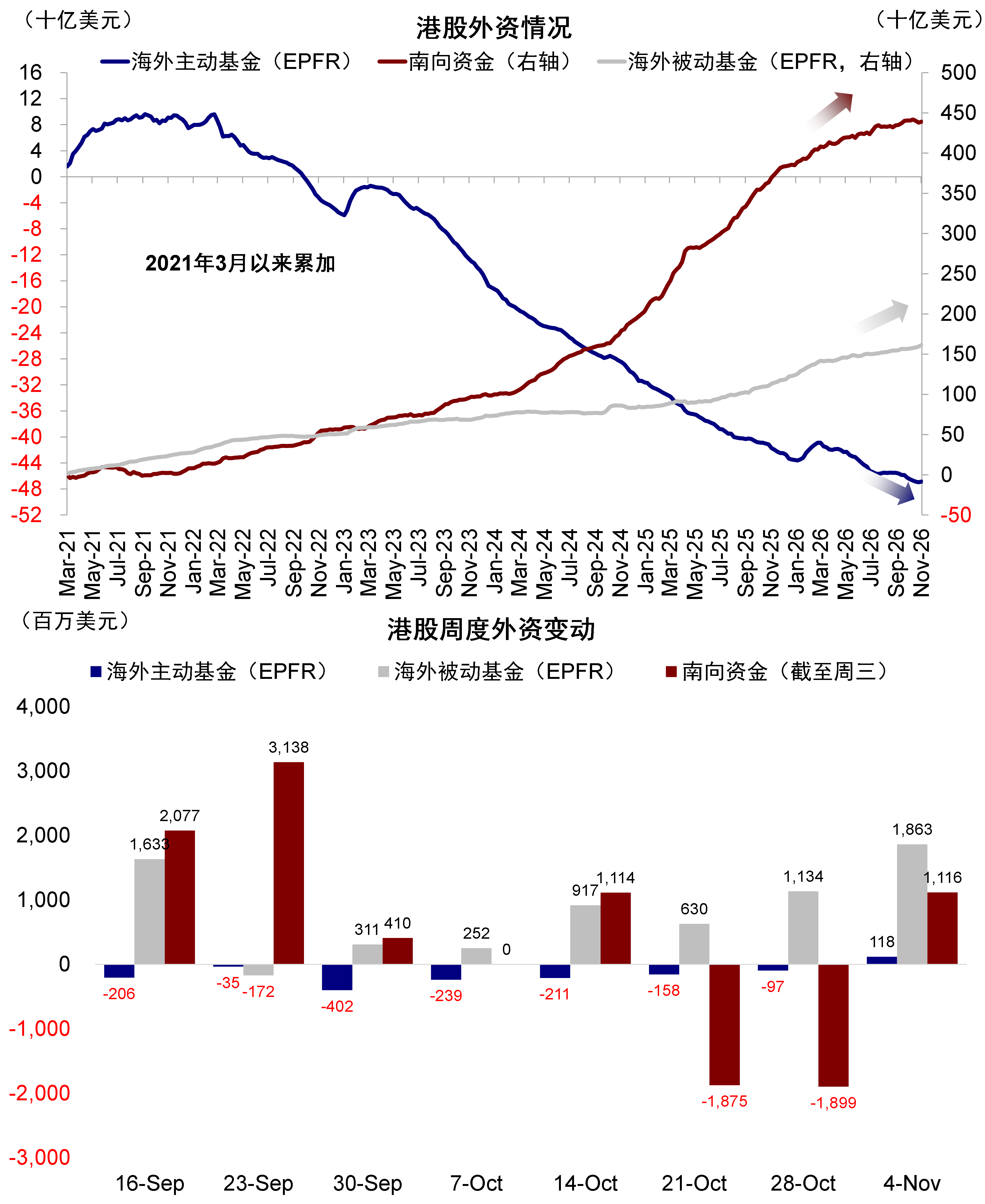
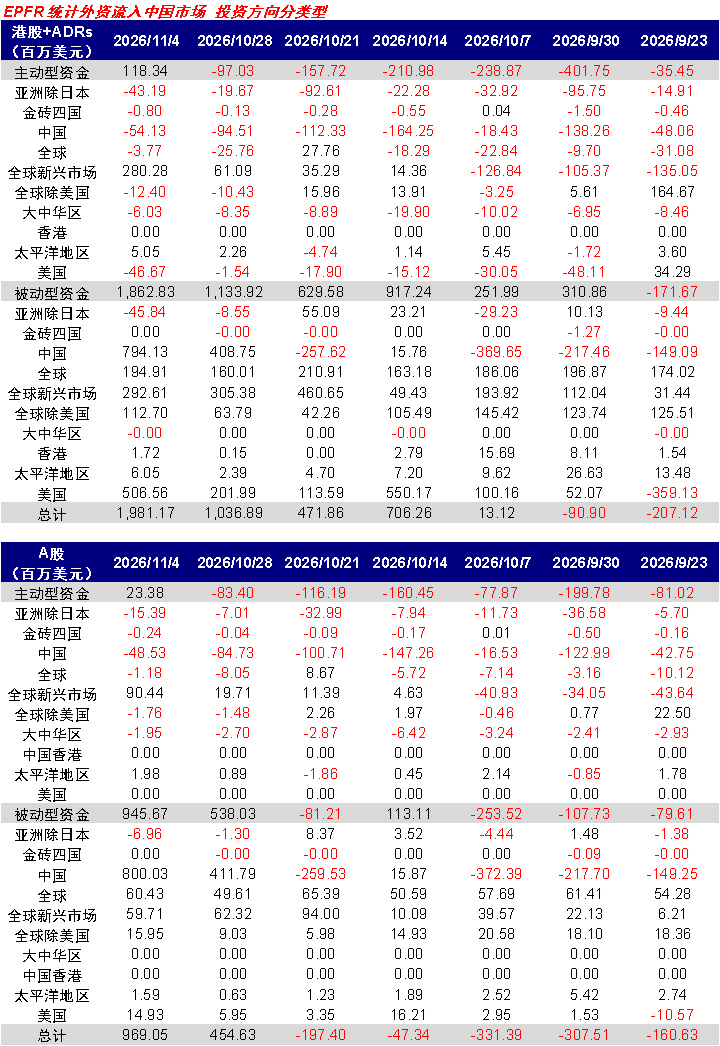
1️⃣ Foreign capital: Active foreign capital inflow to Hong Kong stocks is 120 million USD (vs. 100 million outflow last week), inflow to A-shares is 20 million USD (vs. 80 million outflow last week). Passive foreign capital inflow to Hong Kong stocks is 1.9 billion USD (vs. 1.1 billion last week), inflow to A-shares is 950 million USD (vs. 540 million last week) Figures 2, 3, 4.
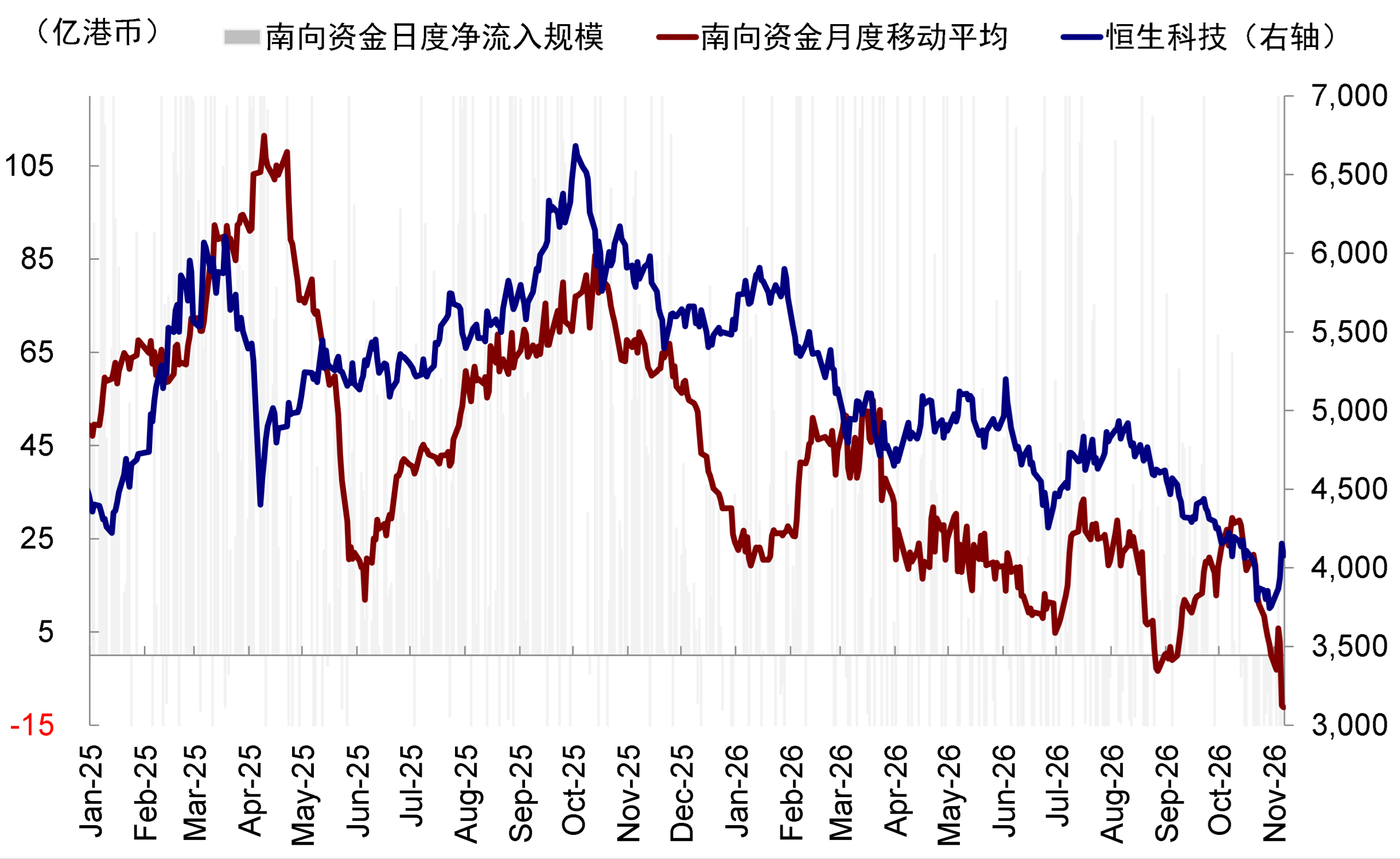
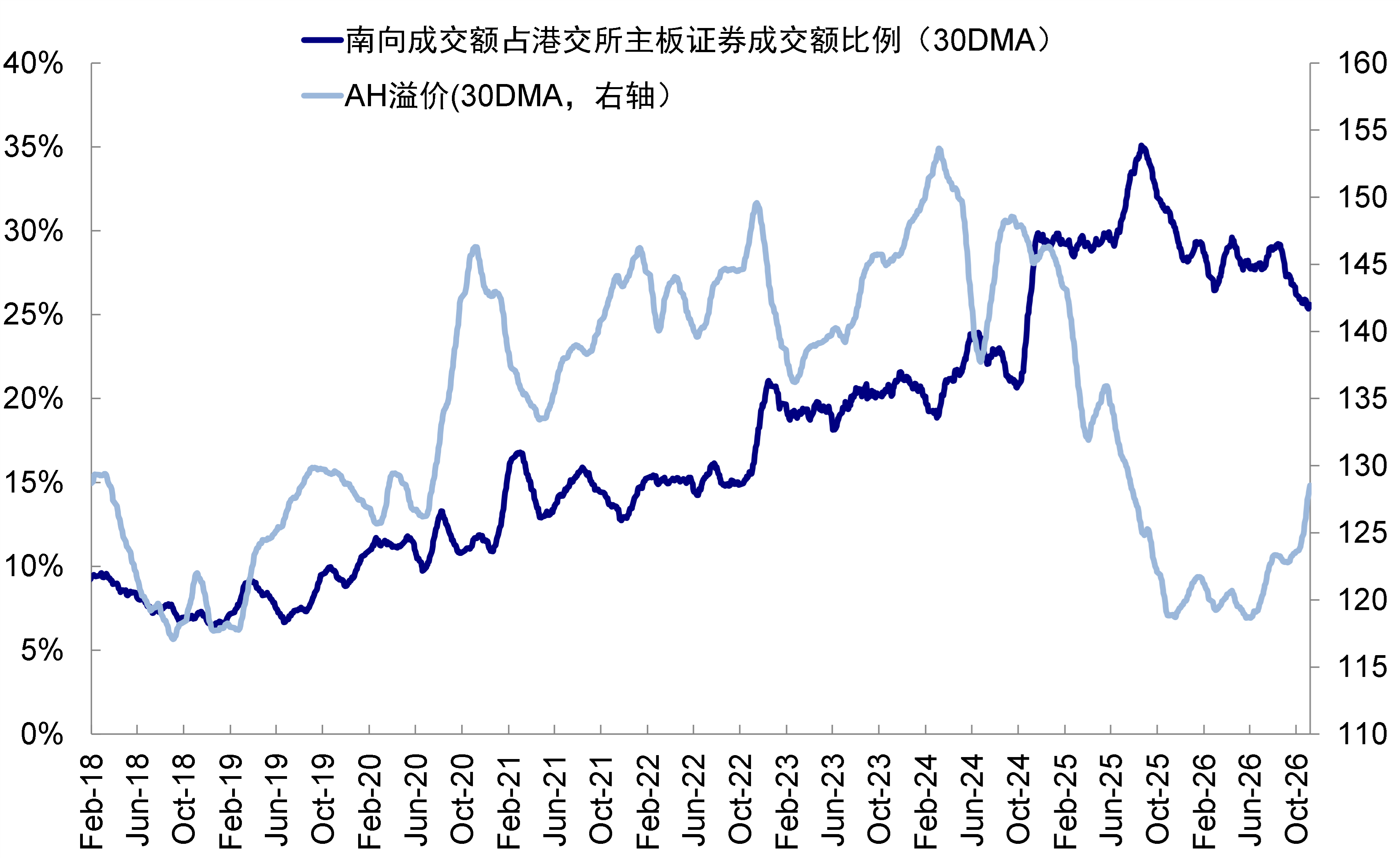
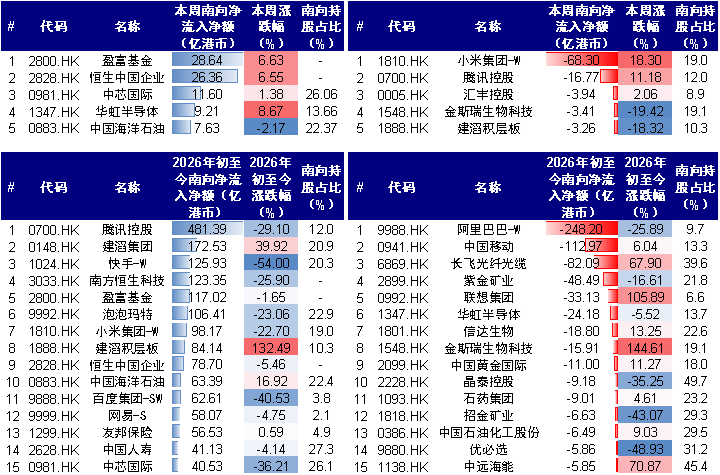
2️⃣ Southbound: Continuous outflow for 4 weeks, this week’s outflow is 3.2 billion Hong Kong dollars (vs. 11 billion outflow last week), daily average outflow of 650 million (vs. 2.2 billion last week) Figures 5, 6. Buying Hang Seng Tech Index ETF, SMIC, and Hua Hong, selling Xiaomi and Tencent Figure 7.
🏵️ Global markets saw a rout, especially with the plunge in US stocks on November 5, with the semiconductor index dropping 12%, the largest drop since March 2020. The immediate trigger was comments from Democratic lawmakers and the governor of Texas on AI and data centers <a data-unique-id="mw7gmitm-3bh8lb" href="https://mp.weixin.qq.com/s?__biz=MzA3NjU1NTQwMA==&amp;mid=2649793422&amp;idx=1&amp;sn=7e18226a6213a635f95ab0a059a99ed9&amp;scene=142#wechat_redirect" class="normal_text_link mp_article_text_link" target="_blank" data-itemshowtype="0">How to view the sharp drop in US stocks?</a>.
The impact of midterm election results on assets is not one-way; otherwise, it would not have fluctuated up and down over three days last week. The key factors to watch are: whether it is a balancing act for "correcting errors" (inflation, Iran, Federal Reserve, tariffs), or "interference for the sake of opposition" (AI, finance). After the midterm elections, the "noise" of the latter has clearly increased, with Democratic remarks specifically targeting data centers and personnel investigations, rather than inflation, Iran, and tariffs. In fact, federal legislation is challenging, but the Democrats can utilize congressional investigative powers to pressurize <a data-unique-id="mw7d0yhi-h1swh7" href="https://mp.weixin.qq.com/s?__biz=MzA3NjU1NTQwMA==&amp;mid=2649793408&amp;idx=1&amp;sn=98a223f092badfeb4e875081a4645757&amp;scene=142#wechat_redirect" class="normal_text_link mp_article_text_link" target="_blank" data-itemshowtype="11">The asset implications of the Democratic "sweep"</a>.
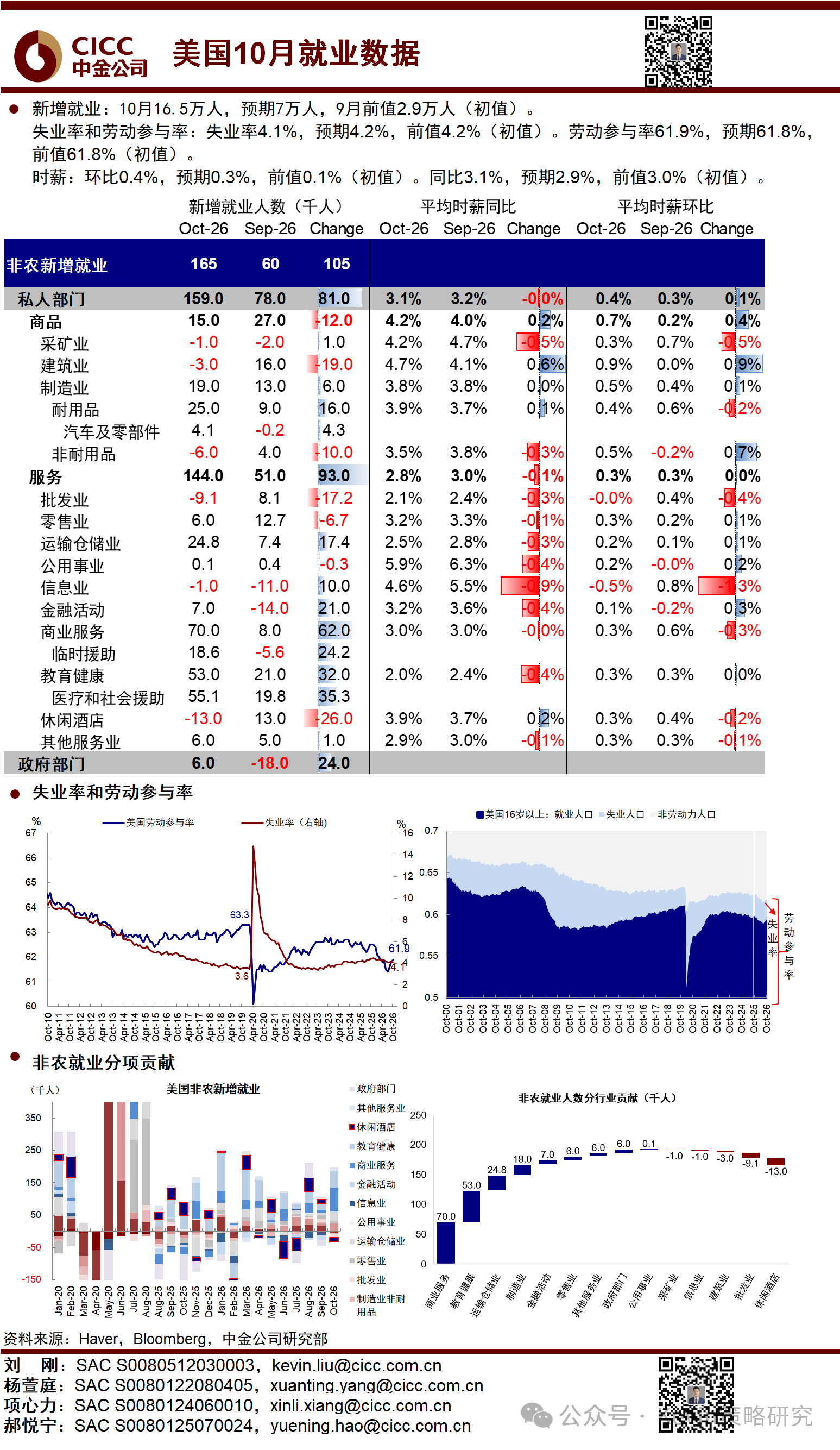
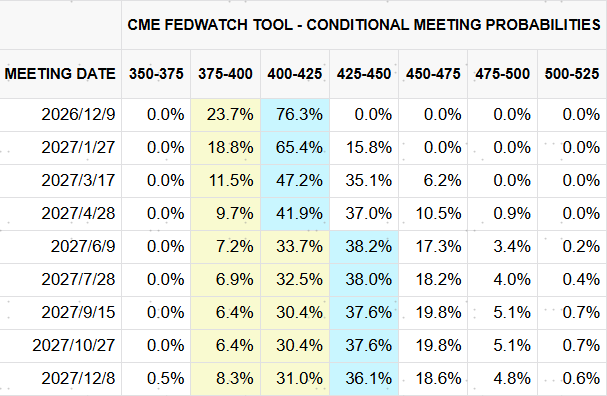
The subsequently released October non-farm payrolls data is somewhat nuanced, as the data greatly exceeded expectations, and wages accelerated, which is a bit too good Figures 8, 9. Normally, strong non-farm payrolls are not a bad thing, at least indicating no recession pressure, but at the current fragile juncture, strong employment implies an increased likelihood of interest rate hikes, with a 76% chance of a rate hike in December. The Nasdaq is hovering near its annual line, which may cause some investors looking to bottom-fish to hold back for a moment <a data-unique-id="mw7d1bkf-msy5jy" href="https://mp.weixin.qq.com/s?__biz=MzA3NjU1NTQwMA==&amp;mid=2649793457&amp;idx=1&amp;sn=44f5a1ac12b129f48afaec01f7a804eb&amp;scene=142#wechat_redirect" class="normal_text_link mp_article_text_link" target="_blank" data-itemshowtype="8">October Non-Farm Payrolls: A bit too good</a>.
Apart from policy, AI itself being in a "transition" phase is also an issue, so for the market to stabilize, there must either be breakthroughs in AI or a shift to easing from the Federal Reserve. Before either of these catalysts appear, we recommend remaining cautiously observant and controlling positions, especially keeping a close eye on liquidity feedback, as the VIX is still above 25. Early next year will be a key validation point (performance period, new Congress in place, inflation begins to recede).
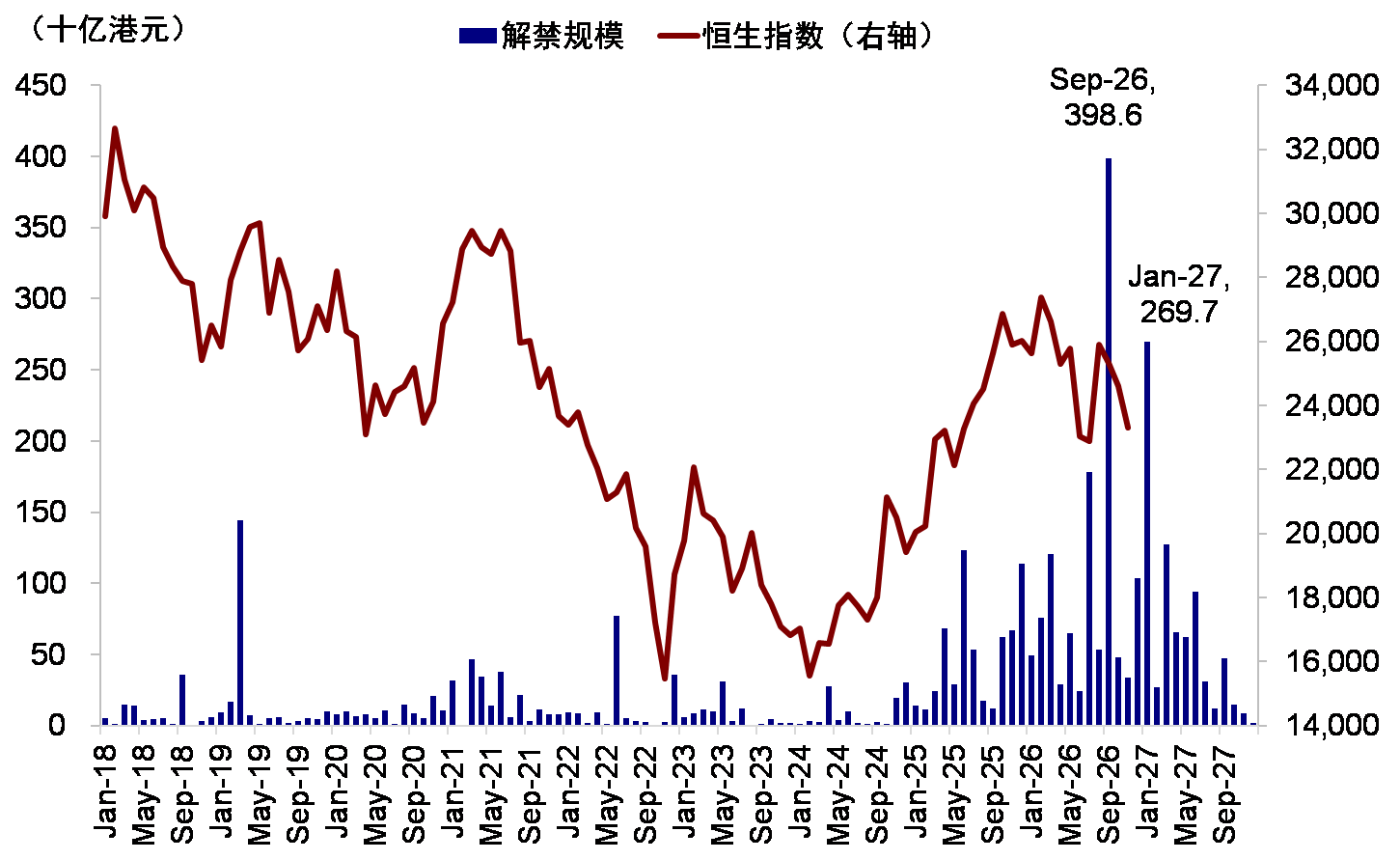
🏵️ Under external influences, domestic markets also continue to fluctuate. In the short term, besides funding pressure (high public fund tech holdings, significant IPO lockup pressure on Hong Kong stocks early next year Figure 10), earnings are also beginning to be revised downwards. Historically, Hong Kong stocks often lead A-shares in reaching peak and bottom. Compared to September 24, Hong Kong stock positions are close to the January 2024 low, and valuations and risk premiums are also shortening; however, buybacks are fewer while financing is more; the strength of policies is key, which is currently not as robust as on September 24, with the window in early next year <a data-unique-id="mw7dan2h-ltks3w" href="https://mp.weixin.qq.com/s?__biz=MzA3NjU1NTQwMA==&amp;mid=2649793354&amp;idx=1&amp;sn=a21bf4aca9d5d1c50a01aee2929ded27&amp;scene=142#wechat_redirect" class="normal_text_link mp_article_text_link" target="_blank" data-itemshowtype="11">How does the market find its bottom?</a>. Areas such as consumption dividends may find their bottom first.
However, the performance of aspects like Hengke is relatively bright, and combined with gold, they have become relatively small barriers to market trading post-midterm elections: firstly, because they dropped significantly enough, and secondly, due to minimal AI exposure. But the problems with Hong Kong stocks are internal, not external; if it’s just for hedging, the discrepancies and barriers remain substantial, as exemplified by last week's large-scale southbound selling and increased short-selling volume.
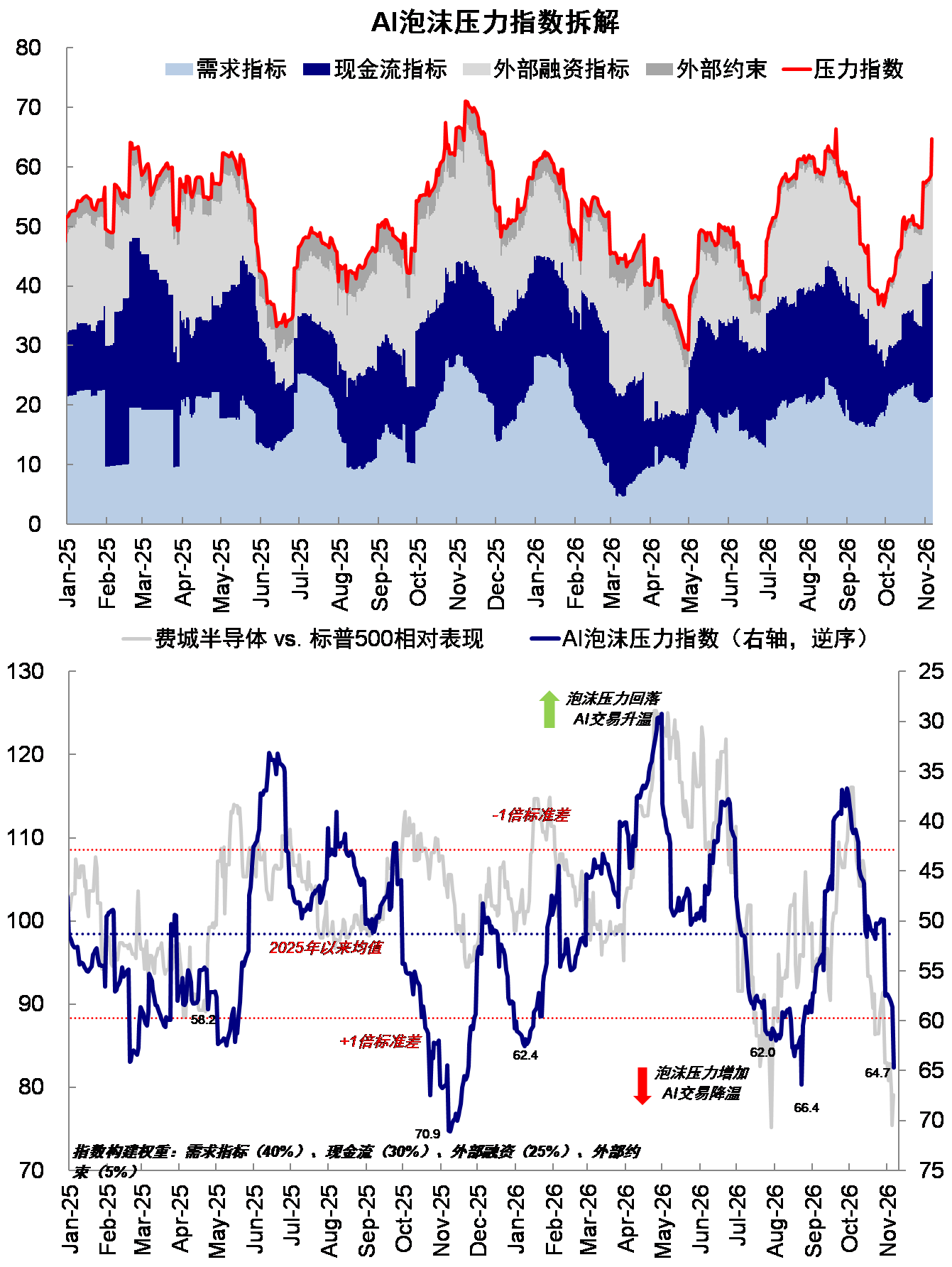
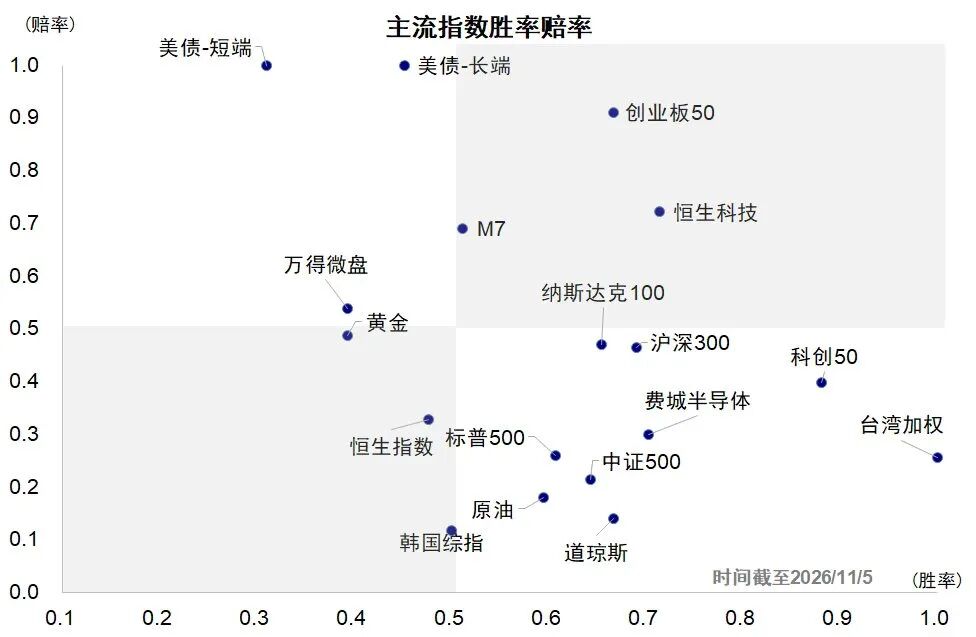
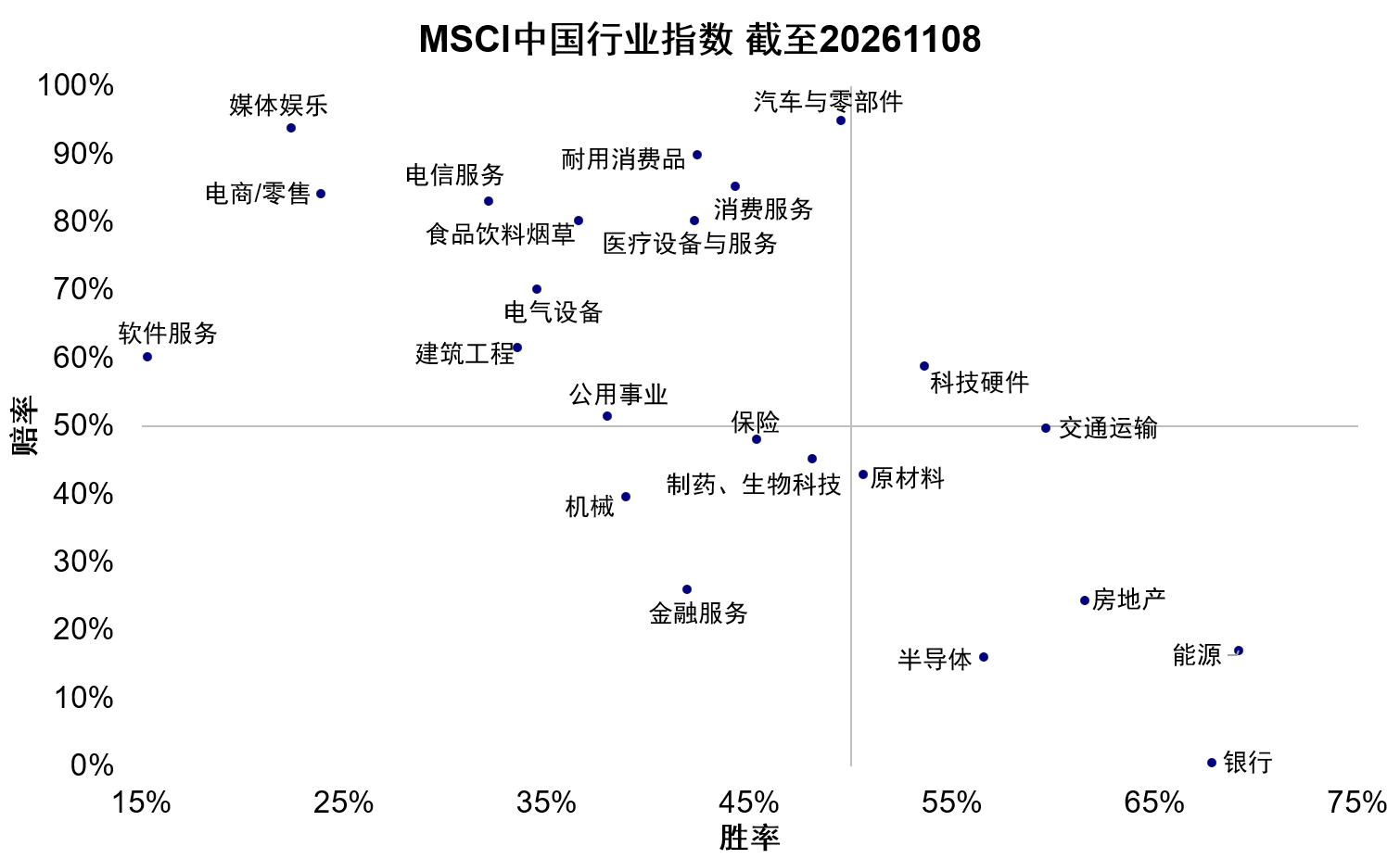
🏵️ Odds and Winning Rates: 1) Taiwan Weighted, Hengke, Nasdaq, A-shares ChiNext are among the top positions Figure 11; 2) Energy, automobiles and components, transportation, technology hardware, and banks are prominent Figure 12. The AI bubble pressure index is close to extreme levels from August.
免责声明:本文章仅代表作者个人观点,不代表本平台的立场和观点。本文章仅供信息分享,不构成对任何人的任何投资建议。用户与作者之间的任何争议,与本平台无关。如网页中刊载的文章或图片涉及侵权,请提供相关的权利证明和身份证明发送邮件到[email protected],本平台相关工作人员将会进行核查。