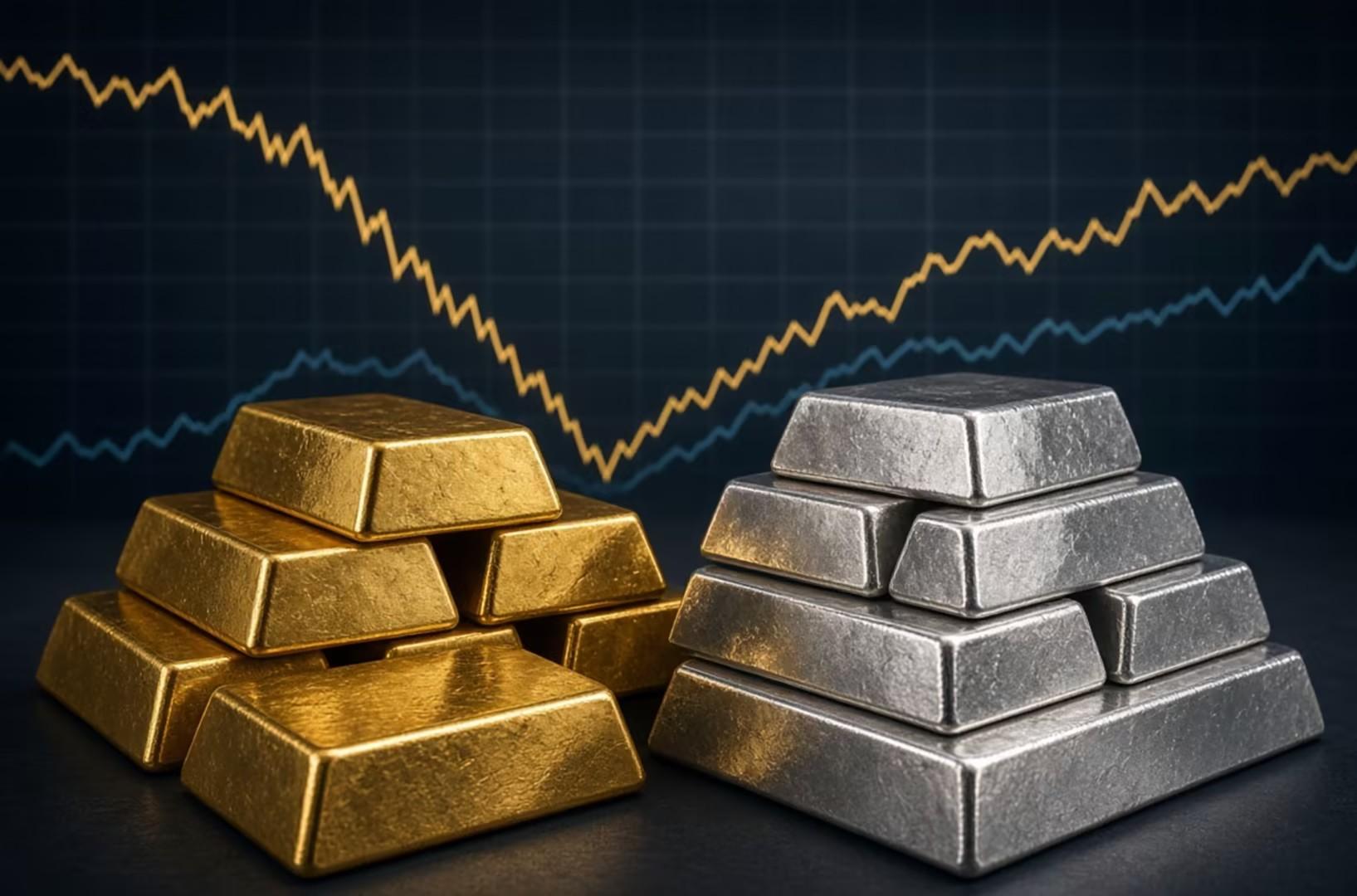
Gold's recovery time after significant declines
Since 2005, gold has experienced several notable declines of around or over 30%, with the time required to recover to previous highs varying.
During the 2008 financial crisis, gold fell from a high of approximately $1032 in March to a low of about $682 in October, a decline of about 34%. Liquidity panic led institutions to sell off all liquid assets, and gold was no exception. However, as the Federal Reserve initiated quantitative easing, the price bottomed out after about 7 months and recovered to previous highs within approximately 18 months, subsequently continuing to rise to new highs in 2011.
After reaching a high of approximately $1920 in September 2011, gold entered a prolonged adjustment, declining to a low of about $1046 in December 2015, a drop of around 45%. Contributing factors included rising real interest rates, a strengthening dollar, and outflows from ETFs. It took nearly 9 years to recover the 2011 high (around July 2020).
Following a peak of around $2075 in August 2020, gold retraced about 21%-22% during the interest rate hike cycle, bottoming out around the end of 2022, then taking about 2.5–3 years to recover the previous highs and reach new highs.
These cases indicate that the larger the decline and the more persistent the driving factors (especially real interest rates and the dollar), the longer the recovery time. Currently, with a nearly 30% decline from the January 2026 high, the extent is in the historically moderately high range but has not yet reached the depth seen in 2011. The recovery time still depends on real interest rates, the dollar’s trends, and whether central banks continue buying gold.
It is not a given that there will be a quick V-shaped reversal after a significant decline; rather, the speed of recovery depends on the pace of changes in real interest rates and the liquidity environment.
Driving factors behind this market adjustment
From the highs around November 2025 to the end of October 2026, gold has retraced nearly 30%. Tightening liquidity, a high interest rate environment, and a strong dollar are the main sources of pressure. Gold does not generate interest; when real interest rates rise, the opportunity cost of holding it increases, and funds tend to flow towards interest-bearing assets. A strong dollar further suppresses gold prices denominated in dollars.
These factors have been repeatedly discussed in the latter stages of the interest rate hike cycle. This retracement is more akin to "the concentrated release of known pressures" rather than an unexpected black swan event. Typical characteristics of a market adjustment include: rapid price retracement followed by shrinking trading volume, changes in position structure, but the fundamental logic (central bank gold purchases, geopolitical risks, long-term currency overissue) has not completely disappeared.
Currently, gold lacks a strong catalyst for a unilateral bull market. Real interest rates remain relatively high, the dollar has not shown significant weakening, and while geopolitical risks exist, they have not formed a sustained premium. The question is not “will there be a rebound,” but rather whether holders are ready when rebounding conditions (decline in real interest rates, weakening dollar, or a return to liquidity easing) materialize.
Preparations needed for a rebound
- Clarify the holding period. Historical recovery times range from 18 months to nearly 9 years. If there is a clear plan for fund usage, it's necessary to evaluate whether one can withstand a prolonged sideways movement or a secondary retracement.
- Differentiate between spot and leveraged instruments. Holding spot does not have strong liquidation risks, but there is an opportunity cost; leveraged contracts or tokenized products can amplify returns but also magnify retracements.
- Monitor real interest rates and the dollar index. The turn of these two variables usually precedes sustained rebounds in gold prices.
- Invest gradually rather than all at once. Historical rebounds after significant declines are often not linear, and there will still be fluctuations in between.
- Keep an eye on central bank gold purchase data. Official gold purchases are one of the long-term supports; if they continue to increase, they can provide fundamental support for prices.
Silver: A precious metal and AI cycle asset
Silver is not only a precious metal but also possesses industrial properties, especially in photovoltaics, electronics, and AI-related hardware. Some market observations have found that silver-related stocks are highly correlated with the Philadelphia Semiconductor Index (SOX). Morgan Stanley strategist Mike Wilson has pointed out that there is a significant correlation between semiconductor stocks and silver-related assets, with silver stocks sometimes leading the semiconductor index by several months.
This correlation is not a stable causal relationship. Silver is influenced jointly by real interest rates, industrial demand, and speculative funds; whereas semiconductors are more driven by AI capital expenditures, inventory cycles, and valuation. Both tend to fluctuate in the same direction during liquidity easing and rising risk appetite; during interest rate hikes or liquidity tightening, however, they may diverge. Treating silver stocks as a leading indicator for semiconductors is an observational perspective, rather than a reliable predictive tool.
When expectations for AI capital expenditures change, expectations for silver's industrial demand may also be affected. Observing the synchronous or leading relationship between the two trends can help investors understand the current risk appetite and liquidity environment, but it should not be relied upon as the sole basis for trading decisions.
On Binance and OKX, users can purchase products linked to gold and silver through spot trading (such as tokenized gold, silver-related tokens, or direct trading pairs), and can also express price views through contracts.
Reasons for choosing these two platforms: relatively good liquidity, support for multi-currency deposits and withdrawals, comprehensive coverage of trading pairs, and support for both spot and contract trading methods. It is important to note that tokenized products differ from physical gold, and contracts carry leverage and liquidation risks. The platform will charge transaction fees, with specific rates subject to the latest official disclosures.
It is not guaranteed by the platform that profits or zero risks will occur, but it does offer a relatively convenient trading channel; however, price volatility, leverage risks, and product structure differences are still borne by the user.
Binance referral link: https://jump.do/zh-Hans/xlink-proxy?id=3
Or log in to the Binance app directly and enter the invitation code aicoin668; here are the exclusive generous registration benefits for AiCoin invitation codes:
Benefit 1: Up to 440U for new customers
1. Deposit 100U + trade 100U → receive 100U position voucher
2. Deposit 1,000U + trade 50,000U → receive another 300U position voucher
3. Deposit 3,000U + trade 200,000U → receive another 40U cash voucher
Three tiers can stack; by depositing 100U, you can get the first tier
Benefit 2: Open a mystery box, up to 25 RE
1. Register + deposit 50U + trade 100U + log in to the app
2. After completing the task, a mystery box will be activated to randomly draw RE tokens, with a maximum of 25
This means a new user can enjoy double benefits after completing the registration task
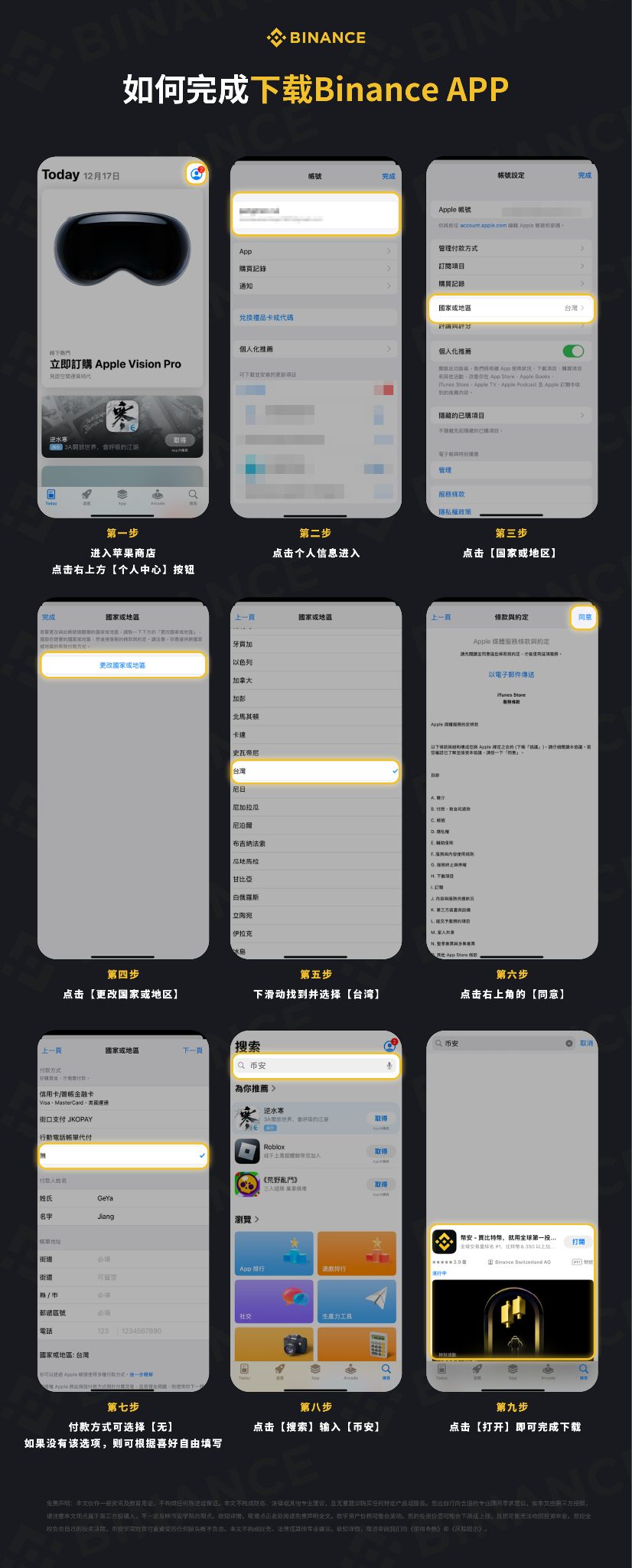
OKX referral link https://jump.do/zh-Hans/xlink-proxy?id=2
Or log in to the OKX app directly and enter the invitation code aicoin20, enjoy a permanent rebate of 20% on transaction fees.
Historical recovery times remind us that it is not guaranteed that gold will quickly regain ground after a significant decline. Currently, the nearly 30% retracement falls within a common historical range, and the driving factors are also quite clear. The correlation between silver and the semiconductor index provides an additional observational window, but it is not a definitive leading indicator. What truly needs preparation is to clarify one's holding period, differentiate between spot and leveraged instruments, and continuously track changes in real interest rates and the dollar. Prices will ultimately reflect these variables, rather than a simple “market adjustment narrative.”
Risk disclaimer retained at the end: It does not constitute investment advice; you may lose your entire principal; comply with the laws of your jurisdiction; do not use leverage, borrow, or use living expenses to participate.
免责声明:本文章仅代表作者个人观点,不代表本平台的立场和观点。本文章仅供信息分享,不构成对任何人的任何投资建议。用户与作者之间的任何争议,与本平台无关。如网页中刊载的文章或图片涉及侵权,请提供相关的权利证明和身份证明发送邮件到[email protected],本平台相关工作人员将会进行核查。